Archives: Travel Post

Ume-mei Museum

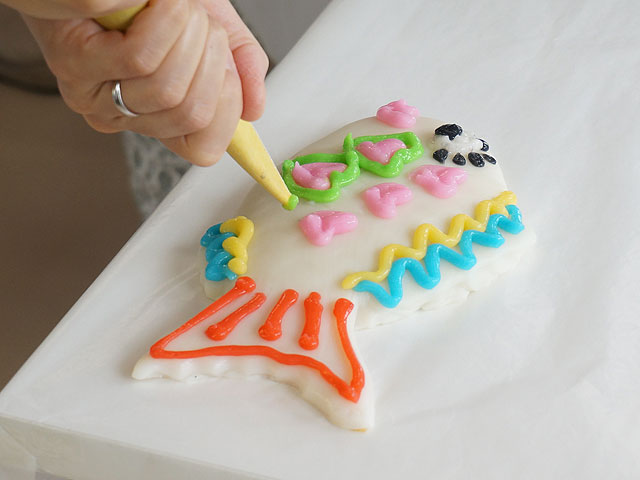
The traditional taste "kamaboko" is indispensable for celebrations in Toyama. Demonstration of smiths kamaboko, production process, history, etc., easy-to-understand introduction. The construction experience corner is also enriched (fee 1650 yen, reception from 4 people). At the stall, there are plenty of kelp rolls, Akamaki Kamaboko, and snacks with cheese unique to Toyama.
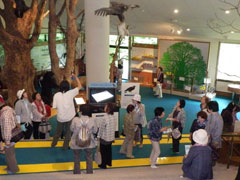
Toyama Natural Museum Neinosato

In addition to specimens of wild bird beasts and insect species, familiar creatures such as turtles, frogs and snakes are displayed in the exhibition hall, which can also be touched by hand. In addition, a nature observation route is set up about 17ha in the garden, and you can observe the creatures of Satoji Satoyama, and naturalists will give you a natural commentary on weekends and holidays from spring to autumn.

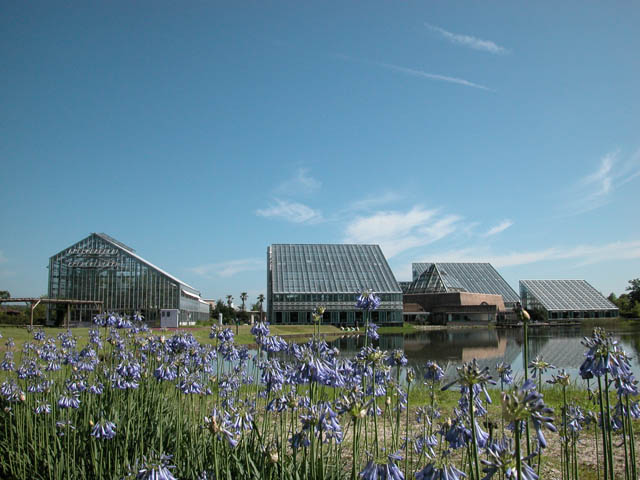
Central Botanical Garden, Toyama

In a garden of about 25ha, about 4900 kinds of plants from Japan and abroad are collected and exhibited. You can observe while walking around the pond. Among them, the plant collection in Yunnan, China is the largest in Japan. Can be seen in outdoor Yunnan corner and Yunnan greenhouse. There is a row of cherry trees where 90 Yoshino cherry trees make tunnels, and a night park is to be opened when it is in full bloom.

Iwase

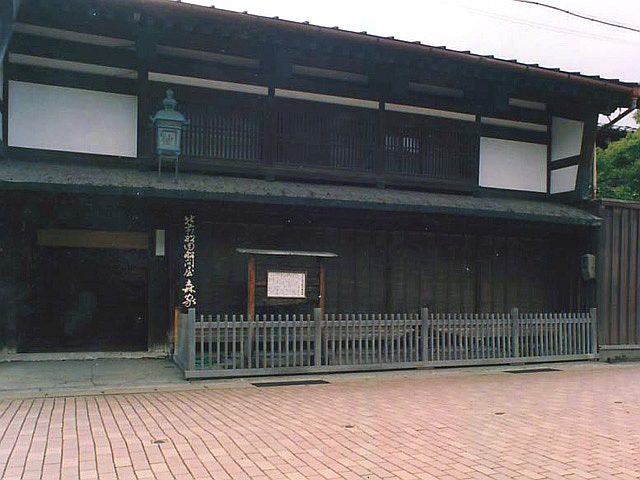
The Iwase neighborhood near the port of Toyama is an area that once flourished with the Kitamae ship trade; the Omachi Shinkawa-dori is lined with the Kitamae Funabasuaiya "Mori-ya", a soba shop and local sake shop that regenerated the Tozo.

Toyama Port Observation Deck

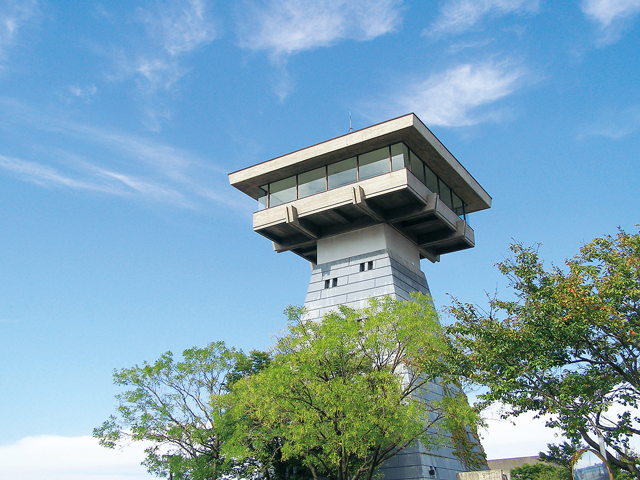
An observatory built on the model of Joyo Light, which stands in the precincts of the Kantohira Shrine in Araki-cho. You can enjoy the scenery of Toyama Bay, Tateyama Ran Peak and Noto Peninsula from the observation room, which is 25 meters above the ground.

Kanaoka residence of drug dealers

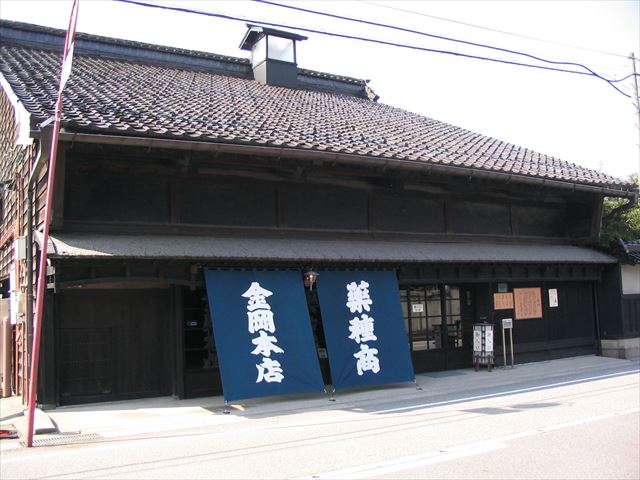
The 300-year-old Toyama Pharmaceutical Historical Museum, which is rare in the country, has been designated as a National Registered Tangible Cultural Property. 180 kinds of raw materials for raw drugs, including pharmaceutical tools, drug-selling prints, valuable medicine boxes and medicine bags from the time, and musk deer, which have only six bodies in Japan, are on display. The main building is a merchant house in the early Meiji era, and the new building is a luxurious building in Sohiki-Kitenjo.

The Inner Mountain House of the Australian

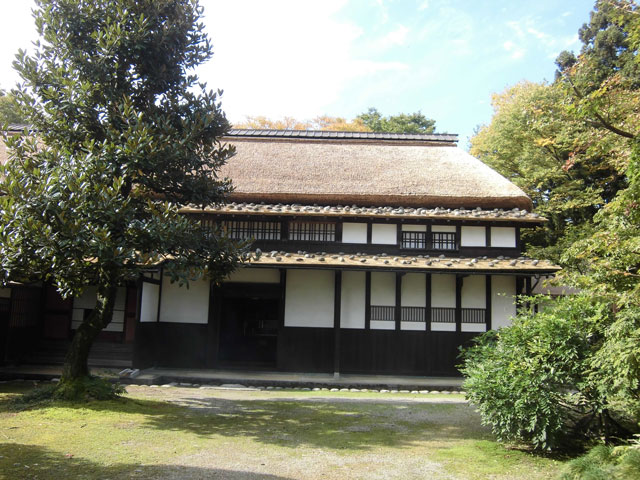
The Uchiyama family was a family that lasted 450 years in this area after developing the land of Miyao at the time of Onaga and Kyoroku (1521-1531). It is said that during the time of the Toyama clan, he served as the Jōshōya (Oshōya), and made efforts to promote agriculture and improve culture in the area. The current residence was built in the 4th year of Gyeongsang (1868), and was built in two stories, part of a tile reed gable timber structure. Along with the vast gardens arranged with famous stones and garden trees, they leave the grounds of a traditional royal farm house during the feudal era. There are three tea houses in the residence, and art objects and literary materials donated by the Uchiyama family are displayed, showing the prosperous life of the old farmers. It is designated as a National Registered Tangible Cultural Property.

Kitamae Ship Kaifune Yaya Moriya

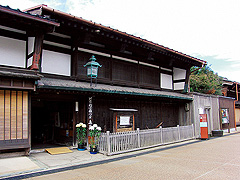
It is designated as a National Important Cultural Property at the Kitamae Funabune Kaiyaiya in Iwase, a town of Kaisho. Built in 1878, it is a magnificent setting to remember the prosperity of its peak. The main house, the storehouse, etc. were arranged along the space corridor leading from the entrance to the back landing area, and the cargo was transported to the storehouse through this space. In addition, the imprint on the door of the tool store and the portrait painting of the dragon tiger are also stunning. Take 30 minutes.

Ukita House House

A building that retains the figure of an Australian private house from the mid-Edo period almost intact as a government house in the Kaga Domain (in the role of Okuyama-maki). The 5190-square-meter site is surrounded by a moat and a fence, and three buildings, the main gate, the main house, and the Tozo, are important cultural treasures of the country. The main hall of the main house, which stands facing the garden, is a magnificent Liang-gumi, and in contrast, the parlor is a delicate structure, remembrance of the feudal era. It takes 20 minutes.

Jinzu River Left Bank Embankment

A row of cherry trees continues about 1km on the left bank of the Jinzu River, which flows through the center of Toyama City. From Toyama Obashi, you can enjoy a row of cherry trees with the Kureha Hills as a backdrop, and there is also a beautiful contrast between the standing mountain peaks and cherry trees in the remaining snow seen from the Jintsu Obashi. It is one of the best cherry blossom spots in the city.

Contact Us: Business & Personal Inquiries

By proceeding, you agree to our Terms of Use And confirm you have read our Privacy Policy .

Notes

· We are available for inquiries 24 hours a day. Responses will be provided between 9:00 and 18:00 (including weekends, public holidays, and year-end/New Year holidays).
· Depending on the nature of your inquiry, it may take some time for us to respond.

RURUBU & ALL WAY JAPAN
Privacy Overview

This website uses cookies so that we can provide you with the best user experience possible. Cookie information is stored in your browser and performs functions such as recognising you when you return to our website and helping our team to understand which sections of the website you find most interesting and useful.