Archives: Travel Post

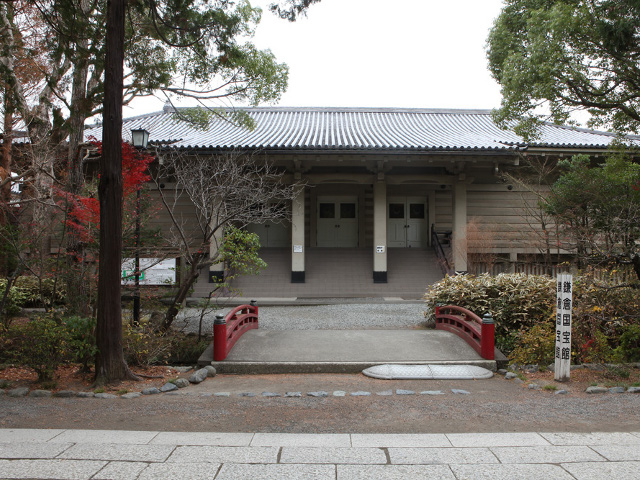
Kamakura National Treasure Hall

It is a building in the style of a school building that mimics the Shōkurain in Nara, near Higashi-Torii. As well as Tsuruoka Hachiman-gū, the museum stores and displays more than 5000 items of valuable cultural objects such as Buddha statues, crafts, drawings, and ancient documents held by the Kamakura city area and each of the neighboring shrine temples. Some of their representatives include the "Rankei Dōryū statue" [Rankei Dōryū] (national treasure) of Kenchō-ji and the "Bensaiten-za statue" (Important Cultural Property) of Tsuruoka Hachiman-miya. It takes 30 minutes.
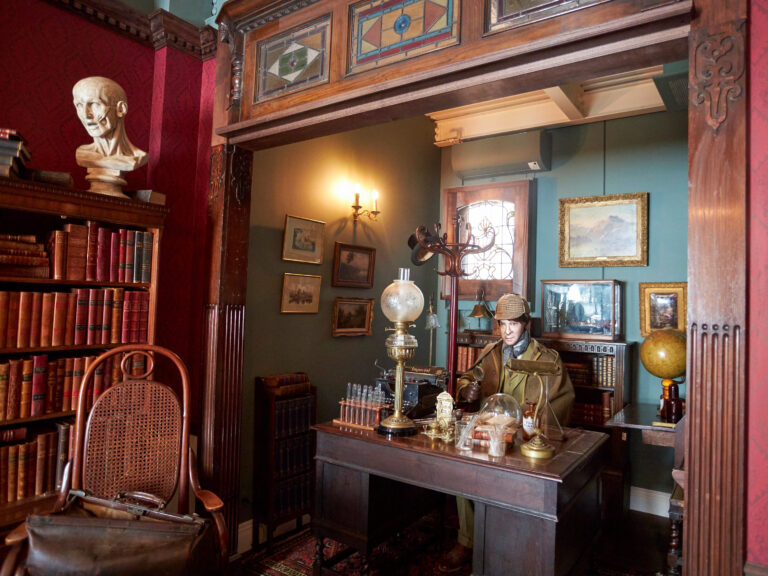
British Antique Museum BAM Kamakura

A museum dealing with British antiques, standing facing the approach to Dankazura in Tsuruoka Hachiman-miya. On the second to fourth floors of the exhibition floor, about 1000 authentic British antiques with a history of more than 100 years are exhibited. Among them, the third floor "Sherlock Holmes Room" was faithfully reproduced based on the original with the cooperation of "Sherlock Holmes Museum London". Holmes' view of the world surrounded by British antiques is a space that makes you want to visit many times, even if it is not “Sherlokian”. The museum is designed and designed by Kengo Kuma, a leading Japanese architect.

Wakamiya Daji

A boulevard extending in a straight line from Tsuruoka Hachimatomiya to Yuigahama [Yuigahama], with an extension of about less than 2km, between which there are three torii, Ichino Torii, and Mino Torii in order from the sea side.

Komachi Street

A 400-meter-long street extending from the east exit of JR Kamakura Station, roughly parallel to Wakamiya, towards Tsuruoka Hachimatomiya. It is marked by a red torii in front of the station with a flat profile of the "Yawatomiya shortcut". It is a shopping street in Kamakura, where a variety of stores, from long-established to new brand stores, such as daily necessities stores, restaurants, souvenir shops, and cafes, are connected. Many stores are also unique in the thin alley that extends around Komachi Street. Especially during the weekend and the holiday season, there are many tourists, and it shows the buzz that fills the streets.

Hoha-do ruins (Minamoto no Yoritomo Tomb, Hōjō Yoshiki Tomb)

The site of a temple that offered Minamoto no Yoritomo, which opened the Kamakura shogunate. The tomb tower of currently Yoritomo was maintained in Yasunaga 8 (1779) by Shigeto Shimazu of Satsuma, who was associated with Yoritomo. In addition, if you climb the thin mountain road on your right from the grave of Yoritomo, you will find the grave of Hiromoto Oe [Oe no Hiromoto], who was a general staff member of Yoritomo.

Dongsheng Temple Site

A historic site located in the mountains across the Namekawa River from the Hōkai-ji Temple and up a residential slope. Tokatsu-ji was a bodhi-ji temple of the Hojo clan, which was founded by Yasutoshi Hojo as the opening mountain of the reage, but at the time of the attack on Kamakura by Yoshisada Nitta in 1333. More than 800 members of the family, including the Hojo Takatoki, stood up in this temple and set fire to commit self-harm. It can be said to be a historical place of the end of the Kamakura shogunate, but now only a stone monument stands. On the hillside at the end of the stone monument, there is a large yagura called belly-cutting and wagering, and a five-wheeled pagoda and a stupa stand.

The site of the Okura shogunate

To the east of Tsuruga Hachiman-gū, the Yukinoshi area opened the Kamakura shogunate with Yoritomo holding his residence in the 4th year of Jirō (1180), and until Yasutoki Hojo moved the shogunate to Utsumiya Tsujiko in Wakamiya Oji in the first year of Karoku (1225) for 45 years. A place that became the center of samurai politics. The site is a vast 200m square, centered on a stone monument standing on the west corner of Seisen Jogakuin Elementary School, and it is said that there were buildings such as sleeping halls, Kumonsho, inchosho, and samurai halls.

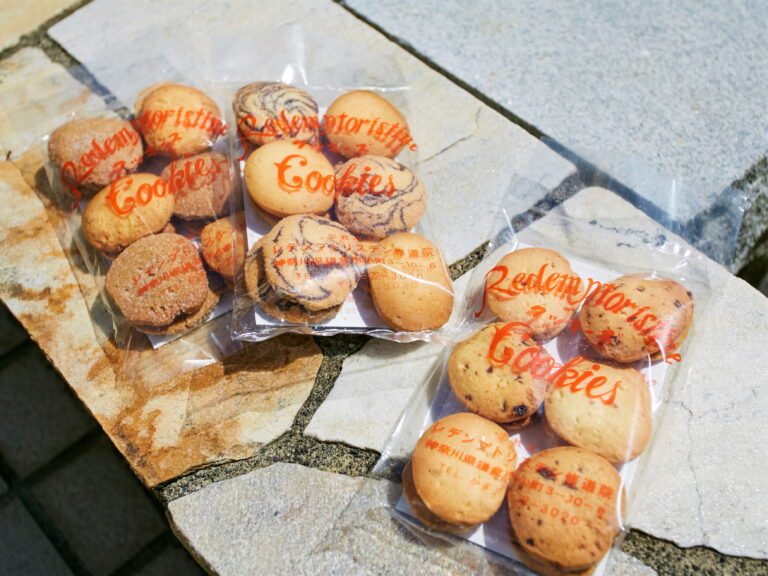
Redemptoristin Abbey

A monastery founded in 1950. "Redemptoris Tin Cookies", which Sister makes with her heart every day, has been made with the same recipe for nearly 60 years. There are all three types of "Cocoa & Milk", "Coffee & Coconut" and "Peanuts & Raisins", and not only delicious, but also fashionable retro packaging is popular.

Honkaku-ji Temple

A temple of the Nichiren sect at the base of the Iido Bridge [Ebisu Dōbashi] over the Neri River. Hiji [Nissutsuto] was erected in 1436 (1436) by Hiji [Nissutsuto] on the site of Ido, where Nichiren Jinjin, who had returned from Sado where he had stayed until he entered Minobu-san. At the time of the second priest Nissho [Nichcho], he brought back the remains of Nichiren Jinjin from Mount Minobu and put them in a charcuterie. Since then, it has flourished by being called Higashi Minobu, so it is also called "Japan-morning-sama". In the cemetery behind the precinct, there is a stone tower that is said to be the tomb of the swordsmith Gorō Okazaki Masamune [Okazaki Goromasamune] and the second generation Sadamune [Sadamune]. Omori's Nigiri fortune 600 yen is popular.

Contact Us: Business & Personal Inquiries

By proceeding, you agree to our Terms of Use And confirm you have read our Privacy Policy .

Notes

· We are available for inquiries 24 hours a day. Responses will be provided between 9:00 and 18:00 (including weekends, public holidays, and year-end/New Year holidays).
· Depending on the nature of your inquiry, it may take some time for us to respond.

RURUBU & ALL WAY JAPAN
Privacy Overview

This website uses cookies so that we can provide you with the best user experience possible. Cookie information is stored in your browser and performs functions such as recognising you when you return to our website and helping our team to understand which sections of the website you find most interesting and useful.