 English
  Japanese
  Chinese (China)
  Chinese (Taiwan)
  Korean
 Goku Chashang
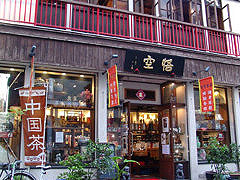
On the first floor, a wide variety of tea leaves and tea leaves, from seasonal tea leaves to tea leaves obtained in the outback of China, as well as tea candies, buns, and tea utensils are available on the second floor.

On the first floor, a wide variety of tea leaves and tea leaves, from seasonal tea leaves to tea leaves obtained in the outback of China, as well as tea candies, buns, and tea utensils are available on the second floor.
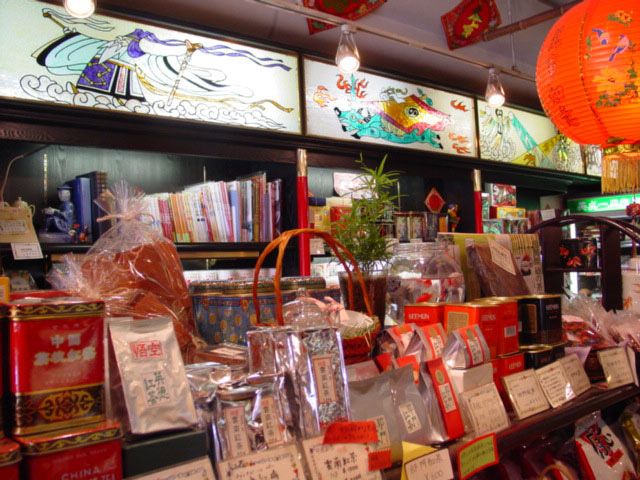
A Chinese tea shop marked by a sign of Sun Wukong. There are more than 100 kinds of various kinds of Chinese tea in the shop. There are plenty of tea tools such as teapots and cups for drinking Chinese tea at home. If you drink alone, a mug with tea strainer is 2241 yen ~ is convenient. There is Goku Chasho in the immediate vicinity of the Yokomanseki mausoleum, and you can also enjoy snacks and desserts at the tea house on the second floor.
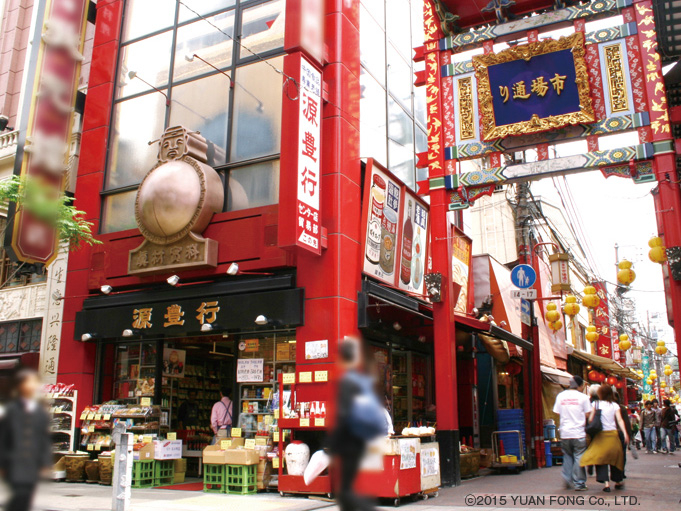
Founded in 1949 in Yokohama. A shop specializing in Chinese ingredients that is used by many people, from restaurant chefs and culinary researchers to people who enjoy cooking at home. In addition to the original Chinese condiment "Home Chef" series, there is a large selection of items such as Shaoxing Lao Sake, Chinese tea, various Chinese ingredients, and frozen foods that are particular about the years of brewing. Only on Saturdays, Sundays, and public holidays, the freshly steamed hand-made "Oshimiku-man (pork-man)" is sold in stores.

There are 9 to 10 kinds of fine snow-like snow-like snow-like ice in addition to Taiwan's famous drink menu with red eggs and black tapioca. Snow ice is a typical sweet of Taiwan. It is the only place in the Chinese town that uses raw mango and makes ice from all shops.
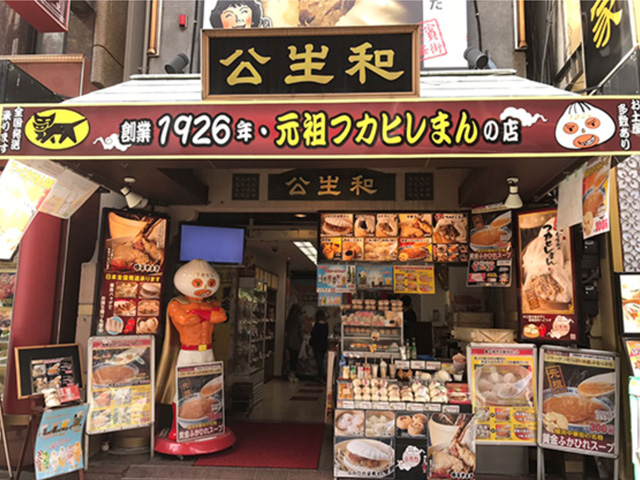
A popular original shark fin-man 400 yen devised by a Chinese food specialty store of 93 years in existence. The bragging paste is the luxury of kneading shark fins from Kesennuma in the meat, and you can eat hot hot food at the store. The shark-fin-zumi-ni-man 1600 yen is also well received. Golden shark fin soup is also sold for 300 yen. There is also a golden shark fin soup (with okoge) 350 yen, which is made of soup over freshly fried okage.
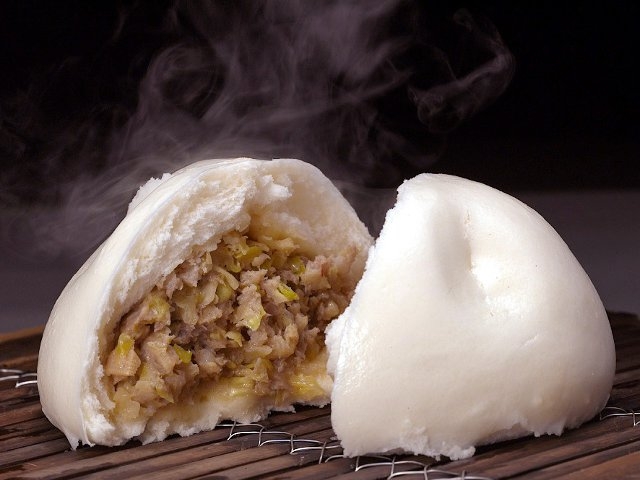
It was established in 1894. In addition to the specialty pork bun 600 yen, you can enjoy a variety of Chinese buns, such as black sesame buns with walnuts, shrimp buns, and pork kakuni buns. In addition to Chinese buns, there are also many other souvenir items such as burnt pork, shiumai, and dumplings.
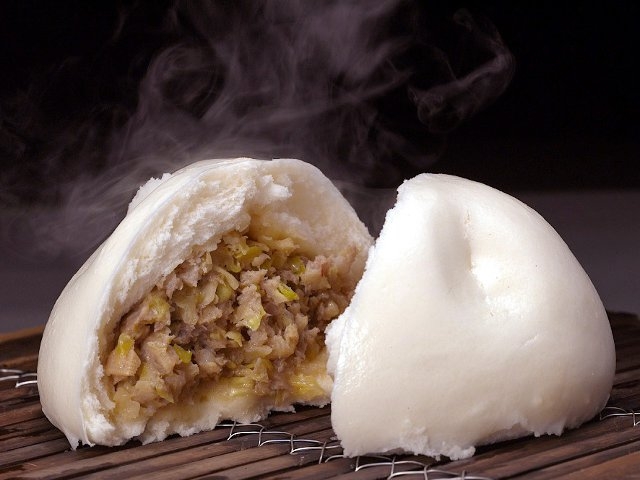
The lively Kiyo Edo on the street is a casual atmosphere different from the boulevard stores.
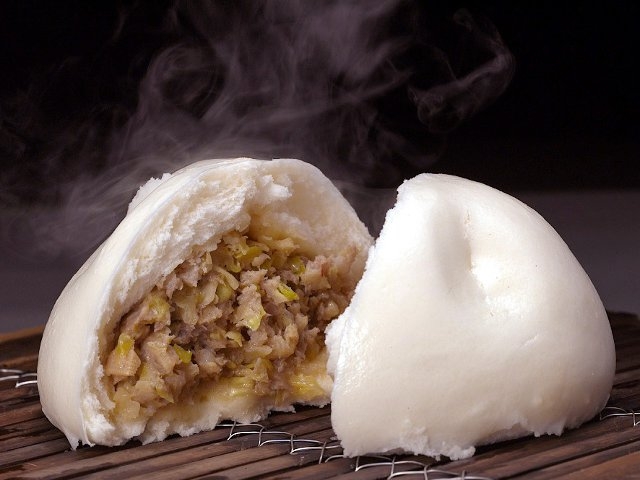
In terms of the size of Chinese manju, the shop boasts the best of Chinakai; more than 15 types, such as specialty buta buns 600 yen, flavorful pork kakuni buns, and shrimp chirins with large shrimp 600 yen each.
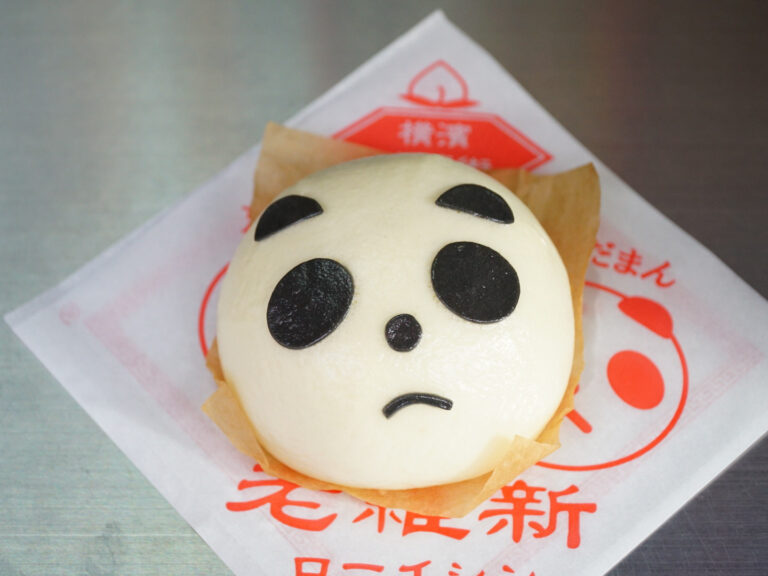
Chinese miscellaneous goods are lined up in the store. On the first floor is funny and creepy (?) there are popular headwear and Chinese miscellaneous items, and Chinese clothing and accessories such as luxury china dresses and children's china kung fu suits on the second floor. In stores, he also sells the likes of Panda Man and Buta Kakuni Man (350 yen each), which are familiar on TV and in magazines.
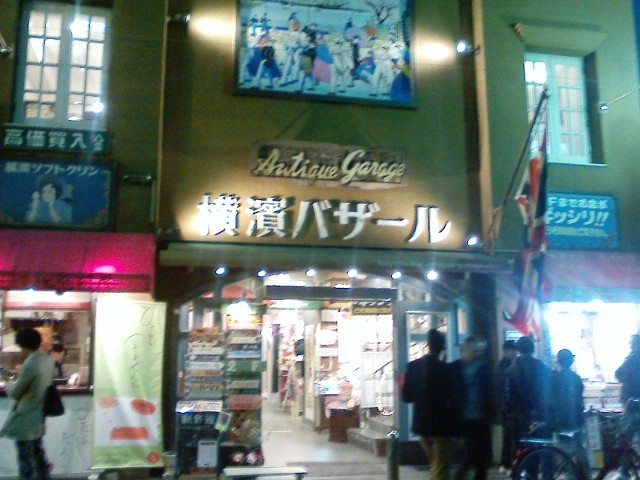
With the aging of the building, the building has been renewed into a building with the image of a trading hall when Yamashita-cho was a reservation. From the first floor to the third floor, there is a unique divination teacher and a nice shop that can only be found in the bazaar. In addition, there is a sweet shop on the first floor and a book cafe on the third floor, which serves as a place for walking around the Chinese town.