Archives: Travel Post

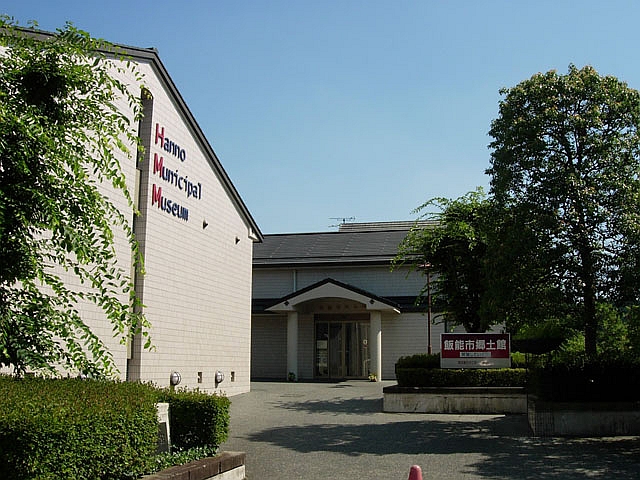
City Museum of Hanno

A museum where you can get to know the history and culture of the city of Hanno. The history exhibition room consists of three zones of "ri", "town" and "mountain", each of which introduces the characteristic history and ethnic groups. In addition, it also has a function as a natural visitor center, which transmits the charm of nature around the hall such as Hanenogawara and Tennoyama.


Medical Herb Garden Life's Wood Medicine Incense Garden

A medicine herb garden of life where 200 species of herbs and plants grow throughout the four seasons. A shop that sells and workshops the Herb Aromaguds of the Living Tree, a bakery workshop where you can meet the charm of the four seasons of herbs through food, a medical herb house that sells herbs-based seedlings, and a handmade gift room where you can experience herb distillation and soap making. There is also an Ayurvedic salon (appointment) and a school where you can learn herbs and aromatherapy.

Tobe Jansson Akebono Children's Forest Park

In the green of Hanno, a park where you can feel the atmosphere of Northern Europe. In the park, there are unique buildings such as "Mushroom House", "Children's Theater", and "Forest House", which are in good harmony with the surrounding forest.

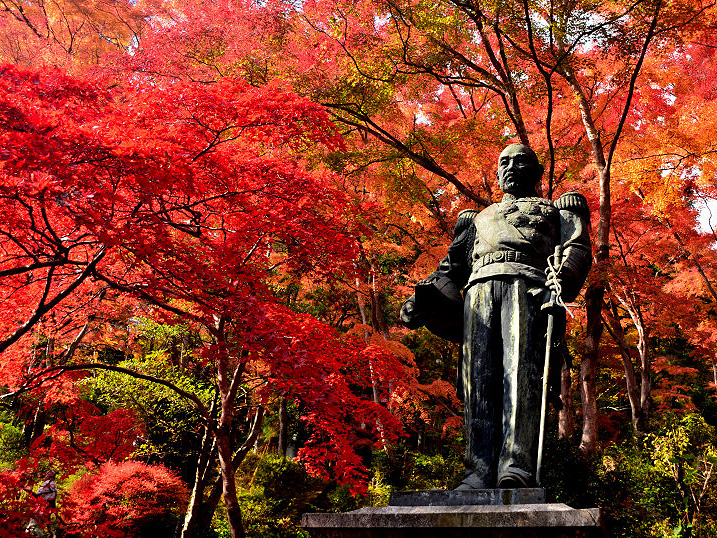
Dongxiang Park

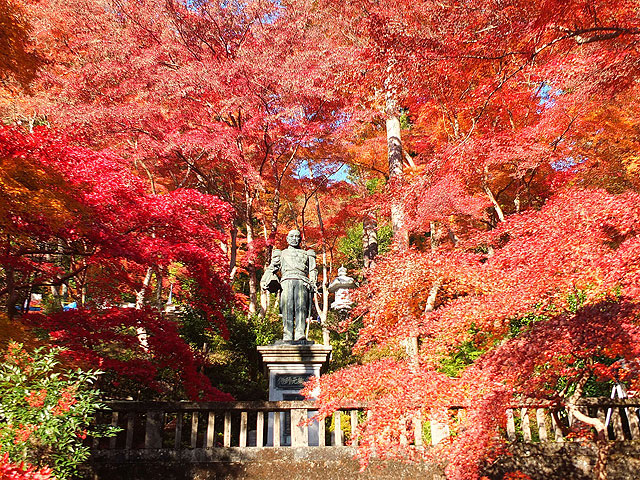
Togo Park, located on the middle of Mount Ontake, was landscaped after Marshal Togo Heihachiro, a Navy admiral of the Meiji and Taisho periods who was called the "Nelson of the Orient". It is a spot of autumn that represents Oku Musashi and attracts many tourists in the fall.

Nonin Temple

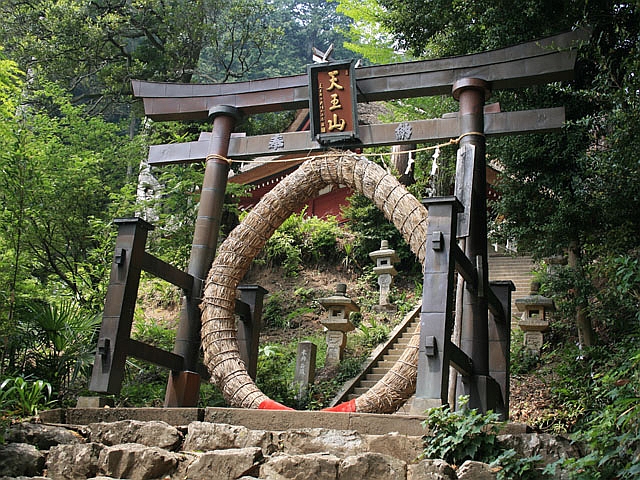
An ancient temple of the Soto sect at the southern foot of Tianshan. Beginning with the opening of a small hermitage by the Nakayama family in the first year of the Bungame (1501), it flourished as a bodhi-ji temple for the lords of the Iannō region. Many were burned during the Meiji Restoration's Hanno War, but the current main hall was rebuilt in 1936. The Ike-Izumi Kanyo Ceremony Ceremony on the slope of Mount Tenrayama The Horai Garden is a garden of about 1000 square meters with seasonal flowers such as azaleas and satsuki, and is also selected as one of Japan's best-known gardens. The bamboo forest in front of the main hall is also stunning.

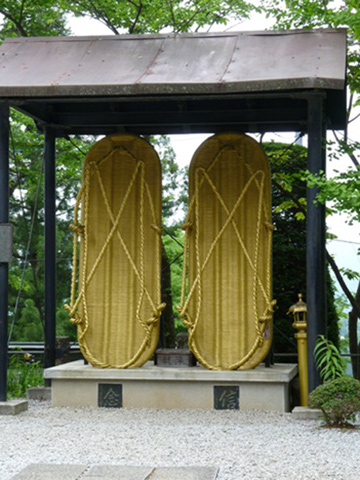
Xino Gonji Tenryong Temple

天長9年(832)の子の年、子の月、子の日、子の時刻に生まれ7歳で仏門に帰依した子ノ聖が、延喜11年(911)に創建した古刹。足腰守護の神様として知られている。子ノ聖が食事のときに箸がわりに使った杉の枝が根付いて成長したと伝えられるニ本杉は県指定の天然記念物。重さ2トンもある鉄のワラジや下駄が目を引く。西吾野駅から子ノ権現と、竹寺を結ぶハイキングコースなどがある。

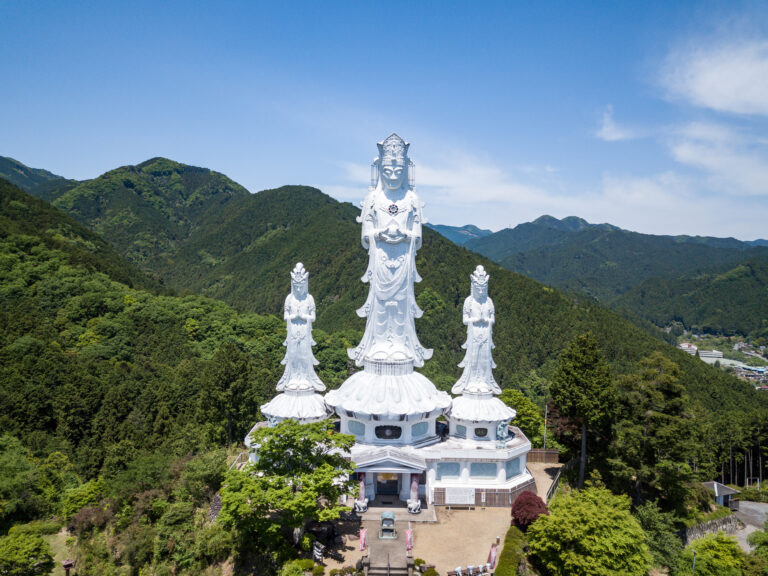
鳥居観音

飯能市名栗渓谷にある観音信仰の霊場。開祖の平沼彌太郎は明治に生まれ、家業の林業経営、名栗村長、埼玉銀行頭取、林業団体役員、参議院議員を歴任したが、観音信仰に篤かった亡母の遺志を継ぎ、生まれ育った名栗の地に鳥居観音を開山した。約10万坪の境内には、高さ33mの大観音や三蔵法師霊骨慰霊塔などの堂塔が点在し、本堂には7つの観音像が祀られている。春はつつじ、秋は紅葉など、埼玉100選でもある境内は花草木に溢れ、山紫水明、幽境たる連峰、四季折々の佇まいは、そのまま観音さまの住まいになられた補陀落山といえるだろう。

Bamboo Temple

The only part of Eastern Japan that enshrines the Honson-headed Tenno (Gozuten-nou) and distributes the Yakushi Nyorai, leaving the figure of the Shinto-Buddha mixture to the present day. The 33rd Ensemble Temple in Musashino Kanon, where the Holy Kanzeon is enshrined in the Kanon-do. There are many mountaineers, and it is also famous as Oku Musashi Haikaku-ji, and there are many monuments. You can enjoy cooking in spring and autumn.

Takashi Fudoyama (Nobuyama Jorakuin)

Along with Narita Fudo and Takahashi Fudo, the famous temple is counted as one of the three major Kanto motions. Hakushi 5 years (654), and boasts a history of more than 1300 years. The second child Nagakubo Jōjin of Fujiwara Kamatashi was founded for Tōkokujin. It is said to have been made during the Heian period, which is 2.3m high and has a single wooden statue of Myōnō (Important Cultural Property), and has a cultural property such as the Japanese-style statue of Myōnō (Important Cultural Property), and the Japanese-style-designated Kōnen (Kōnen) colored Fōnō image of the prefecture-designated Cultural Property. The 800-year-old large ginkgo in the precinct is known as a child-rearing ginkgo and is designated as a natural monument of the prefecture.

Autumn leaves in Donggo Park

Park related to Marshal Togo Heihachiro, who was active in the Battle of the Sea of Japan during the Russo-Japanese War. Under the permission of the person himself, a bronze statue of the brave Tongo Genshi, erected for the first time, stands, and is dotted with relics from the Russo-Japanese War, as well as mementos from the Ministry of the Navy. On a site of about 15,000 tsubo, maple, yamazakura and other colorful blazes are set ablaze, and many tourists visit as a representative autumn leaf spot of Oku Musashi. Momiji Festival is also held every year in late November.

Contact Us: Business & Personal Inquiries

By proceeding, you agree to our Terms of Use And confirm you have read our Privacy Policy .

Notes

· We are available for inquiries 24 hours a day. Responses will be provided between 9:00 and 18:00 (including weekends, public holidays, and year-end/New Year holidays).
· Depending on the nature of your inquiry, it may take some time for us to respond.

RURUBU & ALL WAY JAPAN
Privacy Overview

This website uses cookies so that we can provide you with the best user experience possible. Cookie information is stored in your browser and performs functions such as recognising you when you return to our website and helping our team to understand which sections of the website you find most interesting and useful.