Archives: Travel Post

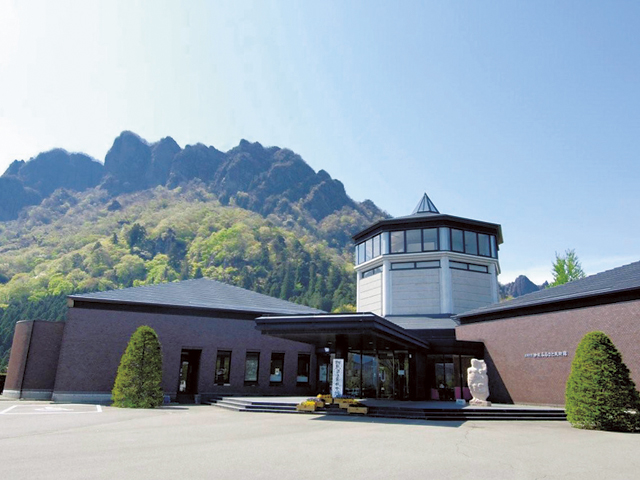
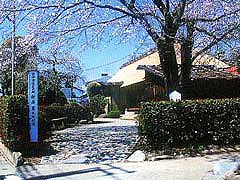
Tomioka City's Myōyi Hometown Museum

It is built against the backdrop of Mt. Myōyōsan, which is renowned as one of Japan's three great victories, and holds a permanent exhibition of the grand prize of the city's open call for "Painting of Mt. Myōyōsan", as well as his collection of works.

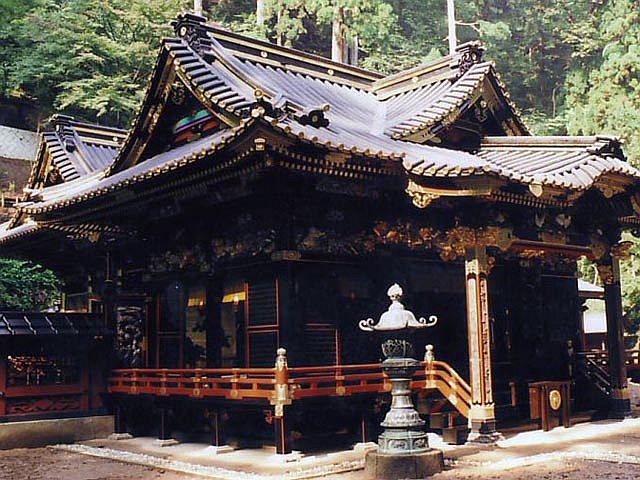
Myōyi Shrine

A shrine with a history of about 1500 years of its founding, built at the foot of Mount Hakuun-san, the main peak of Mt. Until the beginning of the Meiji era, he was also deeply worshiped by the Tokugawa family as a sacred place of the Myoshenzan faith. The headquarters of the black-lacquered copper-roofed Gonzo, built in the year 1756 (1756), and the copper-roofed Tangmen, Sōmon, are designated as national important cultural treasures. The elaborate and stunning sculptures, such as the dragon and phoenix applied to the building, reportedly came from the hands of an Edo sculptor.

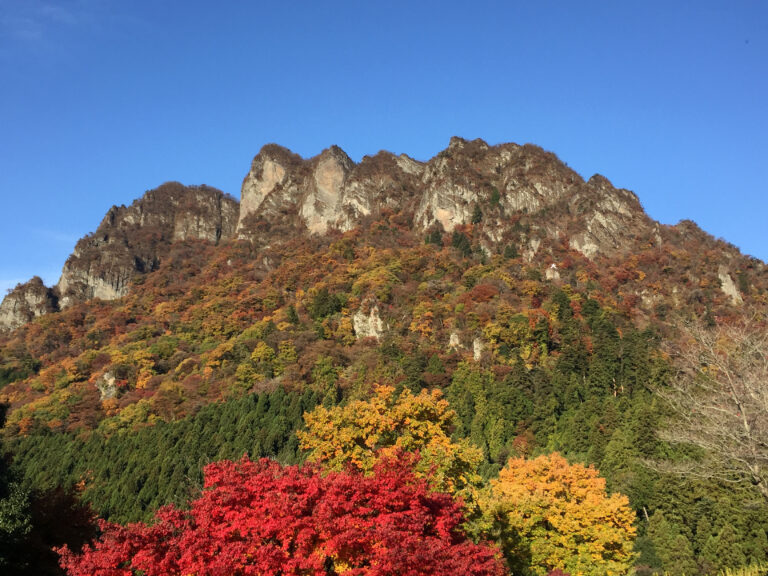
Mount Myōyōsan

Mount Myōyō is a generic name for Mount Hakuunzan, Mount Kindō [Kondozan], and Mount Kindō [Kinkeizan]. At an elevation of 1104m. The unique mountain range created by sheer rock formations and mysterious stones is known as one of Japan's three great victories, and it received the national name of victory in 1923. You can also enjoy cherry blossoms, fresh greens and autumn leaves, and they are also popular among climbers.

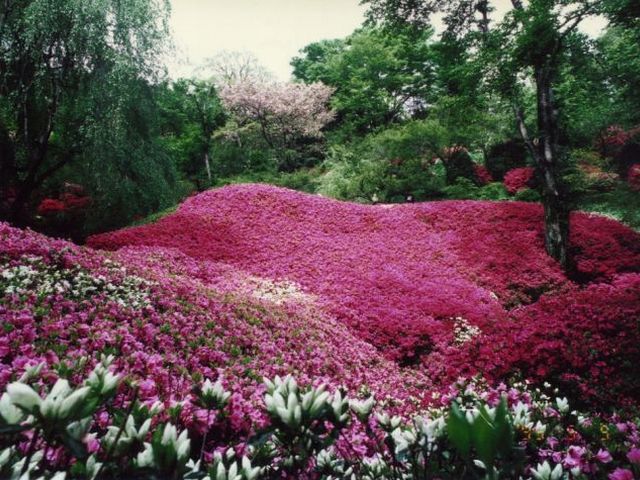
Crowd Flower Highlands

A flower garden that makes the natural topography alive, just west of the Autumn Bairin. Four seasons of flowers bloom on the 15,000 tsubo site. You can enjoy a variety of flowers until the end of May, starting with the red red plum that blooms from the cold months of December, including 200,000 narcissus and 30,000 azaleas.

Autumn Bairin

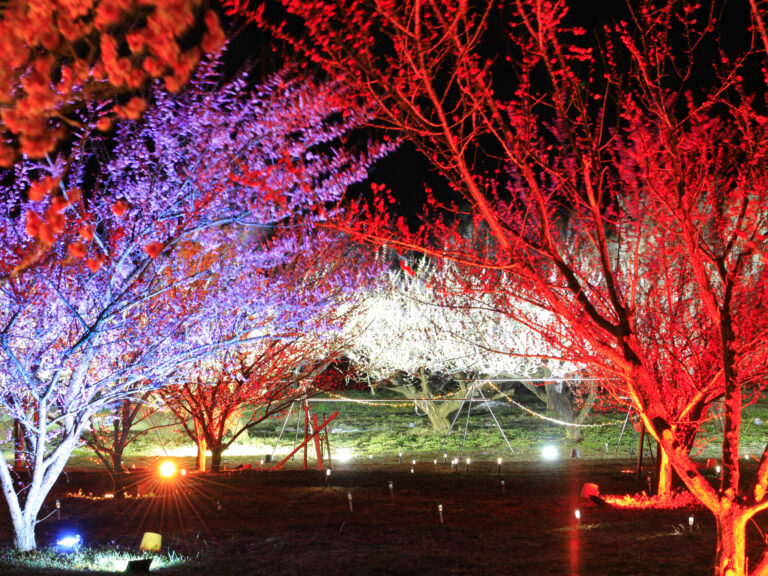
A plum forest spread in the mountains of the upper part of the Akuma River. During the flowering period from mid-February to late March, the whole surface of the white plum blooms and is wrapped in the scent of spring. There is also a promenade within the Bairin area where you can take a walk, and there is also a stand where you can enjoy local cuisine during the opening period. The festival of flowers and the exhibition of goods and products are mainly held on Saturday and Sunday. In addition, Umebayashi is lit up from 18 to 20 on Friday and Saturday. For car navigation use, search at 678-1 Nishigami Akima, Annaka City, Gunma Prefecture.

Hot water of grace

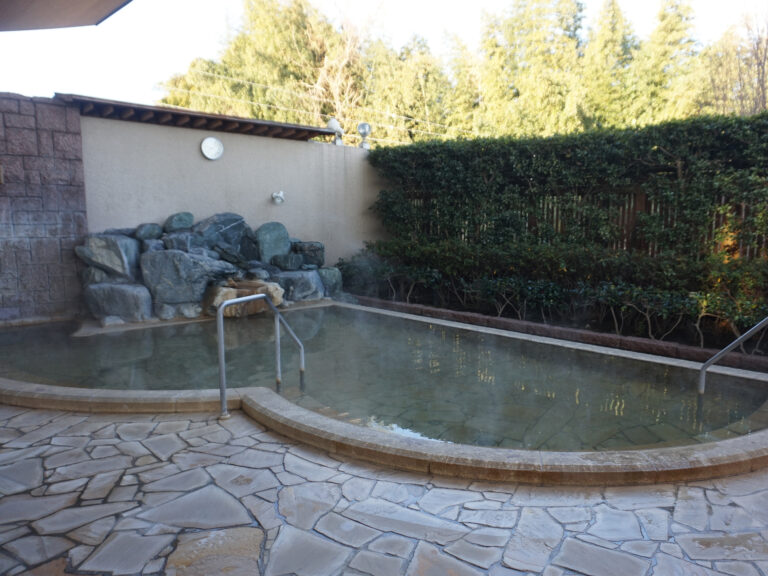
A municipal day hot spring facility that stands at the base of the Aizuma Bridge over the Usui River. There are two bathhouses with saunas and open-air baths, one with a Western style of stone and a Japanese style with a heavy use of cypresses, which change between men and women on a daily basis. In the spacious hall, there is a restaurant, a restaurant, a central hall, and a relaxing room. Another boast is a sand salt bath (2540 yen for 2 hours, with a separate entrance fee, and with an appointment), which is effective for dieting by increasing its natural healing properties, it is very well received by female customers.

Nagetsudo

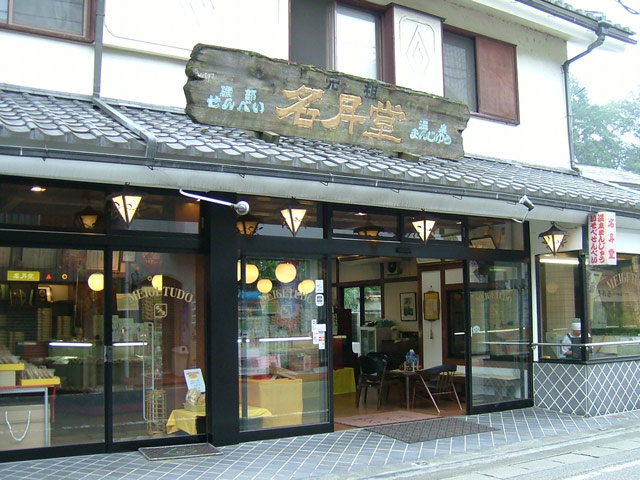
Isobe senmochi is made by kneading flour in a hot spring and baking with added sugar. There are many shops in the town of Isobe that bake this sento cake, but Nagetsu-do wants to value the old-fashioned taste, so it carefully selects raw materials and uses 100% of the flour from Gunma Prefecture. The soft-textured sento is like a Japanese-style wafer. From 972 yen in 12 bags in a box. 486 yen in bags such as miso, matcha, and peanut flavors. There is also a tea room, and you can enjoy it slowly with old records flowing in the room.

Hill of Iris

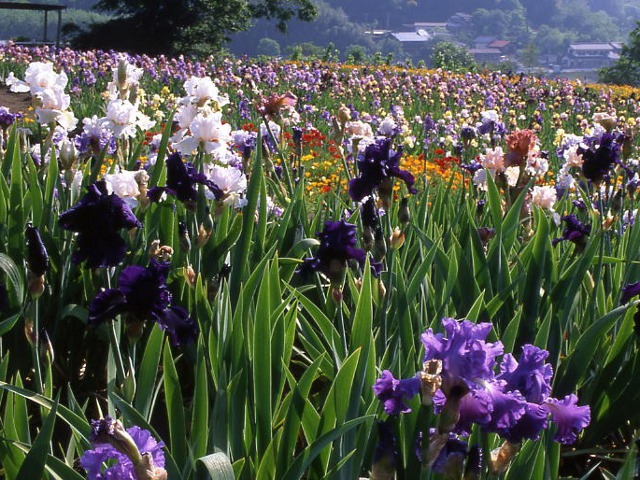
One hundred thousand German irises bloom on a small hill. In early May, purple, pink and yellow flowers bloom. There are also many original varieties of irises. You can see Hemerocallis from late June and dahlia from early September.

The old house of Xiang Xin

The house of Yukari Nishima, a Meiji-era educationist from Annaka Domain who founded Doshisha University, reunited with his parents in this area when he returned from the United States in 1874. The exhibition room displays photographs and materials.

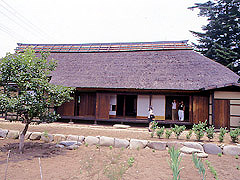
Former Annaka clan county magistrate's house

An Edo period building restored to the Annaka Castle site. The house of the county magistrate, who ruled the peasants in the territory, was restored in 1994 based on ancient documents, and the rooms and the upper row convey the atmosphere of the time. In the immediate vicinity, the samurai tenement, where the vassals lived, has also been restored. The total length of the four-house row house is about 47m. It takes 30 minutes.

Contact Us: Business & Personal Inquiries

By proceeding, you agree to our Terms of Use And confirm you have read our Privacy Policy .

Notes

· We are available for inquiries 24 hours a day. Responses will be provided between 9:00 and 18:00 (including weekends, public holidays, and year-end/New Year holidays).
· Depending on the nature of your inquiry, it may take some time for us to respond.