Wakayama Electric Railway Kishigawa Line (Tama Train)

Wakayama Electric Railway Kishigawa Line

Info

Departing from Platform 9 at JR Wakayama Station
30 cars / (200 yen per day) Itakiso Station front parking lot

Business Hours

Business hours: Itakiso Station (Headquarters): 9:00 AM - 5:30 PM

Spot Category

Tourist Railway Cable Car Torco

Wakayama Electric Railway is a railway company operating the Kishigawa Line. This Kishigawa Line is a local line connecting Wakayama Station to Kishi Station, characterized by its unique trains. The Tama Train, Tama Train Museum Train, Strawberry Train, and Ume Star Train are in operation. The terminal station, Kishi Station, is famous for its cute station building themed around cats, and the cat stationmaster is popular.
Currently, Yontama Stationmaster is on duty (Yontama is off on Wednesdays and Thursdays, with Rokutama working in their place), attracting many tourists.
Additionally, at Itakiso Station, "Gotama" and "Rokutama" take turns working. Along the line, there are three historically significant shrines—Higashimachi Shrine, Kamoyama Shrine, and Itakiso Shrine—where you can feel the local faith and culture.
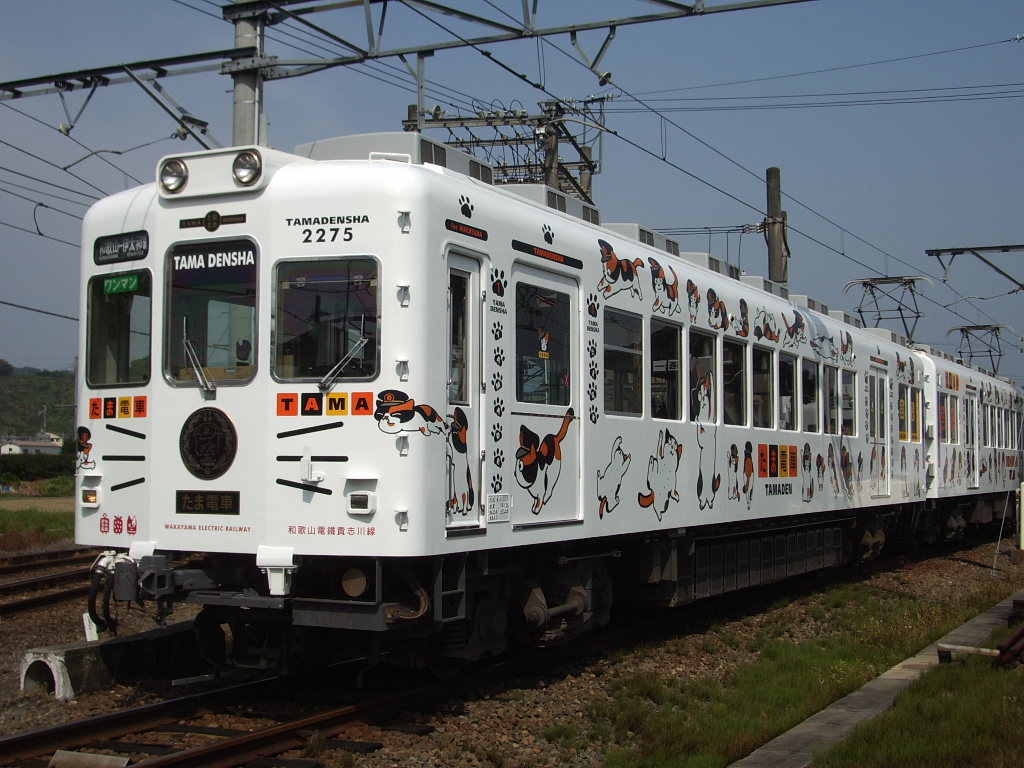
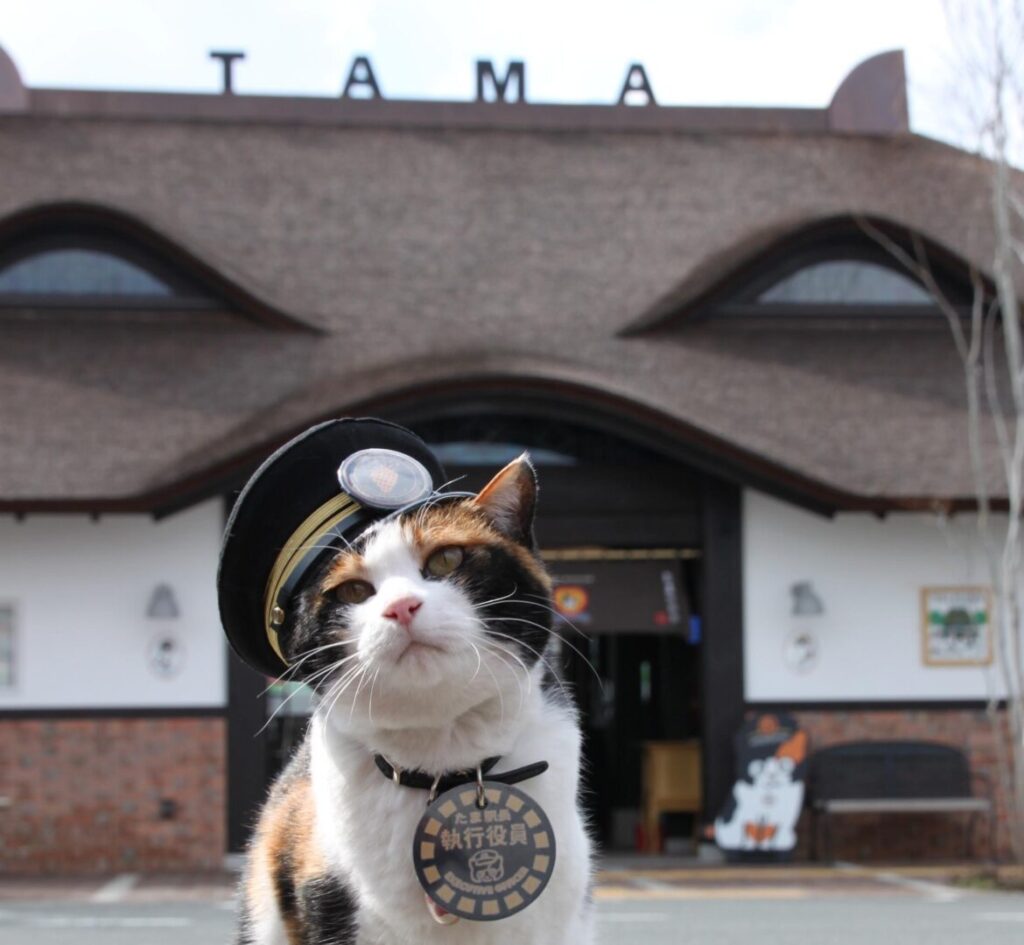
Tama Train
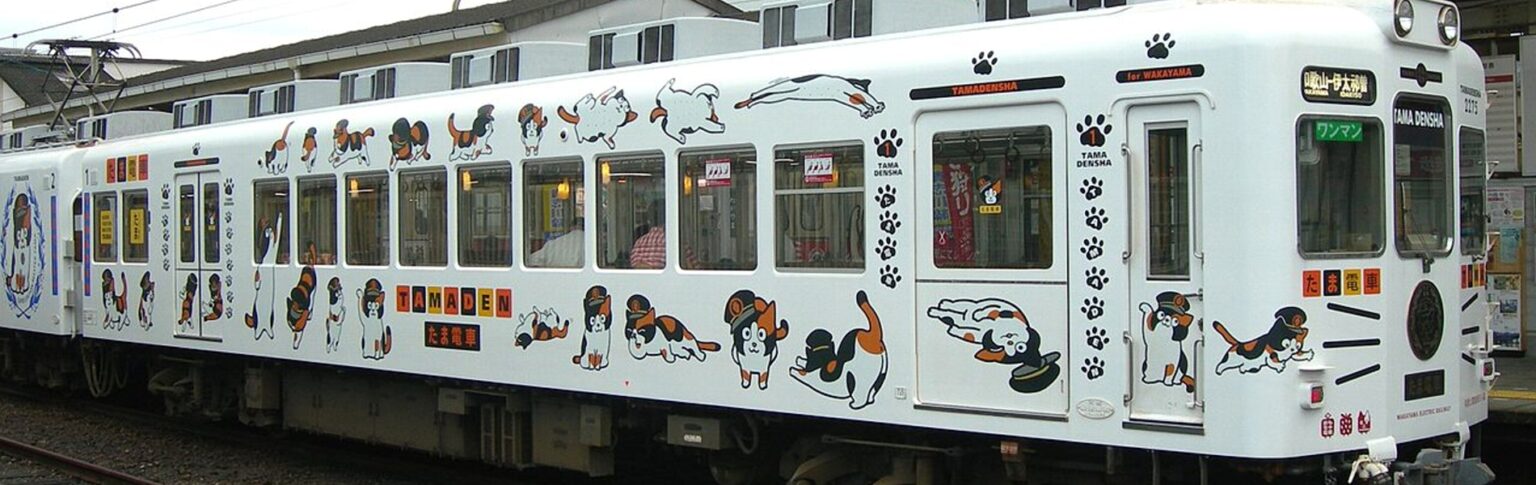
This train is modeled after "Tama Stationmaster," a representative working cat of Japan who became a super stationmaster in 2008. The train features 101 Tama Stationmasters running and lounging around, with an exterior that is so cute it brings smiles just by looking at it.

Tama Train Museum Train
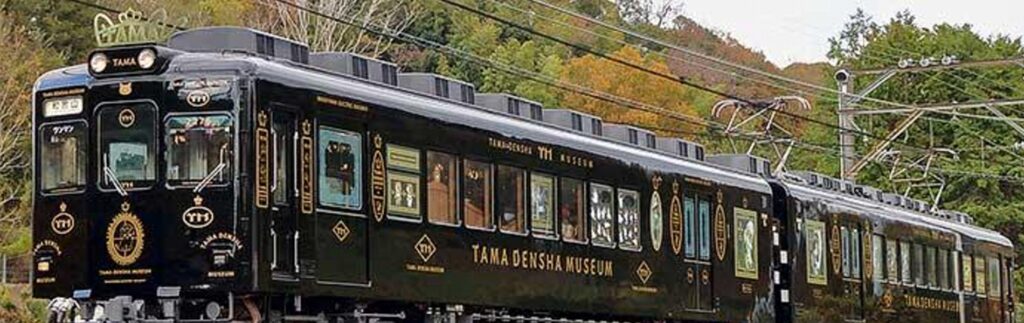
The concept is "a cat train like no other." It is imagined as the home where the first Tama lives surrounded by Nitama, Yontama, and many fans and children. The design, which embodies the desire of "Tama" and friends to spend a slow and happy time together, is a luxurious train filled with cats visible from every angle, from floor to ceiling.

Strawberry Train
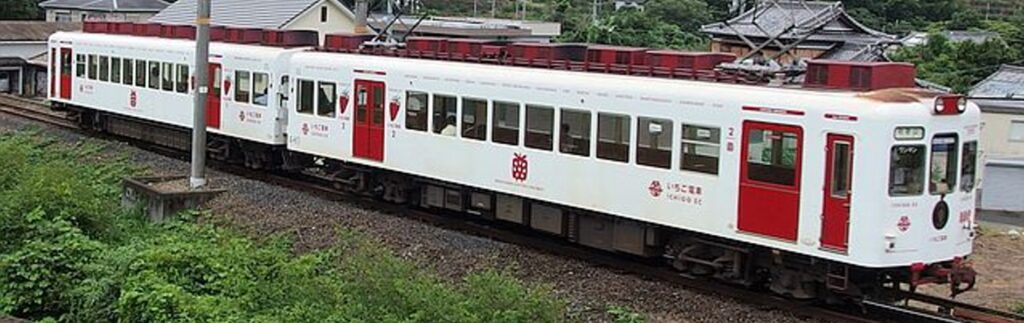
This stylish train is inspired by strawberries, a specialty of the area around Kishi Station, featuring a white body with red doors and logo accents. The use of natural wood for the floor, benches, service counter, tables, accessible corner, roll blinds, and hanging handles creates a comfortable interior.

Ume Star Train
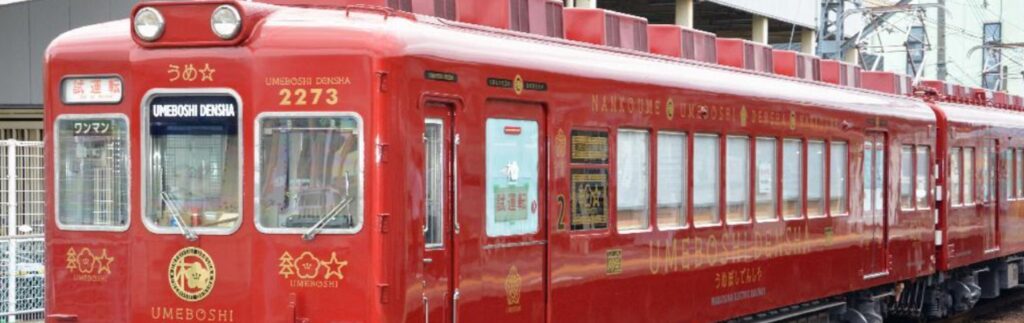
This train, overflowing with a Japanese taste, is inspired by Wakayama's representative specialty, the world's best plum, "Nanko Ume." Its metallic exterior shines in a vivid reddish-purple, while the interior features washi paper and wooden ceilings, with traditional kumiko work, creating a luxurious finish with a pleasant scent of wood.

*It takes about 30 minutes from JR Wakayama Station (Platform 9) to Kishi Station.
*There is no parking at Kishi Station, so please use the train when you visit.
*For detailed information on train schedules and stationmaster duty status, please visit the Wakayama Electric Railway website.和歌山電鐵ホームページをご覧ください。
Note
This content uses automatic translation services. Automatic translations may not always be accurate.
Please note that the translated content may differ from the original meaning. We ask for your understanding when using this content.

Related Spots

Kuroshio Market

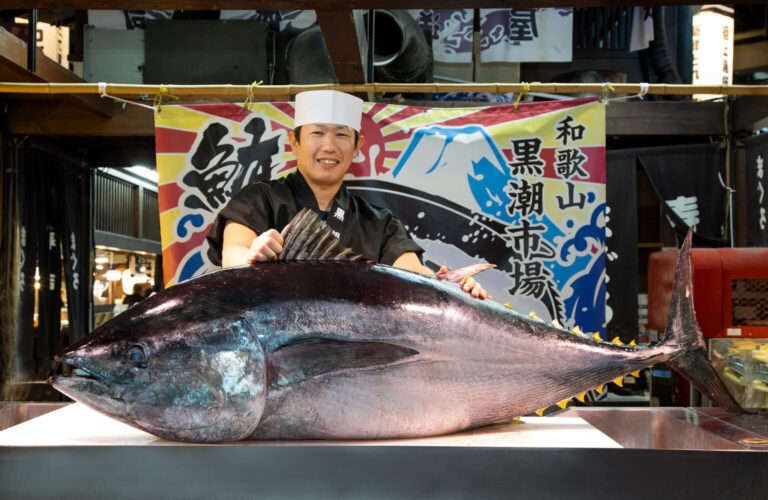
You can enjoy food and shopping in the market facilities where you can enjoy a wide range of seafood such as sushi, barbecue, and dried fish. It consists of three areas: a market zone, a goods sales zone, and a food and beverage zone, and admission is free via Kansai International Airport.

Wakayama Castle

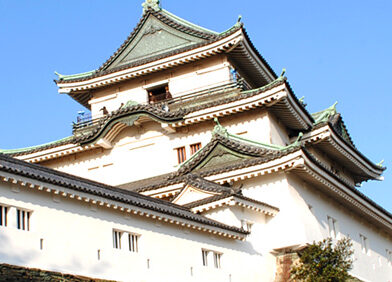
A historic castle that flourished as the residence of the Tokugawa family in the center of Wakayama City 1. The magnificent castle tower and the historic tower tower towering Mount Torafusu, which is rich in history, once ruled Japan.

Streetscape of Saikazaki

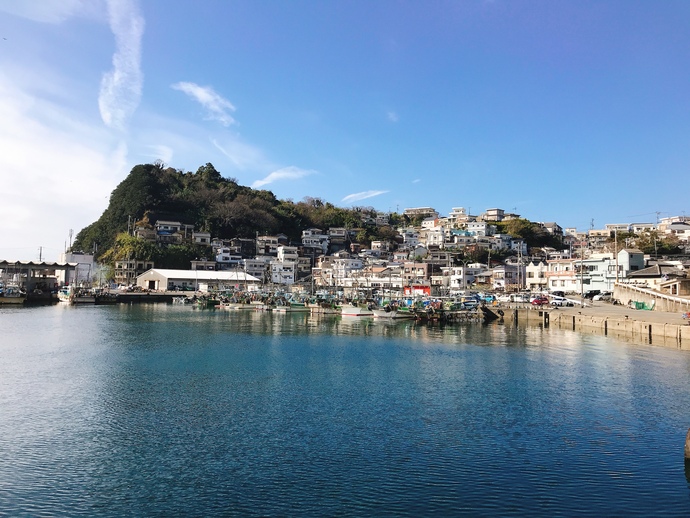
The Japanese heritage "Treasure House of Scenic Beauty Wakanoura" includes Saikazaki. Houses line the slopes along the coastline.

Tokoji Temple

A Tendai sect temple located by the banks of the Yunotani River. The main deity, the seated statue of Yakushi Nyorai, is 3 meters tall and has accumulated hot spring deposits over many years, solidifying into stone. In the past, hot spring water gushed from its left chest, leading to the affectionate name "Yunomune Yakushi," which later evolved into "Yunomine."

Muryouji

A temple of the Rinzai sect, Tofukuji school, founded by the master Kokan. In the 6th year of Tenmei (1786), when the temple was severely damaged by a tsunami, the monk Gukai rebuilt it, and his friend, the painter Maruyama Okyo, painted the sliding door paintings for the main hall as a celebration of the reconstruction, which were delivered to the temple by his disciple Nagasawa Rosetsu. During his stay at this temple, Rosetsu also left behind many fusuma paintings, which is why Muryouji is also called "Rosetsu Temple."

Maruyama Park

It is located on a hill on the north side of Hashimoto Station, overlooking the city area of Hashimoto. It is also famous as a cherry blossom spot. In addition, the Ryōzan [Misasagiyama] burial mound in the garden is a 45m diameter circle with a 6m wide moat around it, and boasts the largest in Wakayama Prefecture.

Contact Us: Business & Personal Inquiries

By proceeding, you agree to our Terms of Use And confirm you have read our Privacy Policy .

Notes

· We are available for inquiries 24 hours a day. Responses will be provided between 9:00 and 18:00 (including weekends, public holidays, and year-end/New Year holidays).
· Depending on the nature of your inquiry, it may take some time for us to respond.

RURUBU & ALL WAY JAPAN
Privacy Overview

This website uses cookies so that we can provide you with the best user experience possible. Cookie information is stored in your browser and performs functions such as recognising you when you return to our website and helping our team to understand which sections of the website you find most interesting and useful.