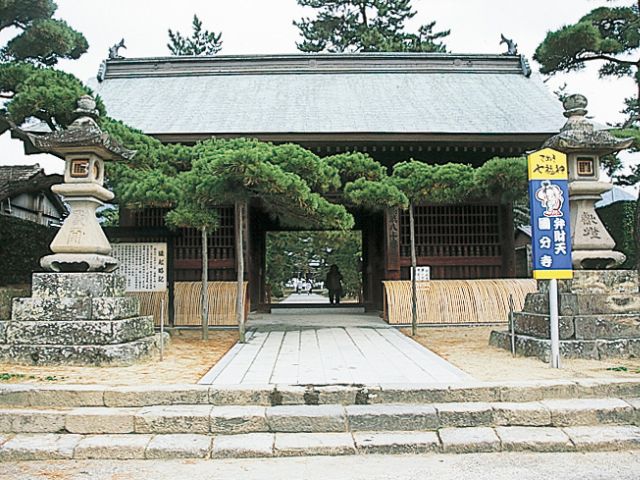
Kozan Temple

Kozan Temple

Info

40-minute walk from JR Zentsuji Station, or a 10-minute drive.
6 km, 10 minutes from the Takamatsu-Dozan-Tokushima IC.
50 cars / light and regular vehicles 200 yen, buses 500 yen

Business Hours

8 ~ 17 o'clock

Price

Precinct Freedom

Spot Category

Shrines・Temples・Churches


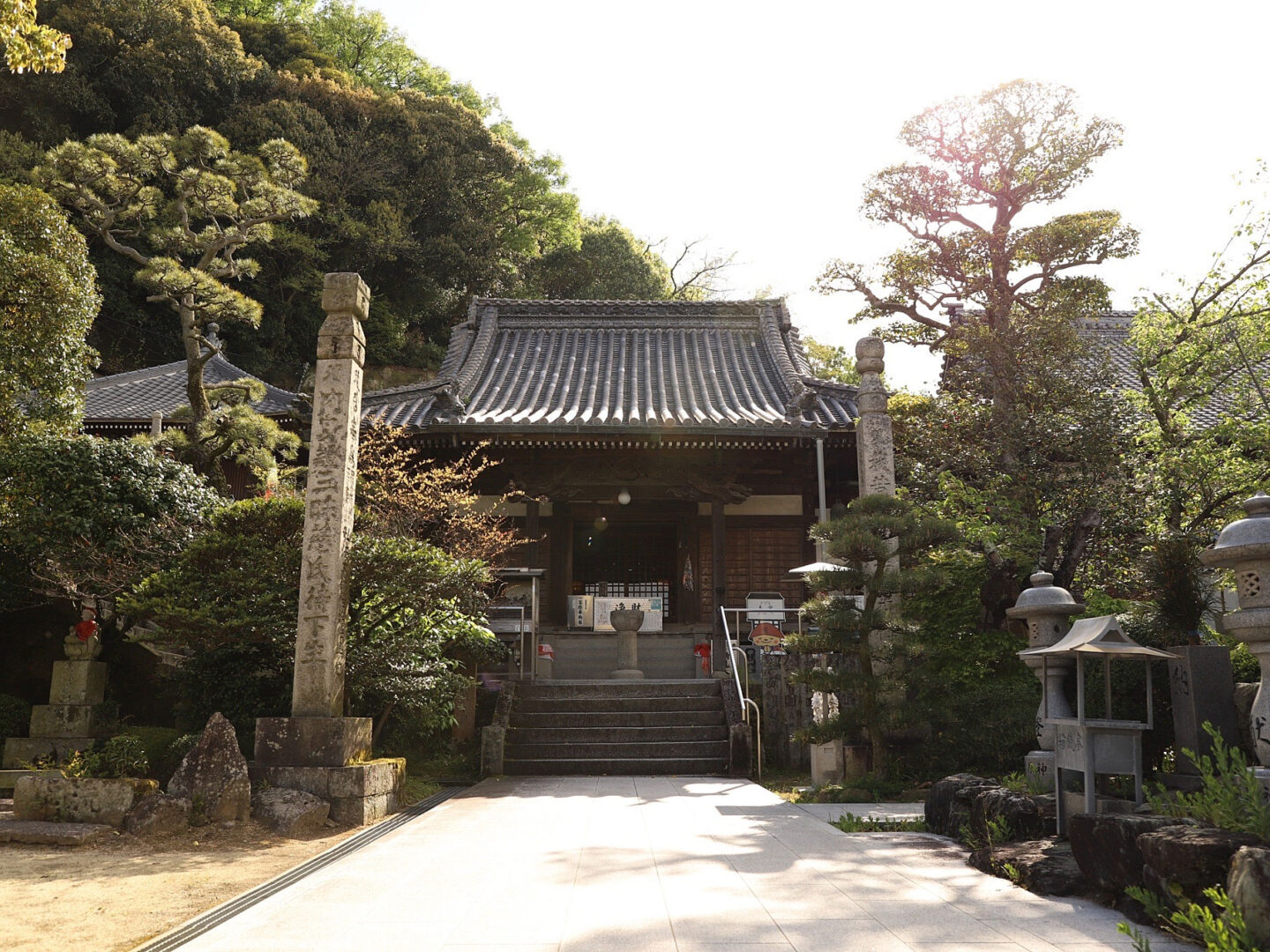
The current main hall was built in the first year of the Kyōhō era. The statue of Yakushi Nyorai is carved from a single piece of fat pine by Kōbō Daishi. Its heavy appearance and tight expression are impressive.
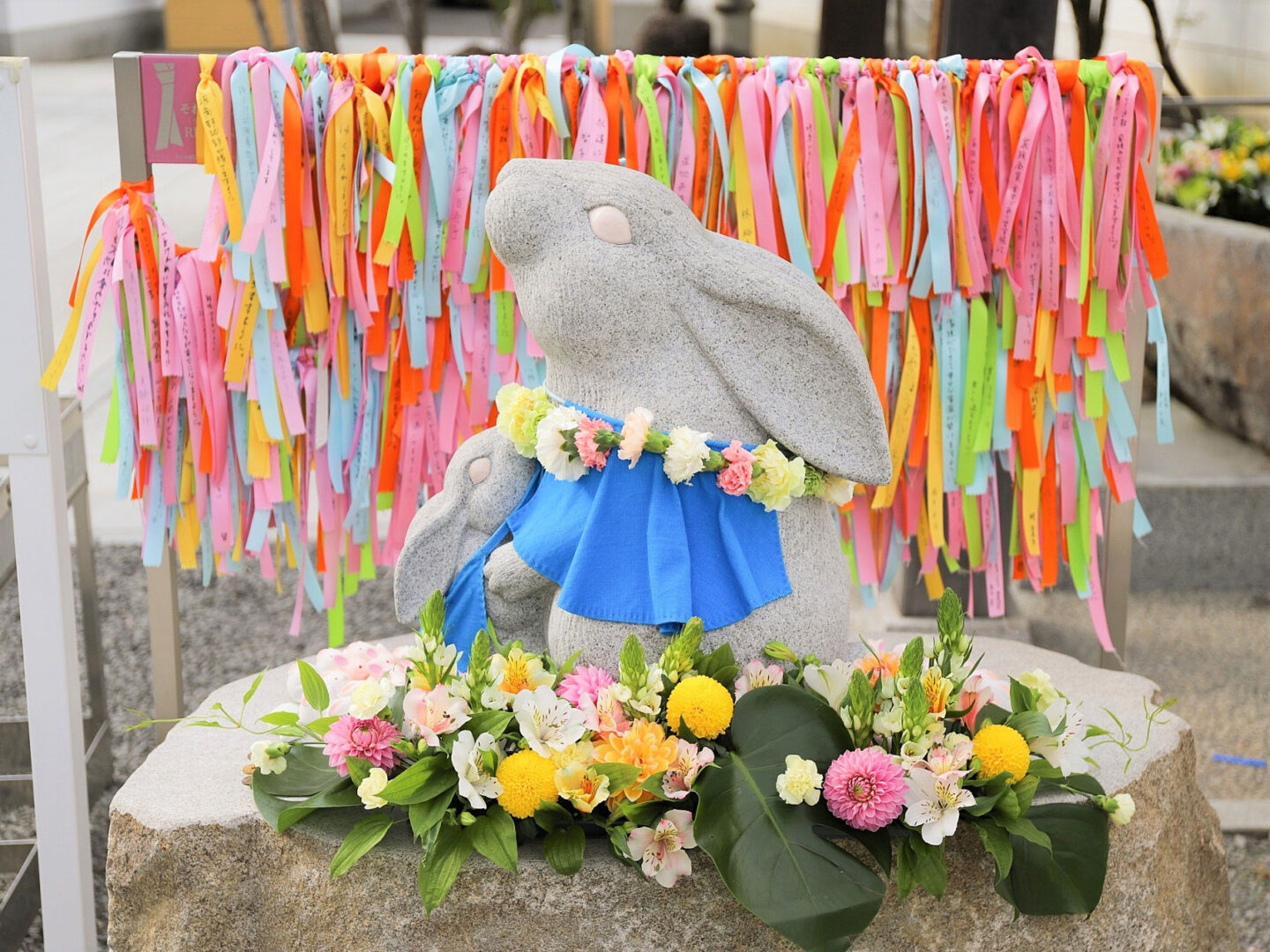

Sixteen rabbits welcome visitors. Fourteen rabbits are on the roof tiles, watching over worshippers, while two parent and child rabbits can be petted during prayers.
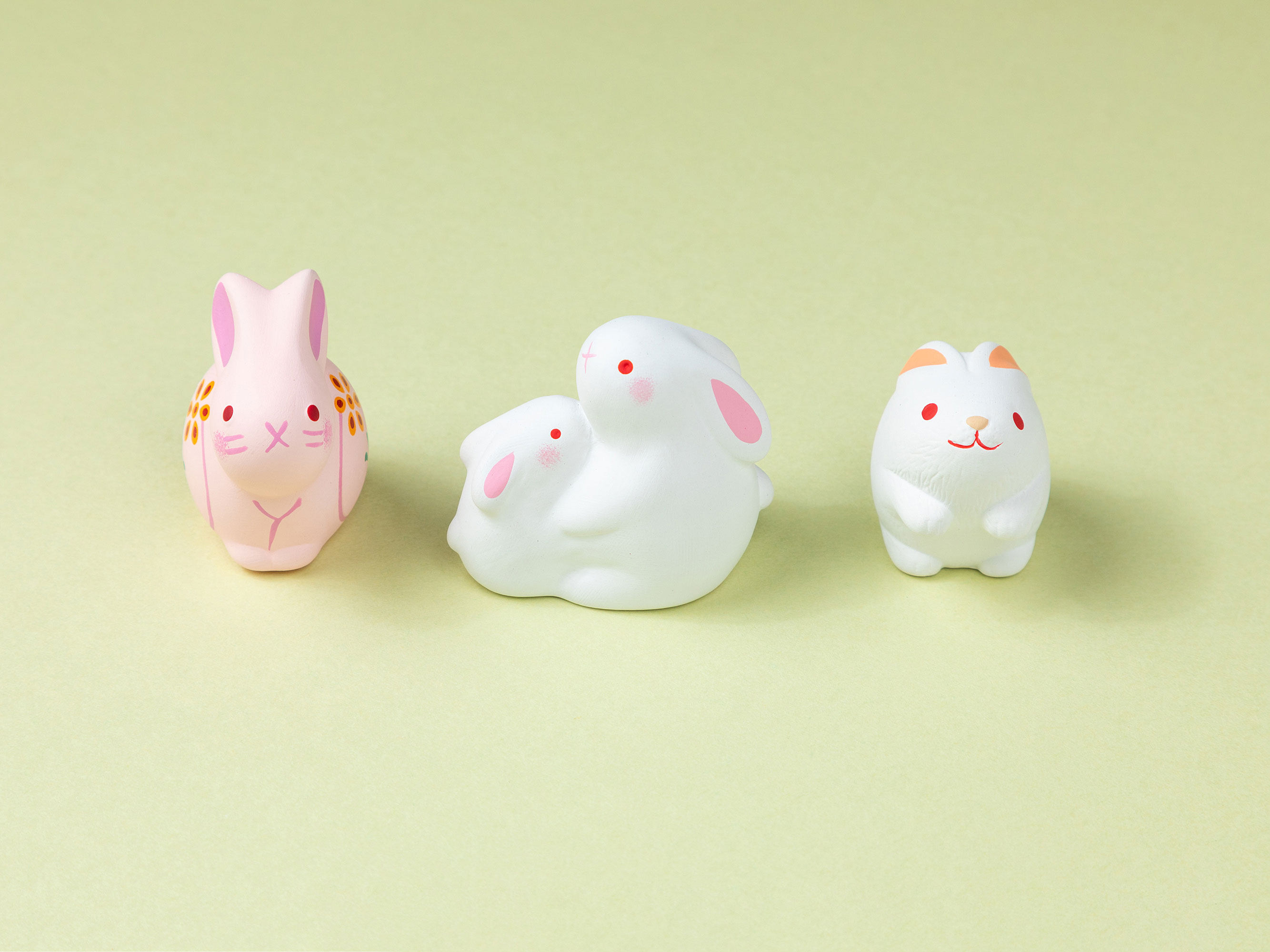

There are three types of ceramic rabbit omikuji. The parent and child rabbit in the middle is just like the rabbit stone statue that greets you as you pass through the mountain gate.
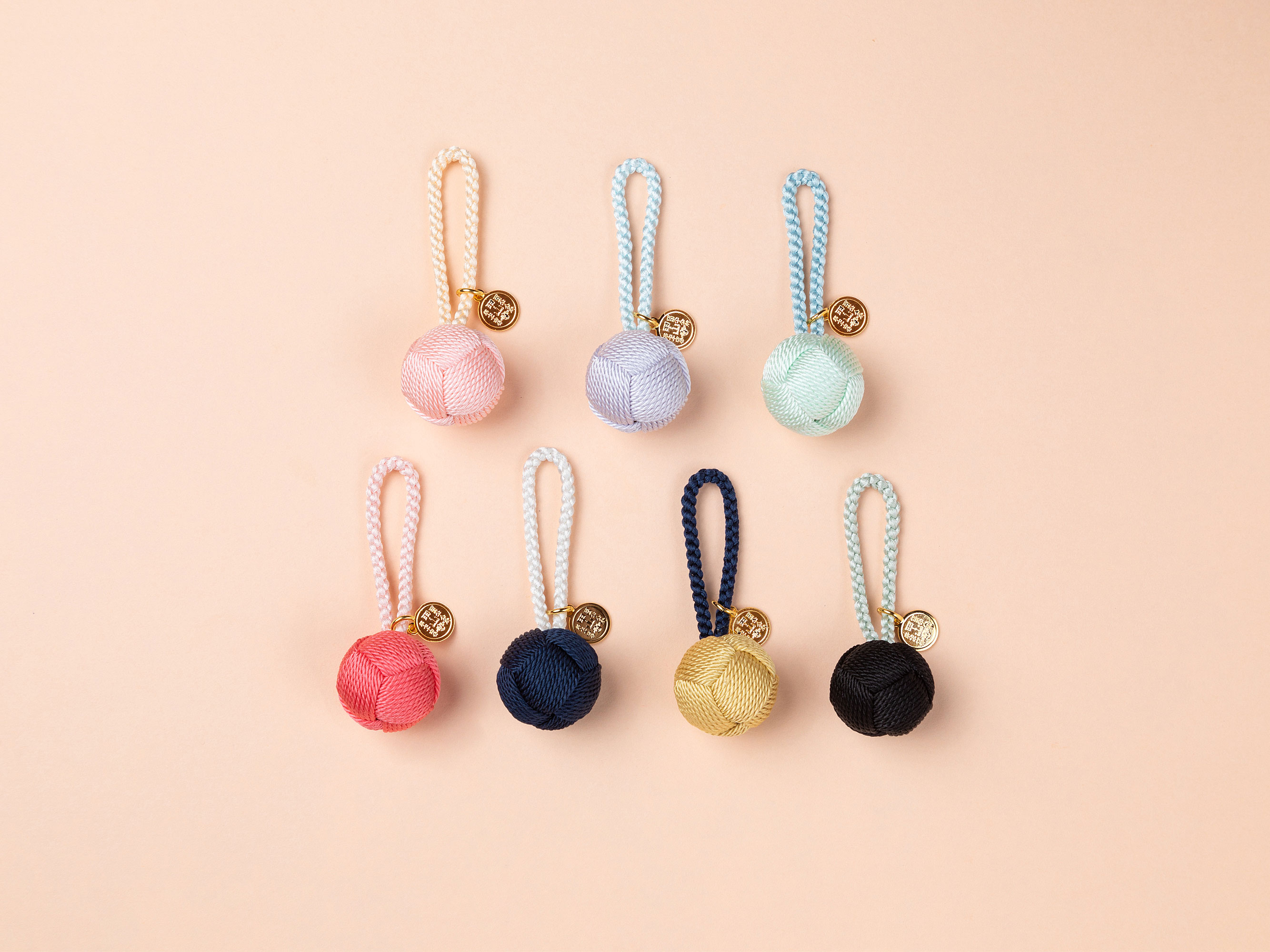

Tsukimori, which allows you to receive the power of the moon from the Moonlight Bodhisattva. A golden plate with a rabbit engraving brings good fortune.
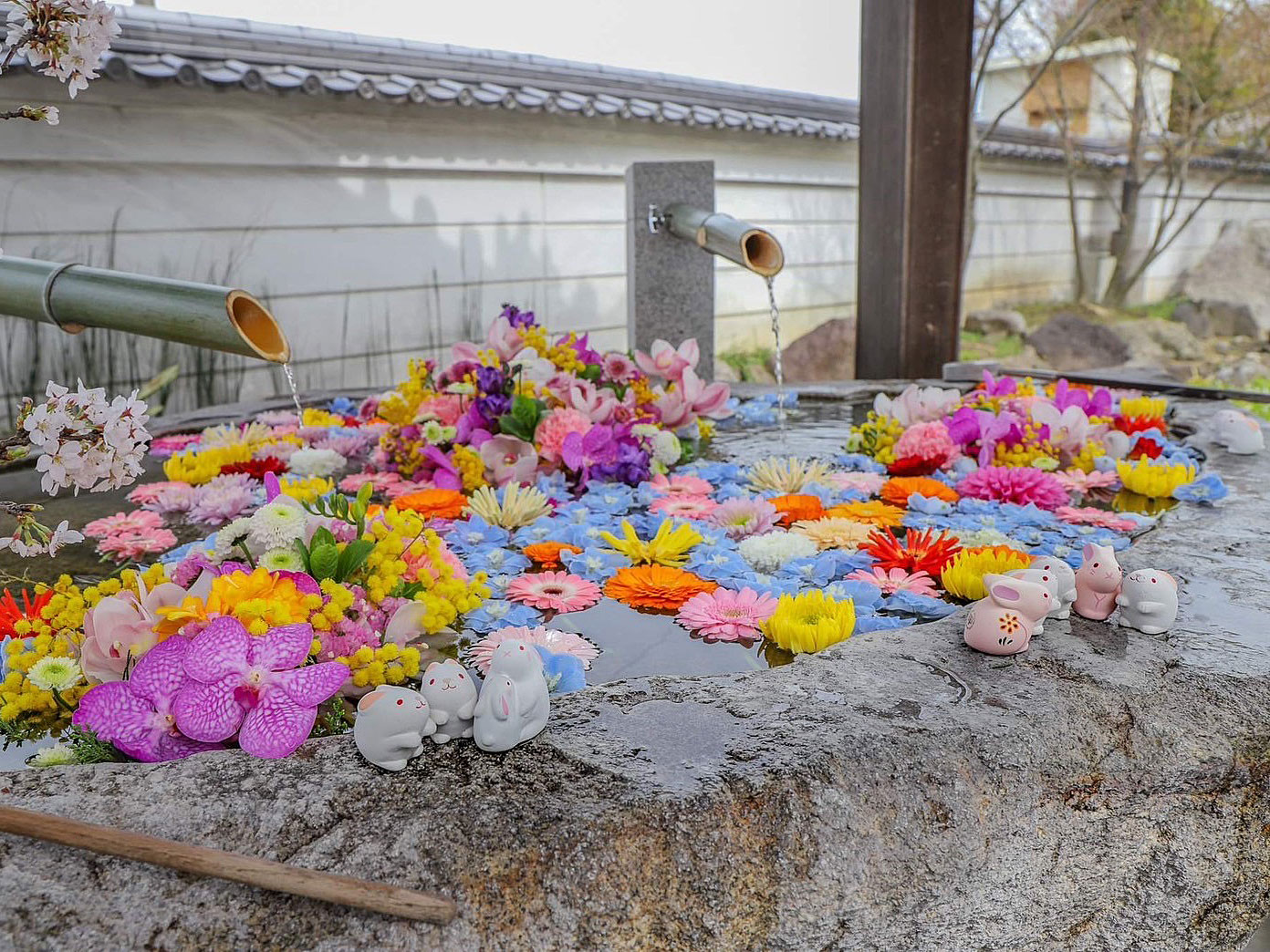

The flower water ceremony is held three times a year: in April to celebrate the birth of Buddha, in November for Shichi-Go-San, and from the end of December to celebrate the New Year.
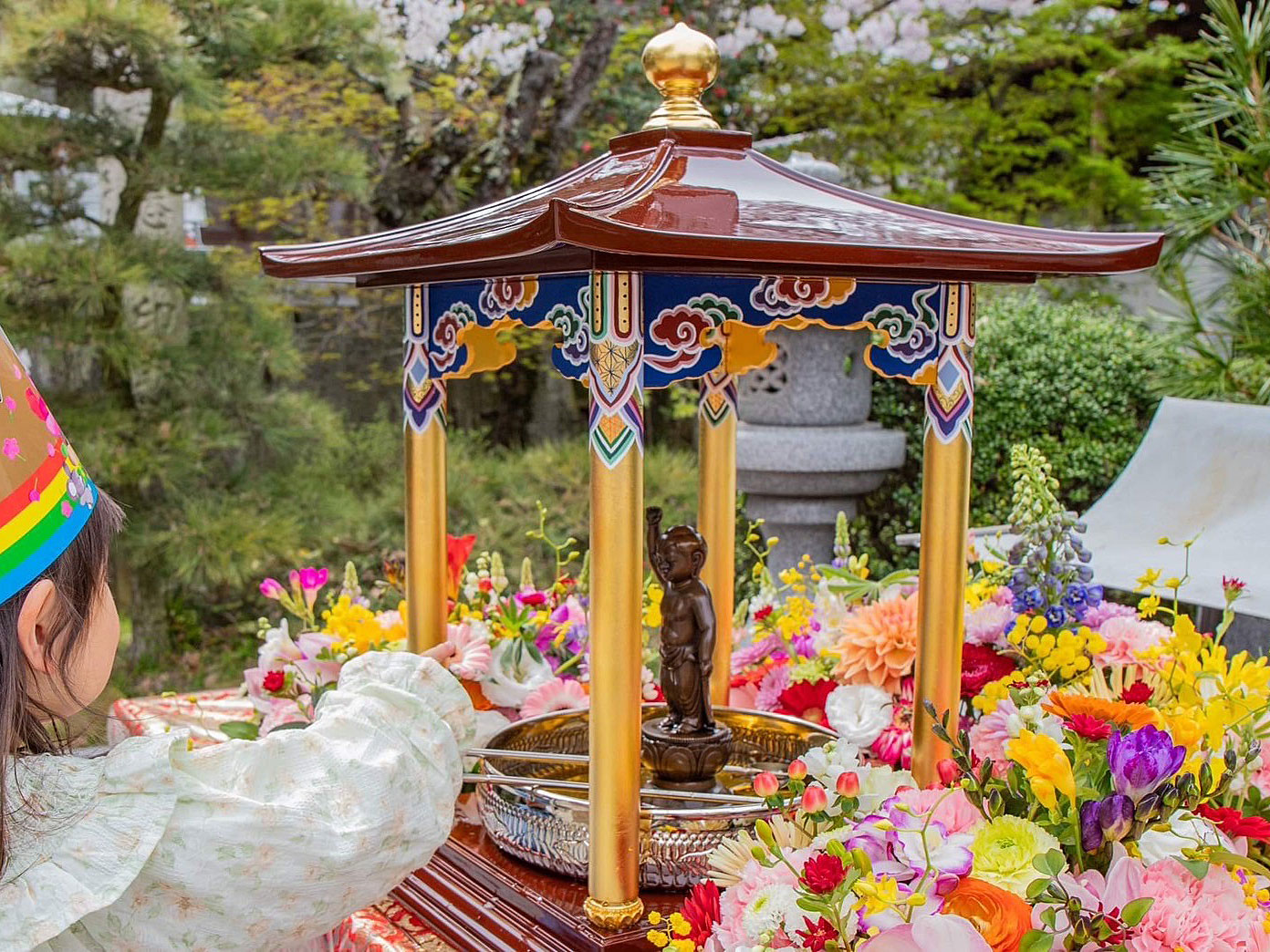

The flower festival celebrating the birth of Buddha. Sweet tea is poured over the birth statue. There is a sweet tea reception, and it is said that drinking it allows one to live free from illness and disaster.

The information provided reflects the details available at the time of the survey.
Please note that facility details may change due to the facility’s circumstances, so please check for the latest information before visiting. This content has been translated using machine translation.

Information provided by: JTB Publishing

This content uses automatic translation services. Automatic translations may not always be accurate.
Please note that the translated content may differ from the original meaning. We ask for your understanding when using this content.
Related Spots

Kumaoka Confectionery Store

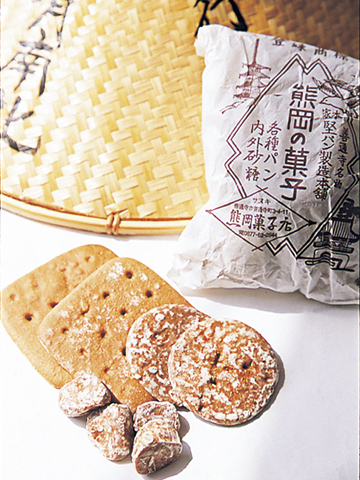
It is a long-established company in the year of the Meiji 29 (1896), and sells old-fashioned homemade cata bread near the Ninjon Gate at Zentji Temple. The unique taste and texture made by hand are secret. There are five types of katapan is hard enough to bite. Ginger sugar to taste. 20 yen to 300 yen of katapan with a diameter of about 22 to 23cm.

Moxibustion Museum

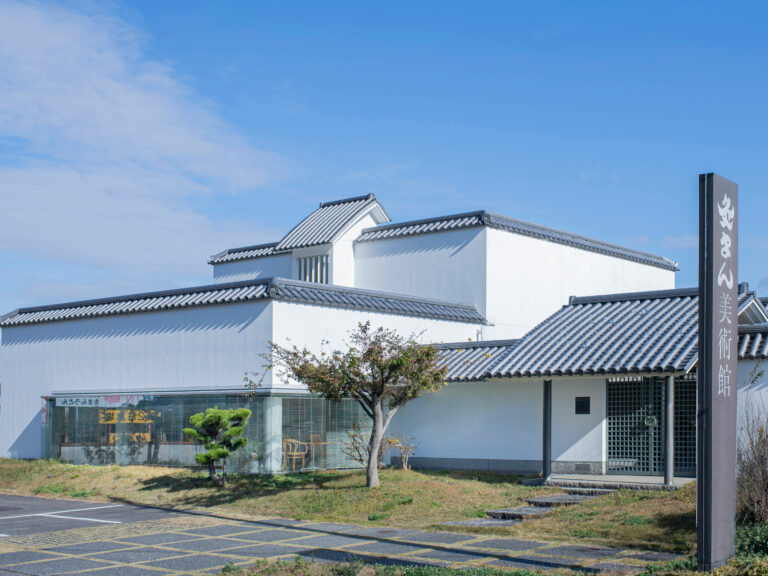
A museum showcasing the works of multi-creator Kunibo Wada (1899-1992) from Kotohira Town. It introduces his diverse activities as a political cartoonist, novelist, designer, and painter through special exhibitions (1-2 times a year; closed during exhibition changes). There is also a sale of the local specialty "Kyuman," produced by Kunibo. A café and rental gallery are also available. *The special exhibition room has stairs and is not barrier-free. However, the café and rental gallery are flat spaces, allowing access for wheelchairs and strollers.

Former Zentsuji Kairyosha

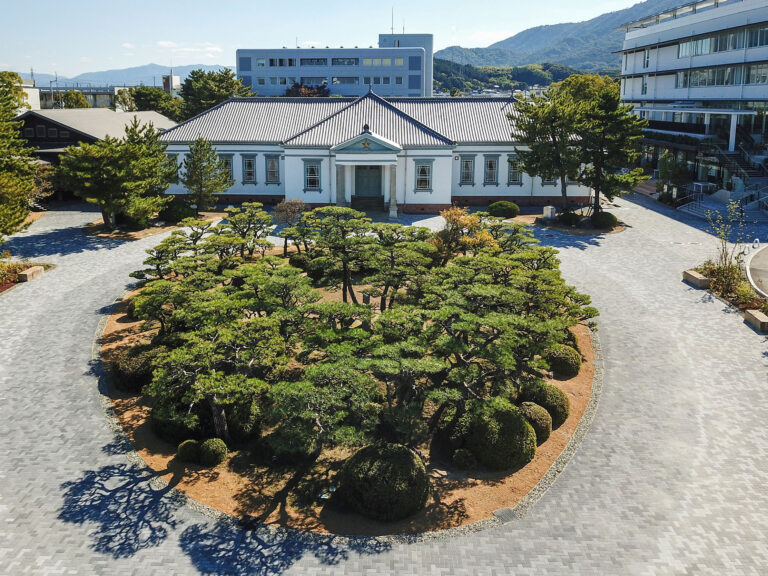
Completed in 1903 (Meiji 36). Originally a social venue for officers of the 11th Division of the Army. It is a single-story wooden building with a simple Renaissance-style exterior. Designated as an Important Cultural Property by the national government in 2001 (Heisei 13). Preservation and repair work was carried out from 2004 (Heisei 16) to 2007 (Heisei 19), and it is now open to the public. It serves as a rental venue for social gatherings for the citizens of Zentsuji, available for weddings and receptions. An attached building next door houses a café.

Hotaru View Park

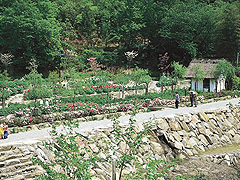
In order to protect the "Manno Botaru", a type of Minamoto Botaru, which inhabits the area around Manen Pond, and to observe its appearance, it was maintained just below the Manen Pond embankment. You can enjoy seasonal flowers such as cherry blossoms, buttons, soy sauce, hydrangea, and azalea. As you go along the promenade that leads to Manan Pond, you can see the Manan Pond, registered Tangible Cultural Property of the Agency for Cultural Affairs.

Falls of fixed

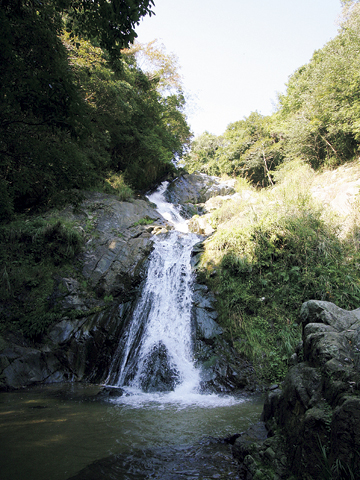
A waterfall derived from the legend that Fudō Myōō appeared during the training of the Hiroho Daishi; it is about 40m high and is also referred to as a five-fold waterfall because of its shape.

Kokubunji Temple

In Tenpō 13 (741), the temple that Gyoki was opened by the Imperial Court of Emperor Shōmu. It is the 80th place of Shikoku Reiba. The area was designated as a National Special Historic Site, and the foundation stone of the Seven-storied Pagoda and the Kintō remain on the way from the Innongmen to the main hall (Important Cultural Property). I would also like to see the remains of the site of the Sanuki Kokubunji temple, which was maintained behind the temple, and the restored house.

Contact Us: Business & Personal Inquiries

By proceeding, you agree to our Terms of Use And confirm you have read our Privacy Policy .

Notes

· We are available for inquiries 24 hours a day. Responses will be provided between 9:00 and 18:00 (including weekends, public holidays, and year-end/New Year holidays).
· Depending on the nature of your inquiry, it may take some time for us to respond.

RURUBU & ALL WAY JAPAN
Privacy Overview

This website uses cookies so that we can provide you with the best user experience possible. Cookie information is stored in your browser and performs functions such as recognising you when you return to our website and helping our team to understand which sections of the website you find most interesting and useful.