English
  Japanese
  Chinese (China)
  Chinese (Taiwan)
  Korean
Kanagawa Prefecture, which is close to Tokyo and is rich in nature surrounded by mountains and the sea, has a lot of local ingredients and local gourmet! In this article, we introduce two locally loved products from the selected items that have been selected as "Kanagawa's 100 Specialties".
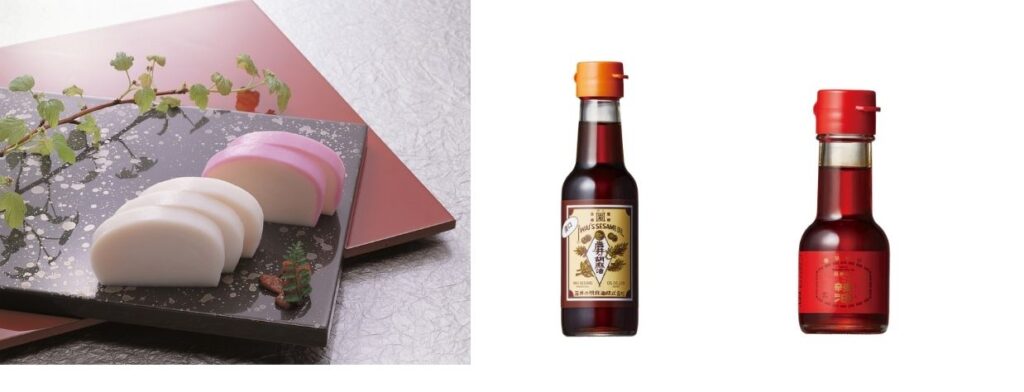
[1] Kamaboko of Odawara
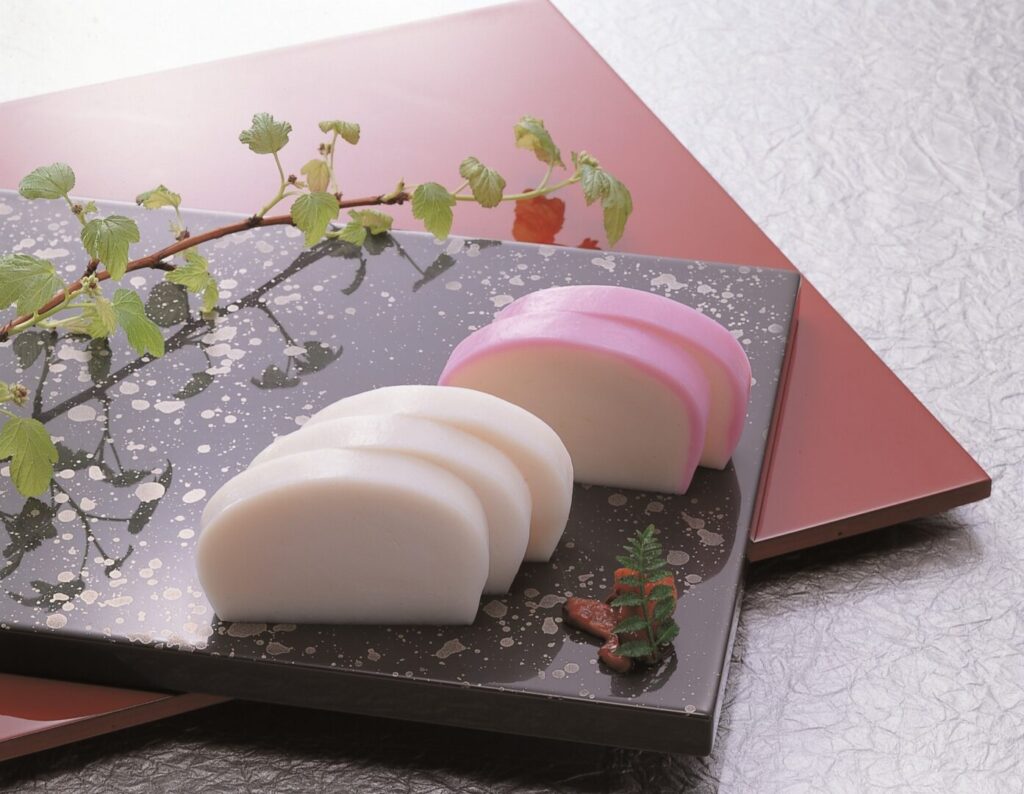
Kamaboko has a long history, dating back to the 3rd century, when Empress Jingu would put mashed fish meat on the tip of a spear, grill it, and eat it.There are various theories, but it is said that kamaboko production became popular in Odawara 220 years ago.Odawara has long been a thriving coastal fishing area, producing an abundance of fish. Odawara kamaboko was created as a way to preserve and use these fish.Odawara kamaboko, known for its springy texture, has been passed down since the Edo period and its taste and texture have remained unchanged, making it a taste that can still be described as "this is Odawara kamaboko."In Odawara, local companies that carry on these traditions and techniques continue to produce exquisite kamaboko.
■ Suzuhiro Kamaboko Main Store
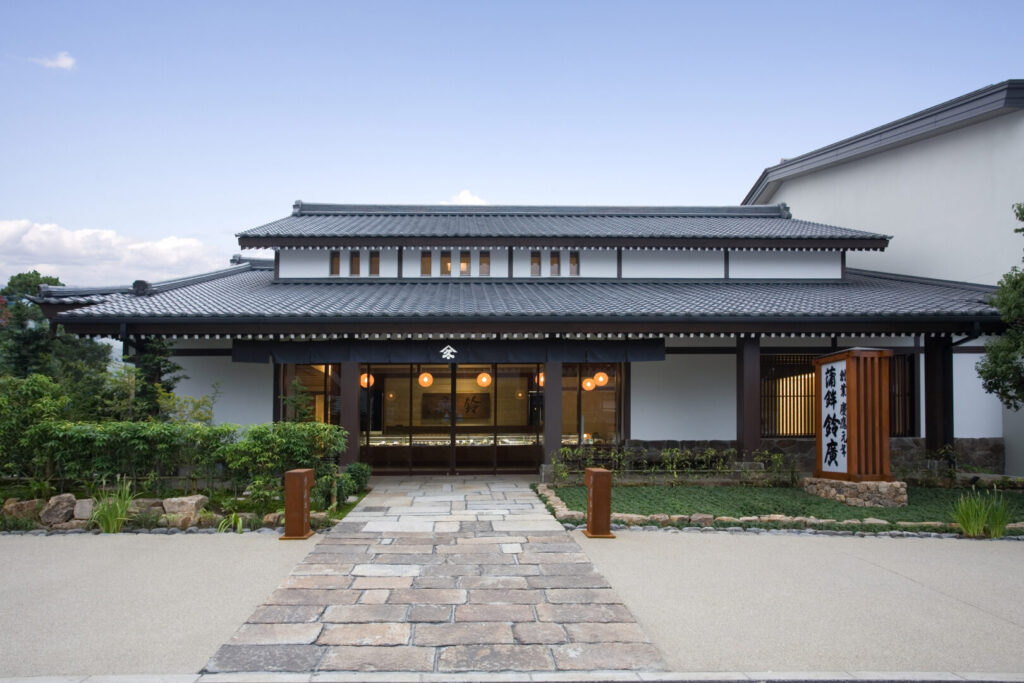
Suzuhiro, synonymous with Odawara kamaboko, has a long history, having been founded in 1865 (the first year of the Keio era). Its history began when Murataya Suzuki Gon'emon, the fourth generation of a fishing merchant, began manufacturing kamaboko as a side business in addition to his main business. When the store moved to Sendo-koji (Honmachi) in 1880 during the mid-Meiji period, he made kamaboko manufacturing his main business and changed the store name to "Suzuhiro."
Besides the famous board kamaboko, the company manufactures and sells a wide variety of products, including chikuwa, I'atmaki, and fried kamaboko. Without resorting to preservatives, it uses only a selection of fresh, natural fish and seasonings, and colors of natural origin, and makes kamaboko that makes use of the character of the material, unchanged from the time of its founding.
The secret to its deliciousness lies not only in the carefully selected ingredients, but also in the skilled techniques of the kamaboko artisans.Kamaboko is made from three layers of paste - "hiki-okoshi," "naka-gake," and "uwa-gake" - when the fish paste is applied to the board, and is a delicate food whose taste and texture change depending on how the paste is layered.The temperature is changed depending on the temperature and humidity of the day, as well as the condition of the paste, and the kamaboko is carefully steamed.
The kamaboko made with rich colors is a gem. The kamaboko of Suzu Hori, which has a supple elasticity and the original flavor of the material, is recommended for souvenirs for loved ones.
Address: Odawara City Kazamatsuri 245
Phone: 0120-07-4547
Opening hours: 9-18
Closed: January 1st
Parking: 300 cars
Odawara Suzuhiro Kamaboko homepage
■ Suzuhiro Kamaboko no Sato
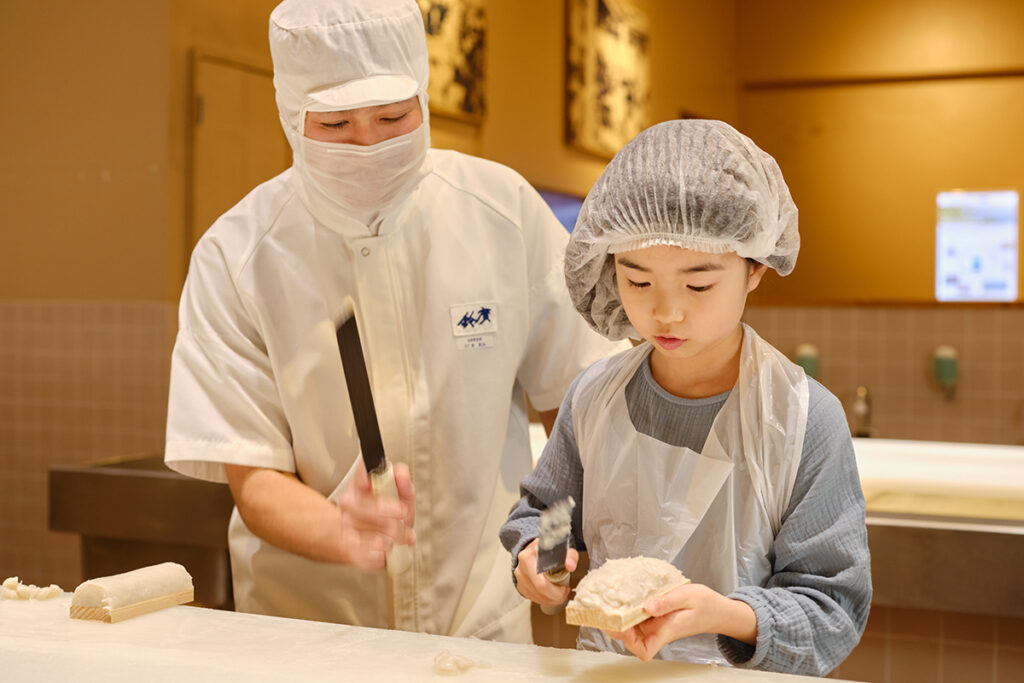
"Suzuhiro Kamaboko no Sato" is located next to the road with the main branch of Suzuhiro and "Suzunari Market". In addition to Suzuhiro's kamaboko, there are also eateries and cafes with different tastes, such as "Suzunari Market" where you can buy a variety of local products such as dried and fried foods, confectionery and sundries, and so on.
"Eren-na-gosso," meaning "various delicacies," is a buffet restaurant where you can enjoy all-you-can-eat dishes made with Suzuhiro kamaboko, seafood from Sagami Bay, and vegetables from Odawara and Hakone. You can also enjoy craft beer brewed at the adjacent brewery. "CAFÉ107" is a restaurant located inside the retired Hakone Tozan Railway where you can enjoy not only coffee and cake, but also kamaboko pintxos and craft beer. It's a great place to take commemorative photos not only inside the train, but also with the train!
In addition, at the Kamaboko Museum, you can learn about Kamaboko's history, wonder, nutrition, and so on, including the Kamaboko/Chikuwa handmade experience class. In addition, it is a unique spot where you can see the art of glowing kamaboko making and the works of the "Kamaboko board painting international contest", and you can also enjoy shopping at the museum shop.
Address: Odawara City, Kazamatsuri245
Phone: 0120-07-4547
Opening hours: 9-18 (depending on the facility)
Entrance fee: Free (experience program is charged, reservation required)
Closed: No holidays (but there are temporary holidays on January 1 and regular inspections, etc.)
Access: Take a taxi (about 10 minutes) from the JR Tokaido Shinkansen/Odakyu Line Odawara Station, or go directly to the Hakone Tozan Railway Kazamatsuri Station, or get off the Hakone Tozan Bus/Izu Hakone Bus Kazamatsuri stop
[2] Iwai sesame oil
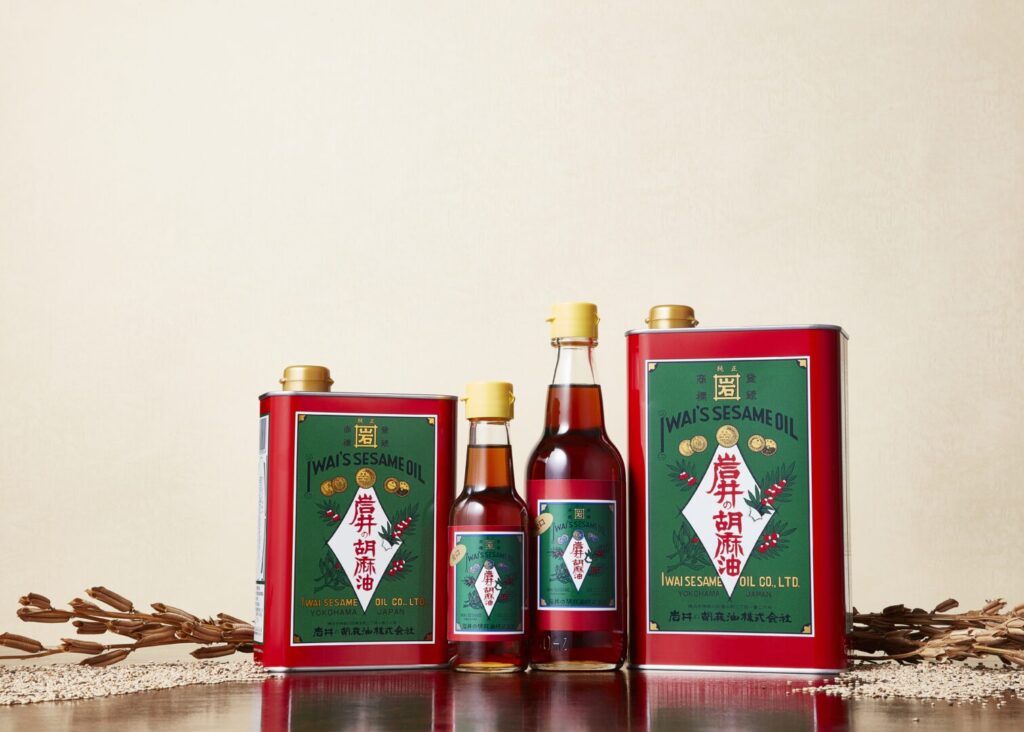
Since its founding in 1857, Iwai Sesame Oil has continued to use traditional methods, carefully pressing the oil by hand to create its products. Sesame oil is made through a number of processes, and in an era where efficiency takes priority, it has become something special.
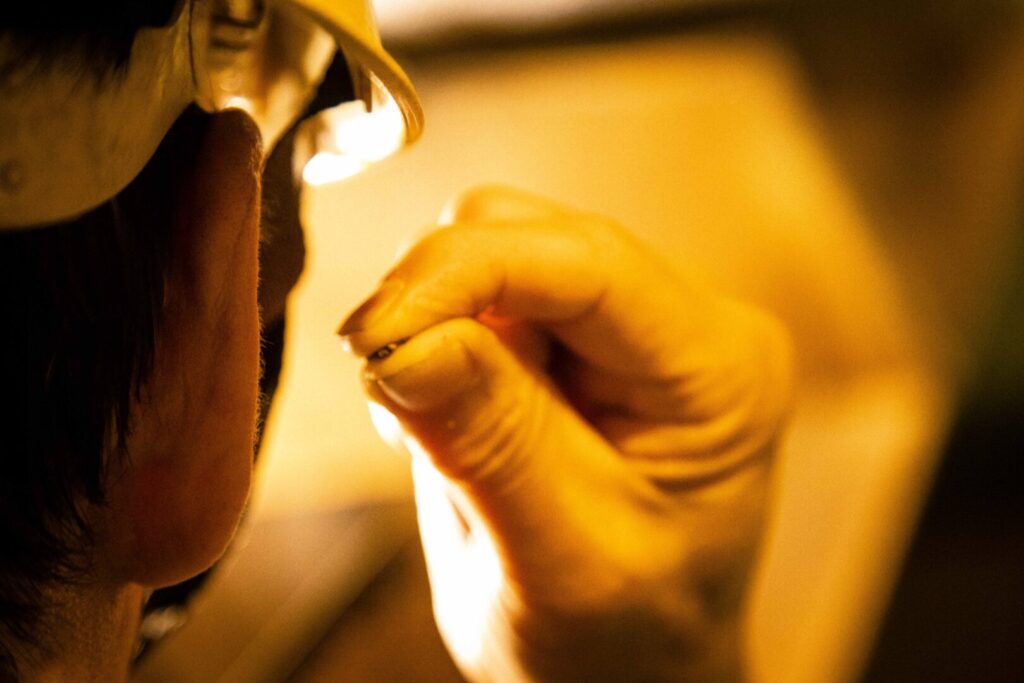
The aroma, which is also the life of sesame oil, is produced by roasting. This delicate roasting process is the technique of craftsmanship created by many years of experience. A skilled craftsman uses the five senses to check the roasting of sesame, and the oil is pressed by a pressing method that does not use an organic solvent. It is carefully filtered and stationary, and finished into sesame oil with a rich flavor and flavor.
The sesame oil thus produced has received high praise from all over the world. We will continue to inherit the tradition and put the best work into "one drop".
In addition to sesame oil as a product lineup, there are also spicy oil that does not use pungent additives, and sesame sesame with a fine grain finish, so please try it.
Address: 2-1-26 Hashimoto-cho, Kanagawa-ku, Yokohama
Phone: 045-441-2033
Access: Yokohama Station East Exit Bus Terminal No. 4 Take Yokohama Municipal Bus 48 to go via Cotton Harbor, a 3-minute walk from the bus stop in front of Hoshino-cho Kōen, or a 15-minute walk from JR Higashi-Kanagawa Station/Keikyu Higashi-Kanagawa Station