Nakatsu Manzo Garden

Nakatsu Manzo Garden

Info

100 vehicles/complete with free parking (30 buses, 100 passenger cars)

Spot Category

Museums, galleries and other cultural facilities

Nakatsu Manzo Garden

In 1688, it is built by the second-generation feudal lord of the Marugame clan, Kyōkyōkyōka, and is built on the garden.
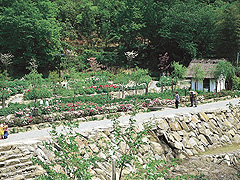
More than 1500 dwarf pines were planted, and at the center of the garden was Hakkei Pond, shaped from Lake Biwa in Omi, the land of the Keikoku family ancestors, and was likened to Omi Hakkei, with eight islands and a excursion-style daimyō garden connecting their islands by a bridge. The main building and the oldest surviving teahouse and Kancho Tower are located on the lakefront. In the main garden, there is a large umbrella pine, which is said to be more than 15m in diameter and 600 years old.

What to see in the garden

Garden map

Interception Moon Bridge

Large Matsu

Observatory

Inari Shrine and Torii Corridor

Stone-throwing Jizo-son

Pottery Hall

Painting House

Fee Access

  • Opening time, closed, closed

Opening time: AM9:30 to PM5:00(Final Reception PM4.30/Common entrance and entrance)
* There are variations depending on the season. Please confirm the following notice
Closed every Wednesday· Free parking (30 buses, 100 passenger cars)
If Wednesday is a national holiday, it will be open normally (no alternative holiday)

Iiyama Mitsuya Peach Orchard's Peaches

  • About the fee
PersonalGardens
(Garden and Pottery Hall)
Painting House
(Permanent Exhibition)
Garden Painting Hall Set Ticket
Adult800 yen
(500 yen for people with disabilities)
500 yen1,300 yen
DIVES (small and middle students)400 yen
(150 yen for people with disabilities)
200 yen600 yen
Common ticketMarugame Castle Tower + Nakatsu Manzo GardenNormally 1,200 yen→Common ticket 900 yen

  • Traffic guidance

Nakatsu Manzhouen, Marugame Museum
763-0054, Japan
25-1 Nakatsu-cho, Marugame, Kagawa
TEL 0877-23-6326 FAX 0877-23-6379

Use of JR

  • 6 minutes from Marugame Station by taxi
  • 5 minutes from Tadotsu Station by taxi
  • About 15 minutes walk from Sanuki Shioya Station
  • Okayama Station-Marugame Station (rapid) about 55 minutes

Car

  • About 8.5 km about 15 minutes from Seto Chuo Expressway Sakaide Kita IC
  • About 14 km about 20 minutes from Seto Chuo Expressway/Takamatsu Expressway Sakaide IC
  • About 5 km about 10 minutes from Takamatsu Automobile Road Zentsuji IC

Airplane

  • 75 minutes from Takamatsu Airport to Marugame Station by Limousine Bus
  • About 6 minutes by taxi from Marugame Station

Related Spots

Tomb of the Haminmaru crew

In the first year of Mannobu (1860), Hamen Lian Maru, who made his first trans-Pacific crossing. Thirty-five of these crew members were from the Shiotsu Islands, and eleven of them were from Hiroshima. The graves of the crew are found here and there in Hiroshima.

Iroha stone

The 45 Iroha stones are made by a calligrapher from Shio-fuji Hiroshima, Mr. Masaki Fujimoto (Genyu), who wished to develop tourism, and carved the books into Aoki stones. They are placed 500m apart along the island's roadside, each with a quotas: The Island Walking is a tour.

Honshima night beach

This is a swimming beach on the main island of the Seto Inland Sea, where you can see a number of islands around the island, including Ushijima on the opposite shore, and a beautiful view of the whole island is surrounded by white sand.

Hotaru View Park

In order to protect the "Manno Botaru", a type of Minamoto Botaru, which inhabits the area around Manen Pond, and to observe its appearance, it was maintained just below the Manen Pond embankment. You can enjoy seasonal flowers such as cherry blossoms, buttons, soy sauce, hydrangea, and azalea. As you go along the promenade that leads to Manan Pond, you can see the Manan Pond, registered Tangible Cultural Property of the Agency for Cultural Affairs.

Falls of fixed

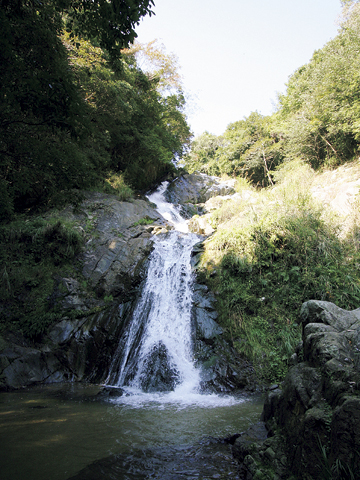
A waterfall derived from the legend that Fudō Myōō appeared during the training of the Hiroho Daishi; it is about 40m high and is also referred to as a five-fold waterfall because of its shape.

Kokubunji Temple

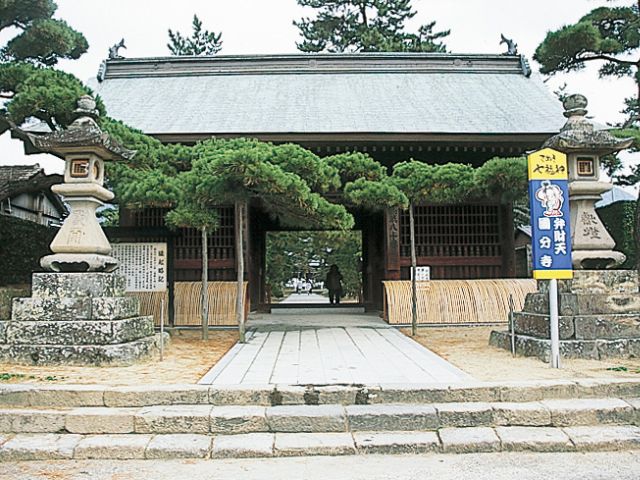
In Tenpō 13 (741), the temple that Gyoki was opened by the Imperial Court of Emperor Shōmu. It is the 80th place of Shikoku Reiba. The area was designated as a National Special Historic Site, and the foundation stone of the Seven-storied Pagoda and the Kintō remain on the way from the Innongmen to the main hall (Important Cultural Property). I would also like to see the remains of the site of the Sanuki Kokubunji temple, which was maintained behind the temple, and the restored house.

Contact Us: Business & Personal Inquiries

By proceeding, you agree to our Terms of Use And confirm you have read our Privacy Policy .

Notes

· We are available for inquiries 24 hours a day. Responses will be provided between 9:00 and 18:00 (including weekends, public holidays, and year-end/New Year holidays).
· Depending on the nature of your inquiry, it may take some time for us to respond.

RURUBU & ALL WAY JAPAN
Privacy Overview

This website uses cookies so that we can provide you with the best user experience possible. Cookie information is stored in your browser and performs functions such as recognising you when you return to our website and helping our team to understand which sections of the website you find most interesting and useful.