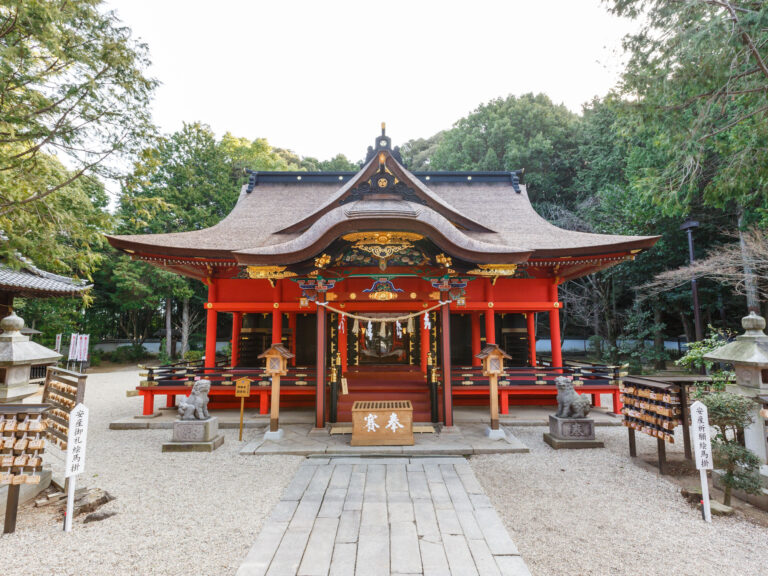
Mikawa Museum of Glass Art

Mikawa Museum of Glass Art

Info

Nagoya Station on the Meitetsu Nagoya Main Line → Nishio Station, transfer to Rokumangoku Kururin Bus → approx. 1 min. walk from Tomiyama Kita

Business Hours

10: 00 - 5:30 pm *Last admission at 5:00 pm

Spot Category

Museums and Galleries

A photogenic spot

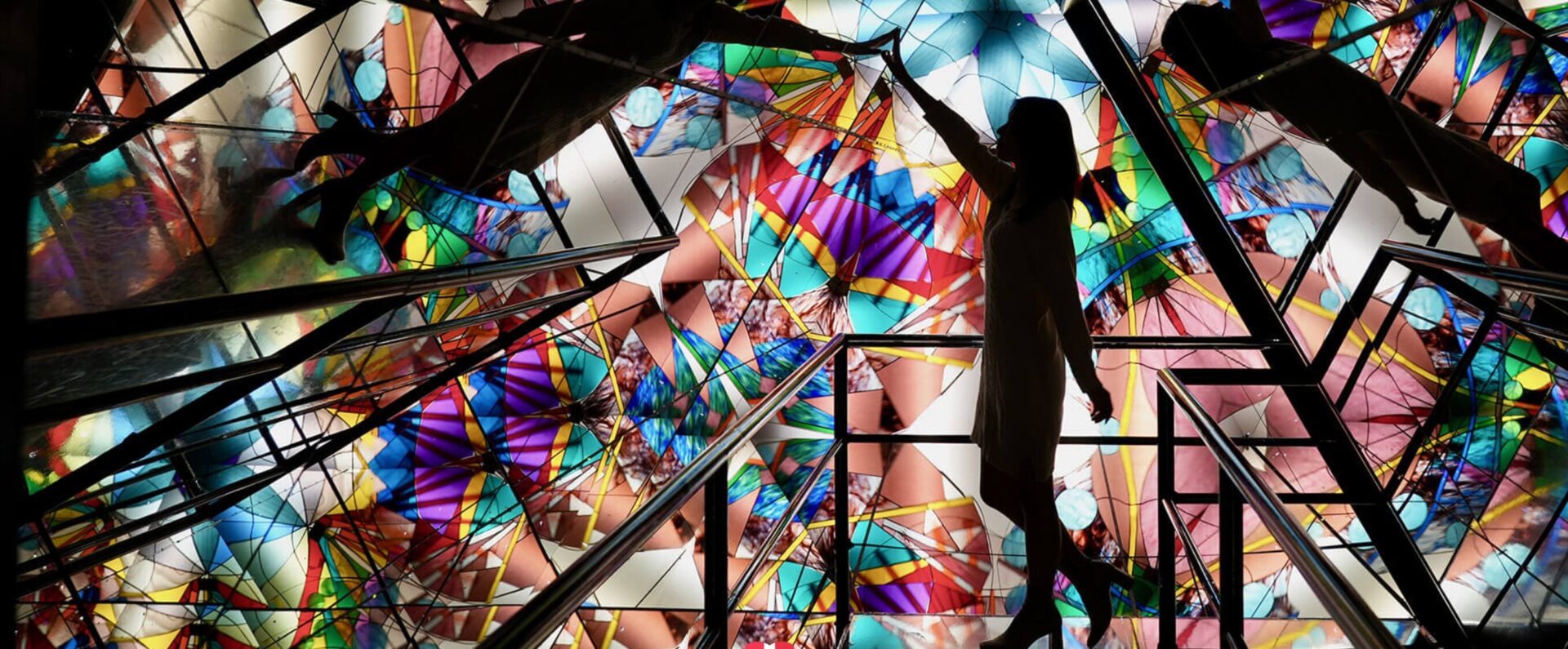
The Mikawa Museum of Glass Art is one of the most famous photo spots in the Chubu and Tokai areas. The contrast between the geometric stained glass patterns and the silhouettes of people makes it a popular spot, especially on social networking sites.
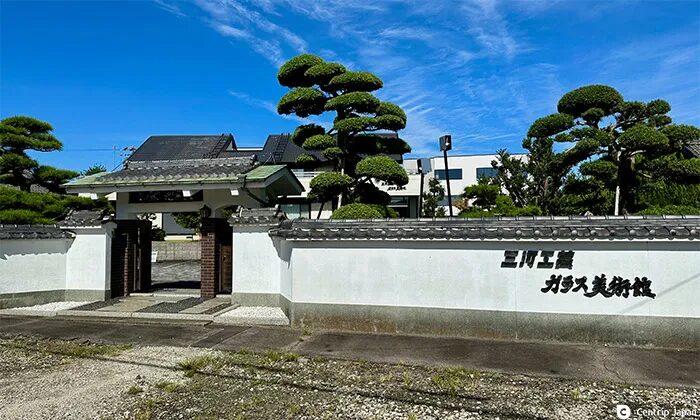
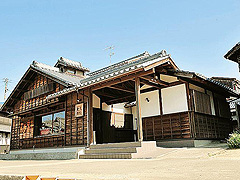
Unique Japanese-style gate
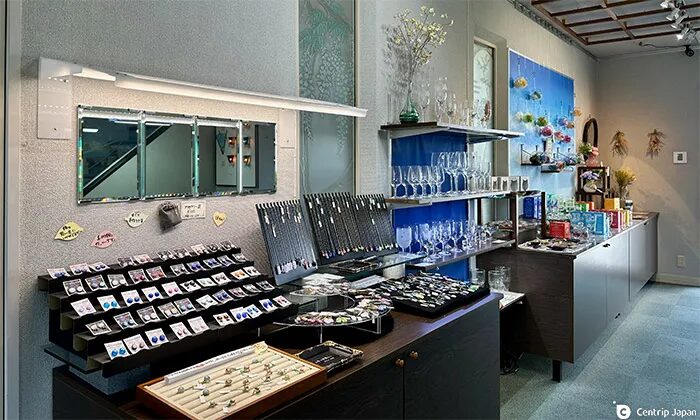
Shop selling original goods

The Mikawa Museum of Glass Art opened in 2000 with many unique glass artifacts. Besides exhibits, they sell original goods at the on-site store. Visitors can experience glass crafts such as stained glass and kaleidoscope making (reservations are required for the hands-on experience).
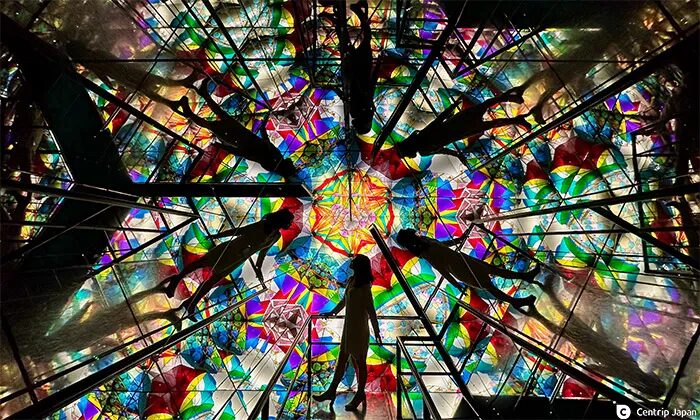
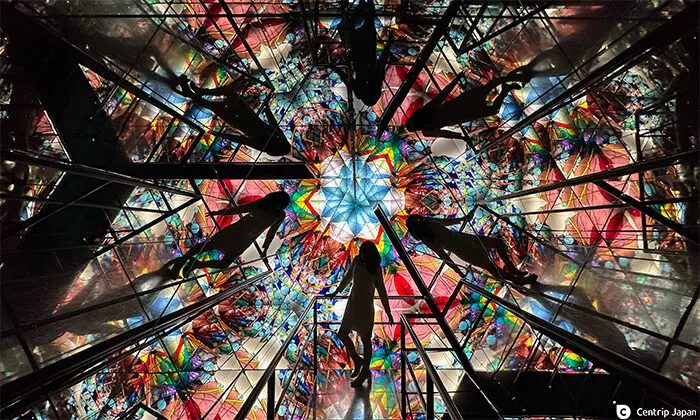
Kaleidoscope patterns that change from moment to moment
Strike a pose and take the perfect photo!

The museum's centerpiece is a giant kaleidoscope called the Sphere. This idea was conceived by Director Kamiya who imagined the joy of being able to step into a kaleidoscope. At 7.3 m long, 3.1 m wide, and 2.55 m high, the giant kaleidoscope was listed in the 2002 edition of the Guinness Book of Records as the world's largest kaleidoscope.

As soon as you step into the kaleidoscope, the stained glass windows start spinning with sounds reminiscent of outer space, and reflections from the 54 mirrors create various patterns. The show's second half, when the entire room brightens, makes the silhouettes of people reflect off the glass. It is the best time to take a picture.

You can take as many photos as you want, but since this is a popular spot, there is often a long line waiting for their turn. As of October 2022, video recording in the kaleidoscope is now permitted. Visitors are encouraged to capture their favorite moments from the video.
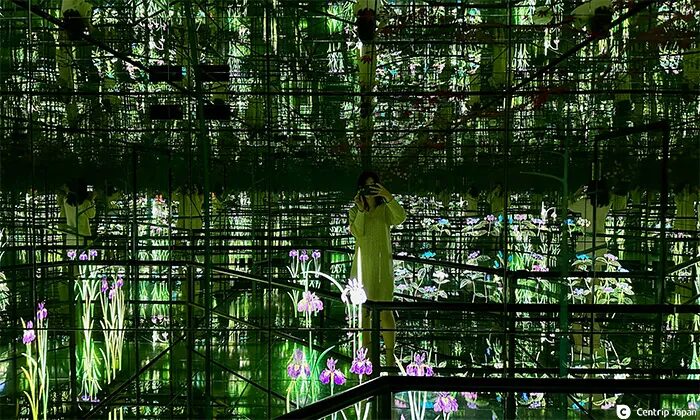
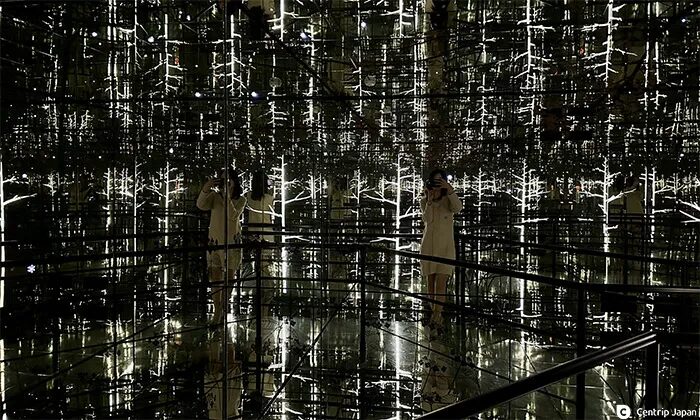
Scene of lustrous hydrangea and irises
The scene eventually switches to the ice trees in winter

Another highlight is the Sculptured Mirror Room. Mirrors covering the room make it impossible to tell where walls start and mirrors end. It leaves visitors feeling like they have wandered into a mysterious universe. The mirrors in the room are beautifully sandblasted and painted with the theme of four seasons, and the room is also a favorite spot for taking impressive selfies.
Note
This content uses automatic translation services. Automatic translations may not always be accurate.
Please note that the translated content may differ from the original meaning. We ask for your understanding when using this content.

Related Spots

About Nishio City Historical Park

History and culture Unique festival culture and 60,000 stones This area flourished as a border area between Owari and Mikawa countries, and Nishio Castle in particular was one of the important bases during the Sengoku period. It was under the control of the Matsudaira clan (later Tokugawa clan), the guardian of Mikawa.

Benten Salon

The gallery, which is also the base of "Mikawa/Sakujima Art Plan 21", can also be used as a resting place for art picnics.

Sakujima

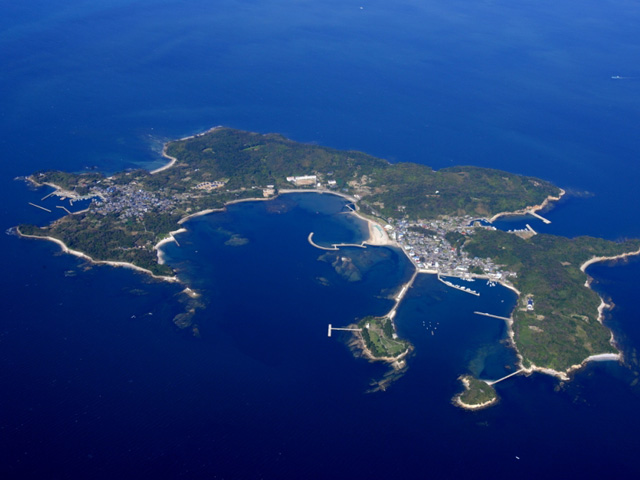
Sakujima, the largest island in Mikawa Bay, is an art island with the theme of nature, tradition and art. When you walk through the idyllic island landscape, you can feel like a treasure hunt.

Doris Lake

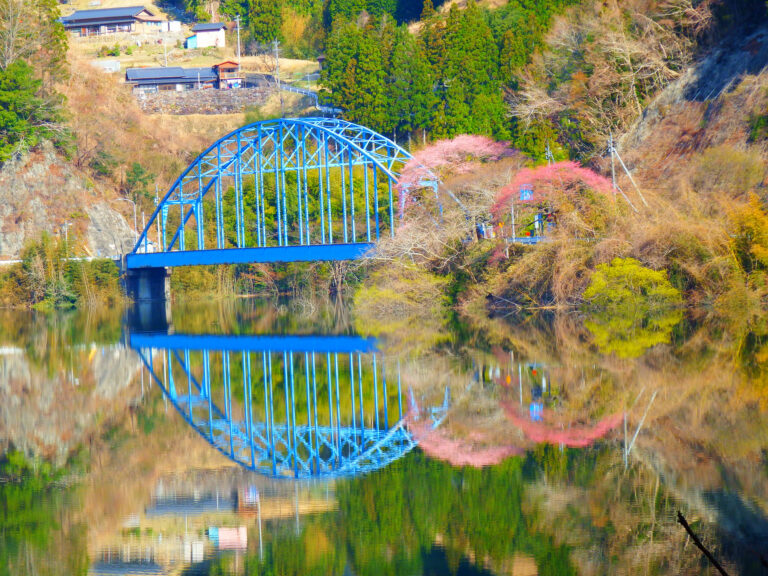
Miduri Lake, a dam lake formed by the Shin-Toyone Dam. The view around the lakeside shows the wonderful face of the nature of the four seasons, with cherry trees lined with cherry blossoms in spring, fresh green in summer, autumn leaves in autumn, and snow scenes in winter. In addition, as the water level drops, the dead trees of the settlement that sank in the lake bed emerge from the lake bed.

Kamejo Park

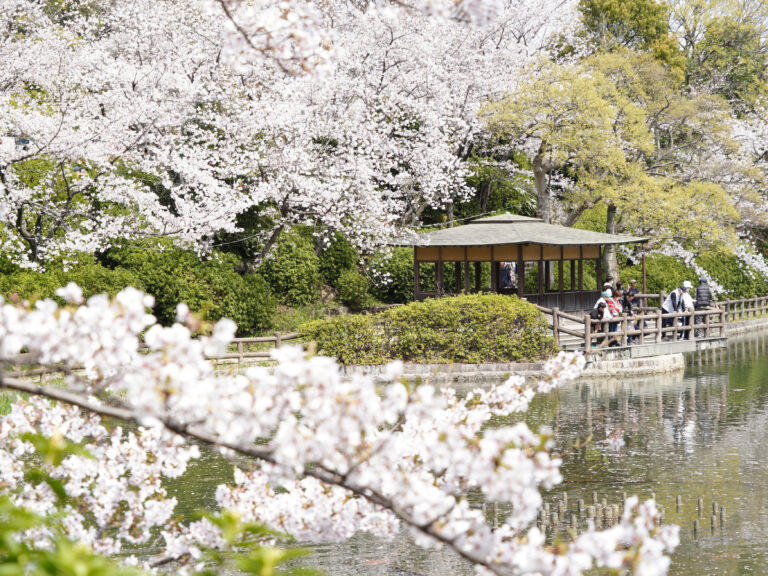
The park, which was set up on the site of Kariya Castle and is also famous as a cherry blossom spot. In addition to the Tohotei, which is located inside the Japanese garden, there are also sports facilities such as a gymnasium and a martial arts hall.

Rokusho Shrine

It is the guardian deity of Tokugawa Ieyasu, the god of safe childbirth. The splendid colors and carvings date back to the Edo period, with the vividly colored main hall and gate creating a majestic atmosphere. The Heisei Great Restoration, which lasted for three years, was completed in November 2017, restoring it to its splendid and luxurious appearance from the time of the shrine's establishment.

Contact Us: Business & Personal Inquiries

By proceeding, you agree to our Terms of Use And confirm you have read our Privacy Policy .

Notes

· We are available for inquiries 24 hours a day. Responses will be provided between 9:00 and 18:00 (including weekends, public holidays, and year-end/New Year holidays).
· Depending on the nature of your inquiry, it may take some time for us to respond.

RURUBU & ALL WAY JAPAN
Privacy Overview

This website uses cookies so that we can provide you with the best user experience possible. Cookie information is stored in your browser and performs functions such as recognising you when you return to our website and helping our team to understand which sections of the website you find most interesting and useful.