Hatsuho

Hatsuho

Event Overview

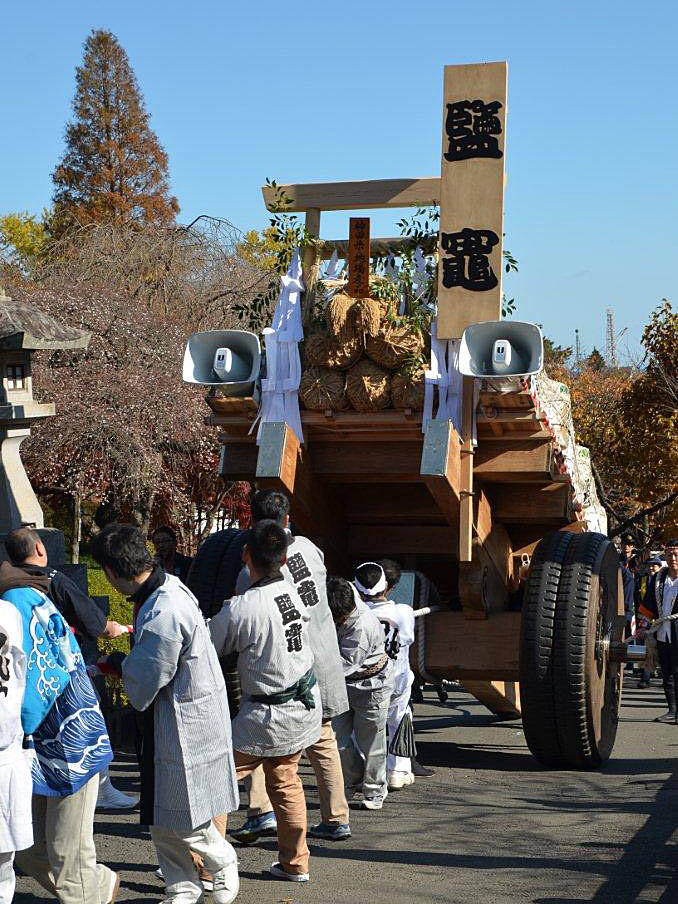
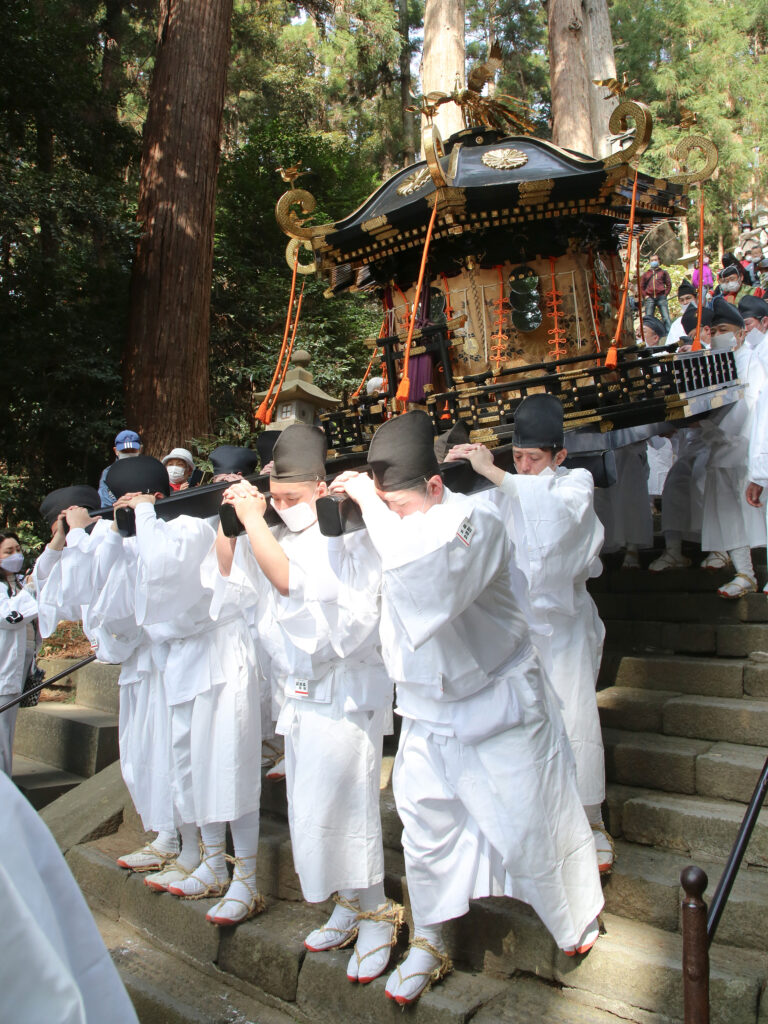
A festival to thank the gods for the new harvest. In conjunction with the "Niiname-sai," a festival of gratitude for the new harvest held at the shrine, the first fruits harvested from the shrine's rice fields are loaded onto two portable carts weighing 7 tons and 2 tons, along with locally produced products from Shiogama, as about 600 parishioners pull the carts along a 1.5 km path to the shrine, chanting "Enya, Enya." Image provided by Shiwahiko Shrine and Shiogama Shrine.

Info

JR Honshiogama Station → 5 minutes by car or 15 minutes on foot
3.5km 10 minutes from Sanriku Dori Fuchu IC
300 units/free

Event Period

Price

Free

Event Category

Agricultural Rites


Shiwahiko Shrine

The information provided reflects the details available at the time of the survey.
Please note that facility details may change due to the facility’s circumstances, so please check for the latest information before visiting. This content has been translated using machine translation.

Information provided by: JTB Publishing

This content uses automatic translation services. Automatic translations may not always be accurate.
Please note that the translated content may differ from the original meaning. We ask for your understanding when using this content.
Related Events

Flower Festival (Kamikoshi Watami)

The Hanamatsuri at Shiogama Shrine is counted among the "Three Festivals of the Ujiko" along with the Hote Matsuri in March and the Minato Matsuri in July. In the mid-Edo period, during a time when droughts, floods, and epidemics were rampant in the Sendai domain, the Ujiko prayed to the Shiogama deity, and when the disasters ceased, they expressed their gratitude by carrying the mikoshi through the town. It became known as "Hanamatsuri" because it is held during the cherry blossom season. The mikoshi procession can be viewed in Shiogama City from around 11 AM to 7 PM.

Sail Hand Festival

The festival of Hibushi, which continues from the Edo period, is famous since ancient times as the Arakamikoshi, and the bearer carries the Kamikoshi, which weighs about one ton, and cruises the city.

The 77th Shiotomono Minato Festival (Kamikoshi Marine Wataru)

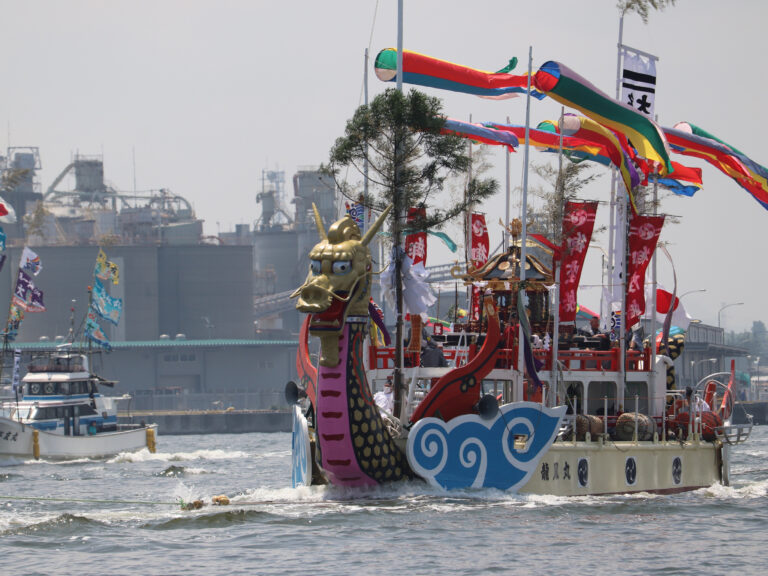
The festival, which began in Showa 23 (1948), is held every year on "Marine Day" to pray for maritime safety and a good catch. Along with the Gion Festival at Itsukushima Shrine and the Kifune Matsuri at Kifune Shrine, it is renowned as one of Japan's three major boat festivals. During the main festival, the two splendid ceremonial boats of Shiogama Shrine, accompanied by about 70 accompanying vessels, parade through Matsushima Bay, one of Japan's three scenic views, in a magnificent mikoshi maritime procession. There are also the mikoshi procession from Shiwahiko Shrine, the Yoshiko Shiogama Parade, and the performance of "Shiogama Jinku," and a fireworks festival is held at Shiogama Port on the eve of the festival.

Gold Snake Water Shrine Flower Festival

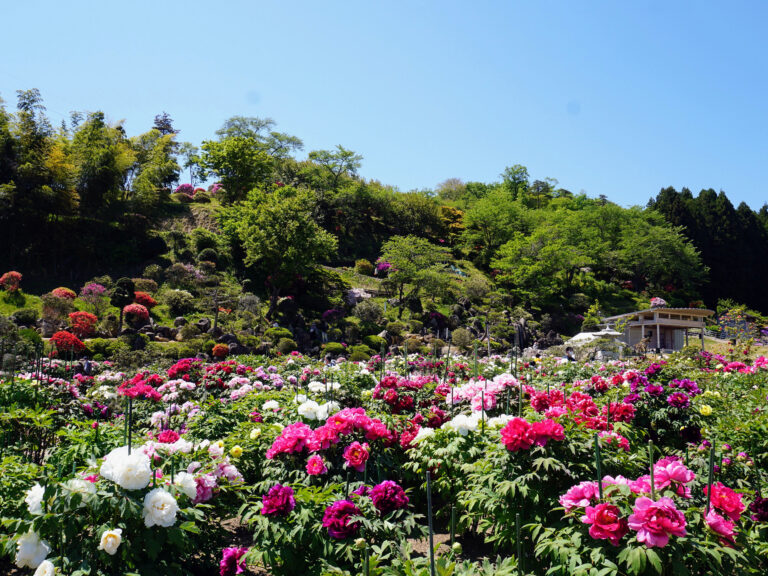
At an ancient shrine with over 1000 years of history, the deity enshrined is Mizuhayame no Mikoto, the goddess of water. It is said that the golden snake, forged by Sanjo Kaji Munekata in the Heian period, serves as the sacred body, and the deity is revered for its miraculous powers in business, wealth, and protection from misfortune. In early May, visitors can enjoy 1,300 peonies and azaleas in the adjacent peony garden, while wisteria flowers bloom within the shrine grounds. From mid-May, the peony garden will be in full bloom.

Sendai and Aoba Festival

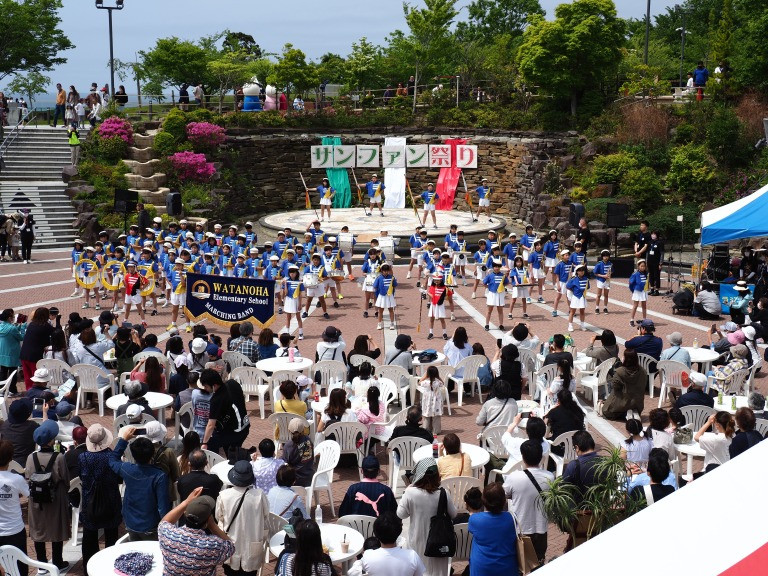
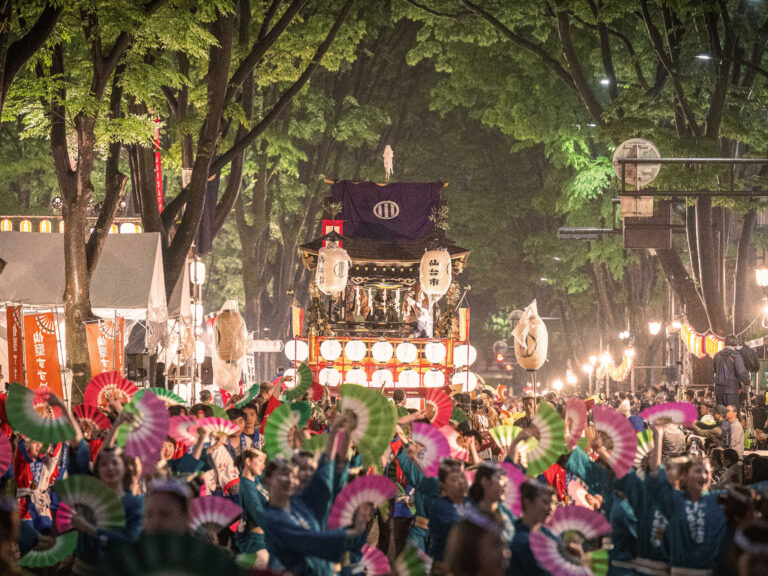
One of the great festivals of spring, which gorgeously color the city of the forest, which shines on the new green. It originated from the Sendai clan's largest festival, "Sendai Matsuri", which began in the Edo period (1655), and has been known as a festival for many mountain harshers to work around. In 1985, 350 years after the death of Date Masamune, it was revived as the "Sendai/Aoba Festival", a festival for citizens. It is held every year on the third Sunday of May and the previous day for two days, and is now established as one of the three Sendai festivals. Traditional performing arts "Sendai Suzume Odori" and a period of time-e-maki are performed on the venue, including Jozenji Street, where the new green line of zelkova trees is beautiful. Image courtesy: Sendai/Aoba Festival

Contact Us: Business & Personal Inquiries

By proceeding, you agree to our Terms of Use And confirm you have read our Privacy Policy .

Notes

· We are available for inquiries 24 hours a day. Responses will be provided between 9:00 and 18:00 (including weekends, public holidays, and year-end/New Year holidays).
· Depending on the nature of your inquiry, it may take some time for us to respond.

RURUBU & ALL WAY JAPAN
Privacy Overview

This website uses cookies so that we can provide you with the best user experience possible. Cookie information is stored in your browser and performs functions such as recognising you when you return to our website and helping our team to understand which sections of the website you find most interesting and useful.