Archives: Travel Post

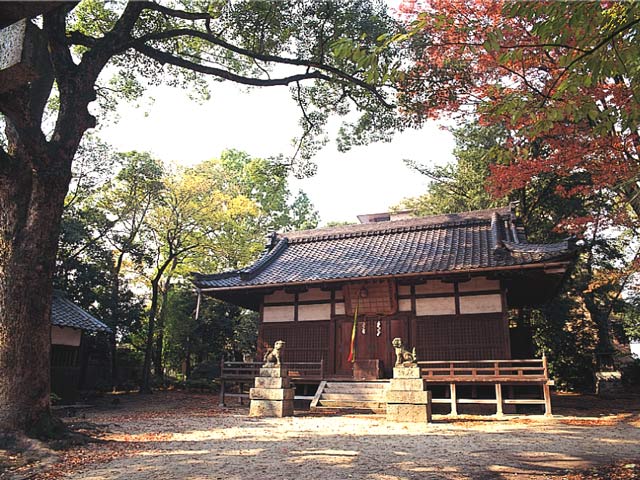
Suga Shrine

It begins in the Heian period, when he recommended the deity of Yasaka Shrine in Kyoto, and was celebrated as a sōjen-shō in Nanbu-shō. Until the Meiji period, it was called the Gion Imperial Palace, and it is still called "Gorei-san" locally. The current main shrine of Kasugazumi was erected after the mid-Edo period. It is a luxurious one painted in a polar chromatic color and is designated as a Cultural Property of Wakayama Prefecture.
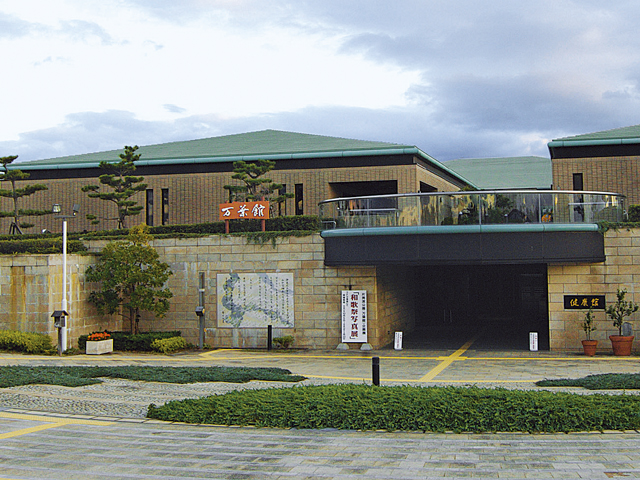
Manba Hall

The Man'yōshū Museum, located in the Katanō Park. Focusing on Wakaura, they display and provide commentary on panels, including the Manba song, its background, and climate, which were chanted in Wakayama Prefecture. On a circular wall in the center of the building, the song 107 neck related to Kinokuwayama is represented by a "song map" from the capital of Nara to the city of Shinomiya. At the Kii Manba Theater, an easy-to-understand introduction to the era of Manba with illustrations by manga artist Machiko Satonaka. It's just a facility. It takes 50 minutes.

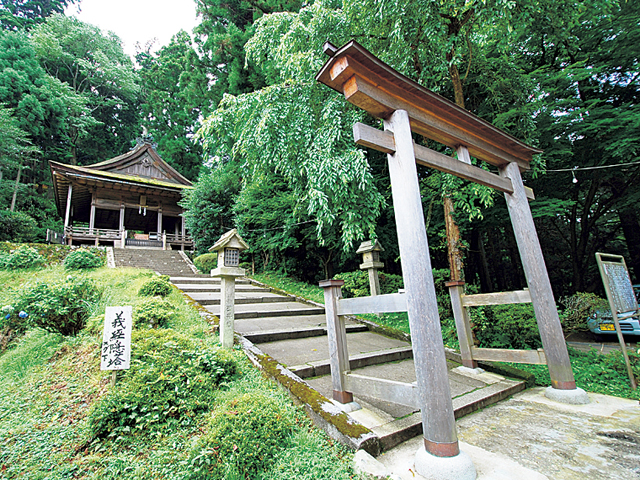
Longsenji Temple

The root dojo of Shugendo, which is invariably attended by those who aspire to Mt. [Omine-san], is said to be the beginning when an actor discovered a spring in the Dorogawa and celebrated the Great King of Yagai. The gayer cleans himself with the shimizu of the precinct before entering the mountain.

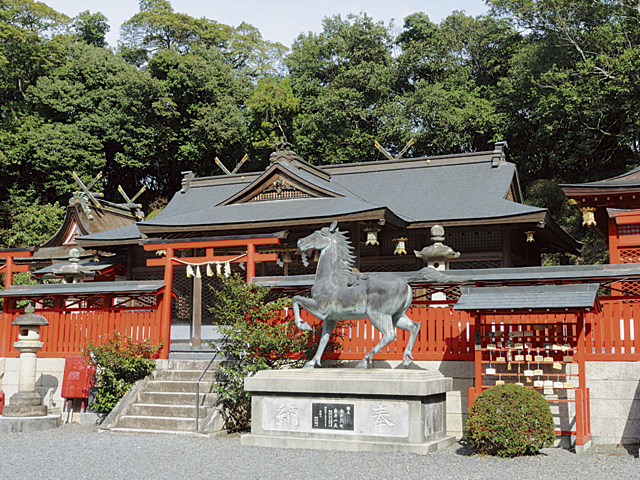
Golden Mare Shrine

World Heritage Site Enki Shiki Nai Taisha Mei Shrine. It is an old shrine that stands quietly in Okushinhon of Mt. Yoshino, and is the god of the landowner of Mt. Kinen (from Mt. Yoshino to Mt. A World Heritage shrine dedicated to Kanayama Bikokami [Kanayama Hikokami], also known as Kinsei Myojin [Konsho Myojin]. Since the Middle Ages, it is known as the line of Shugendo. A gilt-copper kyoshiki (national treasure) buried by Fujiwara Michinosho was excavated during the Edo period. A little further down the shrine, the Hidden Tower of the Yoshitsugu, which is said to have been hidden by a pursuer, remains. When he was surrounded by his pursuers, he kicked the roof and ran away, so he is also called a tower of kicking.

Golden Temple

It is said to have been founded in the late Heian period by Taira Shigemori. The three statues of the Honson Yakushi of the Fujiwara era are enshrined in the main hall. It is also known as a famous place of button, and in the season, 1000 glossy buttons of 100 species bloom. Azalea, Oyama Aenge and Small Chrysanthemum are also beautiful.

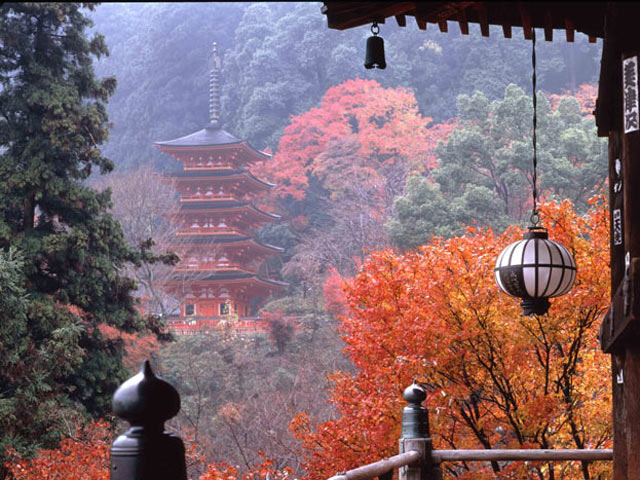
Hasedera Temple

The 8th Tasho of the Western Kingdom. In Engi, for Emperor Tenmu, in the first year of Suzutori (686), Michimeijojin lay the Coppboard Hohakakakaizaku (national treasure) in a stone room in the west of Oka. It is said that in the year of Kamikame 4 (727), Tokudō Jinjin received the life of Emperor Shōmu, and laid down the statue of the Eleanmen in Oka in the east. Although he was repeatedly caught on fire, he was re-emerged with the assistance of the Imperial Court and Toyotomi Hidemasa and others. A 399-step stone-step ascend (National Important Cultural Property) follows the main hall (National Treasure) from the Niangmen Gate. The main hall of the stage construction was rebuilt by Tokugawa Iemitsu in the third year of Keian (1650). The Honson Eleven-faced Guanyin Statue (Kunigeki Cultural Property) of the Muromachi period is a 10m high colossus. The temple treasure can be seen in spring and autumn at the Sohouzo. Button, with about 7000 shares, is also famous.

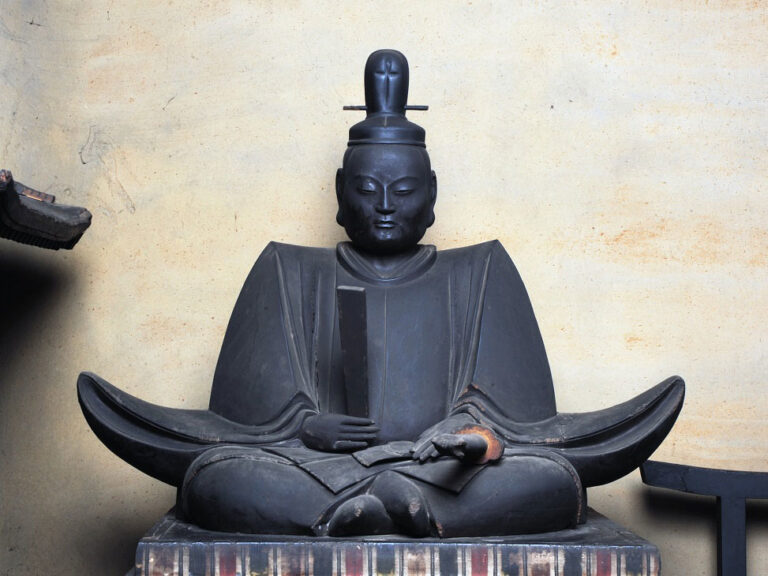
Kakimoto Shrine

The god of the festival is one of the thirty-six kasen, Kakimoto Hon-jin Maro. The neighborhood is said to be the birthplace, and it is said to have been the beginning that the shrine was built on the other side, with the reinterment of Maro, who had died in the Iwami country, in the first year of Houki (770). There is a stone monument on the south side of the shrine inscribed with the inscription "Kakimoto Daijuma Maruyuki Tomb". The temple (Yogenji), which continues on the precinct, is also known as Kakimoto-ji, and houses a wooden statue of the human Maro. It is said that the inset neck faces the moon in the middle of the night.

Matsuoji Temple

It is said that he opened it by praying for the completion of the "Nihon Shoki" and his own 42-year-old amulet by Shōjin 2 (718). It is said to be Japan's oldest evil-welling sacred place, and the statue of the Honson Wooden Senden Guanyin gathers faith as "Evil-welling Guanyin". The precincts are lined with the main hall (Important Cultural Property), the Mie Pagoda, the Gyojado, the Shichifuku Shrine, and the Amida-dō. In addition, a flower garden (rose) will be released from May 15 to June 5. Casablanca from July.

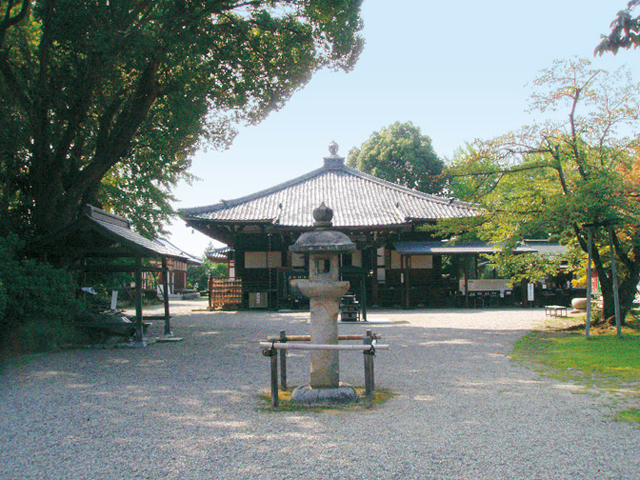
Daianji Temple

The beginning is known as Kumagorishoja, which was built by Prince Shōtoku in Heguri. He moved various places along with the vicissitudes of Miyako as a government temple of National Jinzhan. He was named Daianji Temple at his current location after Heijo Capital. It was also known as Nandaiji, along with Todaiji and Saidaiji, and it boasted a magnificent gaiji, but declined after the Middle Ages. A large number of wood-carved Buddhas from the late Tenpyo period to the Hirohito period are laid to rest. The statue of the eleven-faced Guanyin (Important Cultural Property) in the main temple, and the statue of the Ma-kou Guanyin (Important Cultural Property) in the temple of the temple are the secret Buddha. The statue of Yang Yanagi [Yōryū] (important cultural property) and the statue of Shitenno (important cultural property) of the celebration of the shrine can be observed throughout the year.

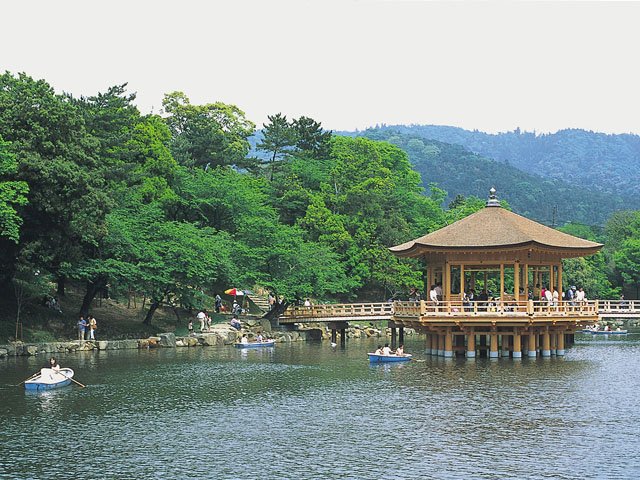
Floating Hall

The hokakudo, a hokakudo with cypress skin, stands on the egret pond in Nara Park. It was built in 1916 (1916) and rebuilt in 1994 (1994). It is lit up at night, and the cherry blossoms and the sled sled in the surrounding area are also beautiful.

Contact Us: Business & Personal Inquiries

By proceeding, you agree to our Terms of Use And confirm you have read our Privacy Policy .

Notes

· We are available for inquiries 24 hours a day. Responses will be provided between 9:00 and 18:00 (including weekends, public holidays, and year-end/New Year holidays).
· Depending on the nature of your inquiry, it may take some time for us to respond.