Archives: Travel Post

Kōsōji Temple

It is located at the foot of Mount Asahi, and if you follow a gentle slope called Kotosaka, you will end up in a Chinese-style mountain gate. This road, with beautiful cherry blossoms and Yamabuki in spring and beautiful autumn leaves, is said to have a thin babble flowing on both sides sounding like the sound of a koto. It was built in Fushimi Fukakusa by Dōgen of the Soto sect, but was destroyed by the soldier fire. It was re-established as its current location in the first year of Keian (1648) by Naomasa Nagai, the lord of the main castle of Yodo. It is a training dojo for Zen, and the main temple of Fushimi Castle, the main temple, the Zen temple, and the Kaisan temple are quietly located.
Visit the House

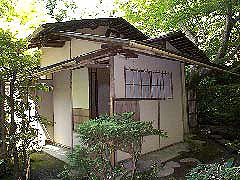
The tower of Sengwaku-ji. The garden is called "Kansui Garden", which shows the face of Wata. There is a tea room and a green house in the garden, and it is said that it was built by Oishi built-in assistant. On the right side of the stone steps that go up to Ara-jinjin-do, a spirit spring called "Kobo-Daishi Dokokusui" springs. The Ajin Za statue (Important Cultural Property) is also known as "Yuna Ajin", and is believed to be a god of asai.

Tofuku Temple

This is a Zen temple built in 1236, and is one of the Five Mountains in Kyoto. The precincts are wide, with Japan's oldest three-men (national treasure), the Zen sect-temple style tōji [tōsu] (toilet, important cultural property), and the main temple where Domoto Impression painted a dragon on the ceiling. The gardens of Honbo differ in taste from each other in the east, west, north and south, and the northern garden, which has a checkered pattern of moss and paving stones, is particularly famous. The autumn leaf fir near Tsutenkyō, over Senkyokukan. Please note that the parking lot is closed during the autumn viewing period.

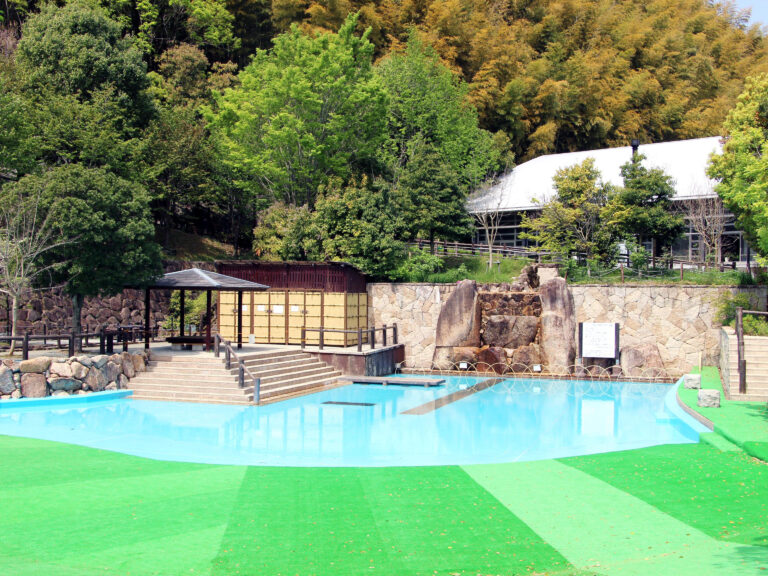
Xishan Park

Park in Changokakyo city where you can enjoy contact with nature. Inside the park is the Jabjab Pond, surrounded by greenery, which is crowded with parents and children who enjoy playing in the water during the summer months. There is also a walk walk, lawn square, and children's forest in the bamboo forest, so it is recommended to bring your lunch. Try to use public transport as much as possible.

Seimyoji Temple

Walk about 10 minutes along the Kiyotaki River from Shinjo-ji Temple, and stand at a point across the Shitsuki Bridge in Shōmei. In the Tianchong Year (824-833), the disciple Chiquan of Kukai was founded as a bentyin of Shingeji. It is said that the present-day Dou was rebuilt at the donation of the birth mother, Keisho-in, of the Tokugawa 5th Shogun Tsunayoshi. The main wooden statue of the Buddha Buddha (Important Cultural Property), which is enshrined in the main hall, is a "Seiryōji style", which is said to convey the figure of a Buddha in his lifetime, with a statue height of about 52cm and a work of Yukei. The statue of Senden Guanyin (Important Cultural Property), which is celebrated aside, is a work of the Fujiwara period.

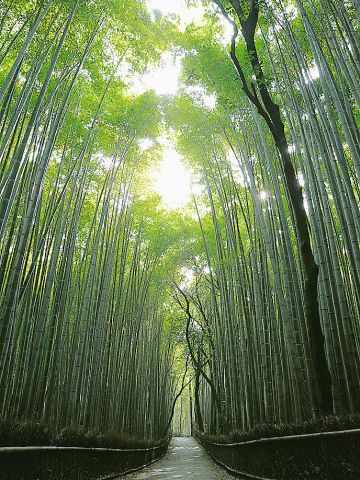
Small diameter of bamboo forest

The small diameter of a stunning bamboo forest about 400m long that leads from Nonomiya Shrine through the north side of Tenryū-ji to Okochi Sanso Garden. The lush bamboo is high enough to cover the sky, and on a sunny day you can walk comfortably in the sunshine from the bamboo forest. If the weather is bad, it is dark even in the daytime, but it is also quaint. Even at dusk, it's fantastic, as if you 've wandered into an other dimension. It is a representative of Kyo, and often appears in TV dramas.

Tenryū Temple

The temple of the No. 1 Kyoto Gozan, erected by Takashi Ashikaga in 1339 to mourn the Bodhisattva of Emperor Go-Daigo. At the time of its founding, it counted 150 towers, but the current Morodou was rebuilt during the Meiji period after eight major fires. The Jiyuan Pond Garden, which has a view of Arashiyama and Kameyama as the center of the Jiyuan Pond, is the garden of Yumedo Soseki [Musou Soseki] in the open mountain, and has been designated as a national historic site and special name, and is also registered as a World Cultural Heritage Site. The garden is representative of Zen-in Temple during the North-South Dynasty period, with three steps of Ishitaki-gumi and others. Hodo Public Day is a special public opening period for Saturdays and Sundays, public holidays, spring, and autumn.

Atago Shrine

He is familiar to Kyoto people under the name "Atago-san". It is located on the summit of Mount Atago, surrounded by the old cedar, and it is said to have been opened by the monk Yasumi and the role Kokaku as a training mountain for Shugendo during the Great Treasure Year (701-704). The child of the god of god Iin Nami, the child of Izanami, is the god of fire, so it is revered as the god of fire. From the evening of July 31 to the early morning of August 1, the visit is called a thousand days and is said to have a thousand days of merit in one day.

Lotus Temple

A temple known for its "cucumber seal" on the day of the Ox. The precinct is lined with a group of stone Buddhas, including the Gochi [Gochi] Nyorai Stone Buddhas (Yakushi, Hosheng, Dainichi, Amida, and Shakya), and the number of stone Buddhas below the Guanyin Statue is lined up behind it.

Lotus Temple

In autumn, the Ikeizumi-style garden, which is said to be Ishikawa Jōzakusaku, is colored in color, and the view of the foliage from the shoin is a superb view. You can enjoy the co-starring of moss and foliage.

Contact Us: Business & Personal Inquiries

By proceeding, you agree to our Terms of Use And confirm you have read our Privacy Policy .

Notes

· We are available for inquiries 24 hours a day. Responses will be provided between 9:00 and 18:00 (including weekends, public holidays, and year-end/New Year holidays).
· Depending on the nature of your inquiry, it may take some time for us to respond.