Archives: Travel Post

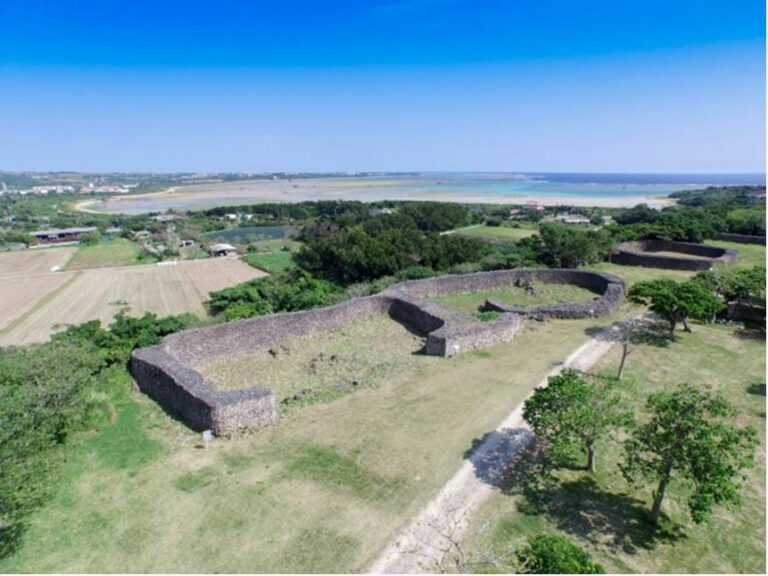
Furst site

The site is a nationally designated historic site located on a hill overlooking Miyara Bay under the eyes of southern Ishigaki Island. The site, which is about 12ha, is dotted with the stone walls of a mansion enclosure with medieval defensiveness, as well as the ancient tombs of the early modern period and the ruins of Gotake. It is now undergoing maintenance, including excavations and the restoration of masonry, and earthenware and ceramics from the first half of the 13th century and the beginning of the 16th century have been excavated.
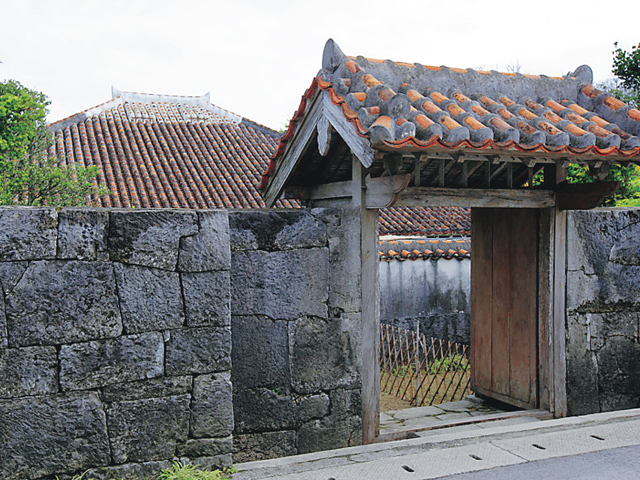
Inside Palace

In the second year of Bunsei 2 (1819), Miyara Tōyō (Pe-chin to Uen), who was the head of Miyara-makiri, became a traditional architectural style of the Ryūkyū, and was built to the house. All Shifu houses on Okinawa Island were burned to the ground in the World War, but Ishigaki Island escaped the war. Therefore, it has been designated as an important cultural property of the country as a material to know the mansions of the Shishi people at that time. The garden at the back right of the main building was designed and overseen by Shuri's famous garden master, Jōma Kankō (Gusukumapochin), and has been designated as a national masterpiece.

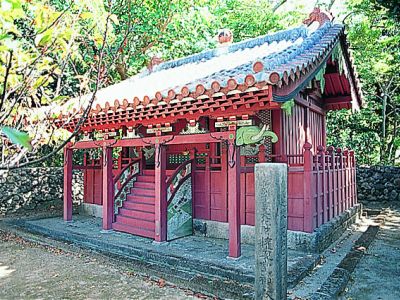
Tang people tomb

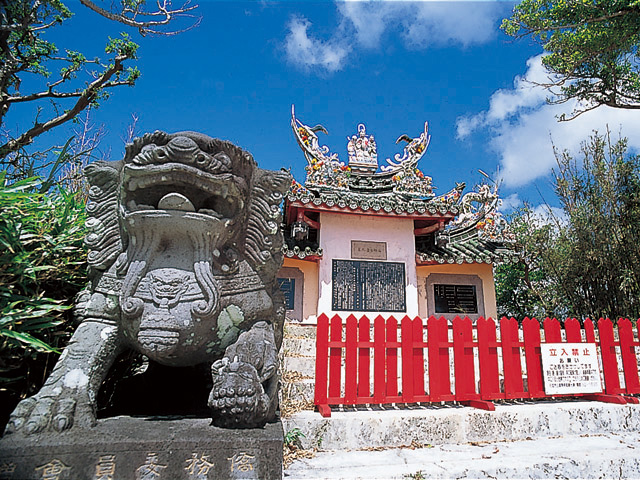
The tomb, which stands on Kannonzaki, located to the southwest of Ishigaki Island, is an eye-catching one of its polar-colored Chinese-style rooftops. During the Industrial Revolution, when the Western world was sending a lot of suffering [kully] from China to its own country as so-called laborers, the hardships from Fujian Province suffered terrible abuse from the sailors on a boat trip, causing riots on board. He was forced to disembark at Ishigaki Island. They were subsequently killed or taken prisoner by British troops sent in. The people of the stone wall tried to help them with fervor, but many of them lose their lives due to the epidemic of plague. It was the beginning of the Tang people's tomb that was made to comfort them, who were exhausted in a foreign country. The present-day Tojin Tomb was created in 1971 by bringing together the remains of a number of Tojin Tombs in the surrounding area.

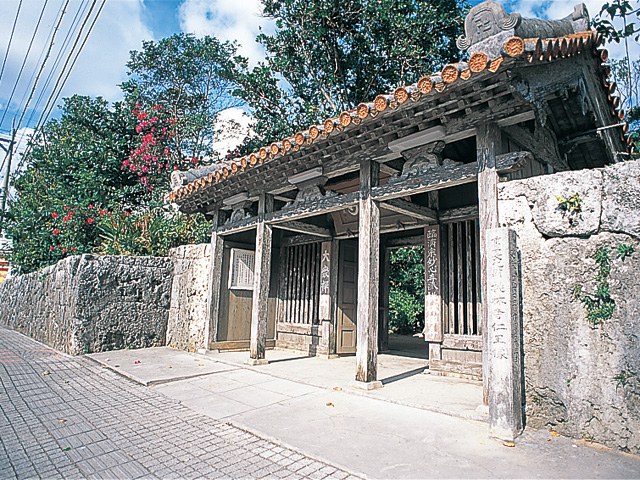
Gonngdo

Stand adjacent to the Torin Temple. Gyeongsang 19 (1614) Genjian. It was destroyed by the Meiwa Tsunami in 1771, but was rebuilt in 1786. It is designated as a National Important Cultural Property. A front gate, a hall of worship, and a temple are arranged on a straight line in the precinct that is surrounded by a stone wall.

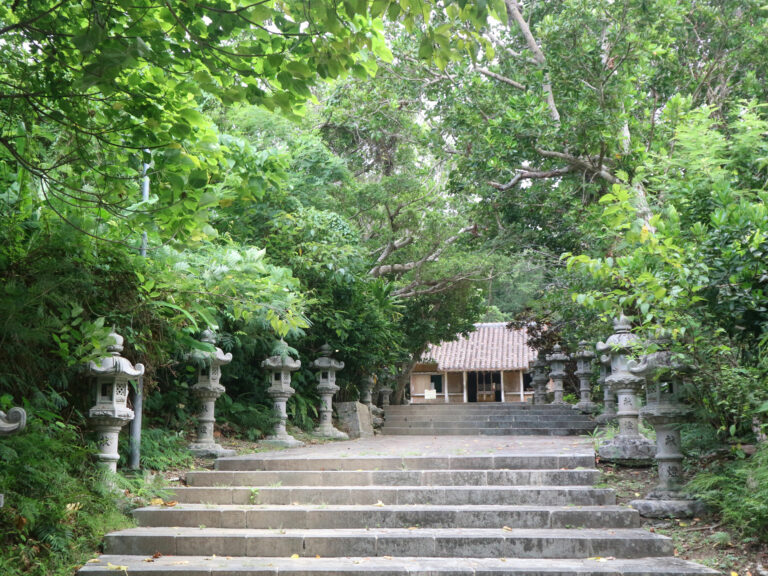
Tomizaki Kannon-do

Kannon-do stands on a hilly area of Kannonzaki like the one that surrounds the southern side of Nago Bay. The precinct is a lush green and quiet setting surrounded by red pine trees and trees. A red-tile shrine surrounded by forest appears as you proceed along the approach to the road where the light continues. It is said that in 1742, an official, Naoka Nishiomote, prayed for the safety of the voyage and dedicated three statues of Kannon. At the beginning of the construction, it was located in Ohama Village near Ishigaki Airport, but then relocated to Shinkawa Village, it was further moved to present-day Tomizaki. It is usually quiet, but it is crowded with a large number of worshipers in the first place.

Taolin Temple

It was founded in Gyeongsang 19 (1614) by the Satsuma Domain, which had invaded Ryukyu, as there were no shrine temples at Yaesan. The Torin-ji Temple is a temple of the Rinzai sect, and the two statues of the King of Inu in the mountain gate are the oldest wooden sculptures in Okinawa, made in the year 1737 (1737). It is designated as a prefectural designated tangible cultural property.

Hilgi forest on the Miyara River

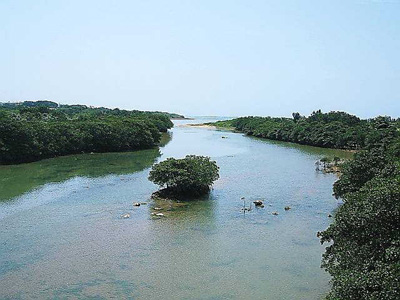
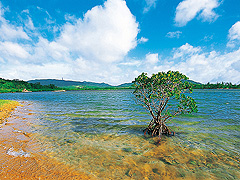
Forests of mangroves growing in brackish mudlands in the tropics and subtropics. Because of the large number of hirgi companions in Okinawa, it is also called hirgi forest. In some places, communities can be found on Ishigaki Island, and among them, the hirgi forest, which extends at the mouth of the Miyara River, the largest river on Ishigaki Island, which flows into Miyara Bay, in the southern part of Ishigaki Island, forms a dark green forest 1.5km on both sides upstream from the mouth of the river. It was designated as a national natural monument in 1972. You can tour the unique landscape of Yaeyamahirgi and Ohiirgi, which extend the tsuto-like air roots and support roots like the feet of an octopus into the river, from the top of the Miyara Bridge.

Famous Anpal

A state-designated bird-and-beast sanctuary and a paradise for wild birds registered in the Ramsar site.

Ishigaki Island

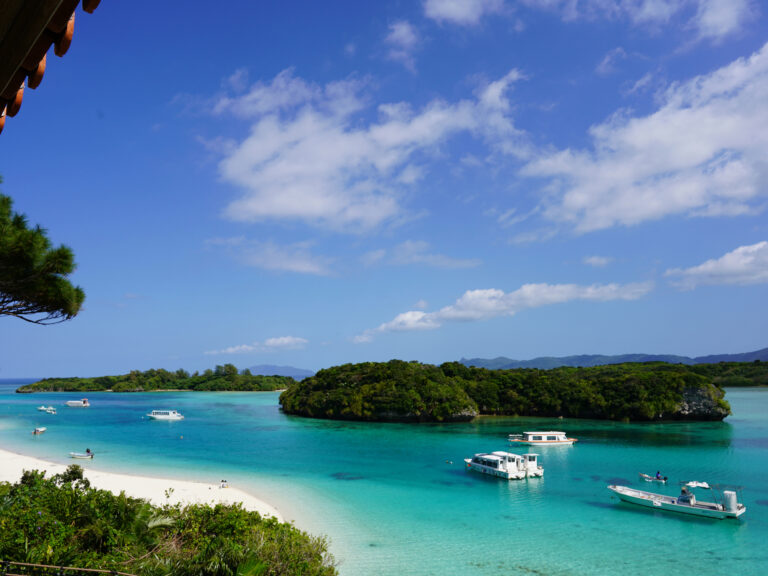
The central presence of the Yaesan Islands. The remote island departs from Ishigaki Island. There are many eateries and souvenir shops in the bustling city area, and walking around the town is fun. If you extend your feet a little and go out to the suburbs, you can enjoy the beautiful sea and subtropical forest, and enjoy nature.

Ishigaki Island cave

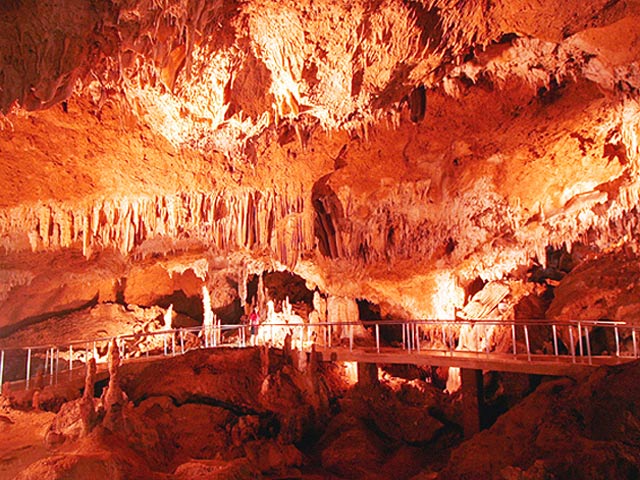
The tourist cave in the southernmost part of Japan shows a beautiful and mysterious glow colored with countless stalactites. There are many places to see, there is also a healing sound, Suikoto cave and Jongyo Cave. There is also a restaurant in the facility, and you can also taste rural cuisine that makes use of the ingredients of Ishigaki Island.

Contact Us: Business & Personal Inquiries

By proceeding, you agree to our Terms of Use And confirm you have read our Privacy Policy .

Notes

· We are available for inquiries 24 hours a day. Responses will be provided between 9:00 and 18:00 (including weekends, public holidays, and year-end/New Year holidays).
· Depending on the nature of your inquiry, it may take some time for us to respond.

RURUBU & ALL WAY JAPAN
Privacy Overview

This website uses cookies so that we can provide you with the best user experience possible. Cookie information is stored in your browser and performs functions such as recognising you when you return to our website and helping our team to understand which sections of the website you find most interesting and useful.