Archives: Travel Post

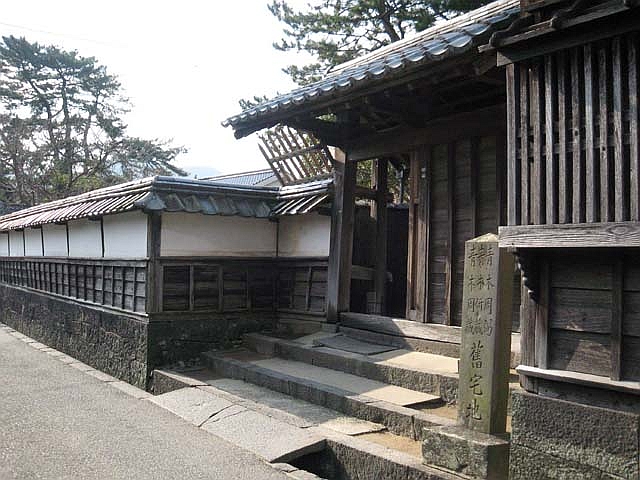
Former Yukawa House

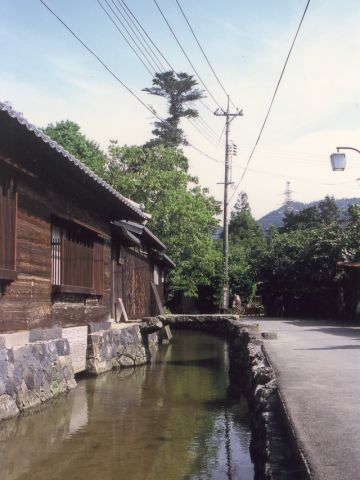
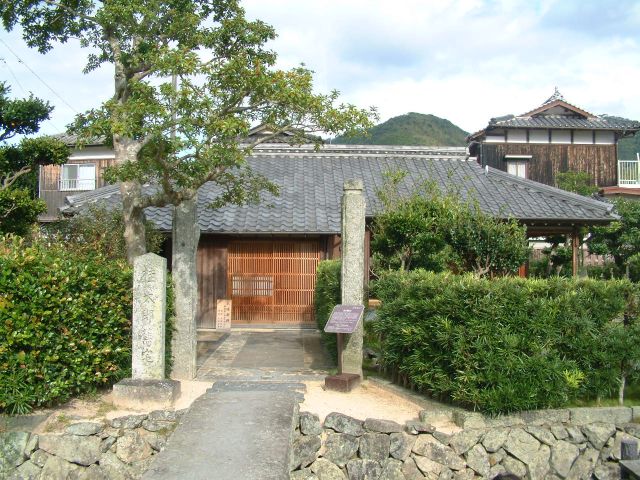
A samurai residence during the feudal era located along the Abeba River. The water of the river, which has been drawn into the garden pond, is further poured into the kitchen and bath "hatba" (a place where a staircase is provided so that it is closer to the water) and used for washing and bathing. The use of water in a typical home along the Ajiba River can be seen.

Former Hagi Domain

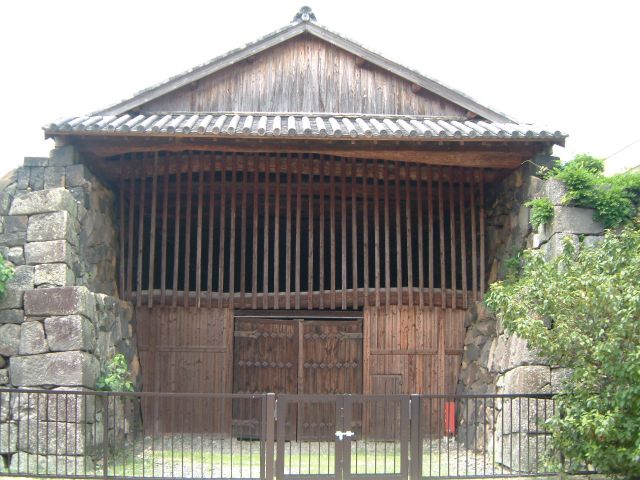
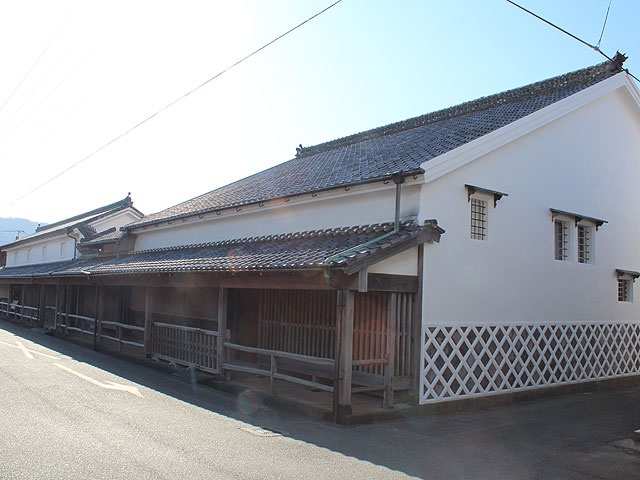
Kura (historical site) with the storage of the feudal lord Gozabune. It is a stately building with a height of 8.8m in girth, 27m in girth, and 8.8m in height, with a main tiled roof on a wall loaded with basalt. It is now about 130m away from the river, but it was once around this area on the banks of the Matsumoto River.

Former Tanaka Residence

The residence of Yoshikazu Tanaka, who was originally from Hagi and also served as prime minister; the main house, which displays the remains, and the augmented Gomatsu-kaku; originally in the Edo period Mori Chikuzen Shimoyashiki, it was the residence of the Hagi feudal lord Obata Takamasa, who recommended summer mandarin mandarin cultivation after the Meiji era.

Former home of Takayoshi Kido

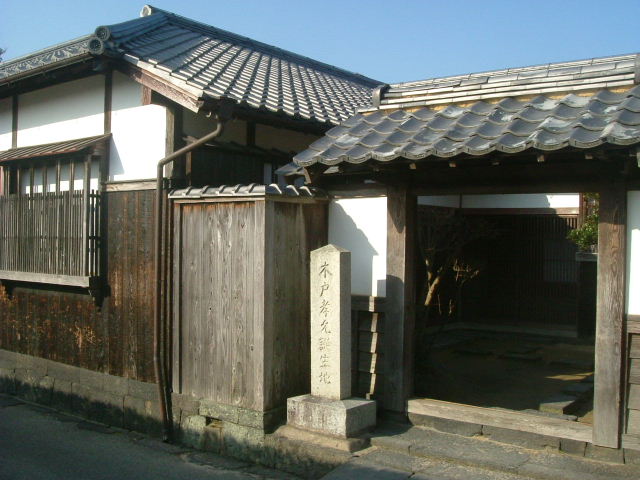
The birthplace of Takamitsu Kido (Kogoro Katsura) in Edoya Yokomachi. It is a wooden two-story tiled roof, rare for the time, with as many as 14 rooms, and two entrances for patients and visitors because his father served as a lord doctor. Xiaoyun was born in Tenpo 4 (1833) and spent about 20 years here. There is a period of birth, a study room, etc., and in the study room, you can also see the boyhood penmanship of Xiaoyun, who was known as a namentalist, in later years. Country Designated Historic Site. The former Machijinchi, where Edoya Yokomachi is located, is part of "Hagi-jo-cho", one of the constituent assets of the World Heritage Site "The Industrial Revolutionary Heritage of Meiji Japan".

Kikuya family house

The Kikuya family was a merchant of the clan who moved from Yamaguchi in accordance with Terumoto Mori, and was also a senior citizen. The main house, which was built in the early Edo period, had a large parlor and was used as the main staff where messengers from the shogunate stayed. The amako wall storehouses are lined up in a large area of 5470 square meters, and the main house, the main house, the main house, the gold house, the rice house, the rice house, and the kamba are designated as national important cultural treasures. Each room displays about 500 items such as communion items from the lord lord, old books, folk implements, and costumes. The koji, which has a beautiful namako wall on the west side of the house, is called Kikuya Yokocho and has been selected as the "100 best names in Japan".

Kikugahama Soil (Meitaiba)

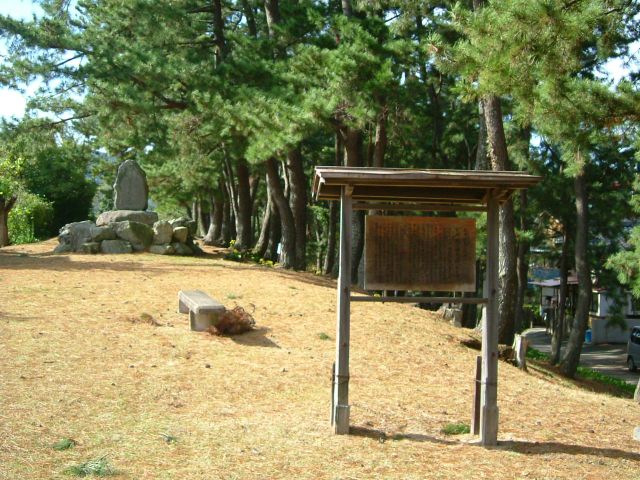
An earthwork about 3m high, 12m wide and 50m long, east of Kikugahama. On the day of the Jōjōi decision in May, 1863, the Chōshuhan clan bombarded foreign vessels from the Maseki [Bakan] battery in Shimonoseki, but they were eliminated after a great counterattack. Fearing retribution to the local area, the clan built an earthworks at Kikugahama. It is part of it that remains at present. Many women who had been staying away at the base were participating in the building, so it is called "Meitaiba".

Keitaro Old House

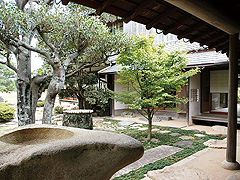
Keitaro is a native of Hagi, a politician who served three times as army minister and prime minister in the Meiji government. The old house was built in 1909, on the site where he spent his childhood. It is a simple house with only four Japanese-style rooms with a kitchen, and inside the residence is a running-water pond spring garden that draws in the water of the Ajiba River.

Okuhira House Nagayamon

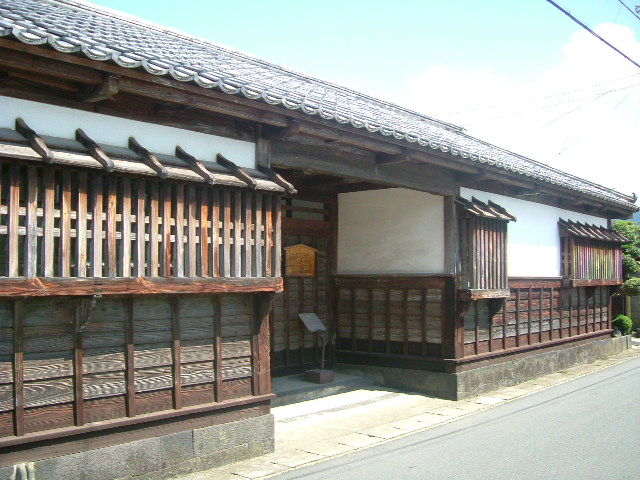
The front gate of the Okudaira family, which belonged to the Daigumi (300 stones) as a Hagi feudal lord, has become a designated tangible cultural property of the city. It is considered to date from the beginning of the 19th century due to architectural techniques, and often retains the forms of the old days, such as the whole of the gate and the djiko. The front gate facing the west is a long building with a hipped structure, piers, with a girder of about 28m and a girder of 5m. On the west side facing the road, there are four daijou windows, with clapboard at the waist and outer parlour at the top. Only the appearance can be visited.

Former home of Shusuke Aoki

At the time of the end of the Tokugawa period, Shusuke Aoki, who was one of Japan's foremost orchid physicians, was called upon by the thirteenth feudal lord, Keika Mori, who served as a hominin's samurai doctor. This house was newly built in 1859, as a number of students from all over the country gathered at Shusuke's house.

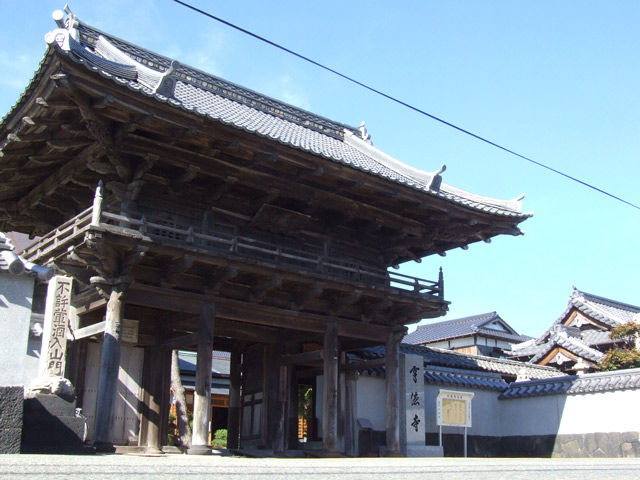
The temple town of Hagi

Teramachi is located around the Kumagaya Museum of Art from the neighborhood of Jōnen-ji Temple. Teramachi, where temples are densely packed, is one of the defenses of the castle. The temple was conceived as an alternative to the barracks in the event of a battle, and the encircled earth walls and solid buildings were built not merely by the prestige of the temple, but also by considering the case of Izura. Remembering the defense firmness of the castle town.

Contact Us: Business & Personal Inquiries

By proceeding, you agree to our Terms of Use And confirm you have read our Privacy Policy .

Notes

· We are available for inquiries 24 hours a day. Responses will be provided between 9:00 and 18:00 (including weekends, public holidays, and year-end/New Year holidays).
· Depending on the nature of your inquiry, it may take some time for us to respond.