Archives: Travel Post

Shotoon Garden

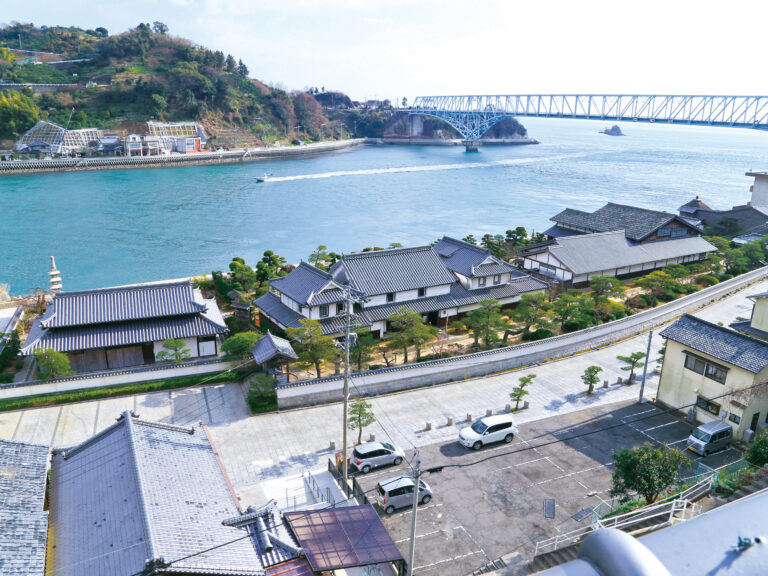
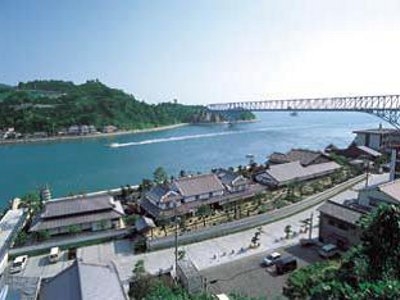
In the Japanese garden with a view of the Seto of Minose as a borrowed view, there is a "Treat Ichiban-kan" that introduces the history of the Korean telecommunications ambassador, a "Ceramics-kan" that displays the masterpieces of the ancient marri, and "Akari-no-kan", where you can enjoy the collection of lighting weapons from all over the world. There are four exhibition houses, including the "Kamakarijima Obansho", which is a restored Gobansho located in this Shimo-Kamagari during the Edo period.
White snow tower

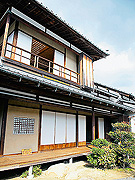
A building dating from the late Edo period, which was the site of a traditional Chinese language training; a rozukuri (two-story building); designated as a tangible cultural property in the city of Kure; you can admire the unusual movable walls, tea rooms, and the ceiling with the "Suyō Tingyō" written on it.

Shimokamari Island

The highlights include the Shotogarden, which has materials and beautiful gardens in memory of Shimokamari Island, and the Ranshiraku Museum, a sōki-style museum surrounded by pine trees. The museum is open from 9 to 17, closed on Tuesday. The "Korean Correspondence Recreation Procession" held on the third Sunday of October every year is worth watching. The Korean Correspondent was listed as a "UNESCO Remembrance Heritage".

Akitada and Bishima Kaido

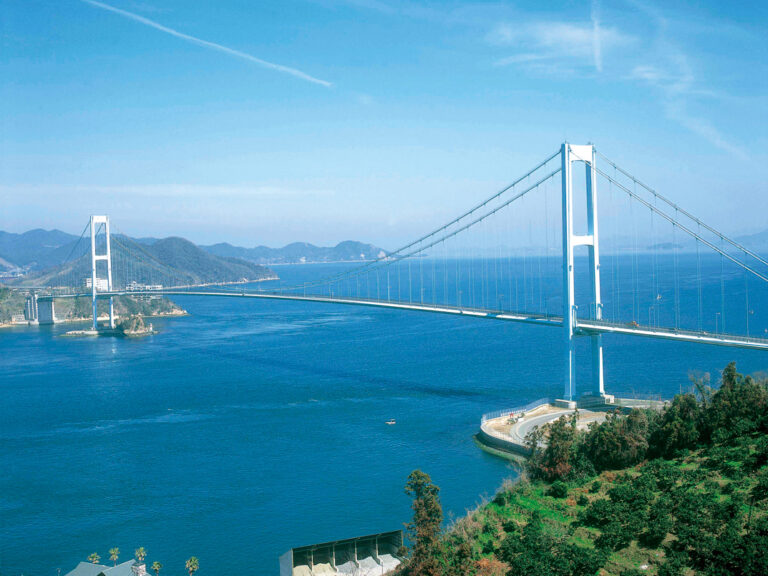
The Geiyo Islands, which are dotted with numerous islands in the gentle Seto Inland Sea. The "Akinada and Bishima Kaido" refers to a contact bridge route that connects seven islands from the mainland of Kure City, Hiroshima Prefecture in the Geiyo Islands to Okamura Island in Imabari City, Ehime Prefecture by seven bridges. All islands are attractive, including Shimo-Kamakari Island, where the port flourished as a sea gateway, and Kami-Kamakari Island, where the leisure spot "Kenmin no Hama" is popular, and Osaki-Shimoshima, where the town of the town where the wind-waiting port town still remains. The name of "Tobishima Kaido" is because these islands are reminiscent of stepping stones in the garden. It's the perfect route for a beginner's cycling road as well as a drive.

Ozaki Kamishima

The island, which has no bridge and can only be reached by ferry. Citrus cultivation and shipbuilding are popular, especially recently focusing on lemon cultivation. In the old days, it was a port town waiting for tide and there were many wooden boats. There are 115 views of the islands from Mount Kamimine, designated as the Setonai Sea National Park (which has a legend that also visited Ichikishima Hemenomikoto of Itsukishima Shrine).

Jumonji Mountain Park

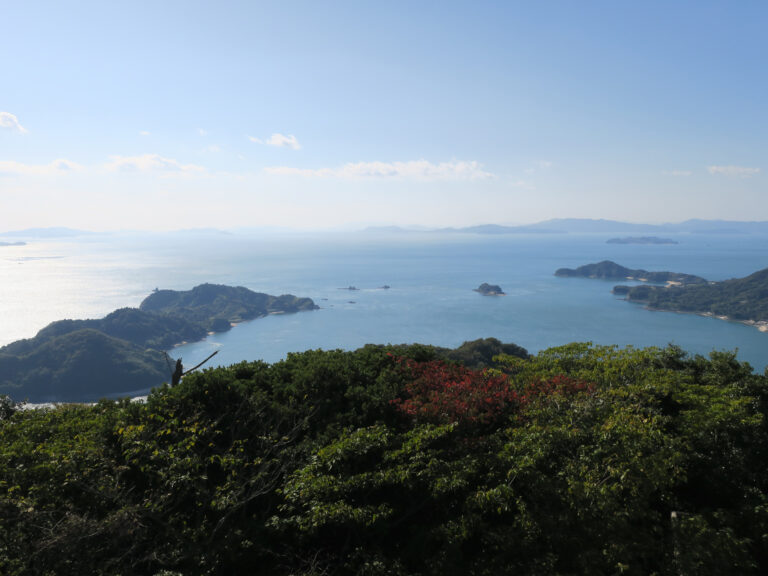
A park with a dome-shaped observation deck measuring 3000 square meters and 8 meters high. You can enjoy the island beauty of the Seto Inland Sea from the observation deck set up at the summit. If the weather is good, you can see up to Ehime prefecture. In addition, since a thin mountain road continues to the park, it is necessary to pay attention to driving.

The streets of Mitarai

National Important Traditional Monuments Group Preservation District. A variety of structures remain from the machiya in the mid-Edo period to the western halls in the early Showa period, and the nostalgic townscape, including the beautiful merchant's residence on the Namako wall, machiya with a thousand-lattice lattice, and alleys, is a memory of the old times. The site of a teahouse that reportedly held as many as 100 courtesans during its prime. At the southern end of the district is a stone stone stop built during the Edo period, and a 6.18m high lantern stands at the base of the Taito Bridge at Sumiyoshi Shrine.

Young-Hu-jiya remains

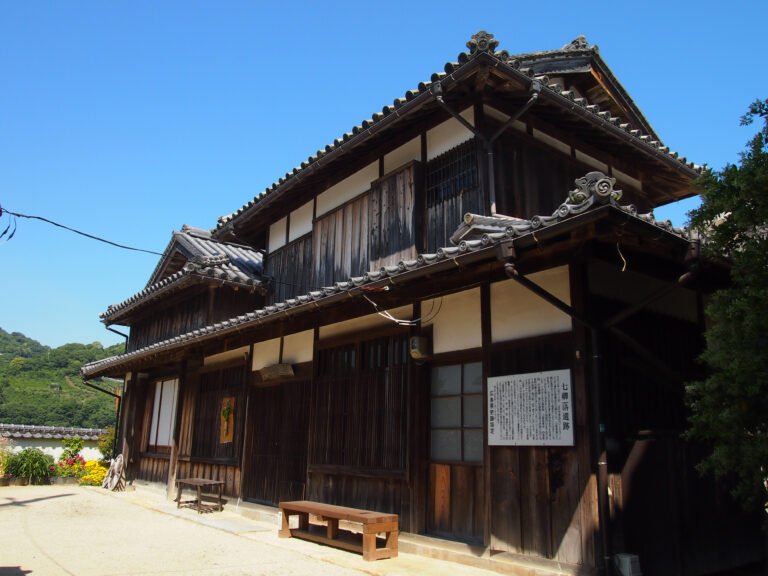
It is said that there were 100 courtesans at its peak. The site of the largest tea house in the Mitarai district. Lava from Sakurajima brought back from Satsuma is kneaded into the clay wall, and yaku cedar is used for the ceiling of the room.

The ruins of the Seven Lords of Mitarai

The site of the Tada family (Yago Takeharaya), who served as a town senshiyori and a waritoya; hearing of the defeat of the "kamamamon no Hen", the five princes of the Bokumonkun stop at Mitarai on their way back to Chōshu and spend two nights at this Takeharaya.

Nanshōsan Manfunji Temple

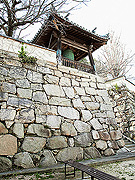
It is known as the place where Kiyomori Taira tied the hermitage and laid the eleven-faced Kannon. In addition to the main hall and bell tower, the tomb of the poet Kurita Condo remains in the precincts. At the time of Toyotomi Hideyoshi's conquest of Shikoku, the giant stone wall of "Shuranjiki", which is said to have been built by Kiyomasa Kato, is a masterpiece.

Contact Us: Business & Personal Inquiries

By proceeding, you agree to our Terms of Use And confirm you have read our Privacy Policy .

Notes

· We are available for inquiries 24 hours a day. Responses will be provided between 9:00 and 18:00 (including weekends, public holidays, and year-end/New Year holidays).
· Depending on the nature of your inquiry, it may take some time for us to respond.

RURUBU & ALL WAY JAPAN
Privacy Overview

This website uses cookies so that we can provide you with the best user experience possible. Cookie information is stored in your browser and performs functions such as recognising you when you return to our website and helping our team to understand which sections of the website you find most interesting and useful.