Archives: Travel Post

Bizen ware Gallery at the foot of the mountain kiln
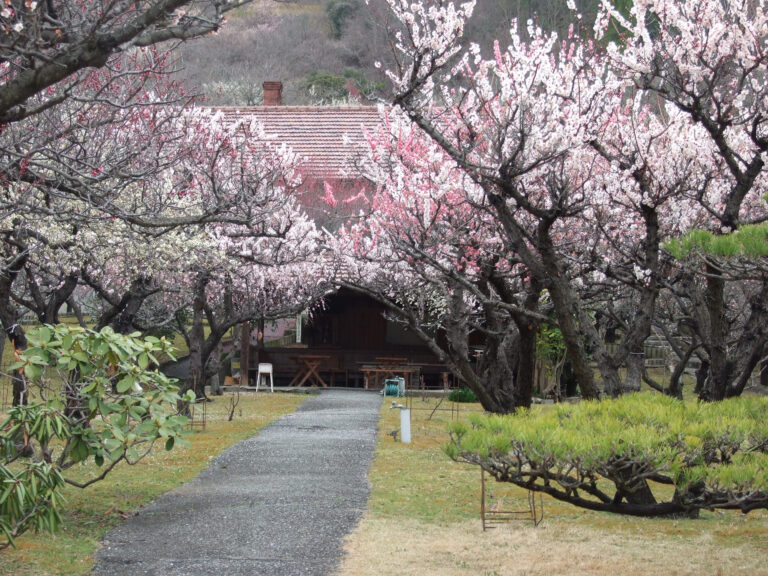
Mengyuan, which has a vast estate at the foot of a green mountain. I want to go out in a holidaymaker mood. The gallery sells from affordable instruments to works of human national treasures. In spring, there are more than 1000 plums and cherry blossoms and many flowers, and you can also enjoy the ceramic art experience (reservation required). The only thing you can enjoy is the foot of the mountain kiln.
Bizen ware Gallery

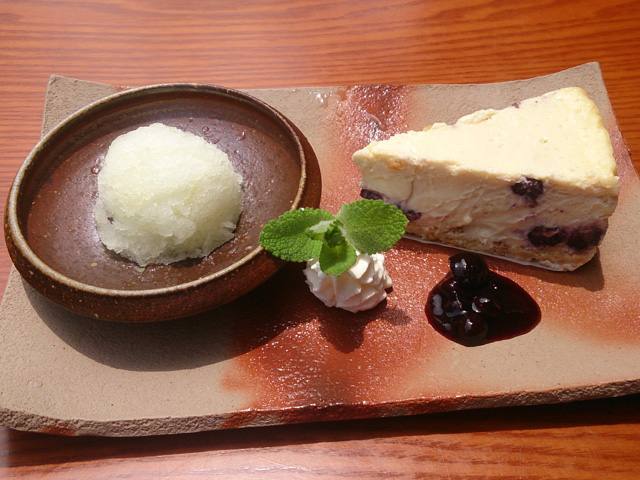
The gallery displays Bizen-yaki works by a wide range of authors, including Tohide Yamamoto, a human national treasure who was called Master of the Rotorokuro. Yoshihide Yamamoto is the owner's grandfather. At the cafe, coffee and seasonal sweets set 880 yen ~ in the pre-ware. The coffee in the pre-bake has a less sour taste and a mellow taste of kado.

Taokeido Ekimae Store

A kiln of the Kimura family who served as a patronage of the Bizen clan (in the Showa era, the Imperial Palace) in the Edo period, is one of the Bizen-yaki genroku surnames that have continued since the Muromachi period. You can buy works by Momoyama Kimura, the 26th generation, and Kenji Kimura, a traditional craftsman. Sat twist experience is possible (4000 yen + shipping).

Gallery Shozan

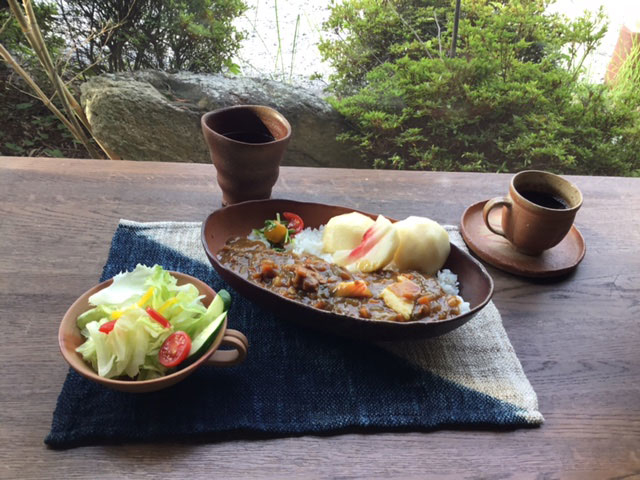
At the gallery shop that handles Bizen-yaki, you can experience the twist of Bizen-yaki (price 1980 yen ~ 10 o'clock, reservation required). There are two courses to bake in an electric kiln and a climbing kiln, and it takes about an hour or so. You can also eat prep fruit curry at the cafe. 850 yen with salad, coffee or tea, 1000 yen with sweets. Curry fruit has different types of fruit depending on the season.

Bizen City Historical Folklore Museum

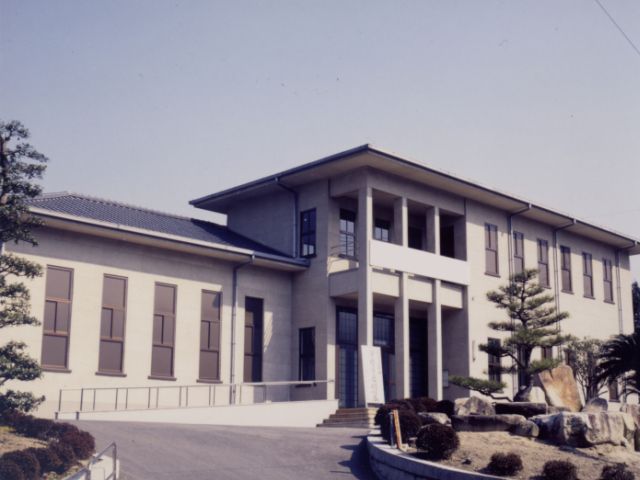
The exhibition features the theme of "Learning Bizae-yaki", "Knowing the history of Bizae-shi", and "Bizae, a cultural town." the first-floor exhibition room introduces the characteristics and history of Bizen ware, and displays a cross-sectional model of a climbing kiln that shows how Bizen ware and kiln stuffing are being displayed. On the second floor, the writers from Bizen, Masamune Swan [Masamune Nehakucho], Renzaburo Shibata [Shibatara Renzaburō] and other writers from Bizen, and other works by Yukari Bizen City, as well as folk implements, farm tools and fishing gear. It holds a planned exhibition about twice a year. It takes 20 minutes.

Special Historic Site Old Valley School Stone Fence

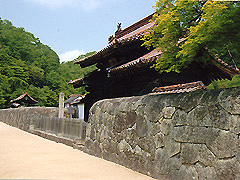
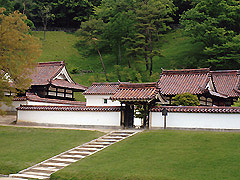
A stone fence that surrounds the site of the school from the left and right of the school gate of the school. It has been designated as an Important Cultural Property. It was built by a group of masons under the command of Kuruliang and Kawachiya Jibei, with an extension of 765m, a width of about 2m and a height of about 2m. It is a kamaboko type using a notched construction method that combines stones of different shapes, and was completed in 1701 in Genrome 14.

Special Historic Site Former Seigu School Mausoleum

旧閑谷学校の入口・校門(鶴鳴門)の正面に立つ儒学の祖・孔子を祀る建物。旧閑谷学校の中で最も重要な施設であり、「孔子廟」、「西御堂」とも呼ばれる。本殿にあたる入母屋造の大成殿は貞享元年(1684)の建築で、国指定重要文化財。大成殿内部には朱塗りの厨子が置かれ、金銅製の孔子像が安置してある。毎年10月下旬には孔子の徳を称える「釈菜[せきさい]」の儀式が行われる。

Special Historic Site Former Soya School Auditorium

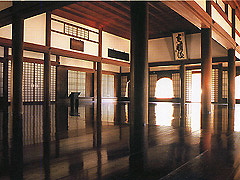
閑谷学校の講堂で、元禄14年(1701)の建立。旧閑谷学校の中央に位置し、国宝に指定されている講堂は、入母屋造に錣[しころ]屋根の堂々とした構え。建立当初は茅葺きだったが、その後の改築時に備前焼瓦に葺き替えられた。大きな花頭窓を配し、ケヤキの丸柱で支えられた内室の磨き抜かれた床板は、まさに儒学の殿堂にふさわしい清浄な雰囲気を醸し出している。藩主が使用していた数寄屋造の小斎や教室として使われた習芸斎、飲室、文庫は国指定重要文化財。

Special Historic Site Former Geyu School

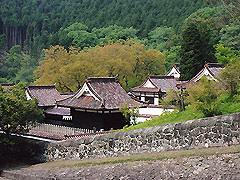
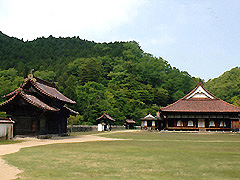
寛文10年(1670)、岡山藩主・池田光政が創設した学問所。日本最古の庶民のための公立学校として開設され、武士も庶民も平等に教育を受けた。椿山(椿谷)と石塀に囲まれた敷地内には、元禄14年(1701)完成の国宝の講堂を中心に、聖廟や飲室、閑谷神社などが立ち、多くの建造物が国指定重要文化財。磨き込まれた講堂の床や、史跡を囲む石塀、備前焼の屋根瓦などが印象的。国指定特別史跡で、備前焼が日本遺産の一つに認定されたことから、備前焼の屋根瓦を持つ旧閑谷学校も構成文化財となり、日本遺産のダブル認定となった。各ポイントでのQRコードを使った多言語の史跡ガイドも好評。

Special Historic Site Former Soya School Soya Shrine

It is located on the site of the Sōya School, and enshrines the founder of the Sōya School, the first feudal lord of the Bizen Okayama Domain, Ikeda Mitsumasa. The main shrine, which was built in the year 1686 (1686), and eight other buildings, including the main shrine and the shrine, and the middle gate and the stone bridge, were designated as National Important Cultural Properties. It was formerly called Horetsu-ji or Higamidō-do in honor of the kokurinana of Mitsumasa. In 1875, it was rated as a shrine and renamed Soya Shrine. The gold-copper statue of Mitsumasa, which is enshrined in the main shrine, was cast in the first year of Hoei (1704).

Contact Us: Business & Personal Inquiries

By proceeding, you agree to our Terms of Use And confirm you have read our Privacy Policy .

Notes

· We are available for inquiries 24 hours a day. Responses will be provided between 9:00 and 18:00 (including weekends, public holidays, and year-end/New Year holidays).
· Depending on the nature of your inquiry, it may take some time for us to respond.