Archives: Travel Post

Tianjin Shrine

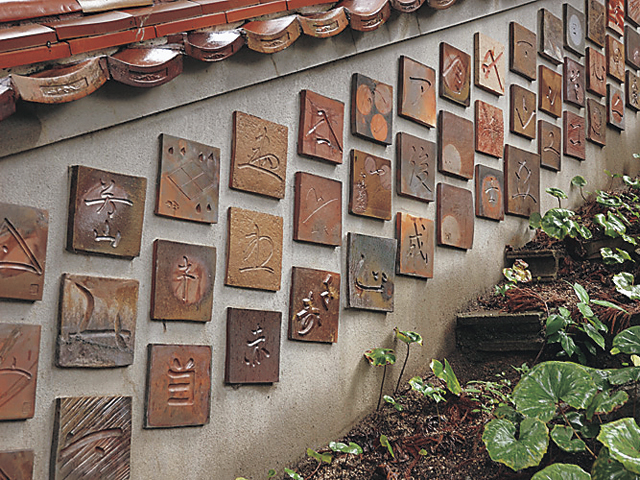
Sojen-shō in the Ibe district. Bizen ware ceramic plates are laid on the approach to the road, and the roof tiles and the guardian dog are also Bizen ware. A ceramic plate dedicated by a modern-day prep writer is also strung on the wall. There is a relief of a lion in the hall of worship, and in the precinct there are ceramic statues of Ebisu-sama and Daikoku-sama, which attract faith.
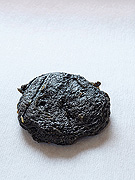
Cow Window Kamaboko Ya Nakamitsu

A store specializing in kneading products founded in 1951. I am happy to have a rich assortment of 100 yen per tempura using fresh seafood from Setouchi caught on that day, which always has more than 20 varieties. None of them use preservatives or colorings and have a gentle taste. There are many unique products, such as tempura using rice that has a fun texture like rice balls, and squid ink kneaded.

Glamping Base Beach

About a 45-minute drive from Okayama city, the facility renovated from a sea house at a swimming beach that closed in 2016. In front of the beautiful Seto Inland Sea, you can enjoy barbecue in the glamping space. The empty-handed barbecue course includes seven items, including salads and soups in addition to assorted meats and seafood, as well as desserts.

Cow Window Water Trail

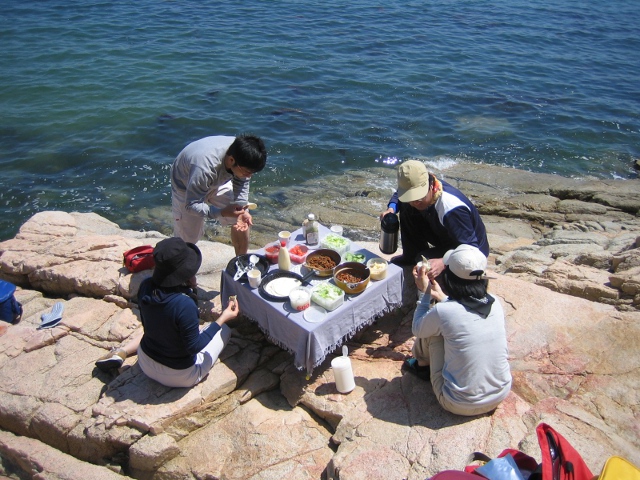
A variety of tours produced by a veteran guide with a 20-year history of the Ushimado Islands. According to the tide and wind of the day, the best courses to enjoy safely and comfortably.

Cow Window Bathing

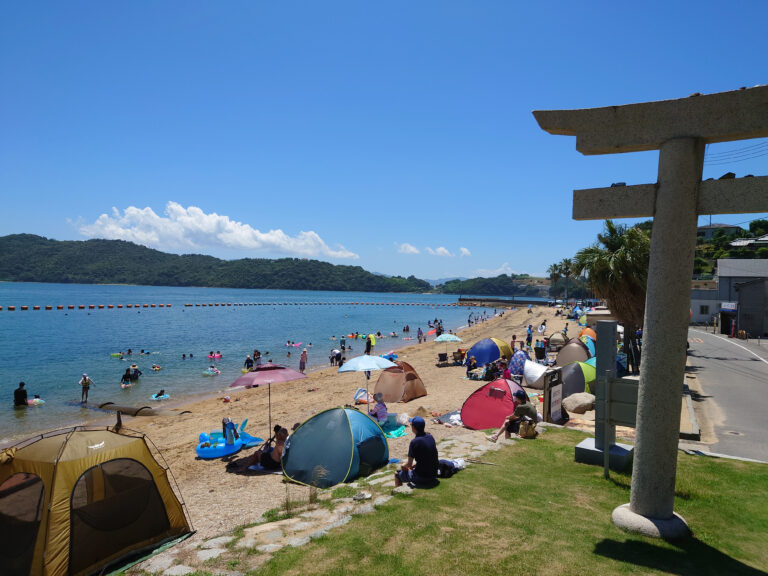
It is the second oldest swimming beach in the prefecture, opened on a gentle beach in the Seto Inland Sea overlooking the Mae Island. The sandy beach is about 150m long and is small in size, but it is close to resort hotels and bed-in-house and is visited by many families from inside and outside the prefecture in summer. The stone steps leading from the northern side of Hama are the approach to Ushimado Shrine. It is worth seeing the giant pictorial horse being dedicated and the view of the Seto Inland Sea overlooking from a small hill.

Olive Garden Cow Window

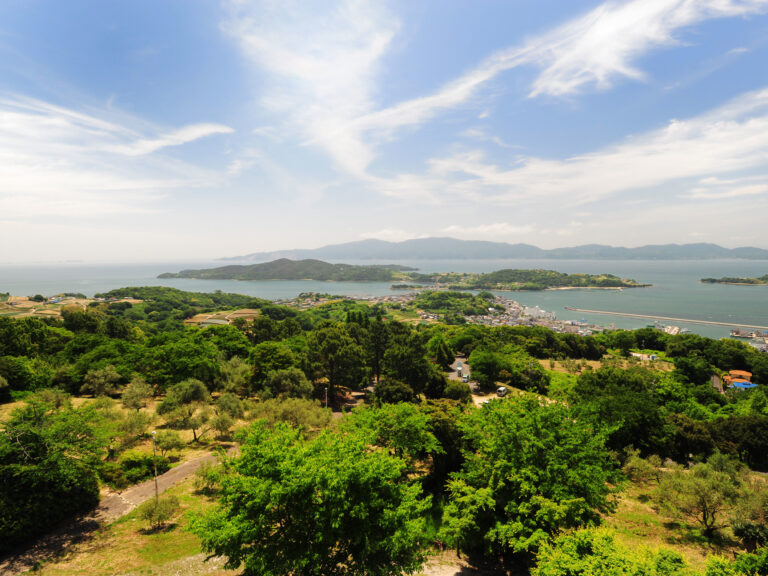
2000 olives grow on the hills overlooking the Setouchi islands. From late May to early June, the scent of the white cross of olive flowers can be observed from around August, and there are days when you can experience harvesting during the harvest season from October to November. In addition, there are Roman hills lined with stone pillars in the style of a Roman temple, and hills of bells of happiness in the park, and the foreign mood is perfect. At the top of the mountain, there is a concession shop, which combines an observation deck with 360-degree views, where you can shop for olive products and other items.

Ushimado Kaiyū Cultural Museum

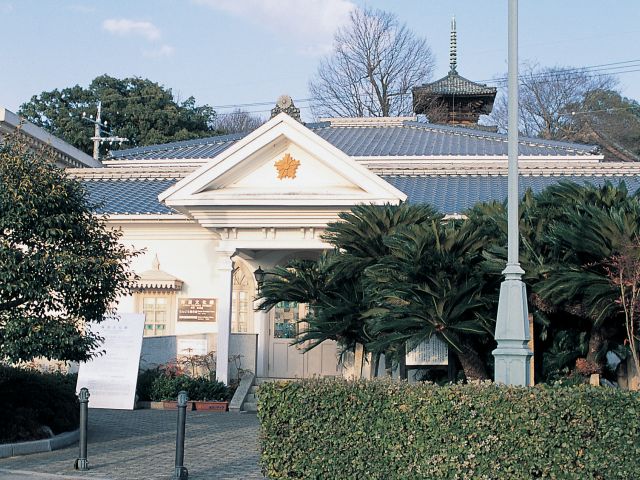
A museum using the main building of the former Ushimado Police Station built during the Meiji period. During the Edo period, valuable materials such as the costumes of the Joseon Correspondent, who made 12 calls to Ushimado, and paintings depicting the town at that time, were collected in the Joseon Correspondent's Office. The boat-shaped floats of Okayama Prefecture Designated Important Tangible Folk Cultural Properties are seen in the Danjiri exhibition room. It takes 20 minutes.

Street Corner Muse Window Cultural Building

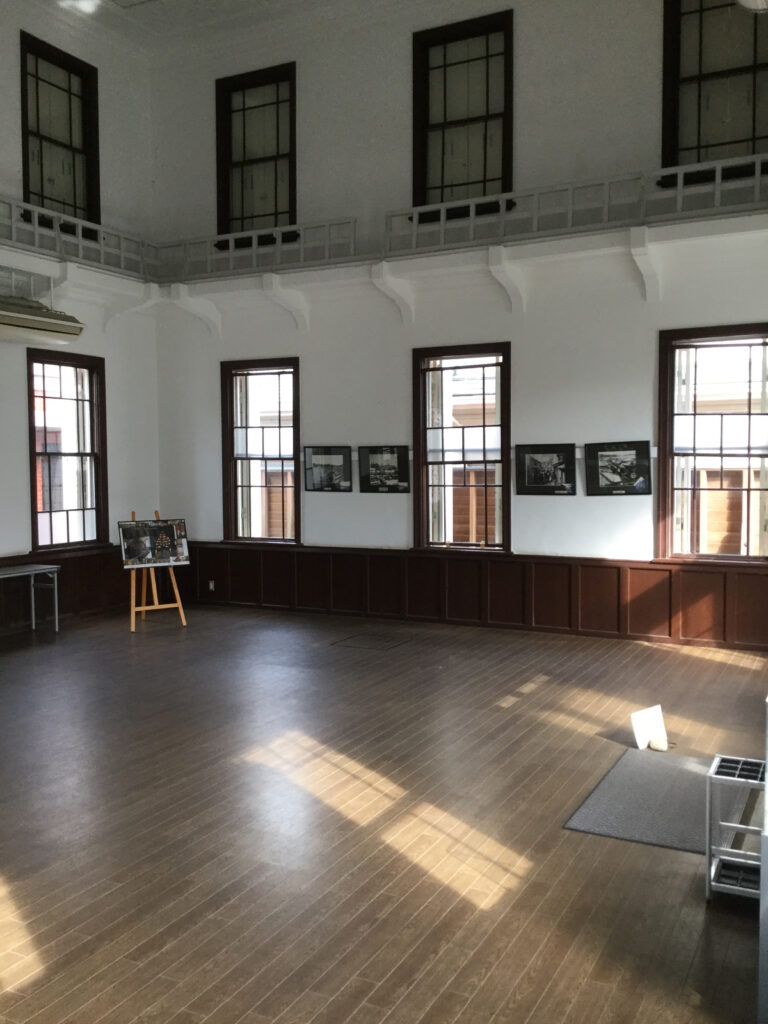
The building, which was constructed as the former Ushimado Bank Main Store in 1915, is now used as a cultural hall. You can learn about the retro and beautiful architectural styles of the Taisho period, such as the outer walls of red brick and the inner walls of stucco white mortar. The building is designated as National Tangible Cultural Property.

Seokando

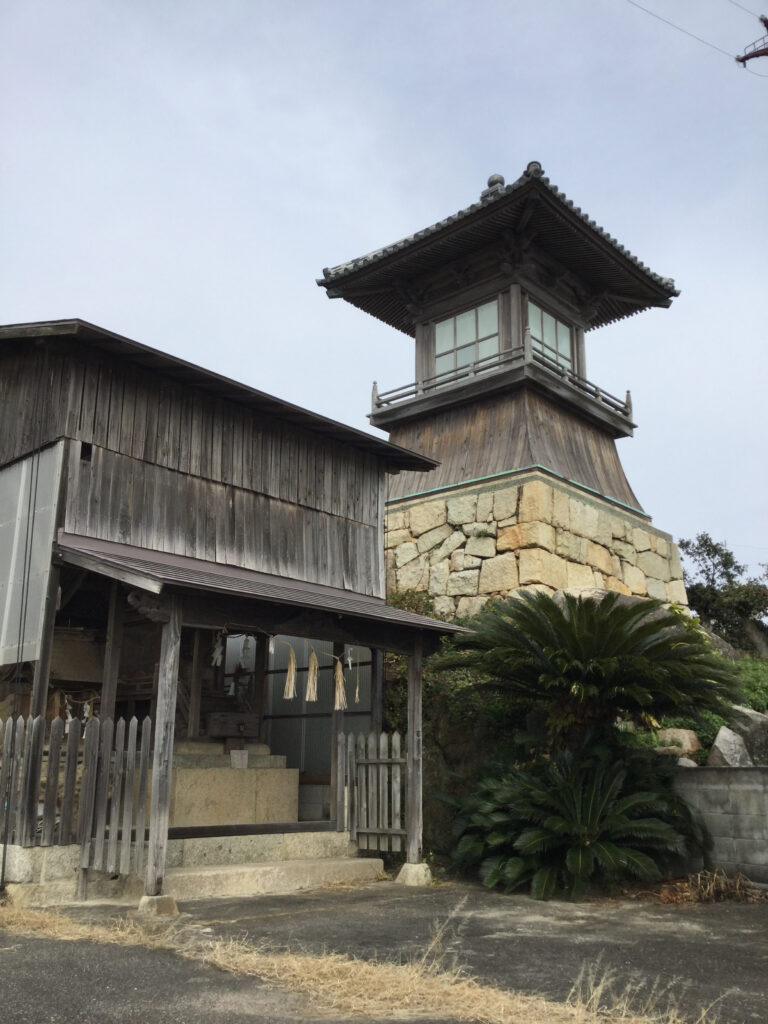
It was in the late 17th century that a kodai was first constructed on Ushimado as a sign for ships navigating the Seto Inland Sea. It was removed during the Meiji period, but was rebuilt to its present position in 1988. The contrast between the unique landscape of the port town and the stately wooden architecture is a must.

Shitomachi Karakoto Street

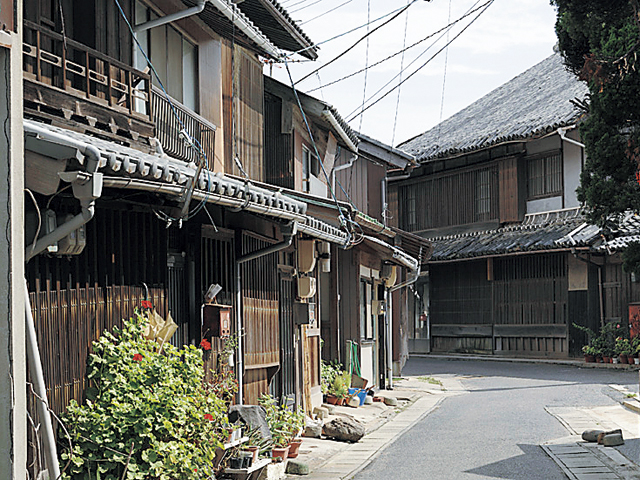
"Shio-machi Karakoto-dori" is a feature of the Edo period-1950 s, when Ushimado was bustling as a port town. Along the streets where the old townhouses are connected, there is also the Honren Temple, which was used as an entertainment place for Korean communications in the Edo period, so you want to enjoy walking aimlessly.

Contact Us: Business & Personal Inquiries

By proceeding, you agree to our Terms of Use And confirm you have read our Privacy Policy .

Notes

· We are available for inquiries 24 hours a day. Responses will be provided between 9:00 and 18:00 (including weekends, public holidays, and year-end/New Year holidays).
· Depending on the nature of your inquiry, it may take some time for us to respond.