 English
  Japanese
  Chinese (China)
  Chinese (Taiwan)
  Korean
 Shunka Craya
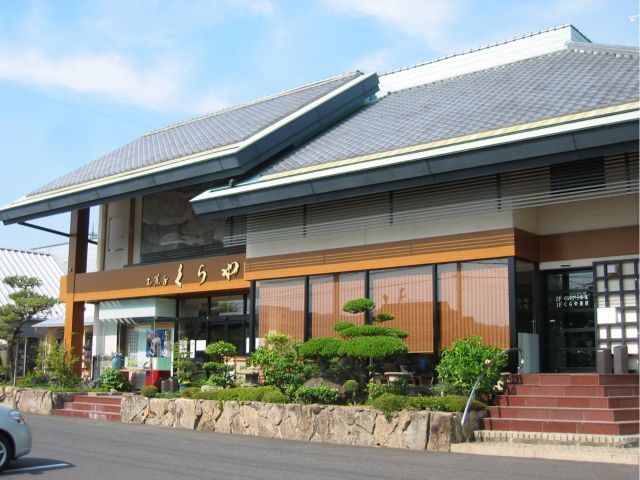
A long-established store that makes the classic Japanese confectionery of Tsuyama Miyagi, Ichima. It is made of castella dough and has the grain of Daigon, which is 135 yen per piece. It is popular for its elegant taste.

A long-established store that makes the classic Japanese confectionery of Tsuyama Miyagi, Ichima. It is made of castella dough and has the grain of Daigon, which is 135 yen per piece. It is popular for its elegant taste.
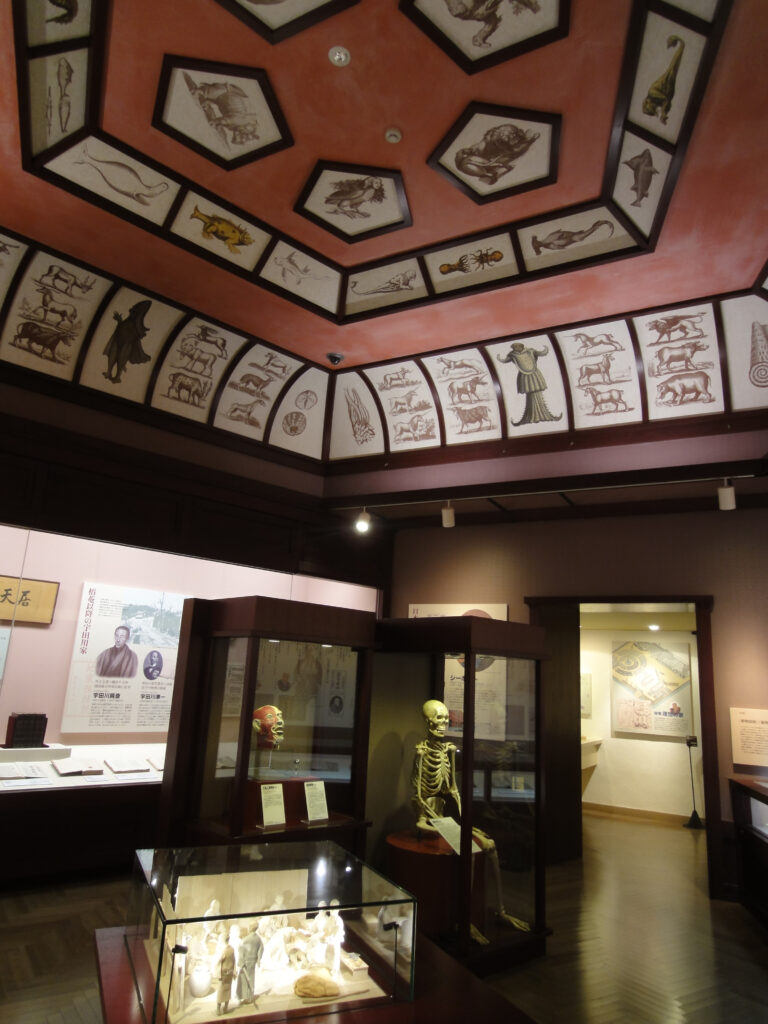
There are many scholars who contributed to the modernization of Japan by studying Western scholarship (orangaku and yōgaku) during the Edo period. The museum displays materials from Western scholars related to Yukari Tsuyama in an easy-to-understand manner, including Genzai Udagawa, who published the first Western medicine books in Japan, and Ryōfu Minusaku, who translated the American national books brought by Perry. The real thing of "Demolition New Book", which became the beginning of Rankaku, is a must-see.
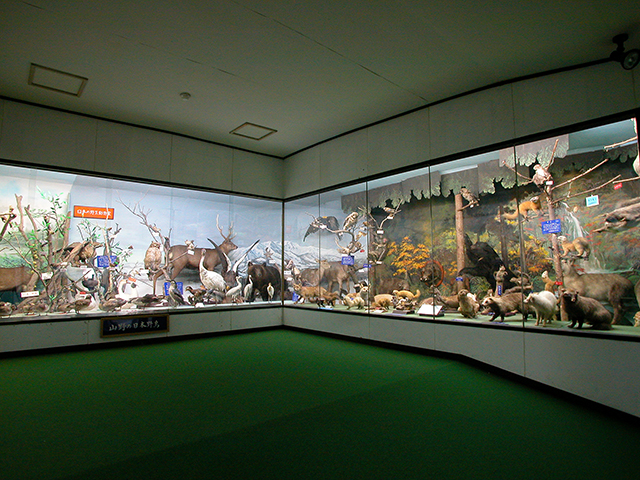
20,000 specimens of animals, butterflies, insects, shellfish and fossil ores from around the world are on display. There are also startling exhibits, such as a piece of Chinese rare animal finch and a real-life specimen of the museum founder, Keizo Morimoto. Adjacent to the Historical Folklore Hall. It takes one hour and 30 minutes for both buildings together.
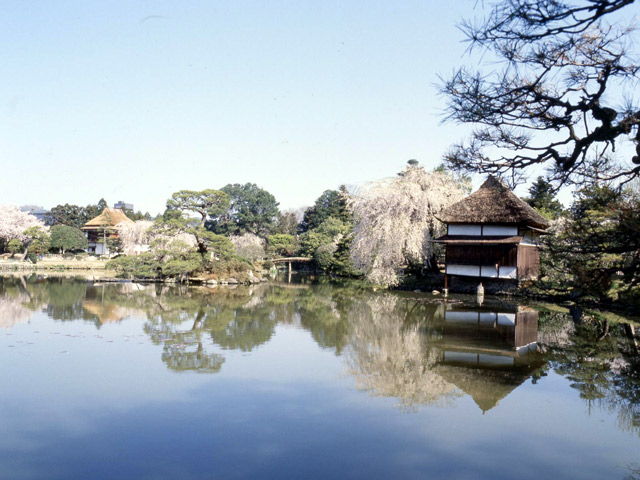
In the third year of the Meiji era (1657), the Ike-Izumi Kaigai-style daimyō garden was built by the Tsuyama feudal lord, Mori Nagatsugu, to mimic the Kyoto Sendō Imperial Palace. At that time, it was about three times larger than it is now, and it was also used as an entertainment place to entertain the messengers of other clans. It has a borrowed view of the Chugoku Mountains, and the long north-south ponds include Nakanoshima, Pengrai, Fengrai, and Kirishima, as well as four islands, while the Kazetsu and Qingliang stands. The graceful landscape is designated as a national great win.
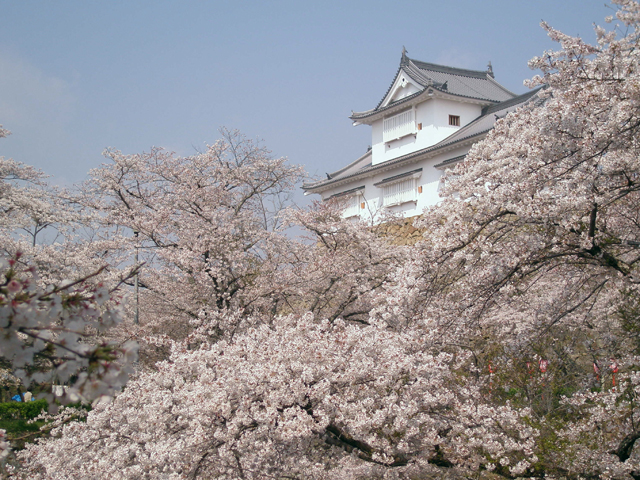
In the 9th year of Gyeongsang (1604), Tsuyama Castle was occupied by the first feudal lord, Tadamasa Mori, and took 13 years to complete the second year of Genwa (1616). At present, the remains of the Honmaru remains and a stone wall with a height of 45m. The whole area is maintained as Tsuruyama Park. It is counted as one of Japan's three great Hirayama castles. It is also known as one of the leading cherry blossom spots in western Japan, and has been selected for "100 Sakura Places", "100 History Parks in Japan" and "100 Great Castles in Japan".
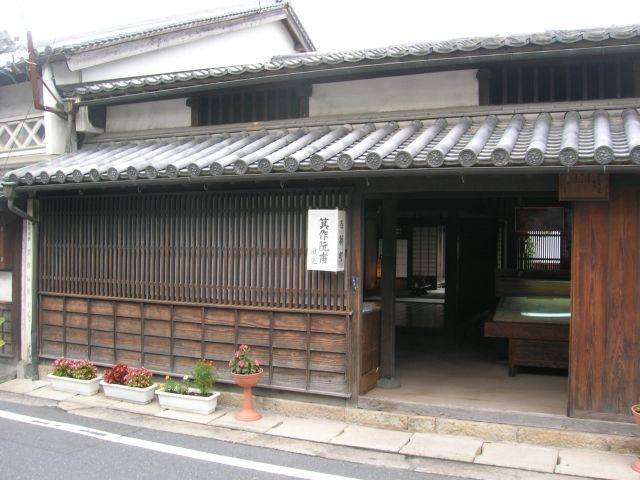
The birthplace of Minusaku Ryangfu, a Western scholar at the end of the Tokugawa period, who lived until the age of 13. In 1976, the town houses of the Bakumatsu, including the main house, the kakite, the courtyard and the well, were faithfully restored and designated as national historical sites. The family tree of Mino writer is also exhibited at Dozo.
It opened in the spring of 2016 as the Tsuyama Manabi Railway Building, where you can "see, touch, and learn" Ayumi Yashikumi on the railway. The former Tsuyama fan locomotive is the second in size of the existing fan locomotive in the country. The transfer stand is used as the only active duty transfer stand in Okayama Prefecture, and the former Tsuyama Ogata locomotive and transfer stand have been certified as Modernized Industrial Heritage, Railway Memorial, and Recommended Industrial Heritage. The locomotive displays 13 valuable vehicles, including the "DE50-1", a Daesel locomotive built with only one car, and the "D51-2", a well-known degoichi nickname.
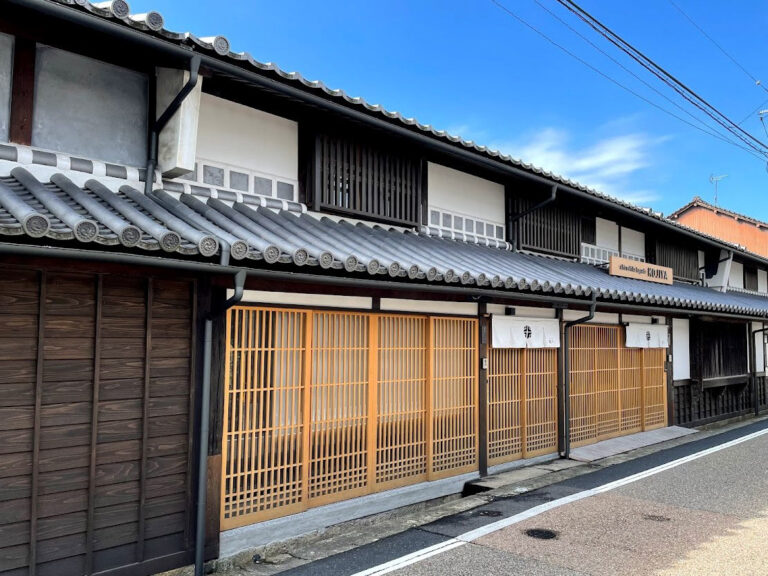
The old townscape around the former Izumo Kaido, which runs from the Miyagawa east to the east of the site of Tsuyama Castle, has been selected as an Important Traditional Buildings Preservation Area, with Namako Walls and houses with fireproof sleeve walls lining the eaves. Along the road that is broken into a key shape that is maintained to deceive the enemy to think that it is a dead end when the enemy invades, there are highlights such as Sakuzhou Chengdong Yashiki, the historical site of the former house of Minusaku Ruangfu and the town house of Chengdong. It is also known as a location, including the movie "Man is Hard".
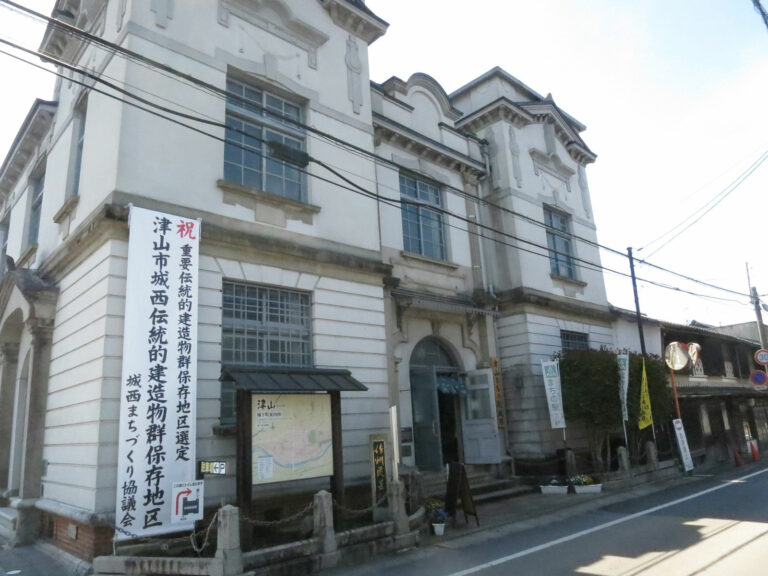
The traditional buildings, centered on the merchant town that often left the land of the Edo period and developed in the modern era based on it, remain densely packed along the line of Izumo-yorai. It is also the largest temple agglomeration site in the town of Tsuyama Castle, where temples of various sects are gathered, and the architectural styles of each period from the early 17th century to the modern and modern times remain. Located on the west side of the site of Tsuyama Castle, in December of the year of the year of Reiwa 2 (2020), it was selected as the second most important traditional buildings preservation district in the city of Tsuyama after the Chengtong district. It is the 15th largest in the country to have two Jiden-ken districts in one municipality.
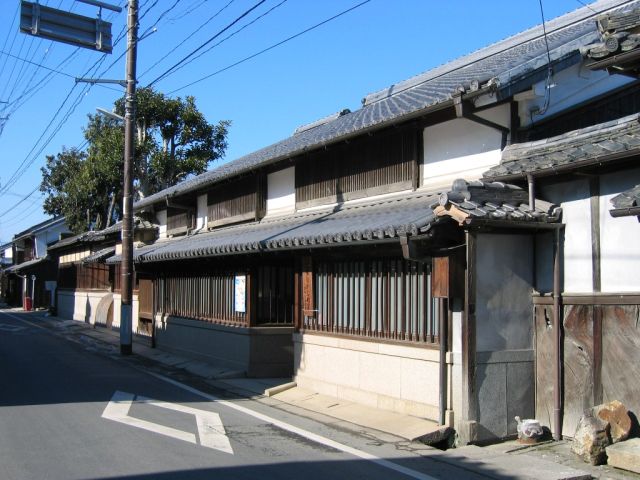
城下町津山の商家の町並みが残る城東地区。津山を代表する商家だった梶村家の住居を一般公開している。風格ある主屋をはじめ、表門、洋館、西蔵、東蔵などが国登録有形文化財。増改築を繰り返したことから江戸後期~昭和初期の建物があり、さまざまな時代の商家の暮らしぶりが偲ばれる。