Archives: Travel Post

Okayama Tourism Souvenir Society

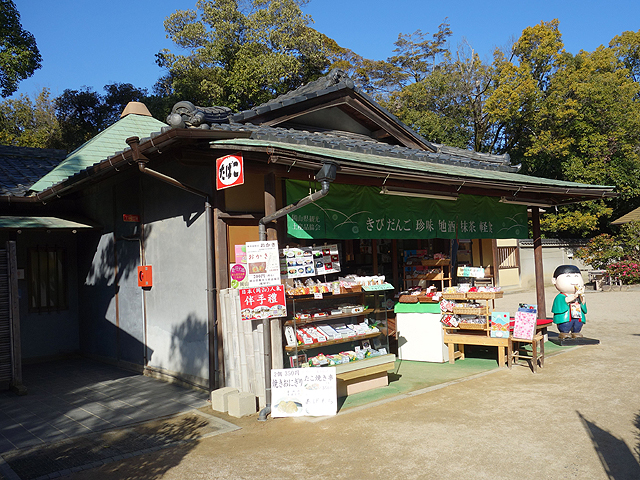
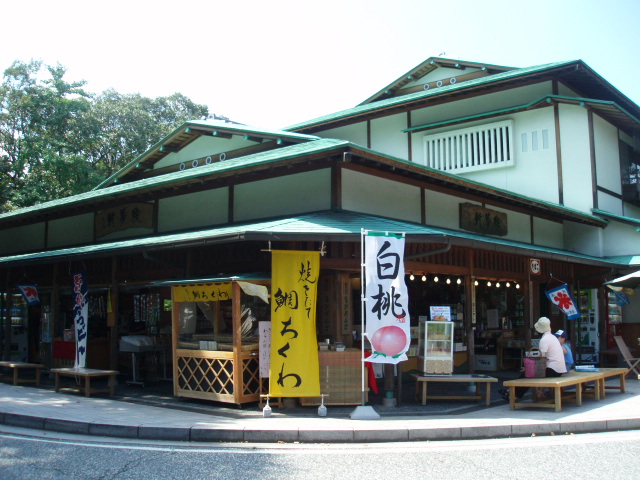
A teahouse on the left just after entering the front entrance of Korakuen. The building of the store uses the Kanshōtei, which was once used by the Okayama feudal lord to view his vassal's art art. There are also various types of local sake and local beer, as well as specialty desserts representing Okayama, such as Kibi Dango, Ikeda, Tsuru no egg, and raw chocolate mochi (seasonal only). Cute sundries, accessories, and backs are popular with souvenirs. There is also a specialty white peach soft cream.
The Remains

A souvenir shop on the first floor of Korakuen Gaien. The thousand yen of the Oniwa-yaki-zumi, which is in the shape of a Tanketsu-kuru, which is released to Korakuen on New Year's Day, and the three thousand yen (five small), are popular commemorations of Korakuen tourism. You can also buy "Oniwa-yaki", a yaki made by the fourth generation, which has been made since the time of Ikeda-Tsunamasa. At the tea corner, you can also taste "Super Premium Jersey" 900 yen, a soft ice cream prepared with the milk of a jersey cow, which is a specialty of Okayama.

Yume-ji Local Museum (Main Building)

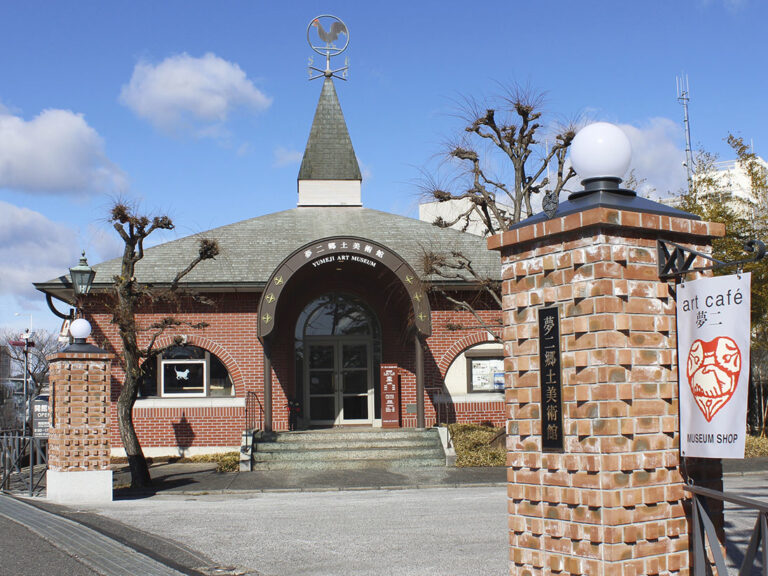
The poet painter and designer from Okayama, who represents Taisho Roman, was founded in 1966 with the goal of Eri. It boasts the best collection of flesh-brush works, including "The West Coast Nude" and more than 3000 pieces. At the main building, a brick building reminiscent of the Taishō period in the neighborhood of Okayama Korakuen, more than 100 pieces are exhibited at all times in accordance with the theme of four planned exhibitions a year. "art cafe Yume-ji", which was renewed under the design supervision of Mr. Shuji Mitooka, and where you can enjoy a cafe and shop offering lunch such as Senya beef curry and original sweets in the exhibition room, is also popular.

Okayama Prefectural Museum

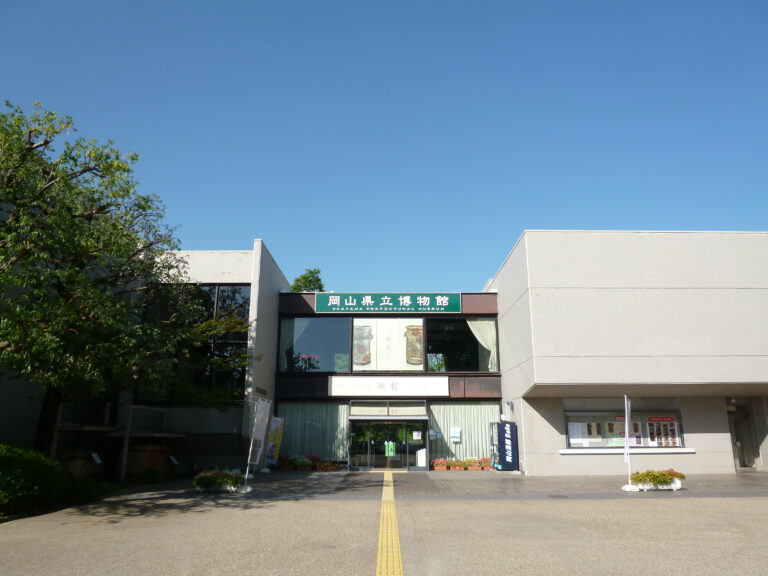
The museum stands in the outer garden of Okayama Korakuen. It collects a large number of historical materials and cultural heritage left in various parts of Okayama Prefecture. The museum is divided into four exhibition rooms, which display art and crafts from Okayama and materials from the Stone Age to the early modern period. The collection includes a wide range of items, including the national treasure "Akakawa Odoshi Yōroi" (Akakawa Odoshi Yōroi), and the National Designated Important Cultural Property of Tachi, the Yayoi and Kōmō period earthenware, the modern era folding screen, documents, folk materials, and the Bizazen ware.

Okayama Koradisa

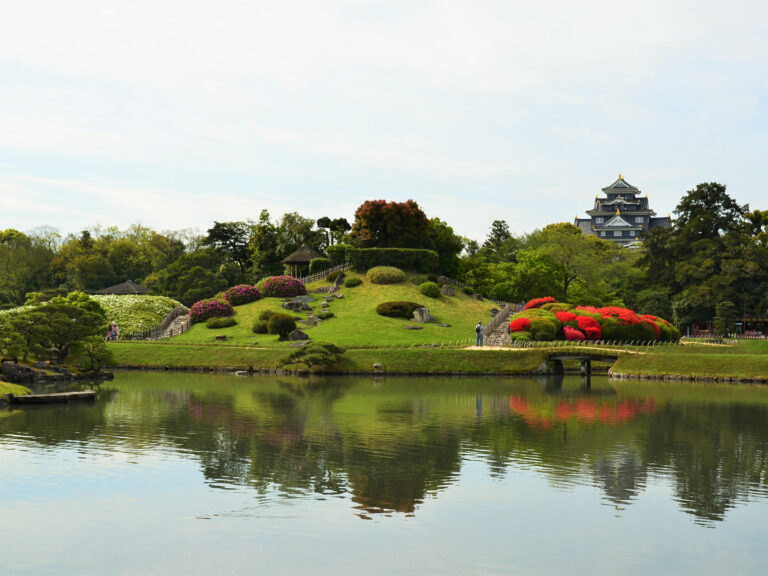
The daimyō garden is characterized by a spacious landscape called one of the three best gardens in Japan. It spent 14 years on the order of the Okayama feudal lord, Ikeda Tsunamasa, and was completed in a prima facie in the year of Genroku 13 (1700). The mountain is borrowed, with plums, cherry blossoms, and azaleas in spring, and Hanashoub and lotus in summer. It holds a "fantasy garden" that lights up at night several times a year, including in the summer. Highlights and event guidance by volunteer guide (free) and audio guide (500 yen) are available. Free Wi-Fi is available throughout the park.

Okayama Castle (Wucheng)

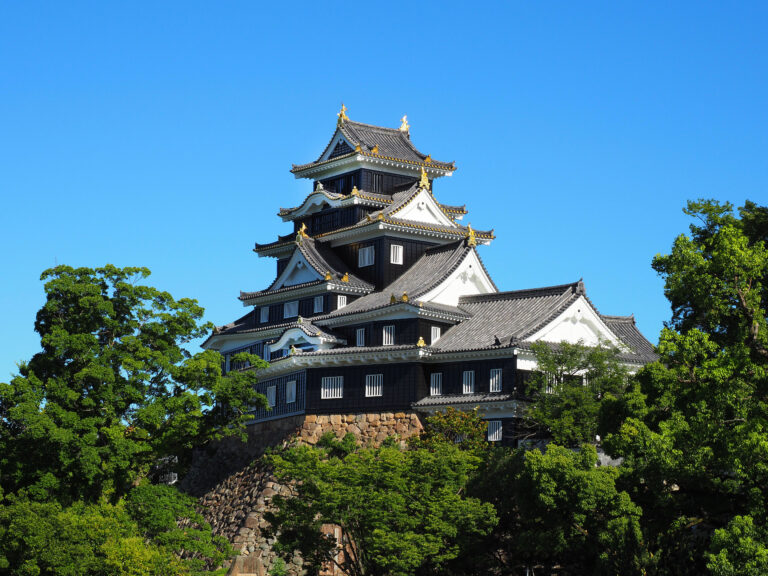
A castle tower was completed by the Ukita Hideie [Ukita Hideie] around 1597. After the Kobayakawa Hideaki, the Ikeda family reigned during the Edo period. The tower, which has an inequilateral five-square base, was burned down in the war, but the outer wall is said to have been a jet-black underplate, and has the other name of Ujo. It was rebuilt in 1966. The Tsukimi and the Nishi-no-Marunishi Tezō are extant and have become national important cultural treasures.

Okayama Prohibition Hall

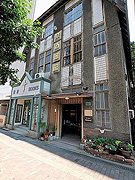
A retro building built in 1923, as a symbol of the temperance movement. It is now used as a complex for cafes and general stores. In addition, in September 2002, it was designated as a National Registered Tangible Cultural Property.

Oka Building Market

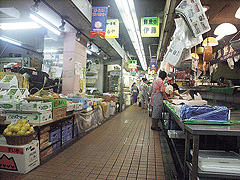
The kitchen of Okayama citizens, which has been since 1951. There are about 30 shops that sell a variety of items, not to mention fresh produce, but also daily items. Interaction with the dashing shopkeeper is also fun. It is also recommended to mix with locals and look for souvenirs.

Traditional Japanese confectionery Bashoan

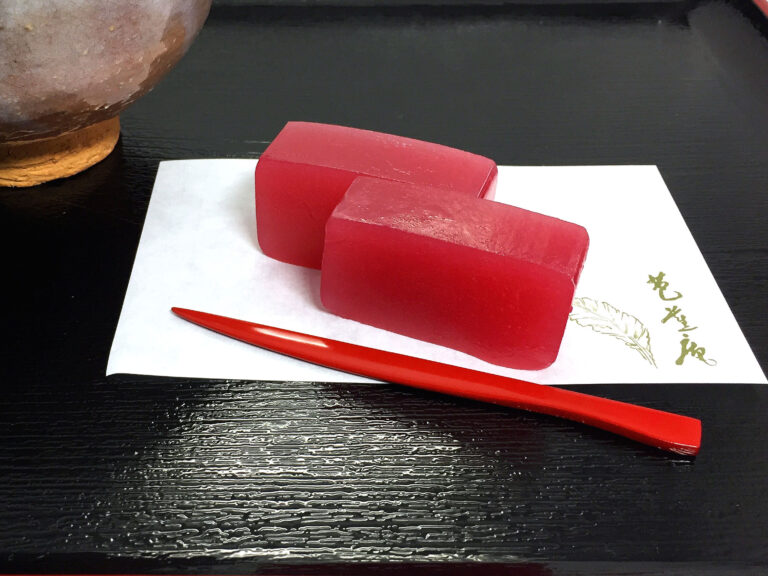
A long-established Japanese confectionery store established in 1909. The popularity is hongyokan (2160 yen), which uses 100% of Bichichu white red beans, Ochian Asahikawa (10 pieces 972 yen), which is dedicated to the Emperor Showa, and chestnut yokan (1944 yen), which is made by peeling and using domestic chestnuts at our shop. When the hot water is poured, a frog made of the middle skin floats on the soup powder. In addition, there is a rich assortment of dried sweets and seasonal raw sweets.

Soury La Seine

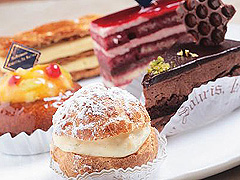
They sell colorful French sweets made in the workshop in the shop. There is a commitment to ingredients, from eggs to flour to seasonal fruit. Among them, you can not miss the 680 yen millefeuille, in which cream is sanded after order. There is a cafe space, and you can also enjoy it on the spot.

Contact Us: Business & Personal Inquiries

By proceeding, you agree to our Terms of Use And confirm you have read our Privacy Policy .

Notes

· We are available for inquiries 24 hours a day. Responses will be provided between 9:00 and 18:00 (including weekends, public holidays, and year-end/New Year holidays).
· Depending on the nature of your inquiry, it may take some time for us to respond.