Archives: Travel Post

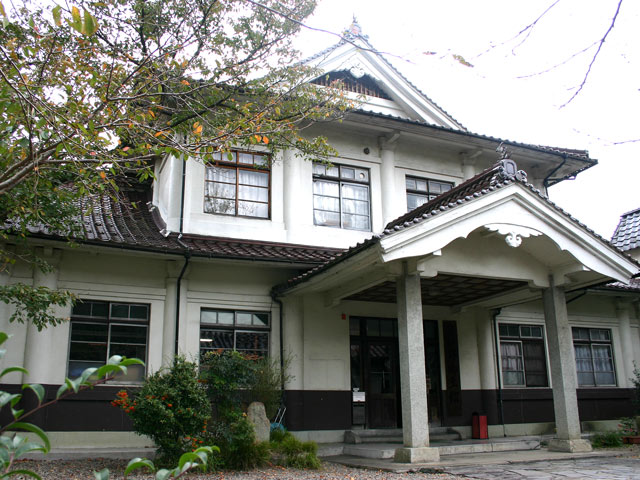
Tsuwano Town Local Hall

It displays about 1000 historical materials from the Jōmon period to modern times of Tsuwano. In particular, materials from the old feudal era to the modern era are enriched, and there are materials that tell the history, such as textbooks and martial arts books from the feudal school, and microscopes that Nishi Zhou bought in the Netherlands. National Registered Tangible Cultural Property.

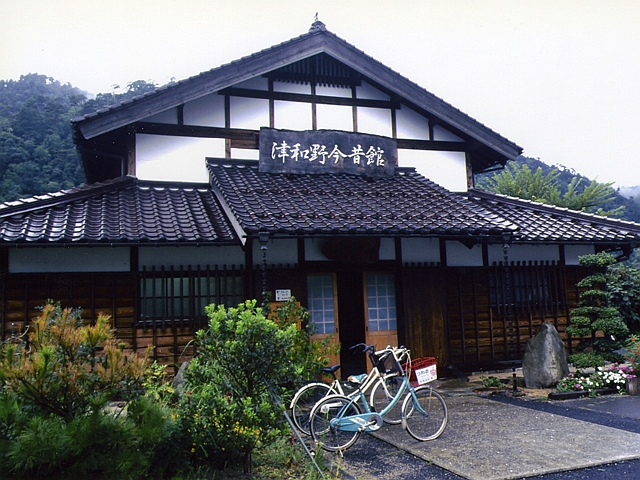
Tsuwano Kongo-kan

A museum that displays the living tools of the Meiji to early Showa era, such as hand-operated calculators, photographic machines, and phonographs. Most exhibits are freely touched, and there is a dial-type public telephone that can be used in practice for 30 minutes.

Takasago Sake Brewery Museum (Zaijō)

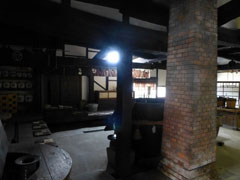
Blessed with good water, Tsuwano has been drinking since the Edo period. In Tsuwano's signature local sake Takasago, and in the Zizakaya brewery known as Ogai, the former sake brewery is published under the name of Takasago Sake Brewery Museum. You can see the tools of old sake brewing, such as a cauldron for steaming sake rice and a stone boat for squeezing sake.

Meishatsu Old Hori-shi Garden (Hori Garden)

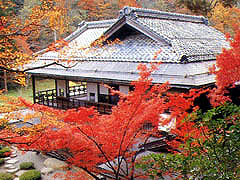
It is a garden of an old house on the outskirts of Tsuwano, about 8km west of the town, and is a garden built by Tojuro Hori, the 15th generation who served as the old man in the Edo period and was known as King Tonzan in the Meiji period. A 300-year-old old tree of Kaede rises in the center of the garden, which is equipped with waterfalls and snow-watching lanterns, and the fresh-green and autumn-leaf season is a special taste. Flowers of the four seasons such as cherry blossoms and plums are also beautiful.

Washihara Park

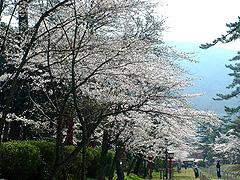
In the garden, there is the Washihara Hachiman-gū, which has become a nationally designated important cultural property, and the Yūyō-ma horse stable, which is the only one in the whole country to have its original form, followed by a row of cherry trees on both sides. In April, the ancient style Yūyū-ma Shrine is held against the background of the cherry tree-lined trees.

Jia Paradise

A park built on the site of the clan residence of the Kamei family, the Tsuwano feudal lord. Monomiyagura [Monomiyagura], which is said by the lord of the lord who watched the festival in the park, is being restored, and the "Babasakiyagura" is being restored on the shores of Miyukibashi [Miyukibashi]. There are many Yae cherry blossoms, and the area is crowded with flower visitors in early April.

Tsuwano-dono-cho street

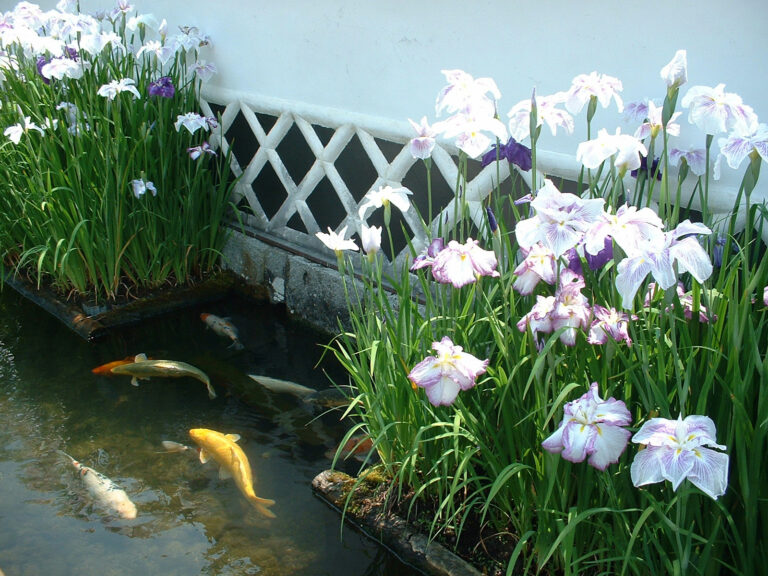
The main street of Tsuwano, which conveys the feelings of the Edo period to the modern era; the clan school yorōkan, which was attended by the Meiji literary writer Mori Ogai as a boy, is also extant; and June has a beautiful contrast between the flower irises blooming in Horiwari and the Japanese carp.

Tsuwano Castle Ruins

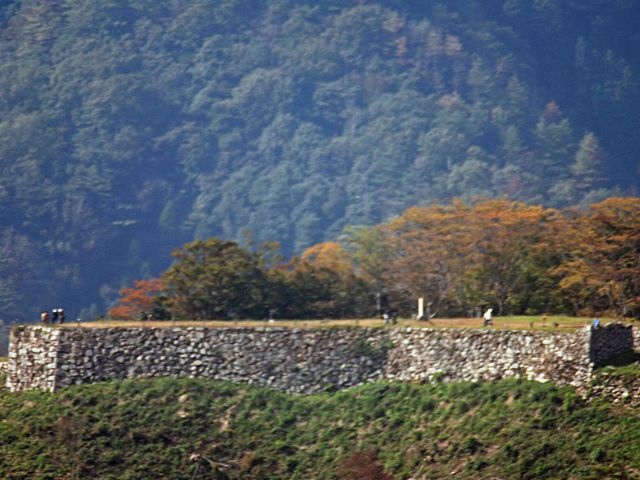
Tsuwano Castle, also known as "Sanbonmatsu Castle" and "Fukijo", is a mountain castle built by Yoriyuki Yoshimi over 30 years during the Kamakura period. At that time, it was only an earthwork, but it was inherited by Kamei, who entered the castle in Keijō 6 (1601) by Sakazaki Dewa Mamoru, who built a stone wall and made efforts to strengthen such as adding the Oribe Maru as Demaru. The building was demolished in 1874, and is now designated as a historic site, with stone walls such as the East Gate, the Tenshōdai, and the Demaru carrying the image of a solid castle at the time of the day. The area is covered with trees and is good for walking, and the autumn leaves of the maple are beautiful.

Mori Ogai Old House

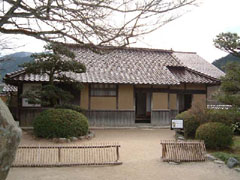
The house where the Meiji Bungo Mori Ogai was born in Bunkyu 2 (1862) and spent until the age of 10. My father is a master doctor of the clan, and the three tatami mats on the left are his father's dispensing room. It is said that four and a half tatami mats in the back were Ogai's study room. It is this house that in the book "Aita Sex Alice" published in the year 1909 (Meiji 42), he wrote, "This is Yashiki-cho, and even in the spring, if you don't see willows, you can't see cherry blossoms." A monument of Ogai's poem "Botan" (ぼ [) "with Haruo Sato's brush stands in the front garden.

West Zhou Old Residence

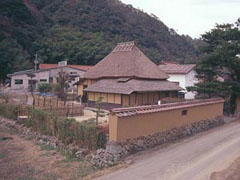
Nishishu was born in Bunsei 12 (1829) to the family of a physician in the Tsuwano Domain, a philosopher who first introduced Western philosophy to our country. Inspired by Perry's visit, he studied abroad in the Netherlands and studied law and Western philosophy. After his return to Japan, he served as a political advisor to the 15th general, Gyeonghee, and after the restoration, he served as a bureaucrat in the Army, the Ministry of Education, and the Ministry of Internal Affairs. He was active in many fields, including being involved in drafting the Meiji Constitution under Aruto, Yamagata Prefecture. Mori Ogai's Mori family is a relative, and his house is close. The former residence stands opposite the old house of Ogai, across the Tsuwano River. Both the thatched main building, which was rebuilt in the first year of Ansei (1854), and the Tozo, which had Zhou's study room, were designated as historic sites.

Contact Us: Business & Personal Inquiries

By proceeding, you agree to our Terms of Use And confirm you have read our Privacy Policy .

Notes

· We are available for inquiries 24 hours a day. Responses will be provided between 9:00 and 18:00 (including weekends, public holidays, and year-end/New Year holidays).
· Depending on the nature of your inquiry, it may take some time for us to respond.