Archives: Travel Post

Kangoku Temple Gardens

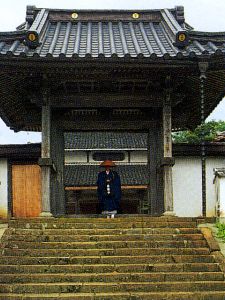
Kangkoku-ji is a temple of the Rinzai sect located northwest of Ichihata Electric Railway Yunshu Hirata Station, at the foot of Mount Tabushi. It was reportedly founded by a local royal family in the late Kamakura period, and is famous for its garden at the shōin house by the hands of the Tsukijōshi and Sawa Gentan, who were the bearers of the Matsue feudal lord, the late Edo period. The Karesan water with a borrowed view of the pond and Mt. In the 2006 year, she was selected as number eight by the "Journal of Japanese Gardening", a journal dedicated to gardens in the United States.
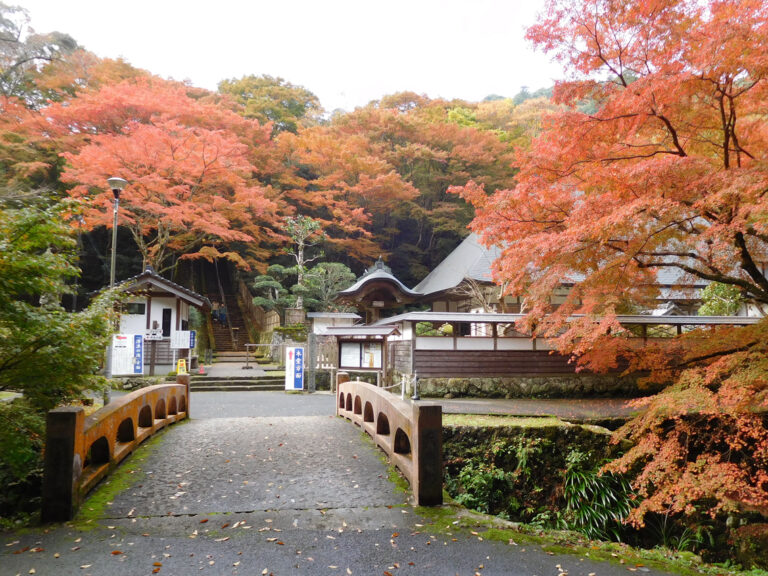
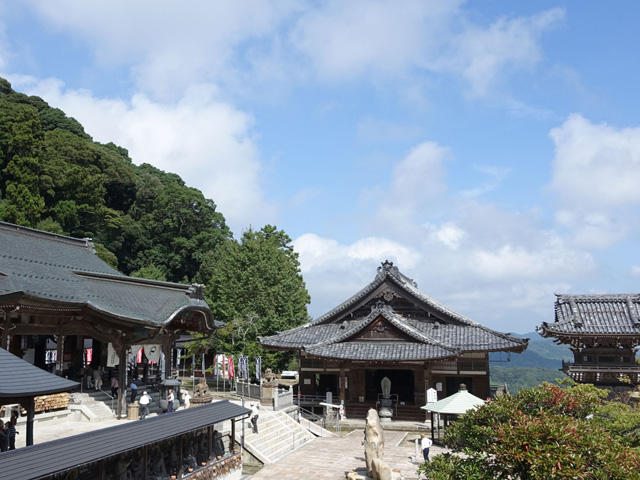
The temple of the temple

An ancient temple that is said to have been trained by the young Musashibo Benkei. There are many repeaters, drawn by the beauty of the four seasons and the hearty precincts. It is well received as a power spot of the heart. It is a 15-minute walk from the parking lot to the main hall. Because it is not paved, check the weather and physical condition and go out. It is not possible to collect mountain grass, use of tripods and monopods ahead from the parking lot. No eating or drinking in the precinct.

Ichihata-ji (Ichihata Yakushi)

Standing on Mount Ichihata at an altitude of about 200m, which overlooks Lake Shinji, the temple is nationally renowned as the Buddha of the eye disease. The origin begins in Kanpei 6 (894) when a local fisherman enshrined the statue of Yakushi Nyorai, which was raised from under the sea. The vast precincts are dotted with the main hall, the hodo, and the Kannin-do, and the 1,300 stone steps are also famous. In addition, you can see a magnificent garden that incorporates Lake Shinji as a borrowed view.

Lake Shinji Green Park

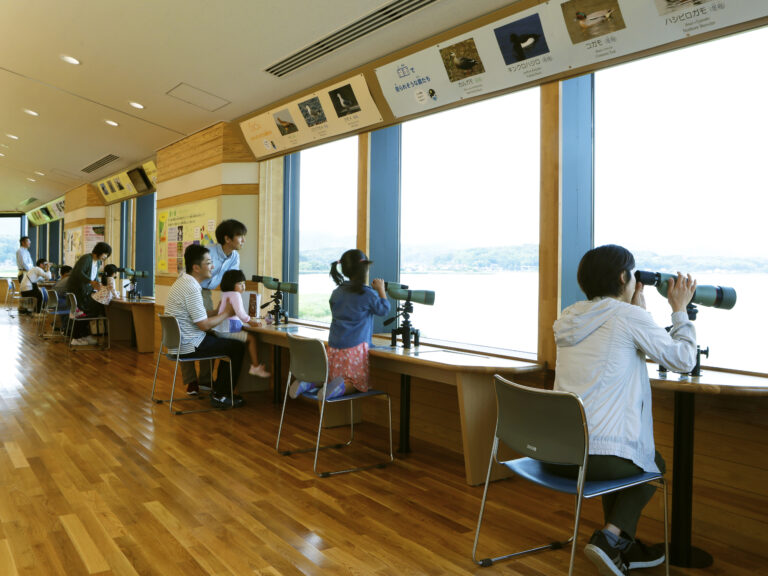
A multi-naturalistic park located on the western shore of Lake Shinji and with a wild bird station adjacent to the lake shore. You can observe various water birds that inhabit Lake Shinji. The second floor of the birding station is permanently equipped with telescopes and staffers, so even the first bird-watching is a relief. There is also an exhibition on the first floor where you can enjoy learning about nature and creatures of Lake Shinji. More than 2000 pieces of penguin goods are displayed at the attached "Penguin Museum". In addition, there are commentary boards and tree name boards of creatures in the park, and it is also recommended to take a walk while enjoying seasonal birds, insects, plants, etc.

Sungmai boardwalk

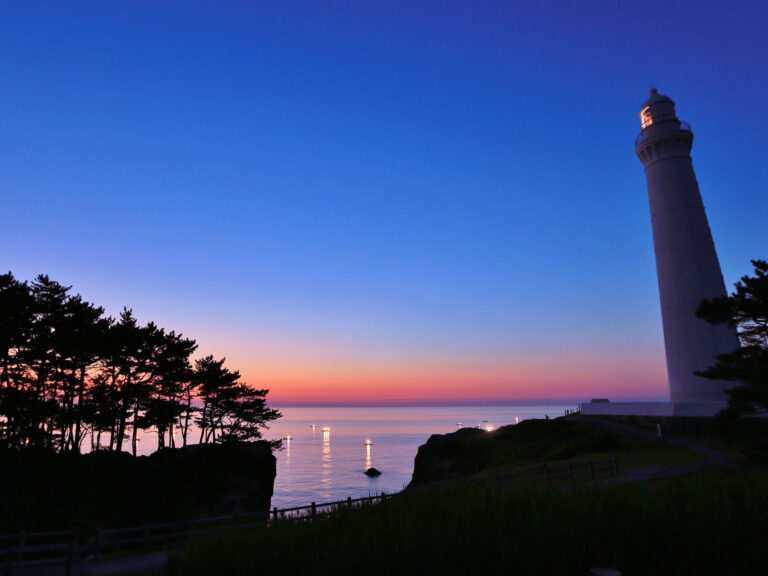
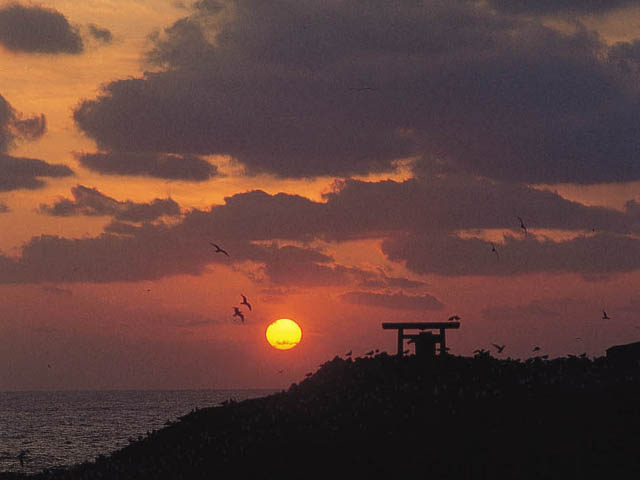
A promenade that runs from the area from the area where you can see the island from the Nichimao Shrine to the area around the Nichimao Lighthouse. Slow walk about 15 minutes each way. It is a great path that allows you to pass through the pine forest and look down at the sheer rock walls where columnar sails have developed. Along the roadside, there is a good bird spot for observing the Keijima, and a Komatsu-daira observation deck, which overlooks the landscape of Izumo-matsujima, which is dotted with beautiful islets. In April 2017, it was certified as a Japanese Heritage Site. It was also certified as a Japan Geopark in December 2017.

Nippo Shrine

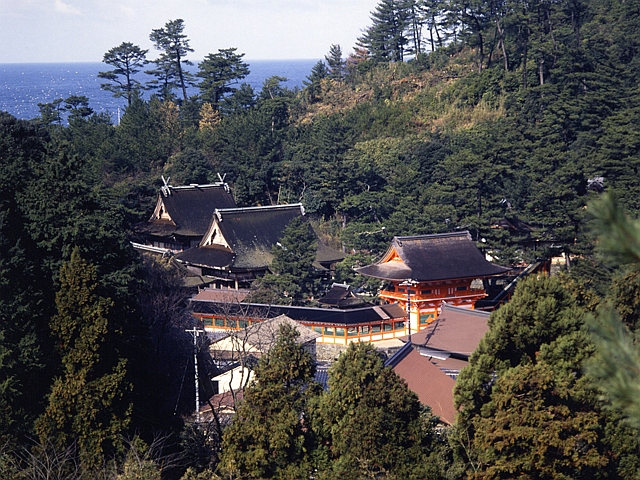
The shrine was built in Kanei 21 (1644) by the Matsue Domain, which received the makeshift order, with the dark crescent of the seafront behind it. Upon entering the tower gate, it is divided into a palace below the front, which celebrates Amaterasu, and a palace above the right, which celebrates Susano-no-Mōmei [Susano-no-Mōkō], both of which were followed by the main shrine and the shrine of worship. Fourteen of the brilliant buildings, including the Tower Gate and the Corridor, have been designated as National Important Cultural Properties. The Wafukari [Mekari] Shinto ritual on January 5 of the lunar calendar is a brave ritual that is transmitted to this shrine.

Keijima

It is an islet floating 100m off the coast of the west side of the Himi Shrine, where the palace below the Himi Shrine used to be nestled. It was named because the angular rock appears to be a layer of suchikumaki, and also to write as "Fumishima". It has become a major breeding ground for Umineko and has been designated as a national natural monument, probably because the shrine's holy site forbids non-Shinto travel. The sea cat is seen every year from mid-November to early July. There is an observatory bird watch [Torimi dai] on the Nichimao promenade with a view of the Keijima in front of you.

Shirube, a specialty store for red stamp books

It is a specialty store of red seal books, and the original red seal books are handmade by one artisan. You can make an original red seal by combining the letters of the red seal book, fasteners, and red seal book of your own design. The rabbit pattern, which is also the trademark of Izumo Taisha, is popular, and the playful design is pretty.

Kamio Izumo.

You can buy sacred salt, which is made up of seawater at the beach of Inasa, where the god of eight million is greeted. There are items that are perfect for souvenirs, such as ''serving salt'' that sucks evil when placed at the entrance and calls for good edges, ''Shinmei salt'' that can be used in cooking as edible salt, and ''Mimori salt'' that can be carried as a talisman.

Fukunowa

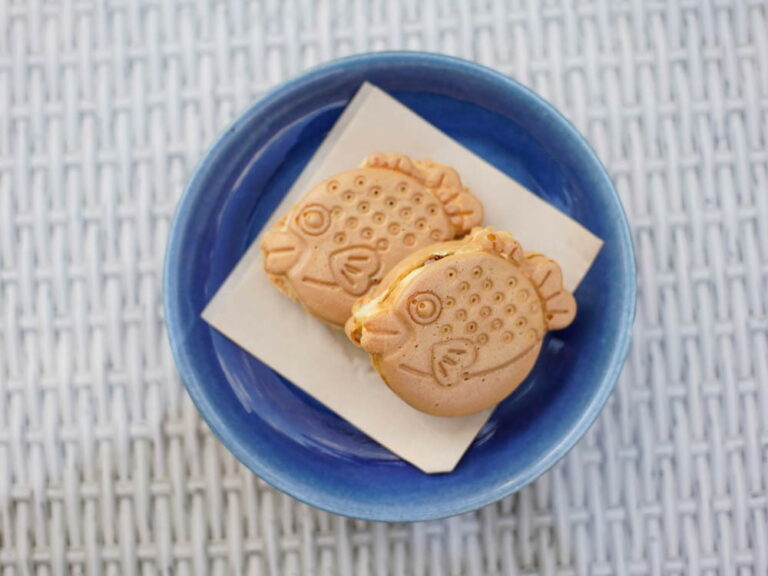
Located in front of the Izumo Taisha Co., Ltd., a shop that sells processed puffer fish products. In the store, the baked goods "ofukuyaki", which is made with the motif of puffer fish, is gaining popularity. There is also an eat-in space in the store, so you can take a break.

Contact Us: Business & Personal Inquiries

By proceeding, you agree to our Terms of Use And confirm you have read our Privacy Policy .

Notes

· We are available for inquiries 24 hours a day. Responses will be provided between 9:00 and 18:00 (including weekends, public holidays, and year-end/New Year holidays).
· Depending on the nature of your inquiry, it may take some time for us to respond.