Archives: Travel Post

Yatsuhashi-an and Shishuyakata

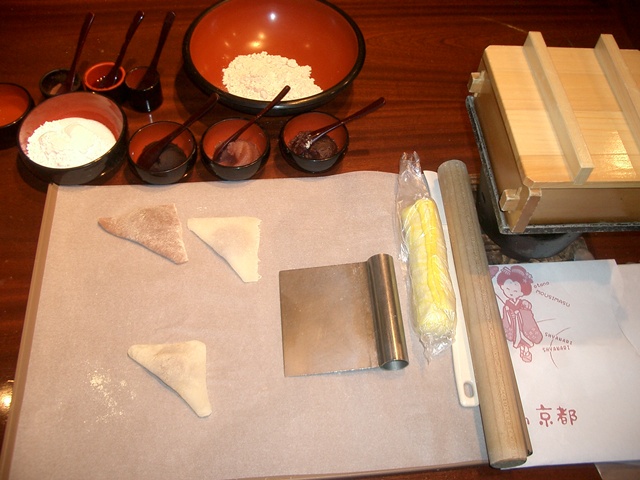
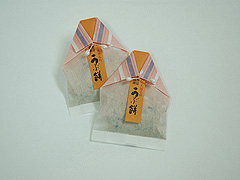
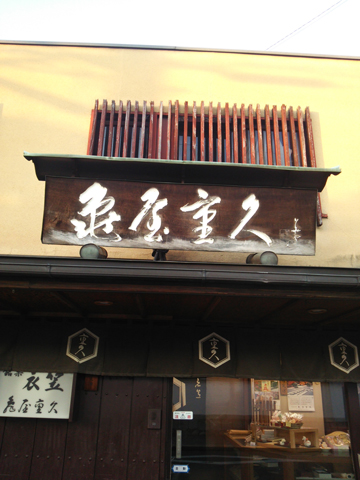
Kyoto, Kyoto Confectionery Culture Experience Hall. You can take 20 hands-on courses such as the experience of making raw Yatsubashi from fabric 1230 yen and handwritten yuzen 1330 yen (reservation required). At the Shishu Museum on the second floor, about 50 items are always on display, including gem pieces of Kyoto embroidery by master masters. You can tour the production of the raw-eight bridge at the raw-eight bridge workshop. There is also a selling corner for embroidered accessories and Japanese and Western confectionery.
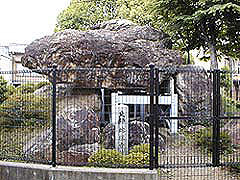
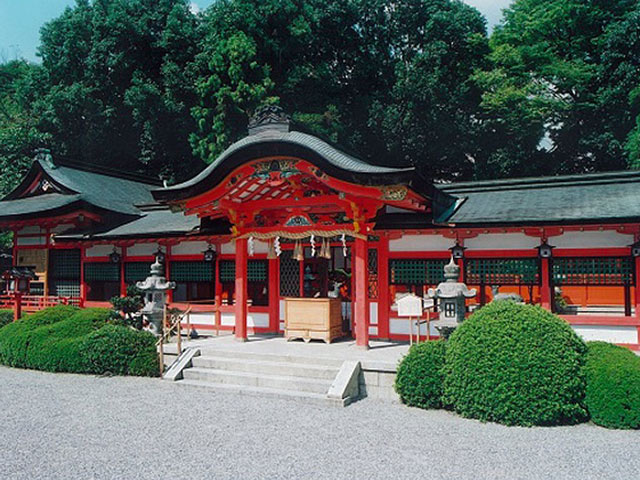
The serpentine mound

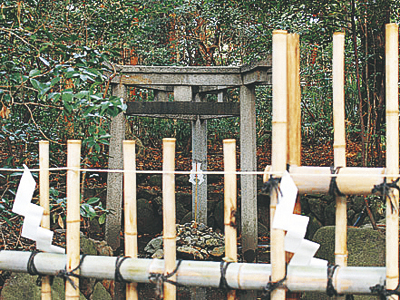
One of the best ancient mounds in Kyoto, which is considered to be the tomb of the Hata clan. It is a front-back circular mound from the early 7th century, with exposed side-hole-type stone chambers loaded with megaliths, the length of the entrance room is about 7m.

Saiin Kasuga Shrine

A long time ago, there was a reiishi/herphigomite (published on the 1st, 11th and 15th) that he cured the illness of Emperor Junwa's Princess Aiko [Takako], who is therefore revered as the guardian god of sickness healing, disaster elimination and health longevity. In addition, there is a shrine located in the precinct, and when Junwa-in was set on fire, according to the words of Empress Masako, the lady, the Empress was enshrined as the posterity "Great God of the Rai" in honor of being safely returned until the entourage. It is now revered as the god of "travel safety".

Kijima Zaten Teru Osoul Shrine

Since Uzumasa was the place where Mr. Hata, who excelled in the techniques of silkworms and weaving, a silkworm company was celebrated in the precincts of the Kishima Zaten-Teru-Gotama Shrine, and is commonly referred to as a "silkworm company". Even now, the thread-maker's faith is thick. In addition, there is the only three-pronged Torii in Japan in front of the three sides.

Koryu Temple

Mr. Qin's temple. It is said to happen that Hatanokawakatsu created Iyu by serving a Buddha statue that he had received from Prince Shōtoku. The treasure crown Maitreya half-thought statue (national treasure) is enshrined. The treasure statue of Maitreya half-thought (national treasure) is called a crying Maitreya because of its crying expression. In addition, there are many Buddha statues of national treasures and important cultural property. The auditorium (Important Cultural Property), nicknamed Akadō, was built in the late Fujiwara period.

Umemiya Taisha

It is located on the east bank of the Katsura River. It is said that he was pregnant with the later Emperor Nimei when he moved something enshrined in Ide-cho [Tsuzuki Gundecho], Sengki-gun, to his present land by Empress Danlin [Danrin] and prayed for the birth of a prince. Since then, he has been revered as the god of the child priest, Ansu, and has a custom of stepping over the staddage stone of the east of the main shrine, and of receiving soil. In the main shrine, he enshrines the god of sake, the god of sake, and the god of sake. About 400 plums are planted as sacred flowers, and the oyster is also famous.

Fruit Parlour Cricket

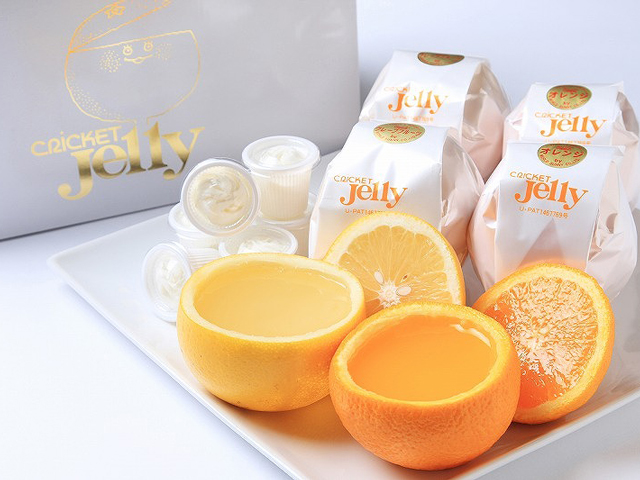
A six-minute walk from Kitano-Hakuremecho Station, where the Kitano-Tenma Palace is located, and a fruit parlor opposite the Hirano Shrine, famous for its early-blooming cherry blossoms. In addition to the long-listed "Cricket Jelly", you can enjoy a photogenic ice bar with beautifully lined raw cut fruits. In addition, fruit sand with plenty of 7 kinds of ripe fruit is also popular.

Moriei Sasaya

A shop in front of the safe-use god-site shrine (straw Tenjin), a specialty of which is a soft rice cake made by mixing tsubu paste into a fertilizer, and a large amount of self-milled fragrant kina flour.

Kameya Shigehisa

A long-established Japanese confectionery store with more than 200 years of existence, Shigehisa Kameya's Nameka Confectionery, located in front of Hokumon, Myoshinji Temple. The sugar of Yuzu is added to the joyaki senchi, and the taste and aroma are elegant. From 1200 yen to 7 packages (can be sold in bulk). In addition, "Kinugasa" is made of soft fallen wild goose and comes in two colors, white and matcha, with red bean koshian inside.

Kyokomo no Kinugasa

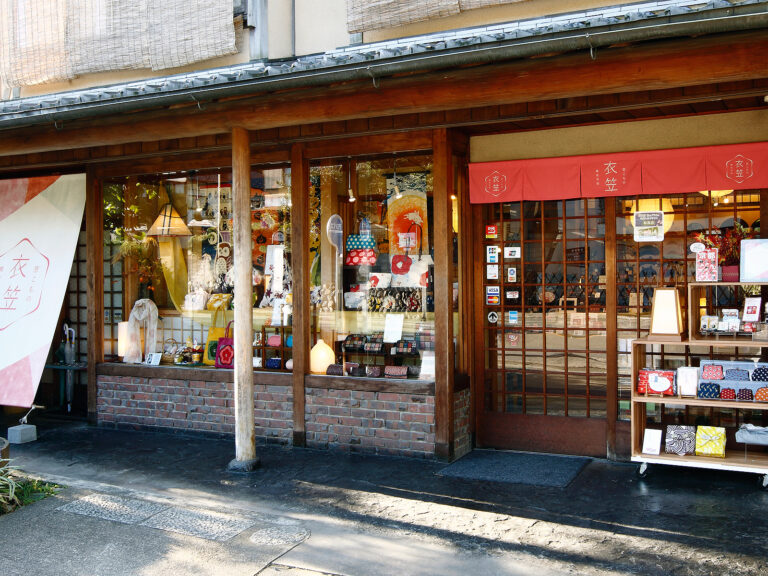
A selection shop of small Japanese goods in front of Ryōanji Temple, which is fun to see and use, not only for yourself, but also for souvenirs. In particular, the red seal book and the red seal book made of Nishi-Iori Kinko are recommended for accompanying red seal tours.

Contact Us: Business & Personal Inquiries

By proceeding, you agree to our Terms of Use And confirm you have read our Privacy Policy .

Notes

· We are available for inquiries 24 hours a day. Responses will be provided between 9:00 and 18:00 (including weekends, public holidays, and year-end/New Year holidays).
· Depending on the nature of your inquiry, it may take some time for us to respond.

RURUBU & ALL WAY JAPAN
Privacy Overview

This website uses cookies so that we can provide you with the best user experience possible. Cookie information is stored in your browser and performs functions such as recognising you when you return to our website and helping our team to understand which sections of the website you find most interesting and useful.