 English
  Japanese
  Chinese (China)
  Chinese (Taiwan)
  Korean
 Omori Resort Campground
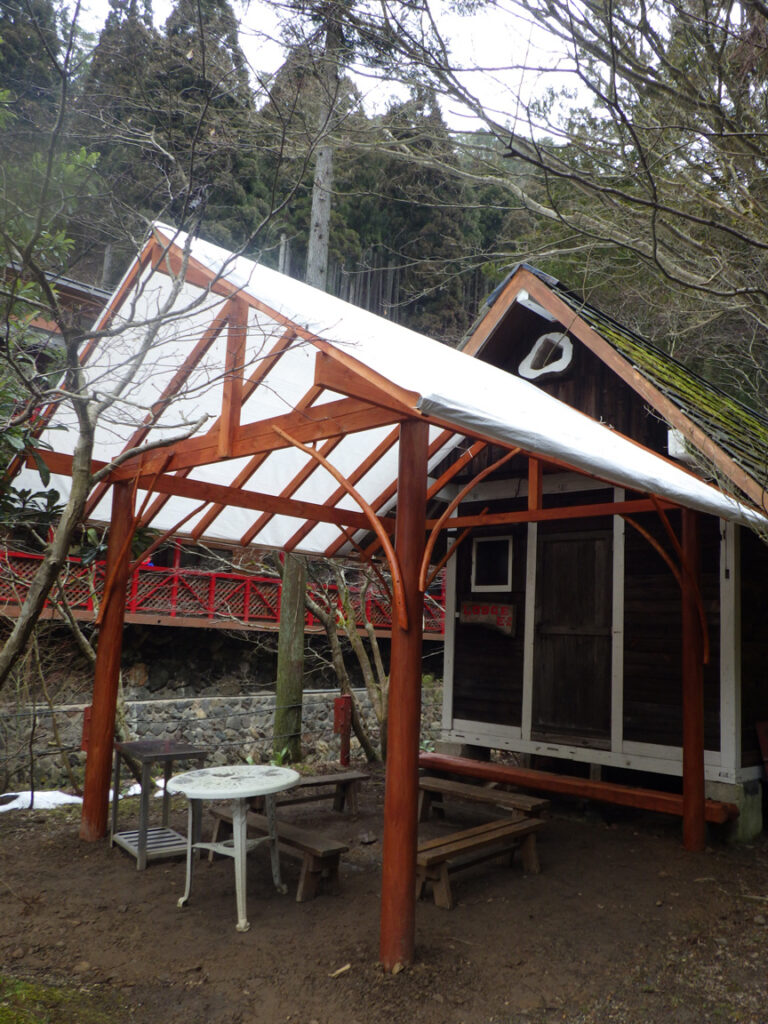
There is a rare hiki horse experience at the grazing site, and a campsite for families surrounded by water and greenery. The school content is also substantial, including trout fishing and craft classes.

There is a rare hiki horse experience at the grazing site, and a campsite for families surrounded by water and greenery. The school content is also substantial, including trout fishing and craft classes.
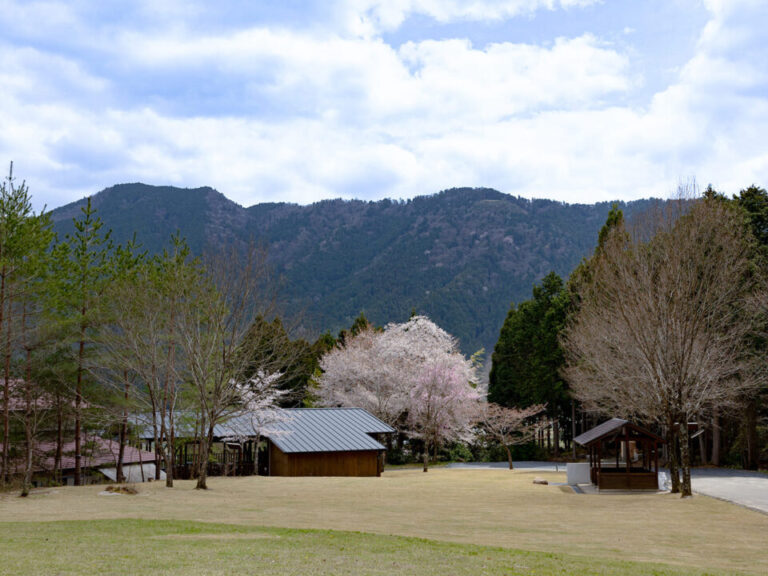
There is a BBQ facility in Ukyo-ku, Kyoto that can be enjoyed empty-handed. There is also a playground equipment for children and a shop. You can also experience charcoal kiln tours and shiitake mushroom cultivation.
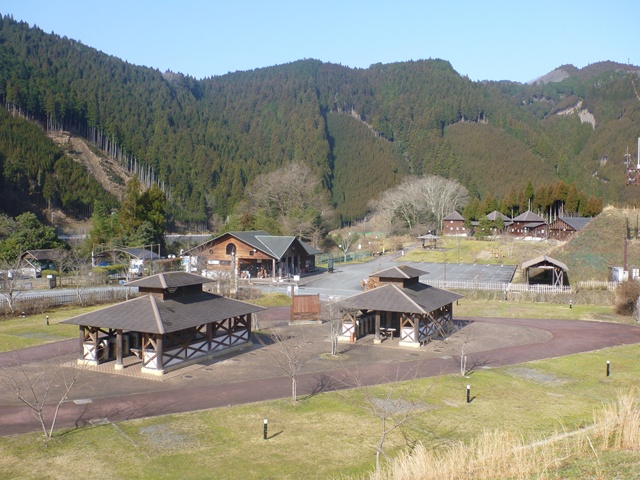
A mountain line facing the flow of the Jōgachi River. Surrounded by lush forest, you can fish and play in the water. The large auto sight has an AC power supply and is wide enough. In the artificial mountain stream in the area, fish catch and catch are also performed in summer. Tent 1 Zhang 830 yen, Auto Camp 1 lot 5230 yen and Cottage 1 building 10,5710 yen. Cottage check-in at 14 o'clock, check-out at 10 o'clock. Auto Camp check-in at 12 o'clock, check-out at 11 o'clock. Check-in at 8:30 and check-out at 17:00 on the day camp.
An ancient temple in the mountains of the flower back. Japan's oldest stage-built main hall (Important Cultural Property) stands on a cliff 15 minutes from the Nioh Gate (Important Cultural Property). It is a Shugen-dojo called Kita-Omine for Nara and Omineyama, and it is not possible to see children and groups under and under the rainy weather.
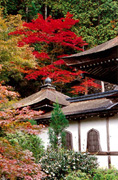
In the first year of Sadaharu (1362), the hermitage was formed by Emperor Kōken, who had left the middle of the war and entered the Zen-do. The precinct where the Buddha Temple and the Shari Temple stand is filled with cherry blossoms, and among them, the 600-year-old Kuju cherry tree (natural monument), which hangs a lot of thin branches, is particularly beautiful. In addition to this, there is Sakon Sakura, who is said to have divided the cherry blossoms of Kyoto Imperial Palace in the Edo period, and there is also a cherry blossom in the return of the car, which is said to have been moved by Emperor Go-Mizuo to return Mikuruma. The appearance of the flower, since mid-April. Please apply for 10 or more people in advance by fax.
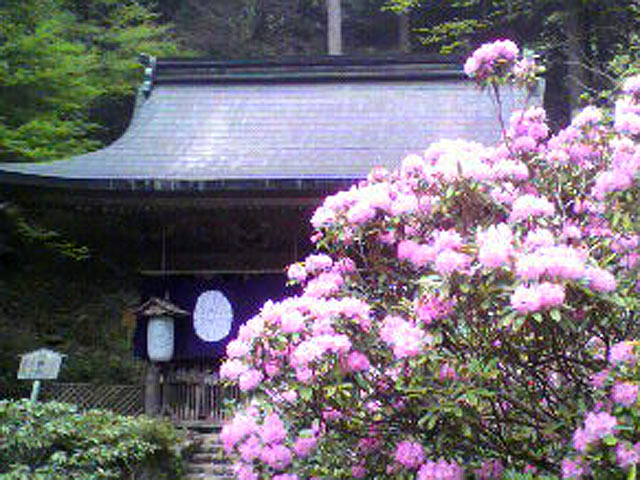
Shugen's dojo stands tucked away in the mountains of the source of the Kamo River. It is also called Iwaya Fudo because of its celebration of the Fudomyo, but is officially named "Iwaya-san Shimyoin". It is reported that Kūkai was founded by the founder and actor of Shugendō as Kaesan and the Imperial Household. In the mountain area where the giant tree covers the heavens, there are many places to visit, such as the flying dragon waterfall and the Homa cave, and it is famous as the land of the Kabuki-hachiban "Narujin" and the natural monument Shakunage Forest.
You can enjoy the oyu of the Ohara onsen at the open-air Gojimen-in, Kyoto, which runs along the approach to Jakuin-in, Kyoto. It has a history of more than 100 years.
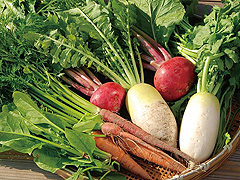
There are a lot of attractive establishments, such as "Shunshina Market", which sells fresh vegetables and locally-made products, and "Hanamurasaki", which uses specialty ingredients. Check out the morning market, which is held every Sunday.
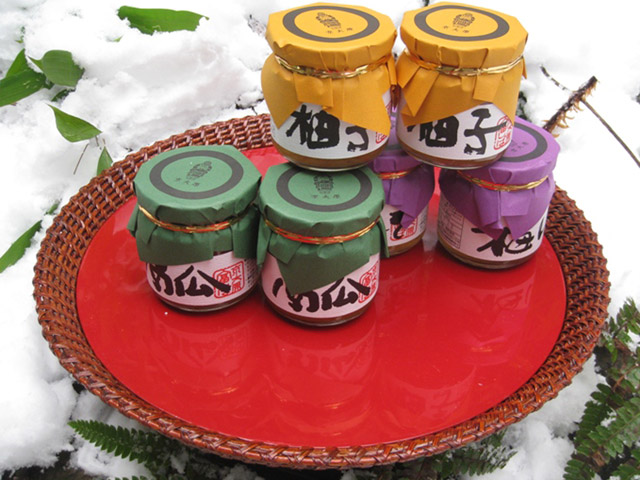
The barrels are staggered in the storefront, reminiscent of a pickling shop at first glance, but all we're dealing with is jam. All of them are manufactured using no preservatives and taking advantage of the taste of the material. In addition to classics such as blueberries, there are various unusual things such as pumpkin, yuzu, and plum shiso each 500 yen.
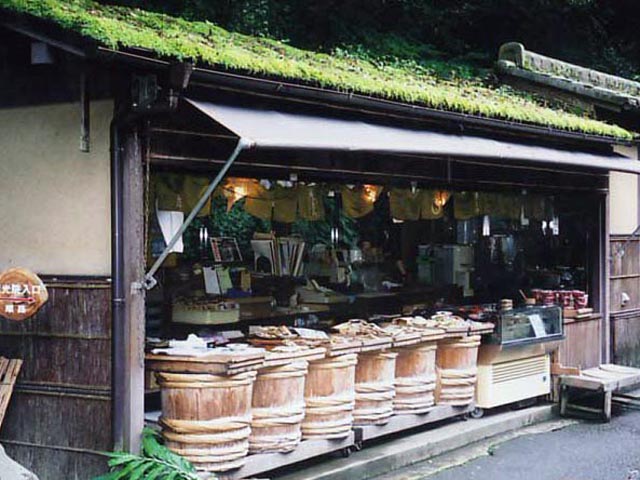
A store of Kyo Pickomono and Tsukudani in front of Jakukoin in the area of Kenrei-in Temple. The recommendation is 180g 450 yen pickled shiba using self-grown perilla. It is chopped so that it can be easily eaten. In addition, there are 450 yen of old-fashioned Kyoto Mibuna with ginger, 500 yen of Sansho Kombu and 500 yen of leaf and toagarashi.