Archives: Travel Post

Munchun

The Karakuri doll located to the east of the Hokunoyama Shinpuku-ji Hoshoin (Osu Kanon) precinct. The model is based on the 7th feudal lord, Tokugawa Muneharu, who created the foundation of Nagoya, and the doll, which imitates Muneharu, is dressed in a fancy costume and appears while riding a cow to wattle a long kissel. The performances of "Karako" and "Urashima" are alternately performed once. The doll is written by Nagoya puppet writer (late) Yuriko Mumido [Yuriko Mudo], and it is a modern style.
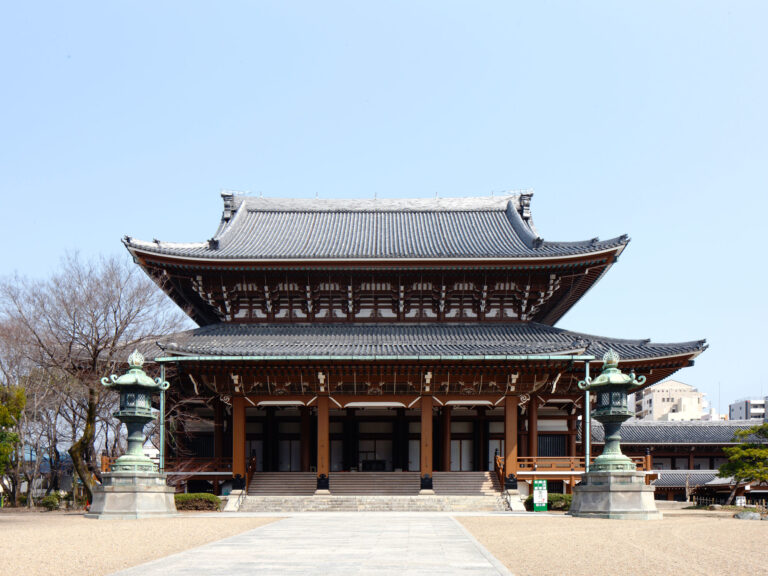
Shinshu Otani School Nagoya Bepen-in (Tōnen-in)

A temple built on the site of Furuwatari Castle, which was the residence of Nobunaga's father, Nobuhide. There is a monument to the Furuwatari Castle in the precinct. The festival is held on the 12th of every month, and the "Meets Organic Market" is held on the 28th of every month.

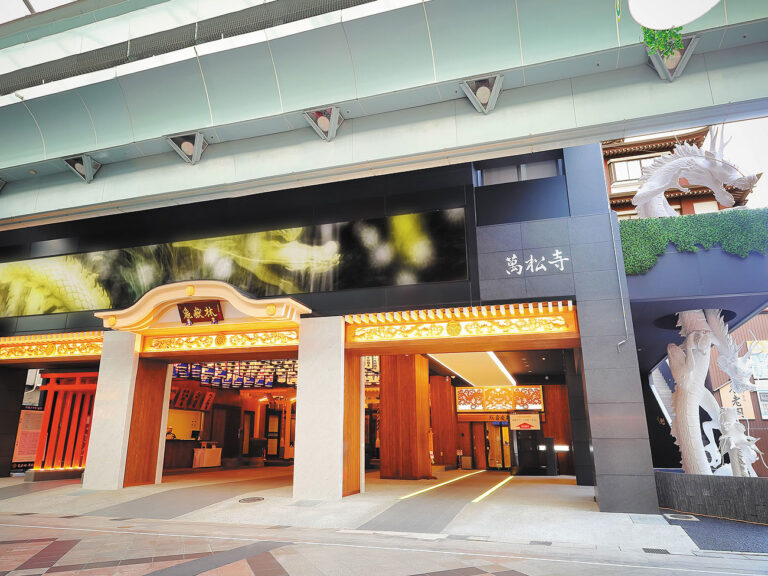
Kamedake Forest Mansho Temple

Mansho-ji Temple in Osu, Nagoya, was built by Oda Nobunaga's father, Nobuhide, as a bodhi-ji temple for the Oda family in the year 1540. This temple is the setting for an anecdote in which Nobunaga hurled a matka at his father's funeral. It is famous for the "Nobunaga" (staged times: 10 o'clock, 12 o'clock, 14 o'clock, 16 o'clock, and 18 o'clock), which has the venerable of saving the land of Nobunaga. The new temple "Hakuryukan" was completed in May 2017. The huge White Dragon Monument works in conjunction with the large LED vision to produce sound, video and water. Performing times: 11 o'clock, 13 o'clock, 15 o'clock, 17 o'clock, 19 o'clock and 20 o'clock.

Ryokiya Korekihoncho

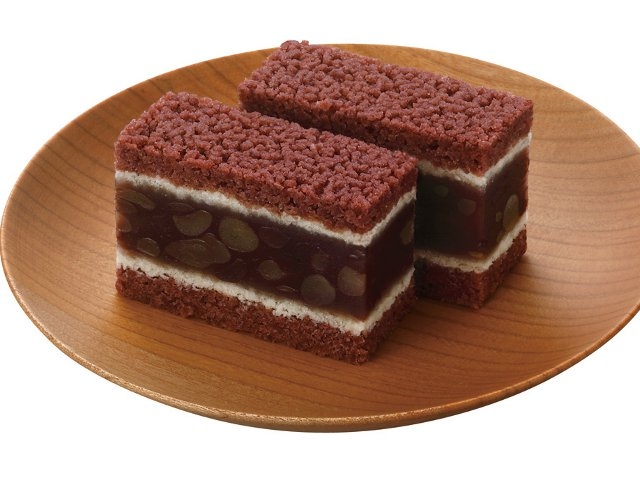
Since its inception in Nagonohonmachi, Nagoya in Kanei 11 (1634), he has been working on Japanese confectionery for more than 380 years. With the intention of the second generation Owari feudal lord, Mitsutomu Tokugawa, he went around the signboard of "Mikazosho Ryoguchiya Korekiyo", and then through the Edo period, along with the development of the tea shop Nagoya, he received orders from samurai and merchant houses, mainly for raw confectionery, and honed his technology. After the war, the company also worked on mass production through mechanization under the motto of "making sweets loved by a large number of people", and as a result, it is now sold in Tokyo, Osaka and other parts of Japan besides Nagoya. Average purchase amount 1300 to 1500 yen.

Mino Tadashi Main Store

Founding First Year of Ansei (1854). The Owari Domain Goyoyo Confectionery Shop, drawing on the flow of Kikyoya, and the representative Nami-ka-ka-ka, "Uari-yokan" and "Hatsukatsuto", a steamed yokan that continues from the Edo period, all for 2484 yen. There are sales shops in each of the department stores in Nagoya city and in Centrair, and the popular popular Nagoya souvenir is "Gossama" at 141 yen, "Yukihana no Mai" at 216 yen and "Ogura Kinoki" at 216 yen.

Tsubaki ONIGIRI STAND

A takeaway shop for rice balls. There are about 10 kinds of rice balls, including "Maldon" made with salt from the British Royal Warrant. All of the rice balls are particular about the ingredients, and simple rice balls are a dish that you will want to eat even every day.

Favorite items

We mainly deal with items from Japan from the 1960 s to the 70 s. We buy items that are difficult to obtain in the retro kitchen, home appliances, and furniture.

CECILIA

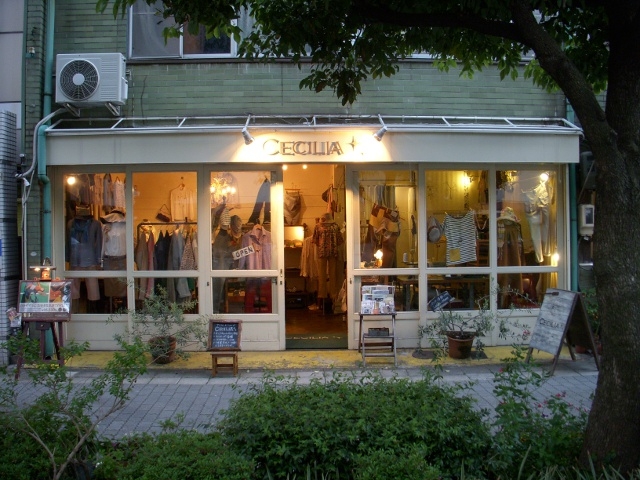
An atelier shop with a leisurely calm atmosphere looking at the street trees. Regardless of age or gender, items from handmade writers (hats, bags, accessories, etc.), as well as casual original clothes that naturally fit into the personality of the person who wears them, are also available. In the store, original custom order pants that can be made in your own size by selecting your favorite from more than 50 kinds of fabrics are popular for both men and women.

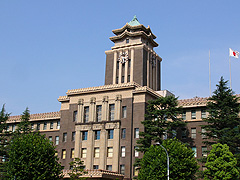
Nagoya City Hall Main Office Building

The main building of the Nagoya City Hall was constructed as the Emperor Hirohito's Daitonen business, and was completed in September 1933. The two-tiered roof of the clock tower, which rises in the center of the front, has a four-sided glaring, and is designed to harmonize with Nagoya Castle. It boasts a prominent scale as a town hall at the time, creating original designs on the wall using specialty tiles, and skillfully weaving traditional designs inside. It was highly praised as a memorial building building in the early Showa era that incorporated Japanese elements in the Western style of architecture, and was designated as a national important cultural property as "Aichi Prefectural Government Building" in December 2014, together with the adjacent Aichi Prefectural Government Building, it is also used as a location for movies and dramas.

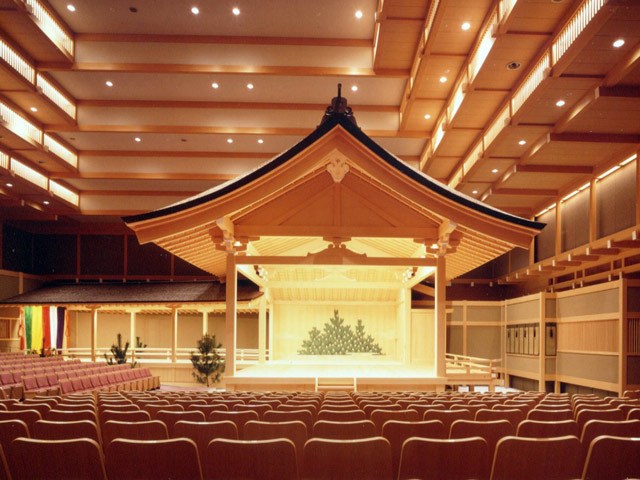
Nagoya Noh Theater

The Noh theater, one of the largest in the country, stands in front of the Nagoya Castle Gate. Total 630 seats. The stage is made of Sogiso cypress, and Oimatsu and Wakamatsu of the mirror plate are replaced every year. Depending on the performance, it is possible to watch Noh while listening to the commentary earphone guide. There is also a stage release date.

Contact Us: Business & Personal Inquiries

By proceeding, you agree to our Terms of Use And confirm you have read our Privacy Policy .

Notes

· We are available for inquiries 24 hours a day. Responses will be provided between 9:00 and 18:00 (including weekends, public holidays, and year-end/New Year holidays).
· Depending on the nature of your inquiry, it may take some time for us to respond.

RURUBU & ALL WAY JAPAN
Privacy Overview

This website uses cookies so that we can provide you with the best user experience possible. Cookie information is stored in your browser and performs functions such as recognising you when you return to our website and helping our team to understand which sections of the website you find most interesting and useful.