Archives: Travel Post

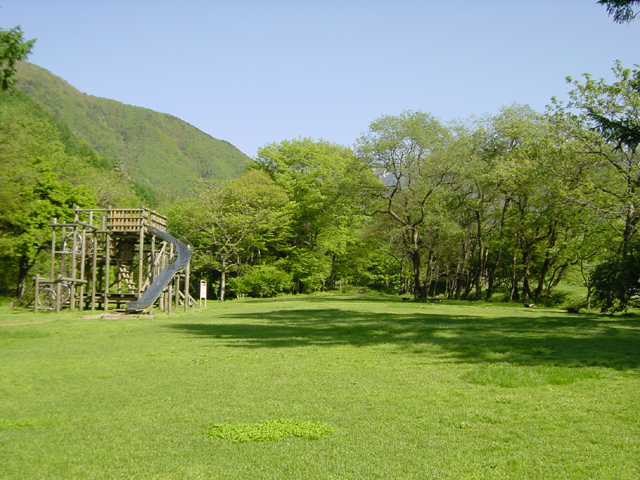
Kiso Koma Forest Park

It is located in the western part of the Kisoma Kogen, which overlooks Mount Kiso Komagatake to the east and Mount Ontake to the west. Various facilities to interact with nature are scattered in the spacious hardwood forest. In addition to sports such as Mallet golf and tennis, there are auto campsites and dog runs. In addition, at the barbecue house, you can bake lamb and pork barbecue, as well as caught char and fished trout on the spot.
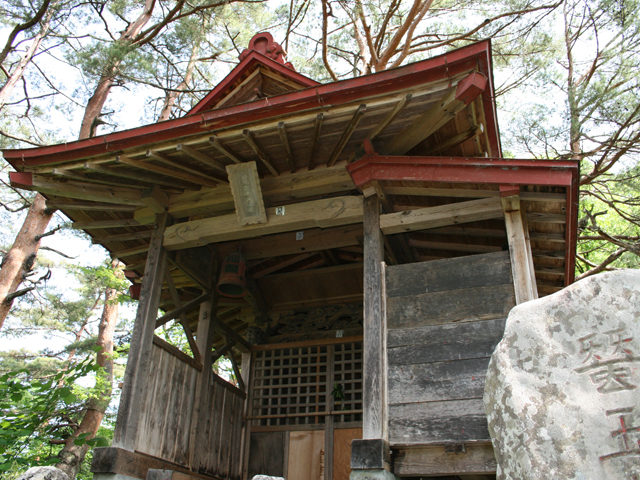
Iwahua Guanyin (Yinaka Ma-kon)

Iwasha-kanyin is counted among the three Kiso-san-kanyin alongside Maruyama-kanyin in Kaita and Iwade-kanyin in Okuwa-mura. Once around Kisoji, the people's thick faith was gathered by Kanon Guanyin in prayer for the breath of the ox horses, which are vital to life. This is also one of them, and it is said that the spiritual ritual that Kiso Yoshinaka celebrated is a new Guanyin. The shrine stands on a rock with a little poor footing, but has a good view of Mount Ontake.

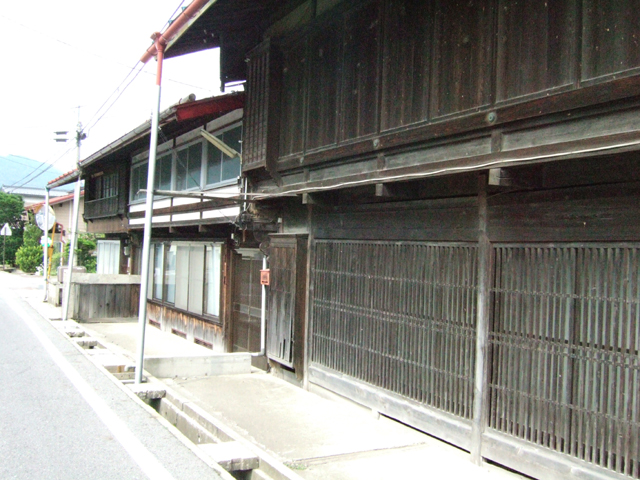
Miyano-Etsu Inn

The hamlet along the Nakasendo road, which left Miyonogoshi Station and took a left at the intersection in front of the Tonakabashi, is dotted with the image of the former Miyonogoshuku. The only thing you can see around this area is a private house of Izubari-zukuri (dashibari-zukuri), which is typical of the post town. Like the birthplace of Kiso carpenters, the design is elaborate on each of the carried-out (boards fitted to support the beam). In addition, the remains of the main staff and the restaurant remain in the main town at the center of the inn.

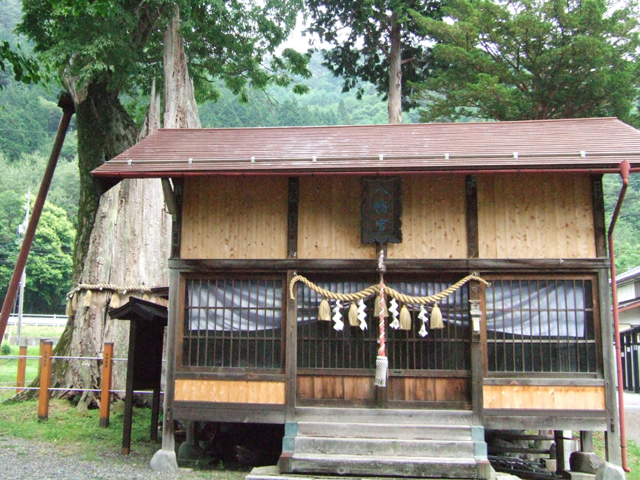
Flag Yahimatomiya

The name came from the fact that Yoshinaka, who received the decree [Ryoji] of King Ijin in 1180 (1180), gave the Heike Pursuit Flag and Victory Prayer here. It is believed to be the origin of the erection that he invited the Ishinomizu Hachiman-gū in Kyoto, known as the guardian deity of the samurai, and celebrated this place where Yoshinaka set up a hall. The ceremony of Yoshinaka's original clothing was also held in this precinct, and the large gelkova on the side of the shrine, which is said to have been planted at that time, is known as the Yoshinaka-no-kelayaki.

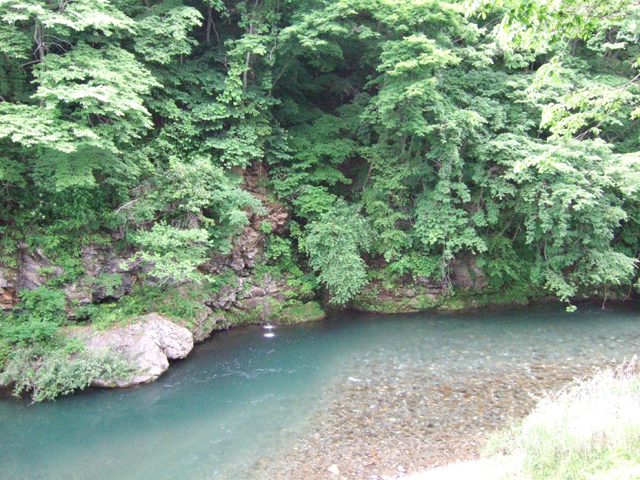
Tomoe Kechi

If you go up the Nakasendo along the Kiso River from the front of Tokunji Temple, you will come to the foot of Mt. The abyss of the Kiso River, which meanders just below it, is Tomoe Kechi. It takes its name from the legend that the dragon gods living here continued to protect Yoshinaka by incarnating themselves to Tomoe Gomae, a female warrior who fought with Kiso Yoshinaka.

Nihongi hot water

A hot spring that has been familiar to the followers of Mount Ontake under the name of Nihongi no Yu since ancient times. Natural carbonated springs are said to be effective against muscle pain, neuralgia, atopy, cuts, etc. There is also a restaurant in the facility, so you can also taste a variety of wild vegetable dishes. There is also a barbecue house (bringing in ingredients). The recent charcoal spring boom has increased the number of returning visitors from far away, and the source stand is available for free.

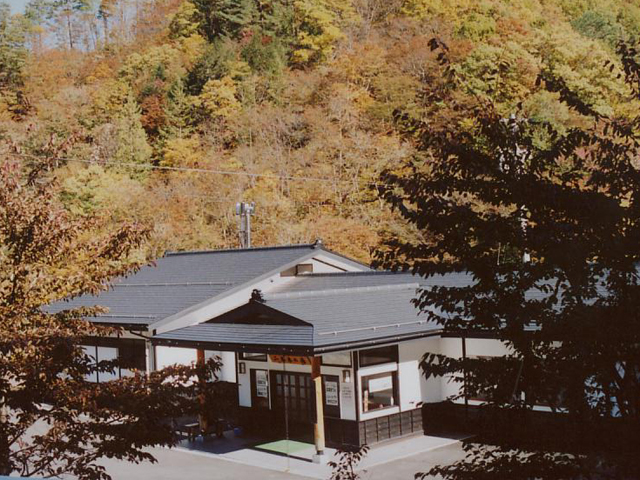
Four Seasons of Babble

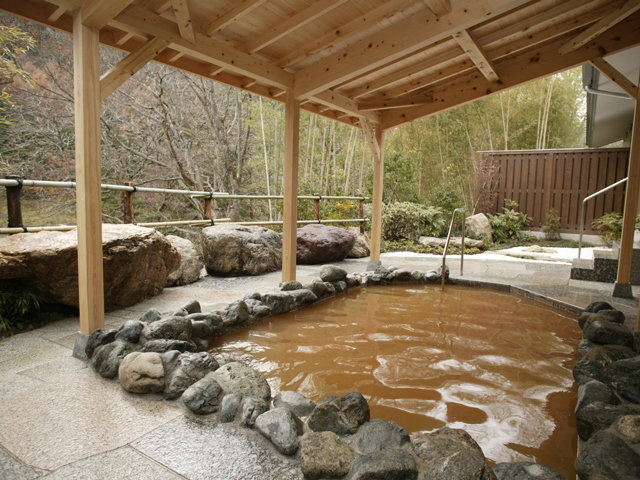
Day-trip hot spring facilities with the scent of cypress. You can refresh in a hot spring where the color of the hot water turns brown when touched by the air. There are large baths of "Hinoki" and "Mikage", both with open-air baths, and the change of men and women depending on the day of the week. You can enjoy Kiso-like nature from the outdoor bath. There is also a stand with a selection of Kiso's famous products and Shinshu souvenirs, as well as a resting place with tatami mats.

Aroma Hall

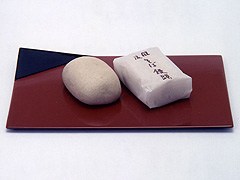
It is a long-established confectionery store in 1913, and the Kiso specialty soba bun is said to have been developed by this store. 115 yen per soba bun, in which a tastefully flavored knead bean paste appears, from a moist skin with a slight scent of soba noodles. In addition, seasonal Japanese sweets such as Park Hōbaki from late May to mid-July, and chestnut sweets from early September to November are also popular.

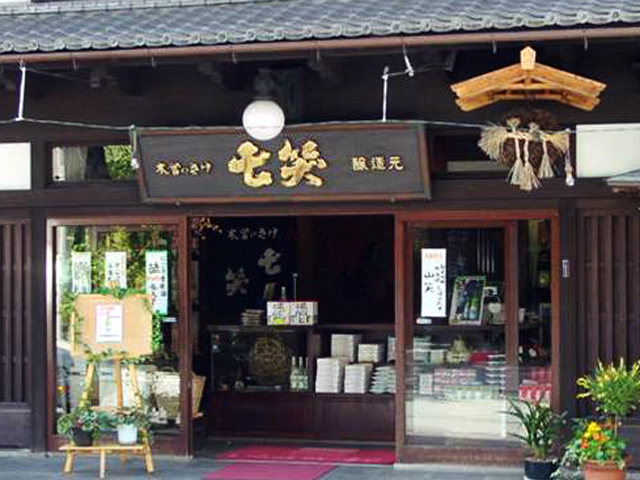
Shichiha Sake Brewery Co., Ltd.

Kiso's namesake, "Nanawarai", is made with rice from Nagano, Miyama Jintao, and Shimizu, which springs on the site. The palpable taste and aroma that you can't get tired of drinking is also highly appreciated by Sake Tsu. Daiginjo Ginhua 720 ml 2750 yen is a savory mouthed sake. Jen rice ginjo 720 ml 1650 yen has a rich taste and soft taste.

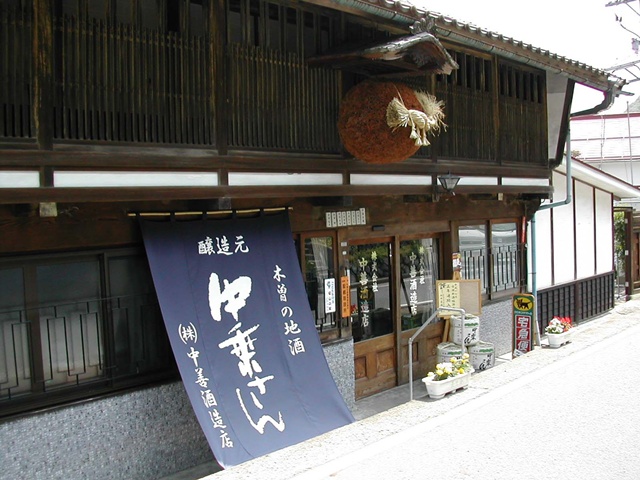
Zhongzen Brewery Store

The local sake of his hometown, which continues to be loved in Kiso. The raw rice is all from Nagano Prefecture, and he carefully produces about 500 stones (90kl) of sake a year. He tries to make sake that conveys the warmth of the creator.

Contact Us: Business & Personal Inquiries

By proceeding, you agree to our Terms of Use And confirm you have read our Privacy Policy .

Notes

· We are available for inquiries 24 hours a day. Responses will be provided between 9:00 and 18:00 (including weekends, public holidays, and year-end/New Year holidays).
· Depending on the nature of your inquiry, it may take some time for us to respond.

RURUBU & ALL WAY JAPAN
Privacy Overview

This website uses cookies so that we can provide you with the best user experience possible. Cookie information is stored in your browser and performs functions such as recognising you when you return to our website and helping our team to understand which sections of the website you find most interesting and useful.