Archives: Travel Post

Katsuyama Dinosaur Forest

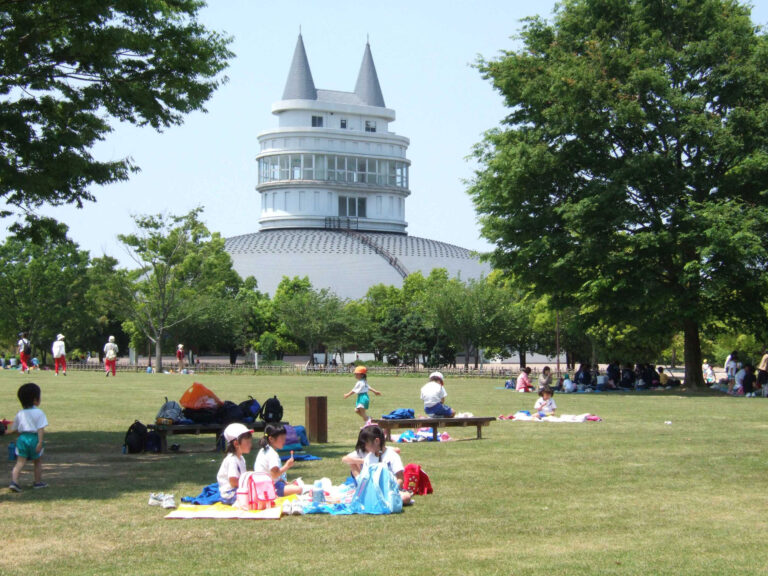
Located in the Dinosaur Museum, Katsuyama Dinosaur Forest is dotted with unique dinosaur play equipment and colorful dinosaur monuments. It is also recommended for snaps, so let's take a walk around the park and shoot the best shots. From mid-March to early November, there are events tailored to the four seasons, such as a fossil excavation experience (reservation required) and a winter experience such as cross-country skiing in January to February. There is also a barbecue facility and you can enjoy the whole day. The fossil excavation experience is 1150 yen for adults aged 4 and over, 950 yen for high school students, and 600 yen for children (only those who participate in the excavation experience can be included).

Heisenji Hakusan Shrine

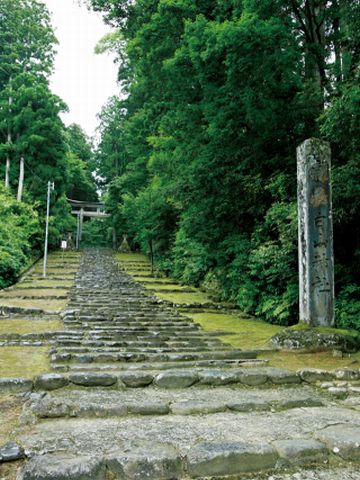
The old shrine was founded by Taisō Taishi, who opened Hakusan, in the first year of Yōrai (717). It had 48 houses and 36 houses of 6000 foysters, and it was a major base for the Hakusan religion, but all the mountains were destroyed by the Ikkō Iki. It now contains seven shrines, such as the Hall of Worship and the main shrine, and the former Genseiin Garden [Kyungen Jōinteen], which is a national masterpiece. The mosses covering the cobblestones are beautiful on the approach to the old cedar, which is called Bodaihanashi, which runs for about 2km, and has also been selected as "Japanese road hundred". Japanese Heritage.
Daishozan Seidaiji Temple (Echizen Daibutsu)

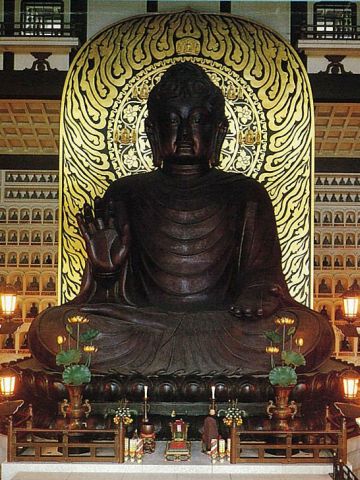
Shōken in 1987. The Echizen Daibutsu, which was enshrined in the Daibutsuden, is 17m in height, which is larger than the Daibutsu Buddha of Nara Todaiji. It was built on the model of a sitting statue in the Longmen Grottoes on the outskirts of Luoyang City, China, with a statue of Arahan and a statue of Bodhisattva on both sides. I would also like to see the decorative wall of the Kowloon Palace, which mimics the Kowloon Wall, China's national treasure in Beijing.

Benten cherry trees

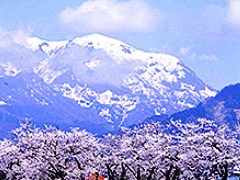
Benten green space and a row of cherry trees matched by the mountains of the Kaketsu border of remaining snow are beautiful. It is best to see the flower while being touched by the breeze of the Kubuchiryū River. The Benten Cherry Blossom Festival, which has a stand, is held between early and mid-April when the cherry blossoms are in full bloom. In addition, one week before and after the Benten Cherry Blossom Festival, bonbori is lit, and you can enjoy the scenic night cherry blossoms. You can also see a co-star with the streetwori, which can be raised after crossing the Kudo Dragon River from early April.

Takeda's oil-raising Taniguchi-ya

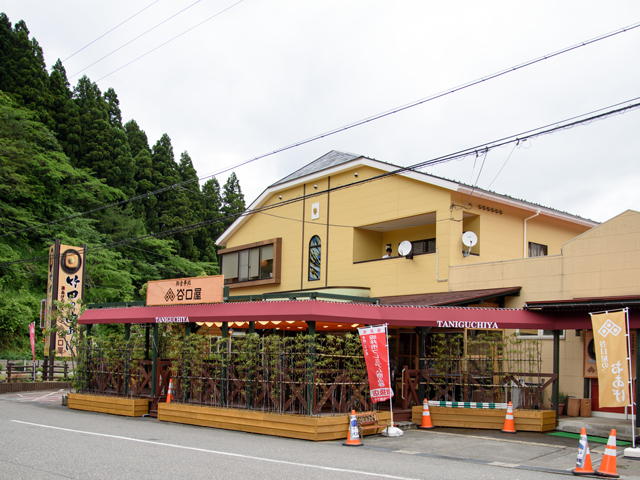
In 1925, the company provided an oil raising that continued to carry on the traditional method of production for three generations. It is 13cm square and 4cm thick enough to be overwhelming, crisp and crispy. The soybeans are made from domestic soybeans, and the water is made from Hakusan Zenjo, which consists of underground water from Lingfeng Hakusan. The bittern is focused on materials, such as the use of natural bittern made from Echizen-cho, Fukui Prefecture, which is made from a natural country that has been laid for one winter. There are restaurants where you can eat freshly fried oil, and in addition to fried oil, the concession stands also sell sweets using homemade soy milk. Sweets are made with modest sweetness and delicious without the use of additives as much as possible.

Marichi Kimono Store

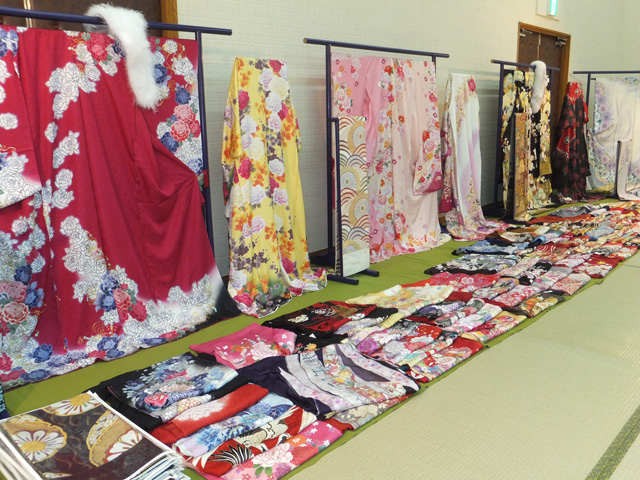
Maruoka Castle, one of the “twelve surviving castle towers,” stands, and is located close to Kasugajo Park, which is also known as a cherry blossom spot. The company was founded at a long-established Kimono store, the end of the Meiji era, and the Daijōshō, Jōshō, and Gōshō-jōshō were born with their grandmother, their mother, and their daughter, and the third generation of parents and children. When advice from each position is received, not only local customers, but also many fans visiting from far away. You can safely consult with anything related to kimono in general, such as omedos, visiting clothes, furisodes, and kimono accessories, as well as purchasing and renting kimonos, removing stains, washing, and changing clothes. Events that go out in kimonos are also held regularly.

Fukui Prefectural Green Center

A comprehensive park facility where you can get acquainted and learn about greenery and flowers while enjoying the vast nature of about 20 hectares. Approximately 900 kinds of trees and 65,000 trees are planted in the garden, and symbolic facilities such as Woodroom Fuqui, Wood House Kupu, Flower Exhibition Greenhouse (commonly known as Onion House), large wooden playground equipment, and Lawn Square are located. Especially in the flower display greenhouse, many flowers are blooming throughout the year. There are also frequent events on flowers, greenery and trees, such as horticulture and lectures and garden-building events.

Ningataya PA [Up]

The first parking area where you go through the mountain area and enter Fukui Prefecture. It is located between the Kanazu IC and the Maruoka IC on the Hokuriku Expressway, about 7.5km from the Kanazu IC. The facility is a small-scale PA with only a 24-hour convenience store "FamilyMart", but it's a quiet place surrounded by green rural scenery and recommended for refreshment breaks. In addition to the usual standard products, the convenience store also sells Fukui souvenirs such as "Maysugase" and "Taniguchi-ya no Oage".

Ningataya PA [Descent]

Recommended for a refreshment break in a parking area surrounded by green mountains and idyllic countryside. It is located between the Marooka IC and Kanazu IC on the Hokuriku Expressway, and about 3km from the Marooka IC. Small-scale PA with 20 parking lots for small cars and only a convenience store "Family Mart" (7 to 20 o'clock). There is an eat-in space in the convenience store, so you can feel comfortable even in rainy weather. In addition to the usual standard products, the convenience store also sells Fukui souvenirs such as "Maysugase" and "Taniguchi-ya no Oage". "Platto Park" (7-20) is also attached.

Sakai City Maruoka Historical and Folk Materials

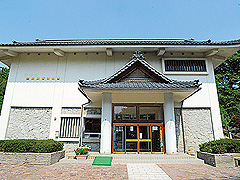
The museum is located in Kasugajo Park, where the castle remains of Maruoka Castle are maintained. It was opened in 1978 to commemorate the 400 years of Tsukijo in Maruoka Castle, which was built by Katsutoyo Shibata in 1576. In the permanent exhibition room, a panel exhibition introduces the folk performing arts of Maruoka, as well as the politics, flood control, and culture of the Maruoka clan era, along with history. The real-life exhibits such as coins and clan bills from the Edo period and the Meiji, Taisho and Showa eras are interesting.

Contact Us: Business & Personal Inquiries

By proceeding, you agree to our Terms of Use And confirm you have read our Privacy Policy .

Notes

· We are available for inquiries 24 hours a day. Responses will be provided between 9:00 and 18:00 (including weekends, public holidays, and year-end/New Year holidays).
· Depending on the nature of your inquiry, it may take some time for us to respond.

RURUBU & ALL WAY JAPAN
Privacy Overview

This website uses cookies so that we can provide you with the best user experience possible. Cookie information is stored in your browser and performs functions such as recognising you when you return to our website and helping our team to understand which sections of the website you find most interesting and useful.