Archives: Travel Post

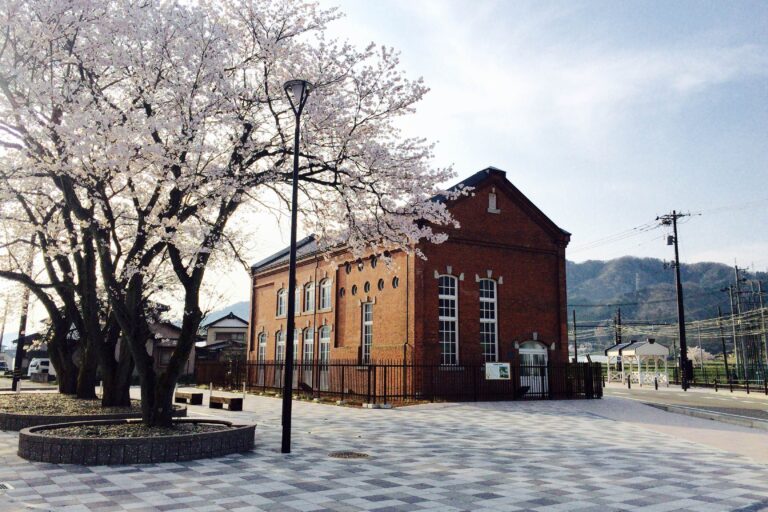
Eiheijiguchi Ekimae Square

The square in front of Eiheijiguchi Station on the Echizen Railway. The red brick building and the old station building (National Registered Tangible Cultural Property), which were built as former Kyoto Electric Railway Substation, were built in 1914, and you can feel the Taisho romance.

Road Station Zen Village

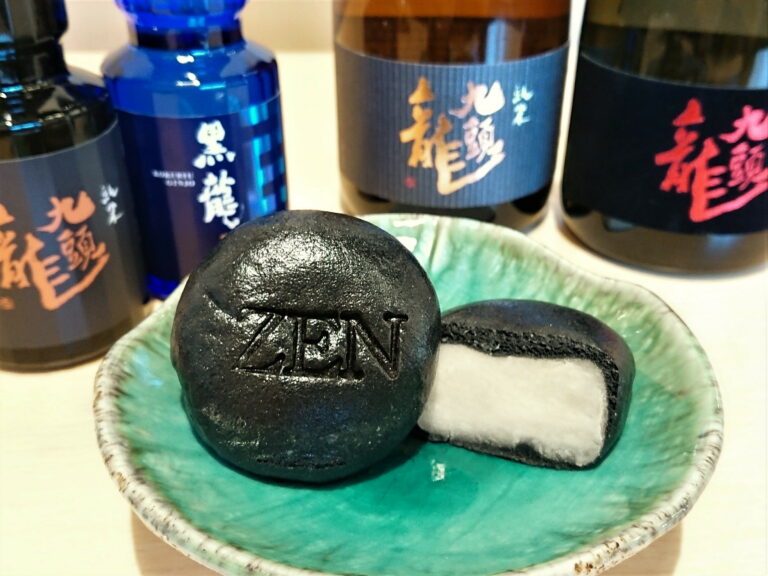
Roadside station, which is close to the Kudo Ryū River and has good access to Eiheiji Temple and the Fukui Prefectural Dinosaur Museum. There are many original products that can only be bought here, and rare products such as "Picnic Corn Daifuku" using local specialty polar sweet corn and "Adult Ginjo Sake Bunpou" using sake from Eiheiji-cho's sake brewery are reputed to be good for souvenirs. At the restaurant, you can enjoy hand-made grated soba noodles using Fukui prefecture soba flour, and Fukui's specialty "sauce and katsudon". In the attached hot bath facilities, you can take a bath in the popular foot baths and natural hot springs of good quality, so you can heal the fatigue of your trip.

Eiheiji Ruri Seihokaku

The treasure house on the left after entering the gate. The collection and display of numerous temple treasures, including ancient documents of national designated important cultural objects, as well as books, art and crafts of successive priests. The must-see is the national treasure of Dōgen Zen Master's own brush, "Fūkan Zazen Zengi". The first book about Zen's Okuyoshi, written by a Dōgen Zen master who returned from Song, preaches the knowledge and manner of zazen.

Kifong Temple

The temple where the Kōjō Dōgen Zen master of Eiheiji Temple practiced the two years before the opening of the temple; the temple treasures such as the Dōgen Zen Master statue and the Dōgen brush and the passing bills; the Dōgen Zazen stone also remains in the precinct.

Eiheiji Temple

The National Designated Important Cultural Property of the Meiji 35 (1902) conversion, located in the center of Shichido Gairan. It is also called the "Kakuo Treasure Hall", and its majestic and beautiful figure with a single costume floor that looks like a double roof is impressive. It is a dojo wishing for national security and Manbun-wagaku, and the third generation of the past, present, and future is enshrined in the Suya pit. The main Buddha, Sakyamuni Buddha, in the center, is the reigning Buddha, the Amida Buddha on the left towards the main temple is the Past Buddha, and the Maitreya on the right is the Future Buddha.

Eiheiji Hodo

It is a building dating from the end of the Edo period, which was rebuilt in Tenpo 14 (1843), and is the main temple of the general temple, where the preaching of the Eiheiji temple, the work of each morning, and various legal services are carried out. It is designated as an Important Cultural Property of the country, and the inside of the temple is the largest of the 420-tatami mats and Shichidō-gai. It is St. Kansei Ongesvara that is enshrined in the central Sugyutan. Because of the highest position in the precinct, the landscape of autumn foliage and winter snow scenery that overlooks from here is exceptional.

Eiheiji Monastery

It is a place of life for the monks to eat and sleep, and is a building that performs zazen, which is the root of the practice, and is also called "Undo" or "Zazen-do". It is one of the Shichidō gai, and is also one of the Sanshimudojo along with the bathroom, Toji (Toilet), and private language is strictly forbidden. Meiji 34 (1901) It is a state-designated important cultural property of architecture, and the Monju Bodhisattva is enshrined in the center of the monastery. Only Yunsui (Buddhist monks) are allowed inside the monastery as it is a sacred place of practice.

Eiheiji Mountain Gate

It is the second oldest structure in Eiheiji Temple, which was rebuilt in Kannobu 2 (1749) during the mid-Edo period. For the monks, it is a special gate that allows them to enter the mountain for training and to pass only when they descend after training, the National Designated Important Cultural Property. On the lower level of the double gates of Irimoya and copper-thatched, statues of the four kings of the Buddhist religion, the guardian deities of Buddhist law, the four kings of Jiyin, Jikokuten, Hiromeiten, and Masu Nagan, are enshrined in the upper level.

Eiheiji Temple

A building with a waiting room for worshipers, following the Kichishōkaku, where Sanzen training is held at the reception (reception). The must-see is a large hall with 156 tatami-mat painting ceilings on the second floor. It is a masterpiece of 230 Hanakori-colored paintings set in the Origami ceiling, which were painted by 144 famous Japanese painters from the early Showa era.

Eiheiji Temple

The temple area, which covers 330,000 square meters, is surrounded by 700-year-old old cedar and has a magnificent atmosphere. The precincts are arranged with a mountain gate, a Buddhist temple, a hodo [Hatto], a monastery, a goin [Kuin], a bathroom, and a large and small seventy-odd temple, all of which are connected by a corridor. Please observe the left-hand traffic and walk quietly according to the route. You don't mind shooting the building, but it is forbidden to enter a monastery, which is the living space of the monks, or to turn the camera to the monks. You can also do a day trip without a reservation or a two-day Sanzen experience (zazen experience) for one night.

Contact Us: Business & Personal Inquiries

By proceeding, you agree to our Terms of Use And confirm you have read our Privacy Policy .

Notes

· We are available for inquiries 24 hours a day. Responses will be provided between 9:00 and 18:00 (including weekends, public holidays, and year-end/New Year holidays).
· Depending on the nature of your inquiry, it may take some time for us to respond.

RURUBU & ALL WAY JAPAN
Privacy Overview

This website uses cookies so that we can provide you with the best user experience possible. Cookie information is stored in your browser and performs functions such as recognising you when you return to our website and helping our team to understand which sections of the website you find most interesting and useful.