 English
  Japanese
  Chinese (China)
  Chinese (Taiwan)
  Korean
 Bird Humming Torietsu
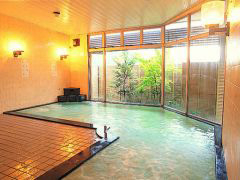
You can take a day bath at "Kobo no oyu" at "Bird Humming Tōetsu" in Hakusan City. There is also a barbecue place and a tennis court in the facility, so you want to use it together (reservation required).

You can take a day bath at "Kobo no oyu" at "Bird Humming Tōetsu" in Hakusan City. There is also a barbecue place and a tennis court in the facility, so you want to use it together (reservation required).
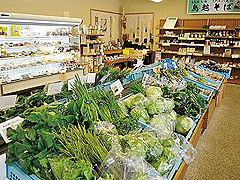
A local specialty direct sale shop & hand-made soba shop in the village of the roadside station Ikkou Ikki. The direct sales office will have a selection of famous products from the foot of Hakusan, including locally-picked vegetables and wild plants, delicious rice from Torietsu, hard-boiled tofu, fried oil and tochi rice cakes. At the soba school, you can taste the freshly ground self-milled and freshly beaten hand-made soba noodles that are unique to Torigoshi, where the soba fields spread.
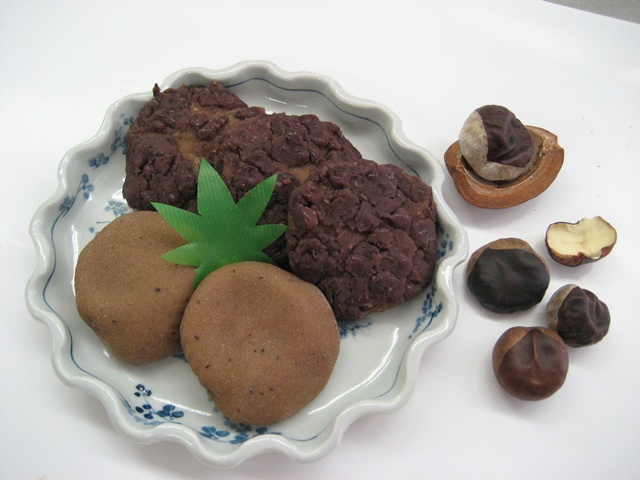
Located in nature surrounded by mountains. At the concession stands, there are plenty of mountain food such as tochimochi and pickled wild vegetables. There is also a tea corner. Michinoeki Sejo's original Tochigi real software is a gem that you can't taste anywhere else. A bread workshop, "Yaman no Bakery Sanse Woman", is attached, and freshly baked bread can be purchased.
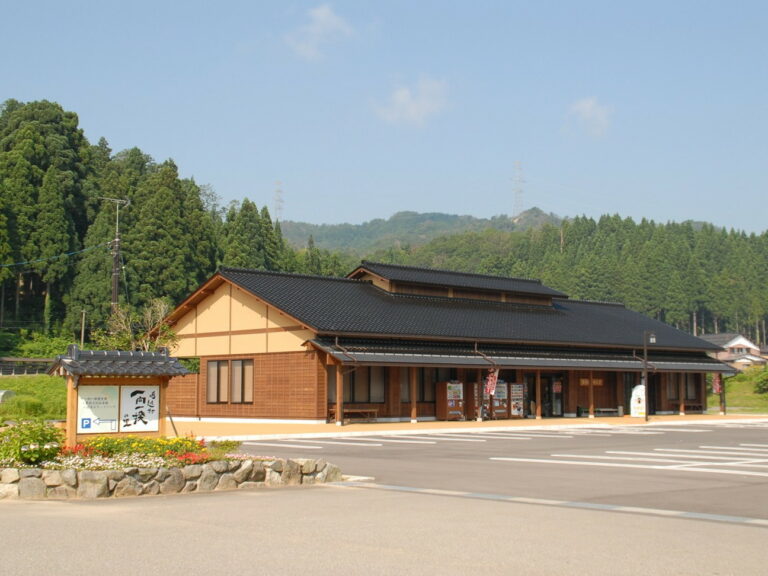
A roadside station consisting of the "Torigoshi Ikkō Ikkō Iki History Hall", which displays related materials of Ikkō Iki, and the "Rural Cultural Tradition Hall", which conveys the life of a rural village in the old days, and the "Shokisaikan Seseragi", which has a direct sales shop and a soba place. The history hall and lore houses allow you to learn about the history and culture of the area, while the Shokai-kan sells locally-picked fresh vegetables and well-known products from the foot of the White Mountain such as wild vegetables, hardboiled tofu, and tochimochi. At the soba restaurant inside the Shokusaikoen, you can taste hand-made soba noodles using self-milled flour unique to Torigoshi, which is famous as the birthplace of soba noodles.
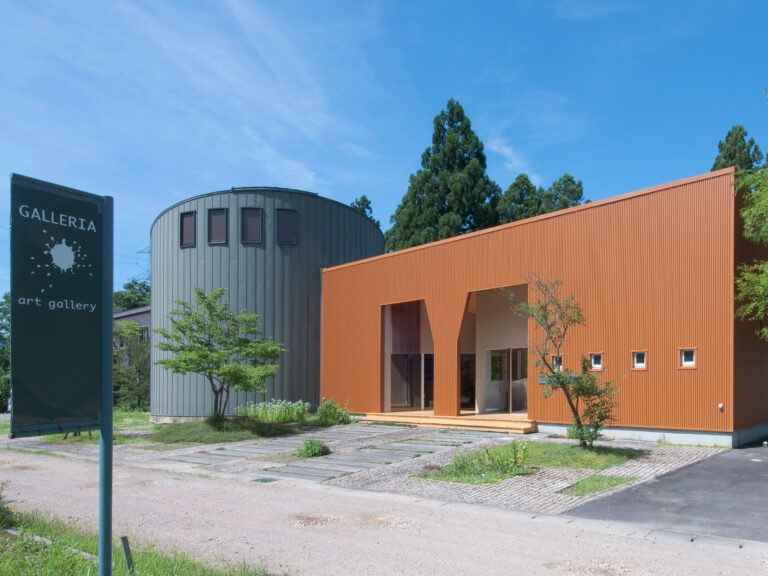
"Color and form" is the concept. Paintings, sculptures, equipment and bags are also exhibited and sold around "contemporary jewelry". The Cafe is also well received while admiring the green-flooded terrace where small birds come. Beginning with "hand-made coffee" in which you can grind a selection of beans, the menu is all handmade from natural ingredients. Popular are homemade ice cream and stewed dishes made over five days. It is also available for takeout, and "Olekise Soy Pork Curry", which sells only frozen takeout.
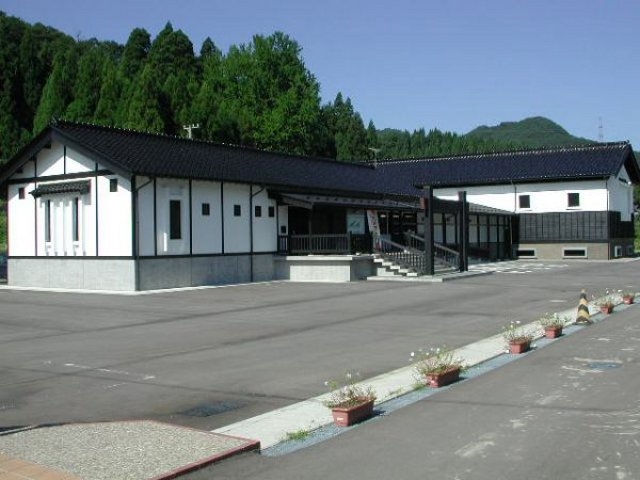
It was opened in 2001 as a base guidance facility for the country-designated historical site "Tōgoshi Castle Tsuki Nikyō Castle Site", as well as an important facility for the succession of the history of the Ikkō Ikkō Ikki in Kaga. It mainly displays excavated objects of the historical history of the Torigoshi Castle site, which became the last bastion of Kaga Ikkō Ikkō, and conducts exhibition projects to convey to posterity the historical fact that "Ikkō Ikkō" occurred in the late Middle Ages in Japan.
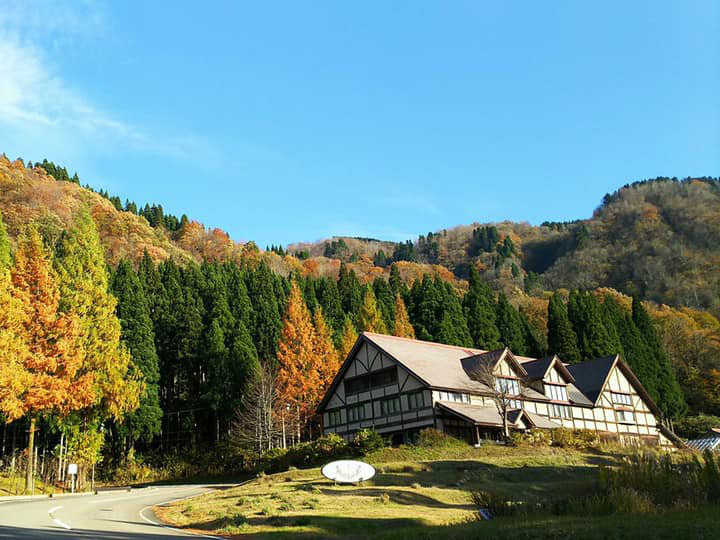
If the gentle scents of herbs and aromas and the beautiful sound of the music box blend in the clear air at the foot of Hakusan, it will be a healing time unique to this place. At the restaurant, you can enjoy seasonal ingredients, local ingredients, dishes using garden herbs, sweets and drinks. In addition, music box therapy and workshops using herbs are also held. (Workshop must be reserved)
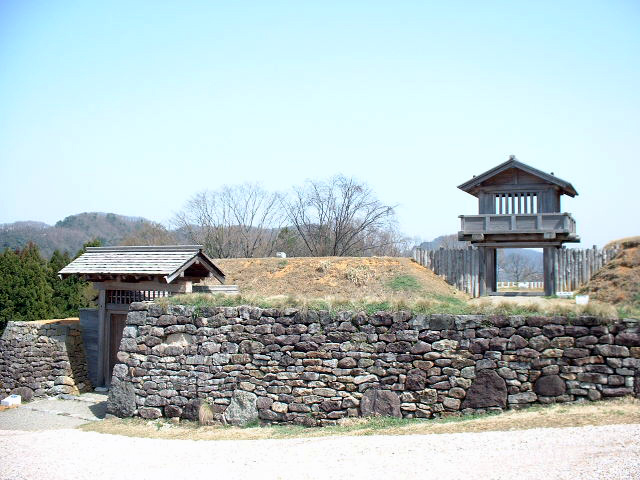
Torigoshi Castle, which became the last bastion of the gatekeepers of the Kaga Ikkō Ishi. The people united by the proselyism of Honganji VIII Rennyo, who resisted the lord with unprecedented unity, the Ikkomu-shi defeated the patron daimyō Tomigashi in 1488 to realize the "nation of the peasants". Its autonomy continued for as long as 100 years, until it was destroyed by Oda Nobunaga's warlords in Tensho 10 (1582). At an altitude of 312m overlooking the Tetori and Daini rivers, there are stone walls and restored Honmarumon, Masugamate and Nakanomaru gates that tell the story of the castle's fall.
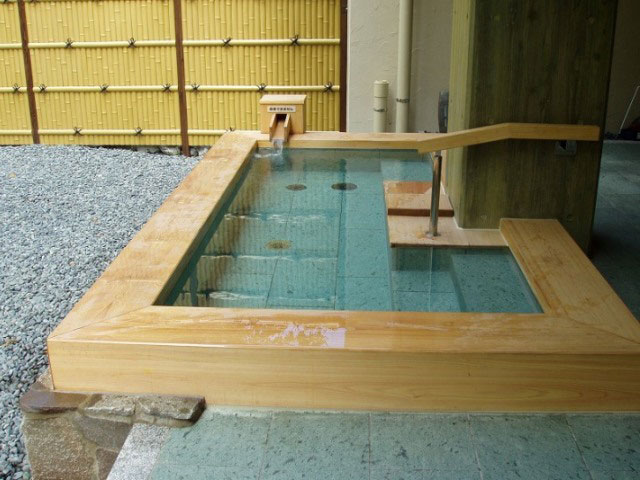
A communal bathhouse at Tatsunokuchi Onsen. It features a garden-style inner bath and an open-air bath surrounded by trees, as well as a tatami-mat salon. The concept is "to enjoy the hot springs leisurely, invited by the lights of the lanterns."

A comprehensive park surrounded by rich greenery; a cycle train of 200 yen, a boat of 400 yen, a bicycle of 400 yen and a rolling cycle of 300 yen; an indoor hot spring pool (540 yen for adults, 420 yen for high school students, 220 yen for junior high school students), which can be used in winter, is popular with couples.