Archives: Travel Post

Hakone old highway

During the Edo period, the old road was used by many travelers. We start at Ichirizuka in Hatajuku and go over several uphill slopes such as Takakizaka. A road of cobblestones and cedar-lined trees continues on the road for about 6km to the Hakone-Osekisho on the shores of Lake Ashino, to remember the atmosphere of the time and time.
Seven bends

A clear slope on the way to the prefectural road from the Omarushi Chaya to Hatajuku. It was known in the Edo period as a difficult place to climb a straight steep-up kashi no kizaka. In the spring, the cherry blossoms on the roadside are stunning.

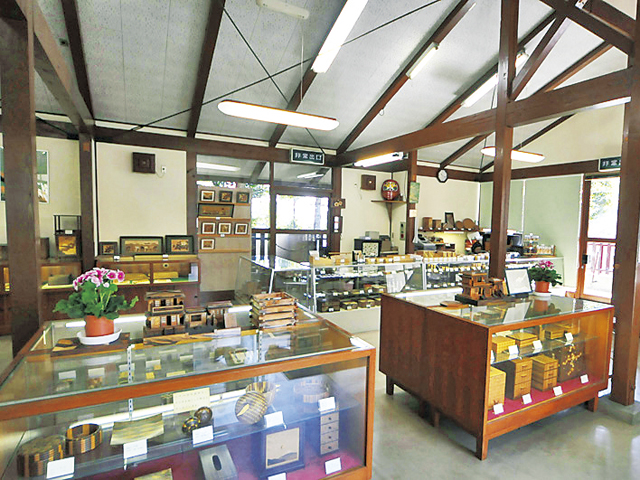
Hatajuku Parquet Hall

The traditional craft of Hakone, parquet work, was conceived in Hatajuku during the late Edo period. The Parquet Hall is a facility built to make the parquet known to more people. Demonstration (video) by craftsmen can be seen, as well as tools used for parquet work. There is also a corner for the sale of parquet products.

Hakone old highway rest area

It displays costumes and tools from the travels of the Edo period, including bento with a waist, Sodega, and Yamago. In particular, there is a must-see corner where you can recreate an episode related to Ako Nanshi's entrance at a Amazake tea house. It is said that Yogoro Kanzaki of the Ako Nanshi was associated with a stadster while taking a break at a Amazake tea house, but there was no commotion in front of him, and he wrote a text of the book. There is also a corner to introduce illustration panels of Hachisato Hakone and travel items from the Edo period. It takes 15 minutes.

Hatajuku Honjin Myogiya remains

During the Edo period, the lodgings were used by the daimyō and public houses of the Sanjō shift. There is a record that at the end of the Tokugawa period, he also made use of Hüsken, who used the word for Harris, the American consul general. The building was burned to the ground in the first year of the Taisho era (1912), but you can see the gardens with streams and ponds that leave the taste of the time. There is a stump cut from the cedar-lined trees of the old highway in the Meiji era and hollowed out the middle, and it is said that passing through it will bring longevity.

Hatajuku Ichirizuka

Standing on the roadside from Hatajuku, passing through the Morigenji Temple to the hanging cobblestones, a signpost marking the 23rd village from Edo. The Ichirizuka was set up by the Edo shogunate as a landmark for travelers every 1 ri (about 4km), and in Kanagawa, only Totsuka and remain here. It was restored in 1998 and revived to what it was like at the time.

Monkey hill

The slippery cobblestone road, which is one of the hardships of the old road, and comes from the fact that it was a steep slope so that a monkey could slide. Let's go with great care.

Kashigizaka

A slope written in a book from the Edo period as Tōkaidō Ichiban no Hōsho; it stretches along a seven-turn that has been spelled out; and it is sung to the bitter "If you go over the hill of an oak tree, it is bitter and acorn-like teardrops."

Plane of Oi

It is near the Amazake Chaya bus stop. In the old days, after he had completed his indoctrination in Echigo, Kinran [Shinran] was heading to Kyoto with his disciples. At the time of entering Hatajuku, he said, "Who will indoctrinate the Tōkoku's foramen after they have gone to the city," and asked his disciples to return to Kantō and proselyse instead. Because of his passing, he came to be called Oi no Taira.

Failong Waterfall

One of the largest waterfalls in Hakone, you want to stop on the way of a walk on the nature exploration sidewalk of Hiryu-no-Waterfall. It got its name because its shape, which is divided into about 15m in the upper row and about 25m in the lower row, resembles a dragon. From the observation site, you can see the waterfall falling in a lively way. Spring to summer surrounded by greenery is recommended.

Contact Us: Business & Personal Inquiries

By proceeding, you agree to our Terms of Use And confirm you have read our Privacy Policy .

Notes

· We are available for inquiries 24 hours a day. Responses will be provided between 9:00 and 18:00 (including weekends, public holidays, and year-end/New Year holidays).
· Depending on the nature of your inquiry, it may take some time for us to respond.

RURUBU & ALL WAY JAPAN
Privacy Overview

This website uses cookies so that we can provide you with the best user experience possible. Cookie information is stored in your browser and performs functions such as recognising you when you return to our website and helping our team to understand which sections of the website you find most interesting and useful.