Archives: Travel Post

Hakone Yatsuri

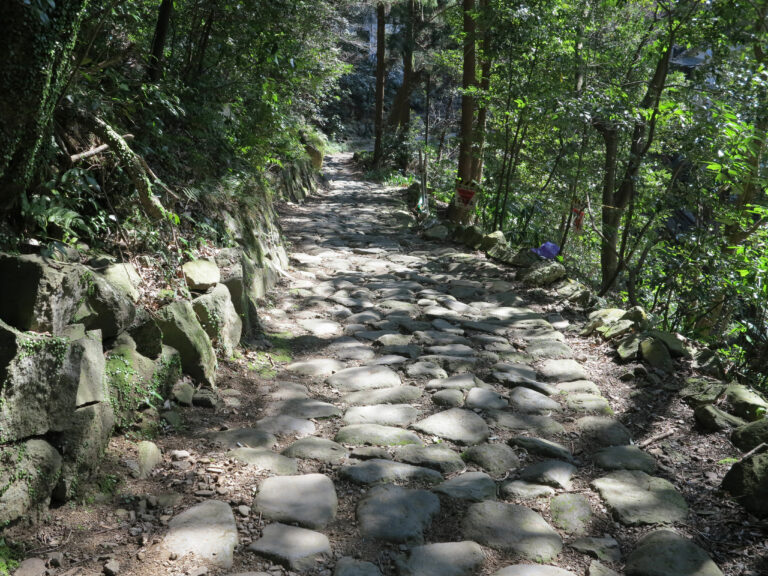
The cobblestones that remain on the former Tōkaidō were a path of hardship for travelers as the Hakone crossing in the long Tōkaidō. Hakone Hachisato was an uphill shili from Odawara-hakokaguchi to the shore of Lake Ashino, and a descending shili to Mishima. At present, the old cobblestones from Hatashuku to the lakeside have been preserved, and many people are strolling while taking advantage of the old days. The cedar-lined trees on the former Tōkaidō on the shores of Lake Ashino are about 400 years old, and were reportedly planted during the Edo period when they established Hakone-shuku (1618). Even today, there are 412 large trees, and the quiet appearance of the old times can be felt (a national designated historic site).
Suuncheon Nature Exploration Trail

A 20-minute walking course from crossing the log bridge in front of Hatajuku Power Station to the front of the Suyungawa Bridge. On the way, a fence and a rope are stretched, which is designed to be relatively easy to walk. In addition, you can enjoy a variety of courses such as crossing the Suuncheon with a log bridge. After the rain, it is slippery, so it is necessary to provide sufficient provision for the feet.

Forest Adventure Hakone

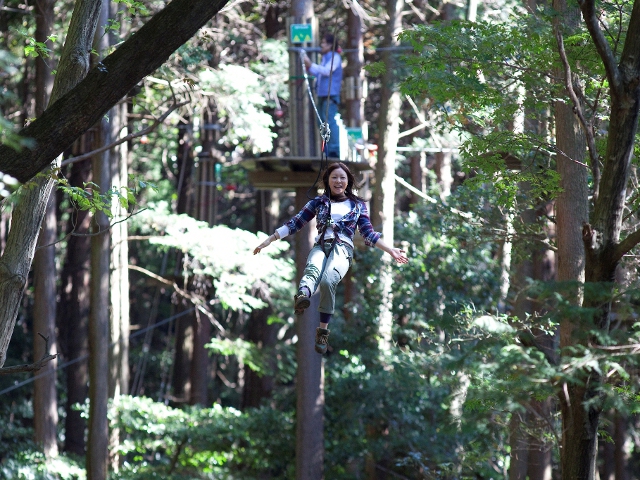
A natural symbiotic outdoor park with good access from Hakone Yumoto Station, where you can experience full-scale athletic and putter golf. Wear a dedicated harness and enjoy a roughly 10m high suspension bridge or a 120m maximum zip slide connected to trees while feeling the nature of nature. Hot spring facilities are also next door.

Hakone Town General Tourist Information Center

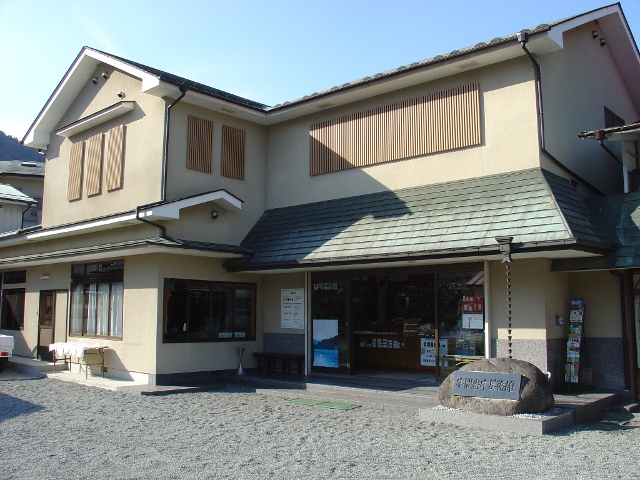
When you arrive at Hakone Yumoto Station, go here. You can collect information on Hakone sightseeing with brochures such as stop-over spots and day-trip hot springs. You can book accommodation on the day and guide in English (daily), Chinese and Korean (Saturday and Sunday).

Yumoto Missing

In the renovated show, you can enjoy singing, dancing and playing in the room on a regular basis. Let's experience the world that only the masters of play knew.

Hon Parquet Museum

A museum where you can enjoy the traditional craft and marquetry of Hakone. It contains about 800 pieces of the collection of Noboru Homma, who is also a traditional marquetry craft master. 200 pieces are on display at all times. An exhibition corner with parquet ceilings, a tree-framed motif based on the four seasons of flowers, as well as the bundai and kokai, which were given in the Edo period by the Shōgunya family, are well-received. Parquet chicks are also released in February to April. In the workshop on the first floor, there is also a tour of the production process by craftsmen and a production experience corner (50 minutes required, reservation required). It takes 20 minutes.

Hakone Municipal Local Museum

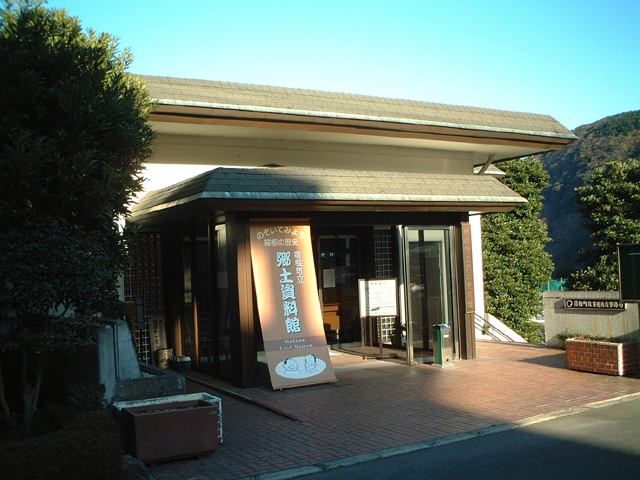
A museum on the site of the Hakone town hall. Using picture scrolls and many photo panels to introduce the transformation of Hakone, which was known as Yujiba since ancient times, as a hot spring tourist destination. Starting from the Hakone Shichiyu in the Edo period, to the development of transportation since the modern era, the development of villa sites, the deployment of foreign resorts, and the post-war Hakone Shichiyu. Introduce the road to the current hot spring tourist destination, Hakone. It also introduces the development of souvenir industries such as Hakone work, people's living, festivals, etc. It is also possible to experience the creation of miniature of Walaji, which is indispensable for old trips. It takes 30 minutes.

Old Tōkaidō cobblestones

The Hakone Old Highway from Hakone Yumoto to Motohakone via Hatajuku is still dotted with cobblestones that still retain their former features. If you can easily walk around the cobblestones around Hakone Yumoto, the closest Sarusawa cobblestones are recommended. The cobblestones come to the face as you enter the north side from the Tainocha-ya bus stop located on the prefectural road No. 732. It is a short course that comes to the prefectural road again in about 10 minutes on foot, but it can be said to be a great spot to remember the time of the old highway.

Fukujuin (Hakone Kannon)

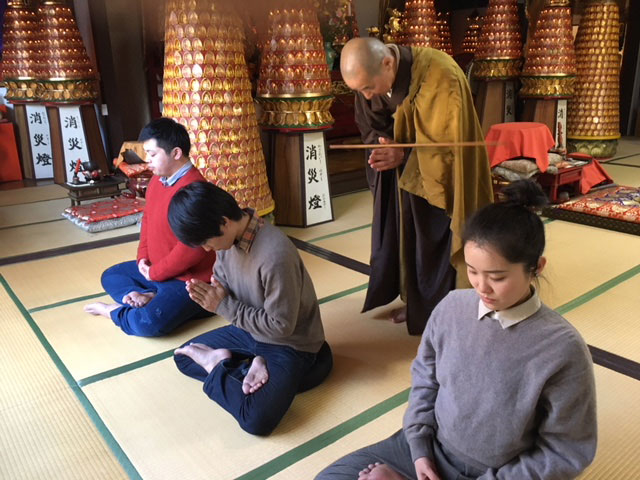
Honson came from China and came to China. In the main hall, there is a disaster light (shosaito) in which the wishes of the viewer are dedicated. At the entrance of the main hall, a tree is also enshrined at the entrance. The offering, the prayer, the sakyo, the zazen, possible (appointment required).

Contact Us: Business & Personal Inquiries

By proceeding, you agree to our Terms of Use And confirm you have read our Privacy Policy .

Notes

· We are available for inquiries 24 hours a day. Responses will be provided between 9:00 and 18:00 (including weekends, public holidays, and year-end/New Year holidays).
· Depending on the nature of your inquiry, it may take some time for us to respond.

RURUBU & ALL WAY JAPAN
Privacy Overview

This website uses cookies so that we can provide you with the best user experience possible. Cookie information is stored in your browser and performs functions such as recognising you when you return to our website and helping our team to understand which sections of the website you find most interesting and useful.