Archives: Travel Post

Khaju Art Space

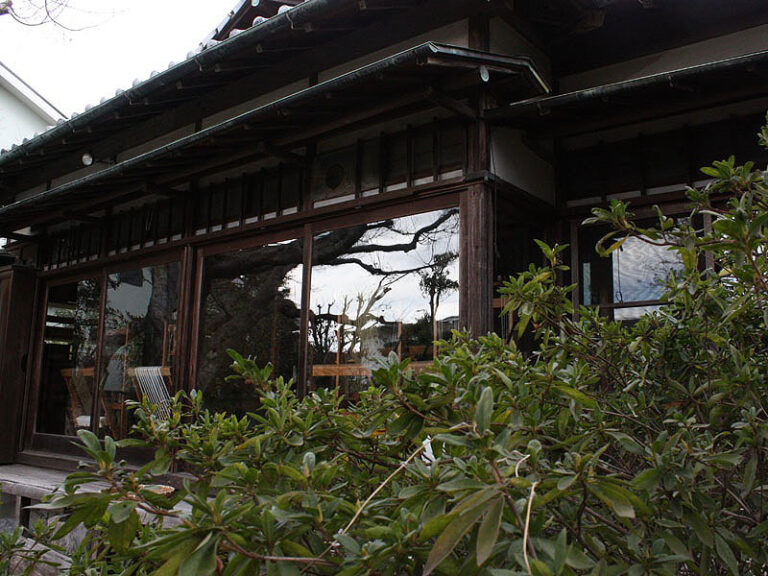
A small cultural facility where a weaving workshop and classrooms such as hand-woven and piano are gathered in a residential private house that is more than 70 years old. Plant dyeing uses familiar raw materials such as dandelions. Materials can also be brought in (consultation is required in advance), so you can make original works.

Jomyoji Kisen-an

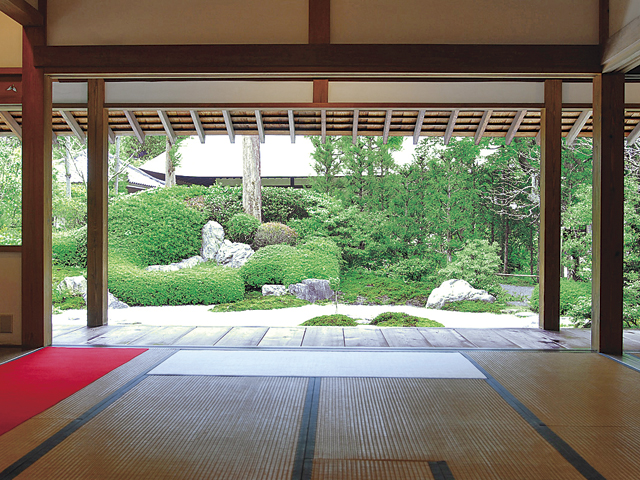
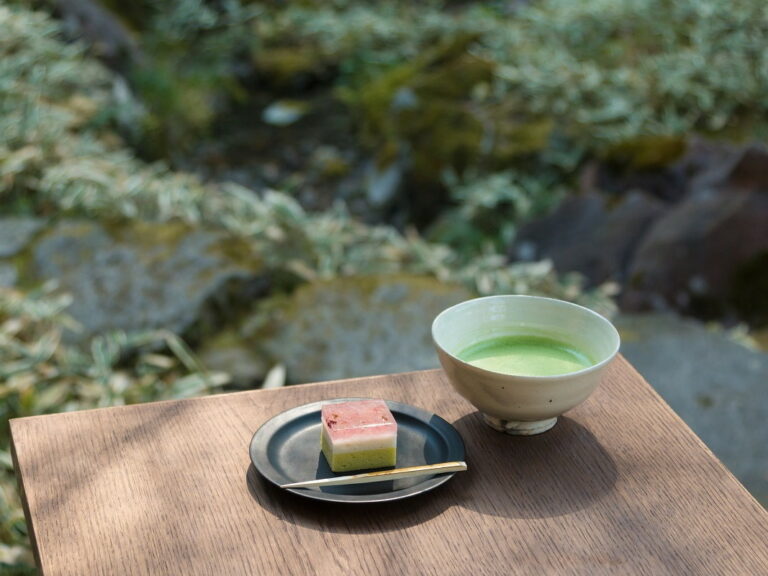
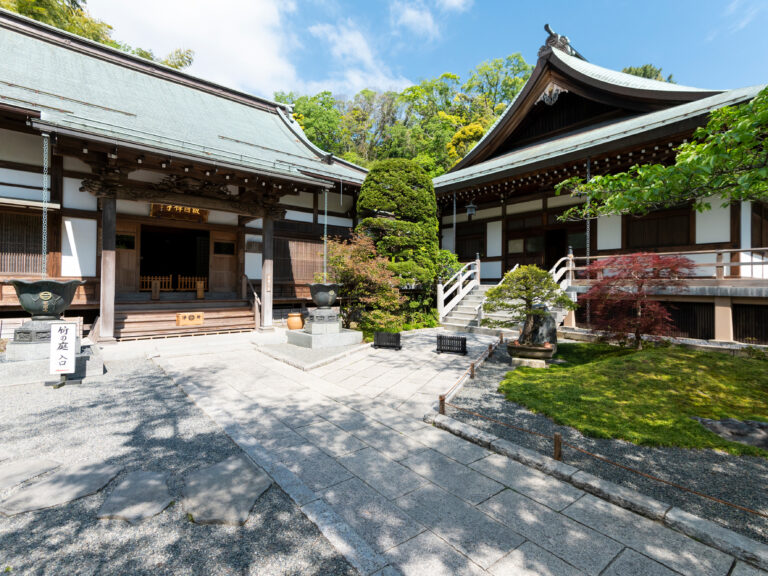
Kisen-an, which is located in the precincts of Jomyo-ji Temple, is a garden of Karesansui that is always well maintained, and above all, the fresh green area is wonderful. Looking at matcha (with confectionery, dried sweets 660 yen, fresh sweets 1100 yen) while enjoying it, the mind calms down quickly. A water grotto is also provided in one corner of the garden.

Former Huazin Palace Residence

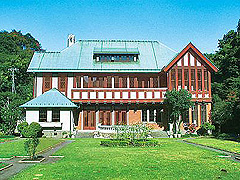
The vast Western-style architecture was built in 1929 as the Marquis of Huazi Hironobu House; the garden is open to the public; and is listed on the National Register Tangible Cultural Property in 2006.

Eifuku Temple site

The site of a large temple built by Yoritomo in the first year of Jiankyu 3 (1192) to mimic the second-story Great Hall of Chuson-ji in Hiraizumi, where the grand gaiji stood alongside each other in the past and enjoyed a flourish. It has been excavated and designated as a state-designated historic site.

Asahi Nagiri-dori

It is said that in the second year of Niji 2 (1241), the third sekishō Hojo Yasutoki [Yasutoki] took command at the site himself. There is also a legend that a gaijie named Asaburō Yoshihide [Asai Nasaburou Yoshihide] made this cut overnight on the main road connecting the ports of Kamakura and Rokuura [Mutsuura]. The area is full of trees and the silence itself is full of trees. If you go straight for about 5 minutes at the fork that goes to Asanabiri-dori, there is a 12-sho orchard. Plum and chestnut trees are planted, and in February it is crowded with people enjoying plum viewing.

Ichijo Keikan Sanso

The National Designated Important Cultural Property erected in the early Edo period. The garden has been opened to the public since June 2017, and has been attracting attention. "Kafu-yō-meitei [Yamamomotei]", which is located on the site and can enjoy sweets and drinks while looking at the original scenery of Kamakura, is also popular.

Temple

It is located in Takuma-gaya [Takumagayatsu], across the Hana Bridge over the Namekawa River, and is famous as a bamboo temple. The first year of Jianwu (1334) was founded with the grandfather of Takashi Ashikaga, Ieyagi, and was founded with Keihiro Tengishi as Kaizan. It once flourished as a bodhi-ji temple for Ashikaga and Uesugi, and there is a yagura that is said to be a tomb of the Ashikaga clan in the back mountains. The bamboo garden on the west side of the main hall shows a spectacular view of about 2000 bottles of Mosong bamboo [Mousouchik]. There is a tea ceremony in the back, where you can enjoy matcha (with dried sweets) while looking at the fallow bamboo forest.

Sugimoto Temple

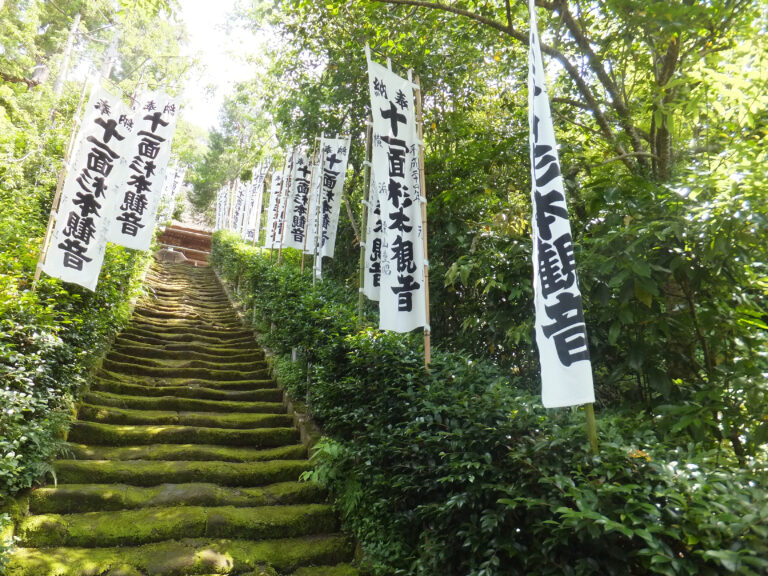
It is the oldest temple of the Tendai sect of Kamakura, which was founded at the first place of the Bando (Bando) Sanjō Kōnō-kōnō sacred place in Tenpō 6 (734) at the time of the launch of Empress Kōmei. When you slip through the thatched Innō Gate, there is a moss staircase with the dedicated zilanzas on each side. As you walk up the steps beside it, you will find the main hall, which is thatched and hipped, and the three statues of the main statue of the main statue are laid. Of the three bodies, the center is reportedly written by Ennin, and the right side is written by Genshin, and is designated as a national important cultural property. It is said that this Guanyin was evacuated to the base of Osugi by himself during the fire disaster, and he is familiar with Guanyin Sugimoto.

Zuisen Temple

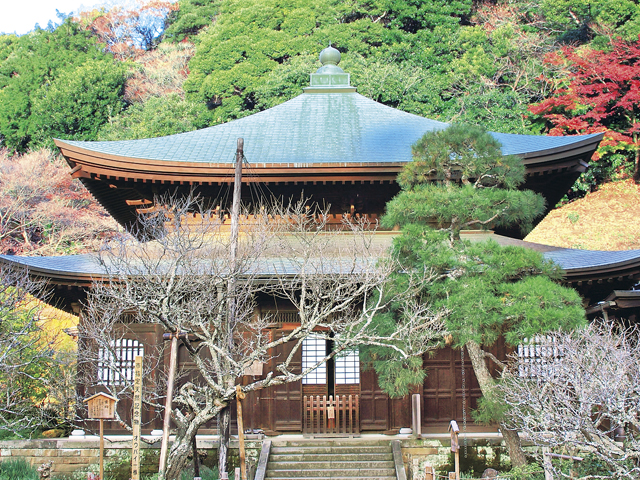
It is located in the east of Kamakura, in the depths of the Momijigaya (Momijigaya), and is renowned as the temple of the flower of Kamakura Suiichi. Beginning with plums and daffodils in January, the seasonal flowers such as cherry blossoms, hydrangeas, Fuyo, and Hagi bloom in the precincts. In particular, plums and daffodils bloom from January to February and during the autumn leaves, they are crowded with many worshipers. In the founding of the second year of the Chinese calendar (1327), Kaesan was named Mumusou Kokushi. It was later founded by Ashikaga Motoji [Motoji], and since then became the 4th generation Bodhisattva of the Ashikaga clan. In the back of the main hall, there is the Ikeizumi-style garden (Meishatsu), which cleverly incorporates the slopes of the rock face, which is said to be a work by Yumemado Kokushi. In addition, there is a monument to Sōichi Oya, as well as the Kubota Mantarō monument and the Yoshida Matsuyin-Toru monument.

Jomyo-ji Temple

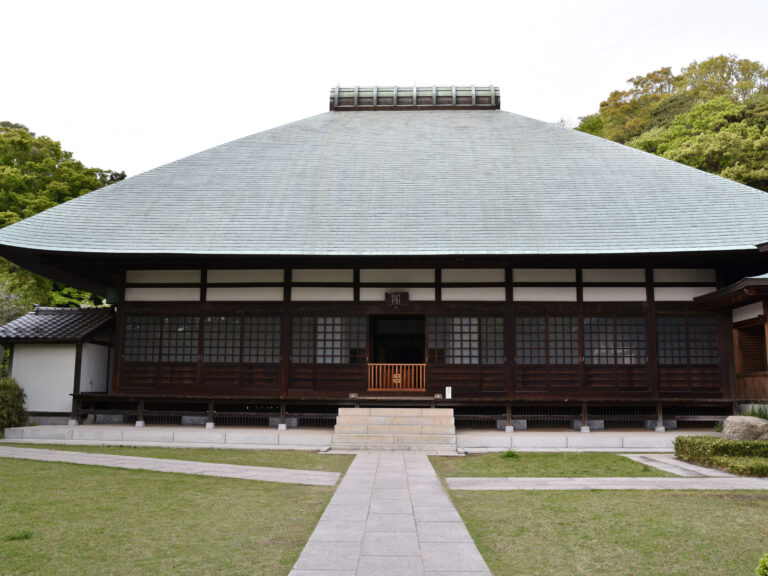
The fifth-ranked temple of Kamakura Gozan founded by Ashikaga Yoshikane in Bunji 4 (1188). During the Muromachi period, 23 towers were counted, with Shichido-gai, but now the main temple and the palace, the back of the back, etc., which were rebuilt in the 6th year (1756). In the well-maintained precincts, there are many flower trees such as buttons, ume, and sardine, and there is also Chadou Kisen-an (telephone: 0467-22-8638) on the left side of the main hall, and there is 660 yen for matcha while looking at the Karesanwater garden. The statue of Kaesan Retreat Yuzen Master in the temple treasure has been designated as a national important cultural property.

Contact Us: Business & Personal Inquiries

By proceeding, you agree to our Terms of Use And confirm you have read our Privacy Policy .

Notes

· We are available for inquiries 24 hours a day. Responses will be provided between 9:00 and 18:00 (including weekends, public holidays, and year-end/New Year holidays).
· Depending on the nature of your inquiry, it may take some time for us to respond.

RURUBU & ALL WAY JAPAN
Privacy Overview

This website uses cookies so that we can provide you with the best user experience possible. Cookie information is stored in your browser and performs functions such as recognising you when you return to our website and helping our team to understand which sections of the website you find most interesting and useful.