Archives: Travel Post

Twelve shrines

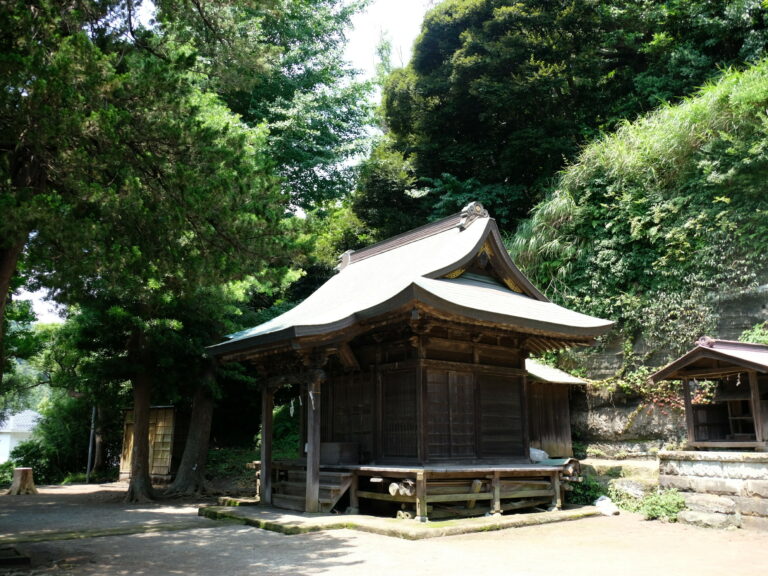
A shrine tucked away in the Jōshō area, east of Kamakura. Soken is said to be the Kamakura period, and was once located within the precincts of Kōkaku-ji Temple, which is located in the same twelve places, but was well-established at its current location in the late Edo period. It was also called the Jushōjōjōjōshōjōshōsha until the Meiji separation of Shinto and Buddha. As its name suggests, it is a god of 12 pillars. The carving of two rabbits, known as "wave-riding rabbit", is unusual in the front of the shrine, and there are also four precinct shrines in the precinct, including two stone small shrines dedicated to the herphiojin and Usa Hachiman.
Light Touching Temple

In the beginning, it was a temple of the Shingon sect, but it is said that Sakua [Sakua] Jinjin, who had been attributed to Ippen [Ippin] Jinjin, converted to Tokimune [Jishū] in the year of Hong'an (1278-88). Entering the mountain gate, it is lined with mossy stone Buddhas, and flowers and offerings are inimical. A statue of Amida Nyorai (cheek-yaki Amida), an important cultural property, is enshrined in the main hall, with a legend that a mark of a sign was attached to it instead of a jurist who was branded on his cheek for alleged theft. In the precincts, there is Shio Jizo, who has made the salt of the offering.

Kamakura Palace

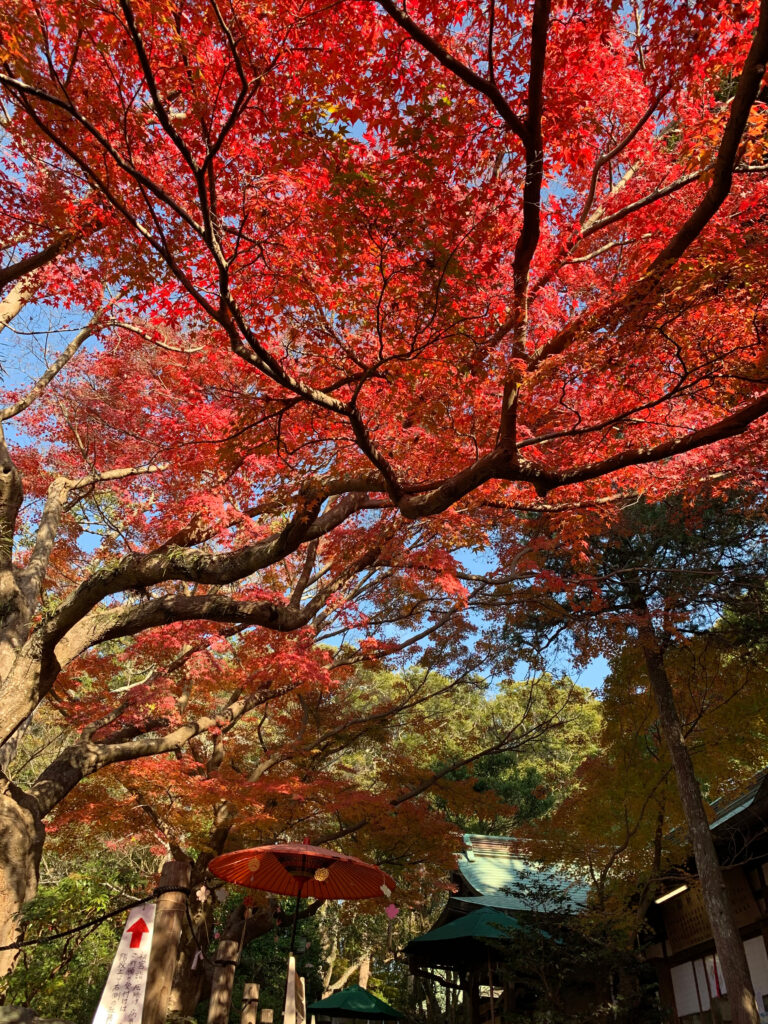
One of the five shrines of Kenbu Chuken, founded by the Emperor Meiji; the former Kanzō Chusha, which enshrines Emperor Go-Daigo's Prince Ryōjo; and the "Jumbo Momiji" of the red leaves and Shinto gardens, which are called "red ceilings" transplanted from Kyoto, which is related to the festival god, are seen until mid-December.

Ebaran Tenjin Shrine

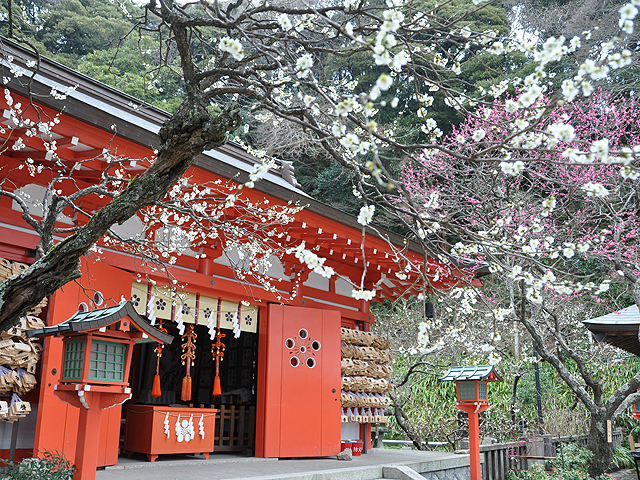
The old company, reportedly the founding of the first year of Nagaji (1104). It is placed in the position of a demon in the Kamakura shogunate. The priest is the god of scholarship, Michizane Sugawara [Sugawara Michizane] has been dedicated with a large number of applied prayers. In the precinct, where about 100 plum trees were planted, there stand two shakuzukon (Shimizukon) Yukari, a manga artist who continued to draw kappa.

Twelve Orchards

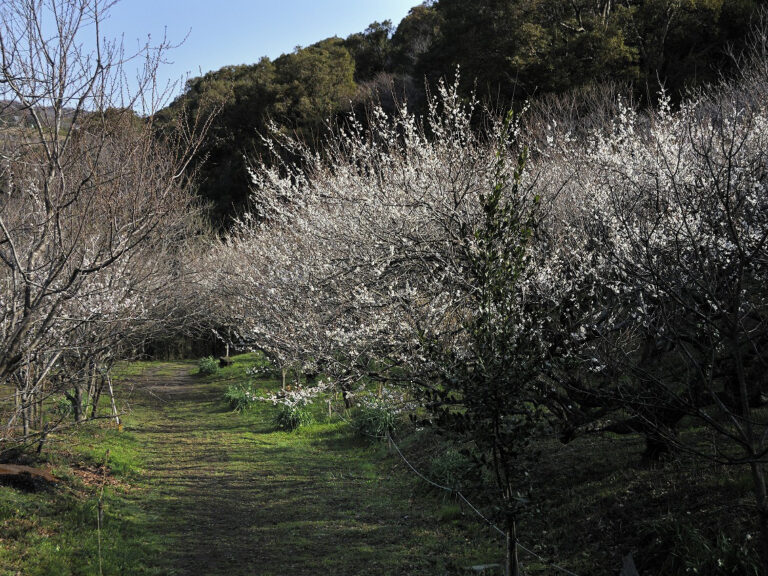
If you go about 10 minutes to the right at the fork that goes to the country's historic site, "Asanagiri-dori", there is a 12-sho orchard. There are about 400 plums, and in March it is crowded with people who enjoy the Kanmei plum while hiking. No water, no toilet facilities. The entrance gate is entered by pressing the right side.

Kajiwara Tachi Water Wash

The water that flows quietly in the depths of Kamakura; the land of Kagetoki Kajiwara, the Shigetomi of Minamoto no Yoritomo; and in 1183, on the order of Yoritomo, Kageoki assassinated the royal family, Hirozō Kazusa, and washed off the blood of the sword with the water of the spring.

Inamuragasaki Onsen

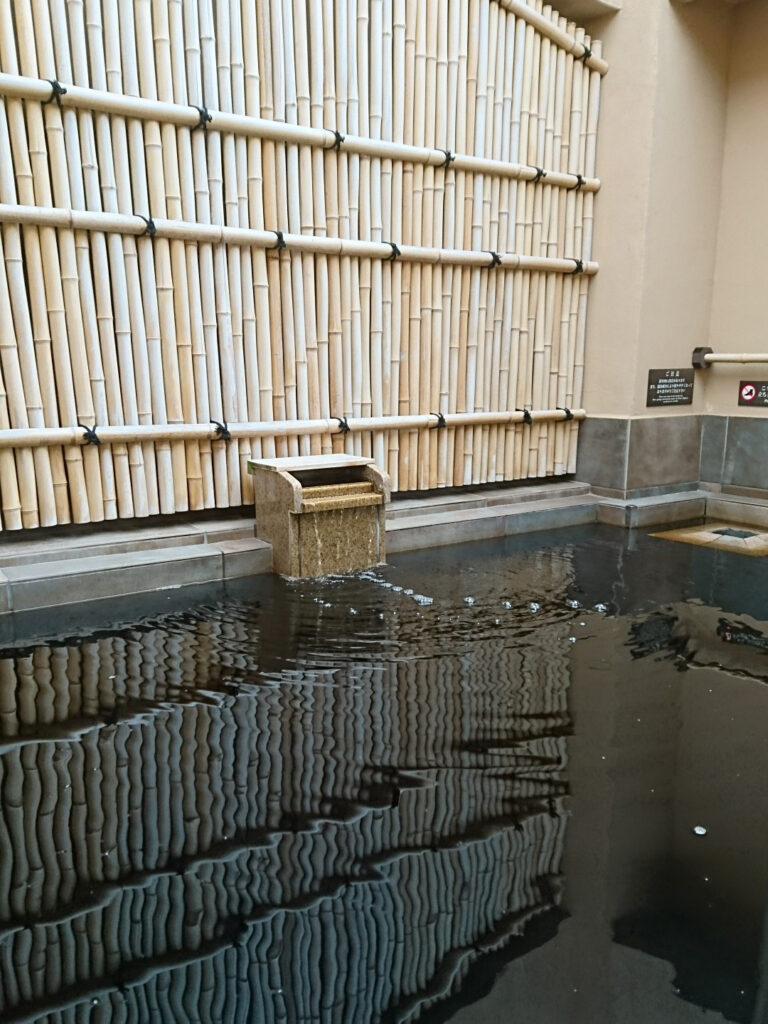
The brown hot water of the hydrogen carbonate cold mineral spring is one of the best in Japan and has a beautiful skin effect. As long as I'm happy for women. In addition to the large bathhouse, both men and women also have an open-air bath, and towels are also sold, so empty-handed is fine. Not available for under 13 years of age. Kamakura's only natural hot spring.

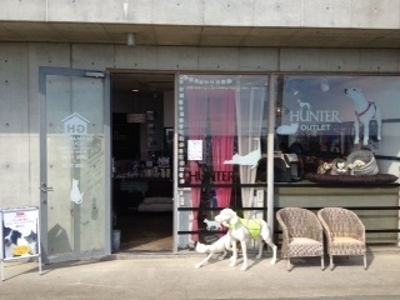
German Pet House Kamakura

A regular dealer with long-established German brand HUNTER and Animonda pet food, which sells an abundance of pet goods (collars, leads, etc.) and pet food.

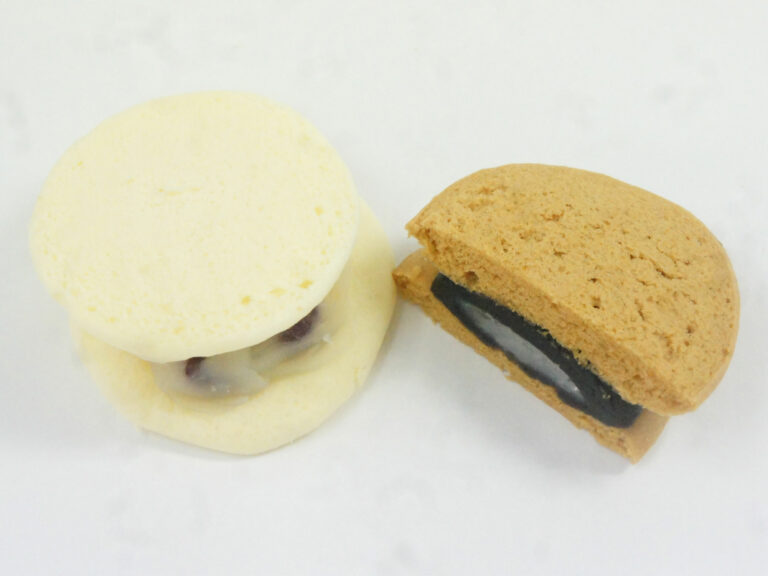
Tea Child

A Japanese-style confectionery shop with a reputation for the deliciousness of the paste. The company was founded in the early Taisho era, and it is a long-established store that has been over 100 years. The signboard product is "Mushidorayaki" 173 yen with sesame paste and white paste on soft and steamed skin. In addition, the raw confectionery, which is colored in various seasons, is 280 yen ~, which is also very popular.

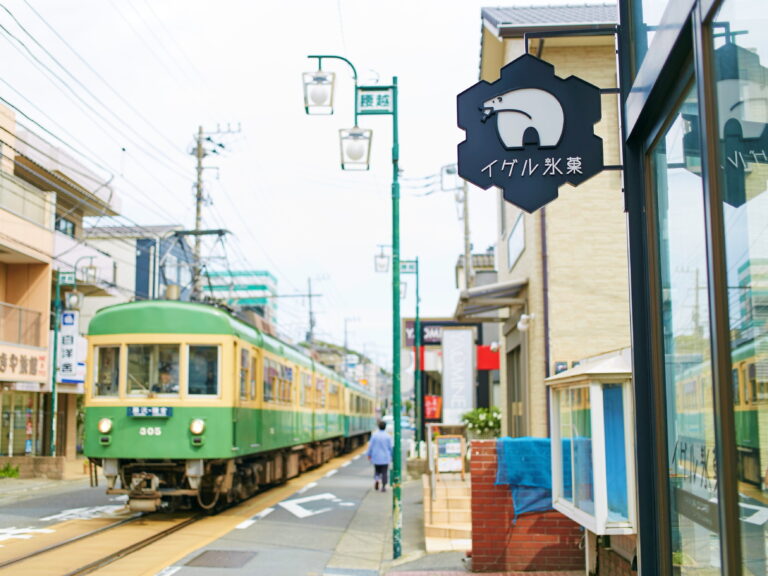
Igle Ice Confectionery

It is a five-minute walk from Enoden Koshietsu Station. Enoden runs in front of the store, a specialty popsicle shop limited to April to October. There are many fans of handmade popsicles that use Tensai sugar as a sweetener, and that they can enjoy the same taste without cheating. The taste is a seasonal total of six, made from five regular types of mango, kiwi, strawberry (national), Hokkaido milk, and azuki, as well as materials from Kanagawa Prefecture.

Contact Us: Business & Personal Inquiries

By proceeding, you agree to our Terms of Use And confirm you have read our Privacy Policy .

Notes

· We are available for inquiries 24 hours a day. Responses will be provided between 9:00 and 18:00 (including weekends, public holidays, and year-end/New Year holidays).
· Depending on the nature of your inquiry, it may take some time for us to respond.

RURUBU & ALL WAY JAPAN
Privacy Overview

This website uses cookies so that we can provide you with the best user experience possible. Cookie information is stored in your browser and performs functions such as recognising you when you return to our website and helping our team to understand which sections of the website you find most interesting and useful.