Archives: Travel Post

Japanese sweets

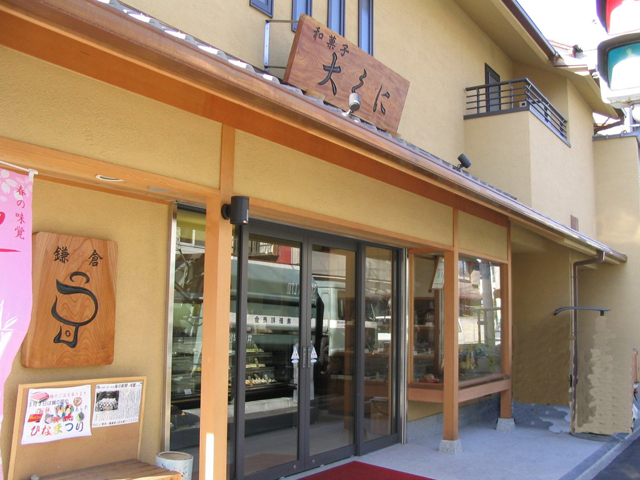
A long-established Japanese confectionery shop near the Omachi Yotsuku intersection. Handmade items made carefully selected materials are popular among locals. The recommendation is 200 yen of Fu's bun, which is a sign. The paste is wrapped in fu and features a fluffy texture. 270 yen for raw sweets featuring seasonal flowers such as hydrangeas and buttons.
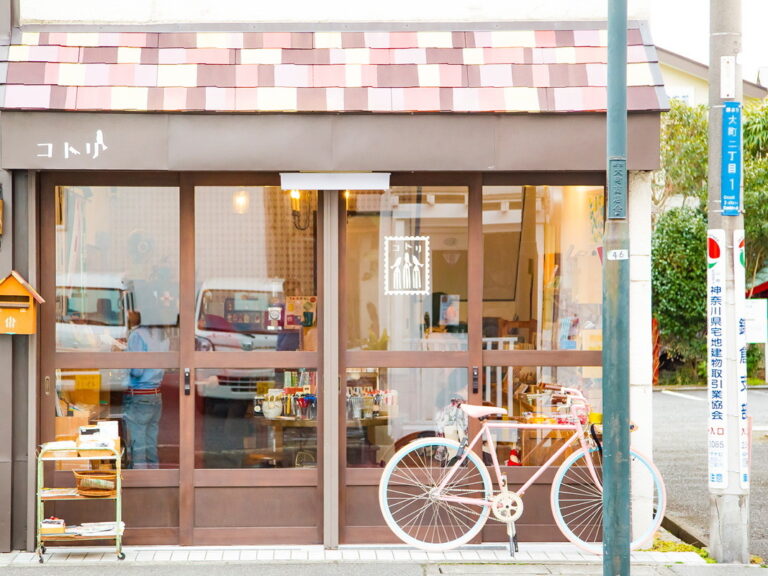
Kotori, a store of Kamakura stationery and general merchandise

A stationery store located in Omachi, Kamakura. We have original products and unique select stationery that look good with expressions of retro, girly, and Nagomi. Original products include pencil cases, masking tape, red stamp books, and towels. Among them, the packaging bag "Correa Gale" is popular because its design looks just like a prescription bag for medicine.

Kamakura Suwanee

A specialty store for fabrics that is very popular among handicraft-loving residents in Kamakura city. The shop is full of kinds to be overwhelmed, and adorable fabrics purchased directly from all over the world are lined up. The shop, which is always busy, also displays samples of bags and clothes made by professional staff, and is full of handmade charm. In addition, there are also classes for bags and sundries and dressmaking classes, and I am glad that the system to support handmade beginners is perfect.

The stone garden of the three sons of Komyoji

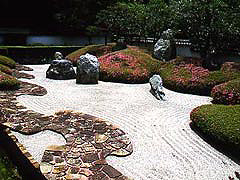
Kōmyō-ji Temple's main hall (National Designated Important Cultural Property) The Jodo-style Karesansui Garden at the right hand. The white sand is the phase of the Santai River, and the planting is considered to be Gozan, on which eight stones representing the Sanson Gozo are arranged. In addition, the Kishiyu garden between the main hall and the shoin is said to be the work of a gardener who lives on the flow of the famous gardener Kobori Enshu, and is known for its ancient lotus blooms in summer.

Waga Ejima

During the Kamakura period, Waga Ejima, built on a shore that was not allowed by a large ship in Tōsha, is the oldest site of Japan's Tsukikō site. At high tide, almost the entire area is hidden below sea level, but masonry can be seen at low tide. It has been designated as a national designated historic site.

Nagoshi Kiridori

One of the Kamakura Shichi-kiri streets near the Zushi Tunnel, which was a key route during the Kamakura period between Kamakura and the Miura area. You can remember the appearance of the past on a road built by cutting off rocks.

Myohon Temple

A temple of the Nichiren sect on the hillside of Hiki-ya. The area is where the Hiki-no-Ken [Hikiyoshikazu] clan had a mansion. A child formed by Hojo Tokimasa between Kenjin 3rd year (1203), the second-generation army Yoriie [Yorii] and the daughter of Noh's daughter Wakasa station [Wakasa no Tsubone], the Hiki clan was destroyed along with Ichihata [Ichiman], but it was built in the first year of Bunyo (1260) in order to mourn the family by the youngest member of Noh, who escaped the difficulties in Kyoto. The vast precincts include the main hall, the Soshido, the mossy Hiki clan's tomb, and the sodemound of Ichihata, where his young life was lost. There are many flowers throughout the four seasons such as plums and kidou.

Myoho Temple

Jianjang 5 years (1253), where the Nichiren saint who came to Kamakura from Awa (Chiba Prefecture) for the first time connected the Imperial Palace, Yanbun 2 years (1357), tōrara [Morinaba], the son of the old king, Nichiei [Nichiei], had established a temple at the site of the hermitage. The precincts include the main temple, the Hoha-dō, the Imperial Palace, the Imperial Palace, and the Japanese-Japanese Emperor's Tomb. It has beautiful moss stone steps (impassable) and is famous as a mossy temple in Kamakura.

Adalu Temple

The temple opened by Minamoto no Yoritomo as a prayer office to pray for the overthrowing Heike in the first year of the Enwa (1181). Kaesan is an Engaku [Mongaku]. At that time, it was a large temple with Shichido Gai, but it was frequently damaged by fires and tornadoes, and now it only leaves the main hall and the back. In the main hall, there are many Buddha statues, such as the eleven-faced Kannon of the main statue, Yakushi Nyorai, and Fudomyo, and you can see them if you offer them back.

Komyoji Mountain Gate

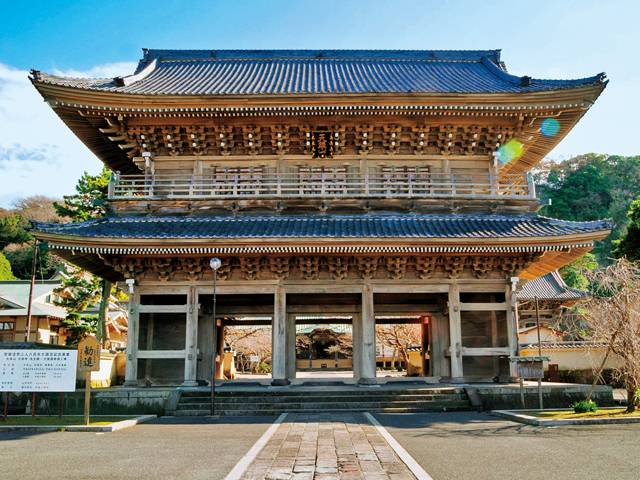
The mountain gate of Kōmyō-ji Temple, which was built in Hongka 4 (1847). It has the largest form for a mountain gate of a temple in Kamakura, which is about 16m in the middle, 7m in depth and about 20m in height. It is a style that is said to be the second-story double-gate [Goken-san Konikai Nijimon], with a double-door door door between the three in the center that is divided into five. The first floor is a Japanese-style, the second is a Chinese-style, and the second floor is enshrined with Sanson Sakha, Shitenno and Juroku Arahan. From the second floor, there is a good view of Yuhigahama, Enoshima and Mount Fuji. The forehead of "Atensuyama", which is raised in the center of the second floor, was a gift from Emperor Go-Hanon in 1436.

Contact Us: Business & Personal Inquiries

By proceeding, you agree to our Terms of Use And confirm you have read our Privacy Policy .

Notes

· We are available for inquiries 24 hours a day. Responses will be provided between 9:00 and 18:00 (including weekends, public holidays, and year-end/New Year holidays).
· Depending on the nature of your inquiry, it may take some time for us to respond.

RURUBU & ALL WAY JAPAN
Privacy Overview

This website uses cookies so that we can provide you with the best user experience possible. Cookie information is stored in your browser and performs functions such as recognising you when you return to our website and helping our team to understand which sections of the website you find most interesting and useful.