Archives: Travel Post

The Garden of Takara

A shared atelier located in the back of Joji-ji Temple in Kita-Kamakura. An 80-year-old private house where cooking classes and cafes are opened, a full-scale tea room and gallery where you can experience a tea ceremony. Pottery workshops that can be easily made are popular.

Kuraya

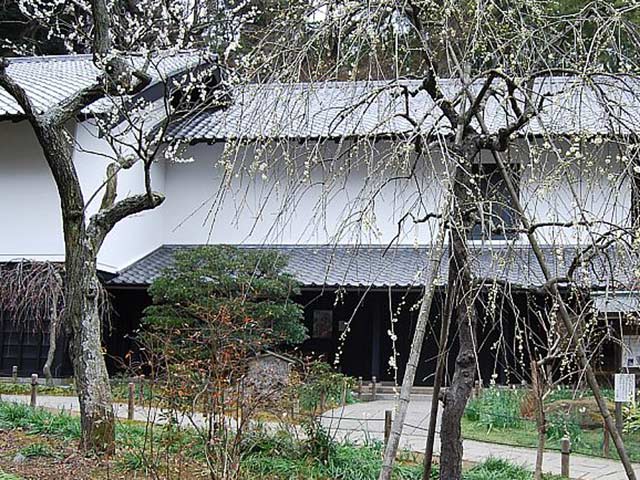
A gallery that holds a period-by-period exhibition of works in a building that has been relocated from an old private house in Okuhida.

Kitakamakura Yoba Museum of Art

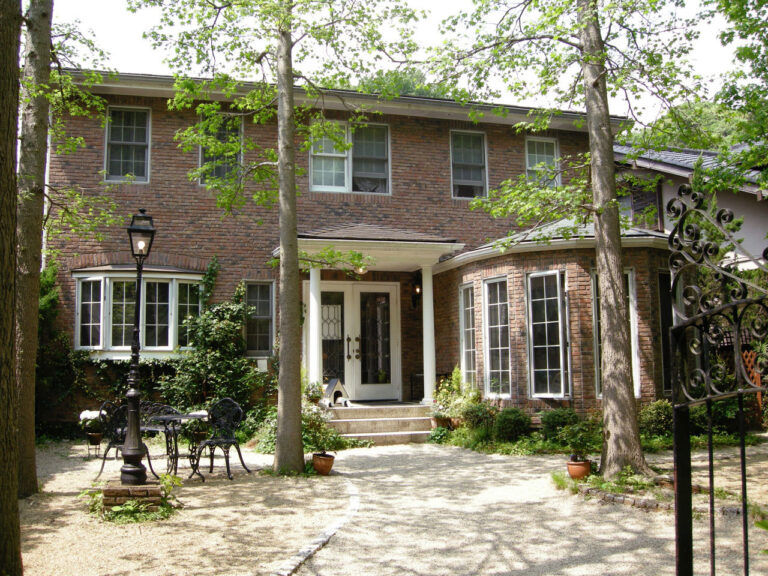
A private museum that displays works by picture book writer Yoshiaki Iba, whose world of fairy tales spreads in pale tones. The building, reminiscent of a European mansion, was also designed by Yoshiaki Leaves. About 80 items such as watercolors and original drawings of picture books are displayed in the museum, and picture postcards and picture books are also on sale. Take one hour.

Higashiji Matsuoka Hozo

It is located within Tōgeiji Temple, also known as Rakuji Temple, and exhibits a large number of important cultural objects such as the Shōnen Ritsu statue, the Eyeong-ji, and the ancient documents of the Eyekiri relationship. Special exhibitions are held several times a year, so there is a pleasure to visit the Shōnen Ritsu statue free to worship.

Kamakura number of names

The name number is referred to with a fixed number. Gozan (Kenjo-ji, Enkaku-ji, Kotofuku-ji, Joji-ji, Jomyoji) in the ancient city of Kamakura, which boasts a history of more than 800 years, jukkyo (Ido Bridge, Utanobashi, Saclot Bridge, Biwa Bridge, Sakagawa Bridge, Katsuno Bridge, Takuma Bridge, Ranbashi, Juodo Bridge), tsui [Jiksei] (Tetsunoi, Tonate Noi, Bottom Desenoi, Hoshinoi, Kanroi, Botsunoi, Oshinoi, Izumi Noi, Choko Noi, Rokkaku Noi), many of them have venerable names such as the five-name water (Kajiwara Tachi-wash, Qian-wash, Nichiren no Kōshui, Amanorui, and Kin-ryū-sui). A tour of names with various legends and origins is one of the pleasures of walking around Kamakura.

Kamegaya Saka

One of the Kamakura Shichikiri-dori on a thin slope that enters the side of Chōju-ji. It was an important outbound route leading from Kamakura to the Musashi area along with connecting Yamanouchi and Ogingaya. You can remember the image of the past on a steep cliff. Since there are no cars, it is better to enjoy a leisurely walk. Hydrangea and rock tobacco are also found.

Myoetsu-in

A temple famous as the hydrangea temple. About 2500 hydrangeas are planted in the precincts, which are filled with blue, purple and white flowers in the mid-June season. In particular, on a light rainy day, the color of the flowers is more and more beautiful. The first year of the Yeongkaku (1160) was founded by the Meigetsu-an. A retreat called Saimyoji Temple was built on the site by the 5th Shōgun Hōjō Tokiori in the 8th year of Kenjō (1256). Later, his son Tokimune re-emerged as the Zen-kung-ji. The Zen-kung-ji was abolished after the Meiji era, but only the Tōtō's Meigetsu-in Temple remained. The precincts include the main hall, which was rebuilt in 1973 (1973), where the amount of "Hōjō" is paid, and the tomb of Hōjō Hōyori, one of the Jainoi of Kamakura, and the Meigetsu-in Yagura. The tomb of Tōyori is a mossy hoaraban tower about 1m high, which will be colored with autumn leaves in autumn.

Buddha Hian

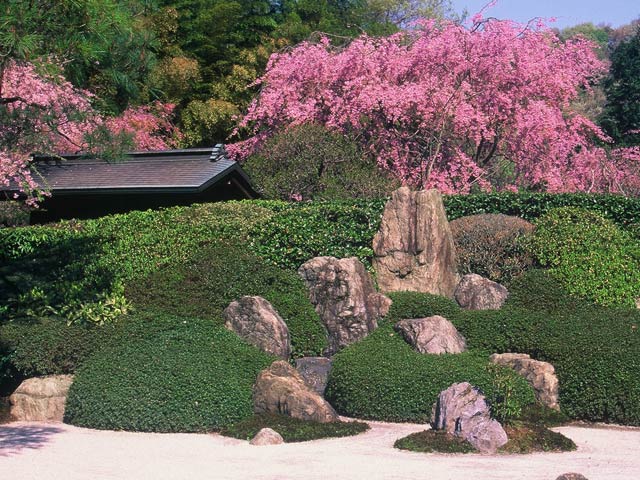
The tower, which was located within Enkaku-ji and was built as a place for the Hōjō Tokimune [Tokimune]. The wooden statues of Tokimune, Sadaoki [Sadatsuki] and Takaoki [Takaoki] three generations are enshrined in a small thatched hall. Also in the precinct, Cha-mun (Ensokuken) was the setting of a novel by Yasunari Kawabata. In the garden where the plums and cherry blossoms are beautiful in front of the tea room, there is also entertainment for matcha and confectionery.

Shomei Temple (Imaizumi steadfast)

The ancient temple of the Jodo sect, which is popularly known by the name of Imaizumi Fudo; the silence itself with a waterfall of Yinyang in the green-dense precincts; and the stone-built statue of the Fudō-do, the stone-built Thirty-six Doji, and the Dainichi Nyorai statue on top of the stone steps.

Joji Temple

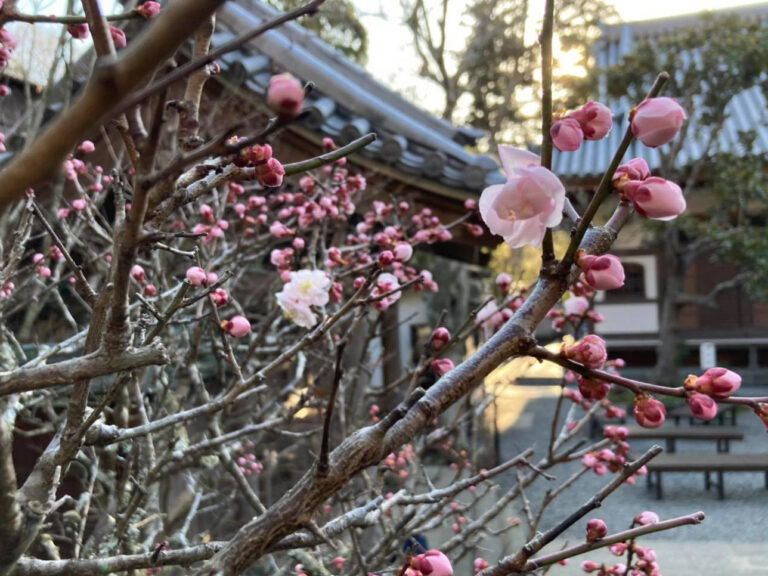
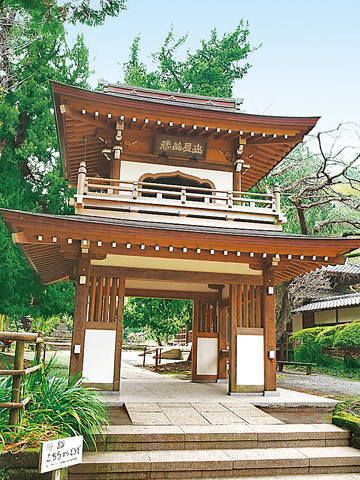
It is a Zen temple of the Rinje sect of the Rinje sect, and is the fourth-ranked Kamakura Gozan. It is said that his wife and his children had been erected in order to mourn the Bodhisattva of the third son of Tokiori Hojo (1281). During the Kamakura period, it was equipped with Shichidō gairan, and there were also about 11 temples. It now stands the Sōmon and the Buddhist Temple, which were rebuilt after the Great Kantō earthquake. When you climb the stone steps and enter the mountain gate, which also serves as a bell tower, you will find the Buddhist temple of the Buddhist temple, which houses a sitting statue of the third generation of Buddha, on the right. On the precincts, there is a walking path around the bamboo grove and a little gura, showing a quiet appearance suitable for a Zen temple. It is also popular as a temple of flowers such as plum, cherry blossoms and hagi. At the entrance to the approach, there is one of the Kamakura Toi, Kanroo Noi.

Contact Us: Business & Personal Inquiries

By proceeding, you agree to our Terms of Use And confirm you have read our Privacy Policy .

Notes

· We are available for inquiries 24 hours a day. Responses will be provided between 9:00 and 18:00 (including weekends, public holidays, and year-end/New Year holidays).
· Depending on the nature of your inquiry, it may take some time for us to respond.

RURUBU & ALL WAY JAPAN
Privacy Overview

This website uses cookies so that we can provide you with the best user experience possible. Cookie information is stored in your browser and performs functions such as recognising you when you return to our website and helping our team to understand which sections of the website you find most interesting and useful.