Archives: Travel Post

Kenchōji Temple

The first rank of Kamakura Gozan in the Great Motoyama of the Rinzai Kenchōji school. Japan's first Zen Buddhist speciality dojo, which was founded in the 5th year of Jianjō 5 (1253) by Tokoyori Hōjō, with the Song's High Priest Rankei Doryu as Kaizan. It is said that at its peak, it was equipped with Shichido-gai and had over 1000 monks. The original building was burned by repeated fires, but was restored by the Tokugawa family's asylum during the Edo period. The present-day Dōu is a modern-era reconstruction or relocation, but the Sōmon, Sanmen, Buddhist Temple, and Hōdō [Hattu] are lined up in a straight line, leaving behind the traditional Zen style of the Chinese Song period. Tough training is still held in Yamauchi, and it is wrapped in a strict atmosphere like a Zen temple.
Kuzuhara Oka Shrine

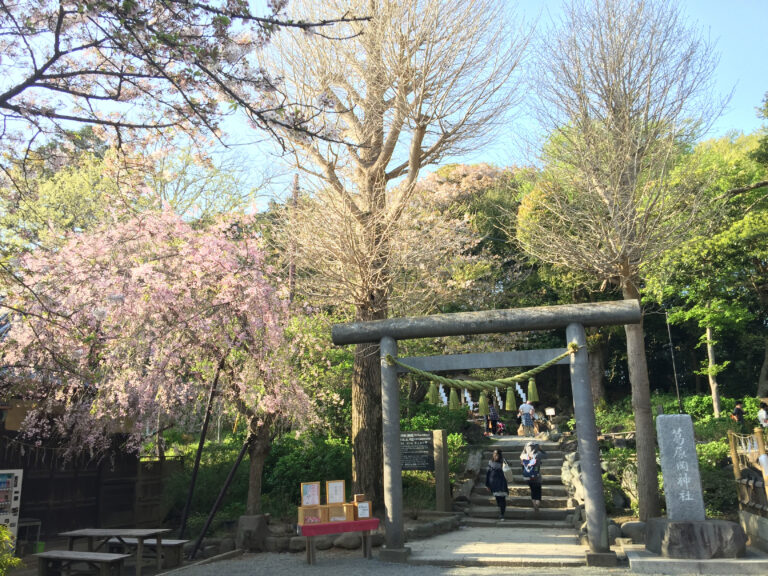
A shrine that is located within the Genjiyama Park to enshrine Lord Hino Toshiki, who served Emperor Go-Daigo, as a festival deity. There is a curb stone dedicated to Heji Inari Shrine and Ōkuro-sama at the precinct, which is visited by people who wish for a variety of good edges. You can enjoy various views in the spring, summer, autumn and winter in the vast precincts at the summit. Among them, Shiyoka is very stunning, and it is a famous place of Shiyoka known to those who know it.

Enjo Temple

A temple of the Rinzai Kenchōji school, which is said to have been founded during the Jianzhen years (1249-56). It is also known as the Juoh-do, and in the dark Buddhist temple, the main statue of Enma [Enma] the Great King (important cultural property), which is said to be a fortune-making work, as well as the Metamorphosis [Hensho] King, Qin Guangbo [Shinko] King, Hatsue [Shoko] King, Song Emperor [Yes] King, five government [gokan] king, flat road [hyo do] king, five road turning [goto tenrin] king, city [toshi] king, the statue of the Ten Kings in the underworld [Meikai] of King Taishan is enshrined (the statue of King Hatsue is deposited at the Kamakura National Treasure House). There is also a statue of an unclothed woman who plays the role of ripping off the clothes of the dead in the river of Sanzu. Among them, the Great King, about 2m high, approaches the viewer in tremendous form.

Enkaku-ji Temple

Located in Enkaku-ji Temple, it was rebuilt in 1964. Precious statues of Buddha from the Kamakura period, such as the statue of the main royal crown of the Buddha, Shakya Nyorazazazo (head of the Kamakura period, head of the early Edo period), and the statue of the Brahma [Bonten], and the statue of Taishakuten [Taishakuten], are enshrined. The giant "Shiryu no Zu" drawn on the ceiling is written by Seison Maeda and Tatsushi Moriya. Every morning, the Xiaotian Zazen-kai (fee: free; time: 6-7) is held.

Enkaku-ji Buddha Stadium

A thatched building located in Enkaku-ji Temple and erected in 1699. A dojo for monks to join zazen and enlightenment to become Buddhas. The statue of Yakushi Nyorai, which is transmitted to the works of the Yuqing [Unkei] school, carved during the North and South Dynasties, is laid in state.

Shari-den Enkaku-ji Temple

Located within Enkaku-ji Temple, it is a single-layer Irimaya-zuki building with shōkōki-mokoshi, and kakikazuki [kokerabu] building at the back of a tiled gate at Myoka-Ikewaki, and is famous as the oldest surviving representative of Tang-sama architecture in Japan. It was founded by Hōjō Sadaoki in 1285, but was burned to the ground, and the present building is said to have been the relocation of the Buddhist temple of Taiheiji (Taiheiji) during the Muromachi period. In the hall, the Buddhist religion sought by Minamoto Minami is enshrined. Only the exterior will be released during the January 1-3 and November treasure-opening period.

Enkaku-ji Sanmon (Yamamon)

A magnificent tower gate within Enkaku-ji, with the forehead of the Fushimi Emperor's Imperial Court's "Enkaku-Kōshō [Kosho] Zen-ji". It was rebuilt in 1783 (Tenmei 3), and is a symbol of Enkaku-ji Temple, with a height of about 20m and two wooden layers. Designated as a prefectural important cultural property.

Engaku-ji Hongbo

It is located within the Enkaku-ji Temple and is suspended in a bell tower on an elevated ground that has climbed the steep stone steps on the right hand side of the mountain gate. It was cast by the 9th Shōan 3 (1301), and was cast by Sadaoki Hōjō, with a height of 259.4cm and a diameter of 142cm in size of Kamakura. It is considered to be the Kamakura Sanmei Bell along with the bells of the Jōraku-ji and Kenjo-ji.

Enkaku Temple

Second rank of Kamakura Gozan in the Great Motoyama of the Rinzai sect Enkaku-ji school. In the 5th year of Hong'an (1282) It was founded by the 8th Shōgun Hōjō Tokimune [Tokimune], inviting Song's high priestess Mujugaku Sōgen (Buddha Guang Guang Shi) to mourn the spirits of the war dead in the role of Bunei and Hong'an (Mongko Hourai). In the vast precinct of about 60,000 square meters, there are a straight line of fairy tales such as Sōmon, a mountain gate, a Buddhist temple, and a temple, and Natsume Soseki and Shimazaki Fujimura also went to Zen. Eighteen towers, including Huangmei-in, are scattered quietly in the mountains. The whole area of Yamauchi is a national historic site, surrounded by the old cedar. You can feel the sparkle and formality of Zenrindojo.

Toshima Ya Door Store

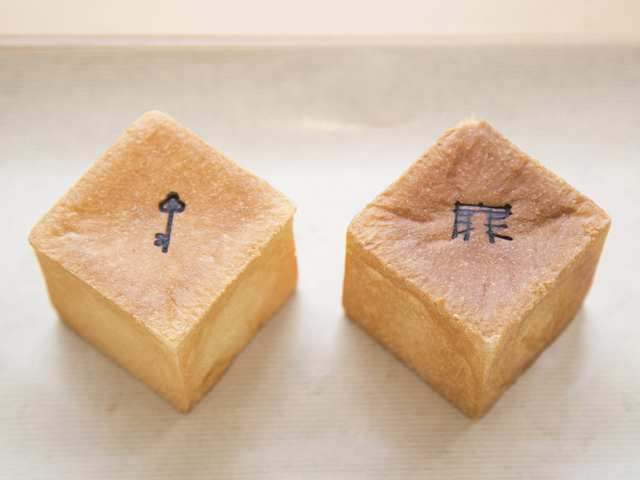
A shop with a side bakery, developed by Toyoshimaya, known for its "pigeon sable" staple of Kamakura souvenirs. There are a variety of breads such as pigeon sable, as well as bread, hard bread, confectionery bread, and side dish bread. The popular "Cube Anpan" has a rich taste, with plenty of homemade paste inside and a rich taste. It has grain paste and paste paste, and it goes well with bread. The seasonal anpan also appears on a monthly basis. There is an eat-in space on the second floor, which is open early in the morning in front of the station, so it is recommended as a meeting spot.

Contact Us: Business & Personal Inquiries

By proceeding, you agree to our Terms of Use And confirm you have read our Privacy Policy .

Notes

· We are available for inquiries 24 hours a day. Responses will be provided between 9:00 and 18:00 (including weekends, public holidays, and year-end/New Year holidays).
· Depending on the nature of your inquiry, it may take some time for us to respond.

RURUBU & ALL WAY JAPAN
Privacy Overview

This website uses cookies so that we can provide you with the best user experience possible. Cookie information is stored in your browser and performs functions such as recognising you when you return to our website and helping our team to understand which sections of the website you find most interesting and useful.