Archives: Travel Post

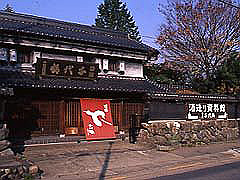
Chiyo Tsurukuri Museum

It has a 200-year-old history and is associated with Nakamura Shuzo, which is known for its Sake Chiyo Tsuru. In the sake brewery of the architecture of Meiji 17 (1884), traditional tools are lined up, and the process of sake brewing is also illustrated. At the sales corner, you can choose your favorite sake while doing it.
Akiruno Itsukaichi Local Hall

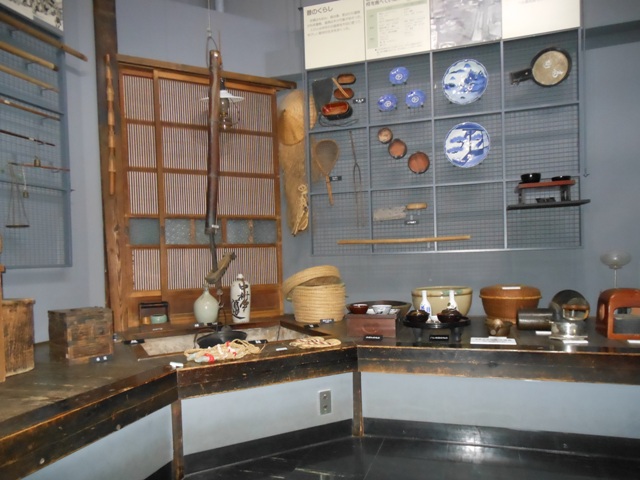
A local hall on the north side of the city police station. On the first floor, you can learn about the state of "sato no kurashi" and "river no kurashi" in the Itsukaichi area through the display of old life tools, and also display a number of fossils found from the Paleozoic to Cenozoic strata in the city. In particular, the maxilla, which was excavated in the almost complete form of the sea beast "Paleoparadoxia", is considered valuable worldwide, and its replica is a must. The second-floor exhibition room also displays notices and notebooks for the holding of the curatorial talks, which are related materials of the "Itsukaichi Constitution Draft", as well as Kurohachi-jo related materials and archeological materials, also known as "Itsukaichi". Adjacent Akiruno City Designated Tangible Cultural Property "Former Ichikura House" is also attached.

Great Temple

A Shingon temple with the fine mountain gate and the main hall, the back of the house, the bell tower, etc. In 1191, it was reported that the warlord of the Genpei battle, Hirayama Kishige [Hiraya Masueshige], was built at the order of Minamoto Yoritomo, and gathered the religion of the samurai for generations. General viewing of the Buddha Amitabha Buddha and the Waki Samurai Statue (Important Cultural Property) is only on April 21 and 22. It is also famous as the Shirahagi temple where flowers are attached from mid-to late September, and there remains a document written by Shirahagi that he liked Shirahagi in the garden when Date Masamune visited and sent him to the 15th priest.

Abukiri Shrine

The old shrine, which is named in the name of the Enki-shiki deity; said that he was worshipped by the great generals such as Minamoto no Yoritomo, Ashikaga Takashi, and Tokugawa Ieyasu, as a servant of Kantō; and the precinct surrounded by cedar and pine forests is filled with a solemn atmosphere.

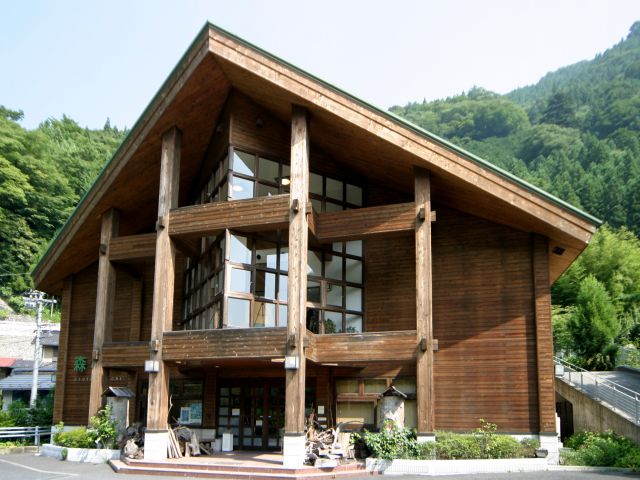
Forest Hall

It is a museum that provides materials, videos, and personal computers with information on the primeval forests and wild animals of Hibara, as well as the giant trees of the whole country. It is a 30-minute summary.

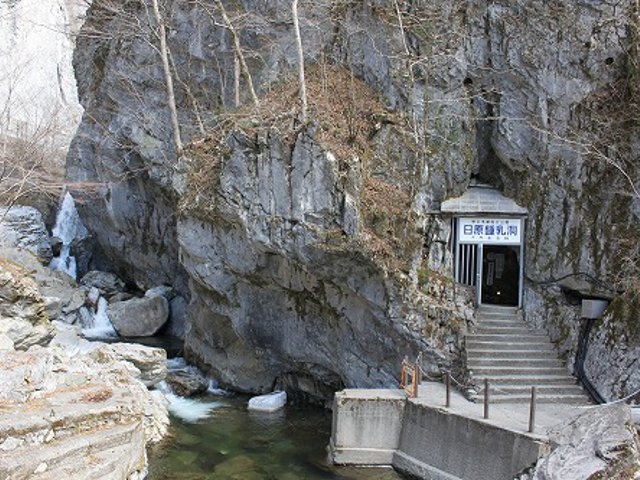
Nihara Jongno Cave

A total length of 800m is known from the Edo period. The stalactites that line up in a space like a convoluted three-dimensional maze are mysterious. In Jongdong, which boasts the size of Kantō-ichi, history is also felt in the enshrined shrine. It is also designated as a natural monument in Tokyo. The tour time is about 40 minutes. Natural Monument, Tokyo.

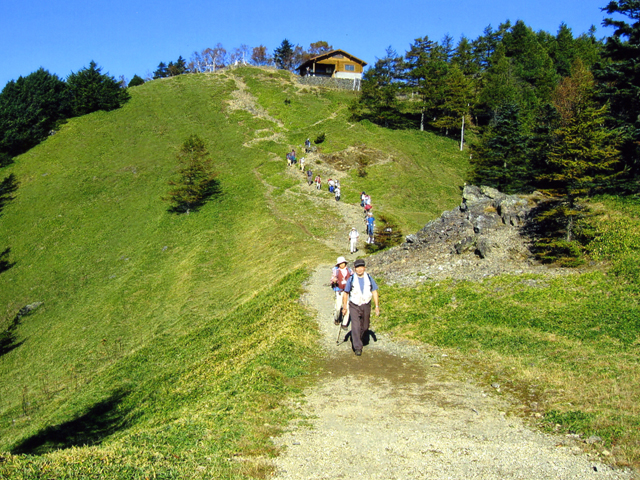
Mount Yuntori

About 6 hours from Kamozawa to the summit; about 3 hours from Sanjo no oyu; the highest peak of Tokyo at an altitude of 2017m. From the summit, you can see Okutama, Oku-chichibu, Fuji, etc. For intermediate climbers.

Kawai Campgrounds

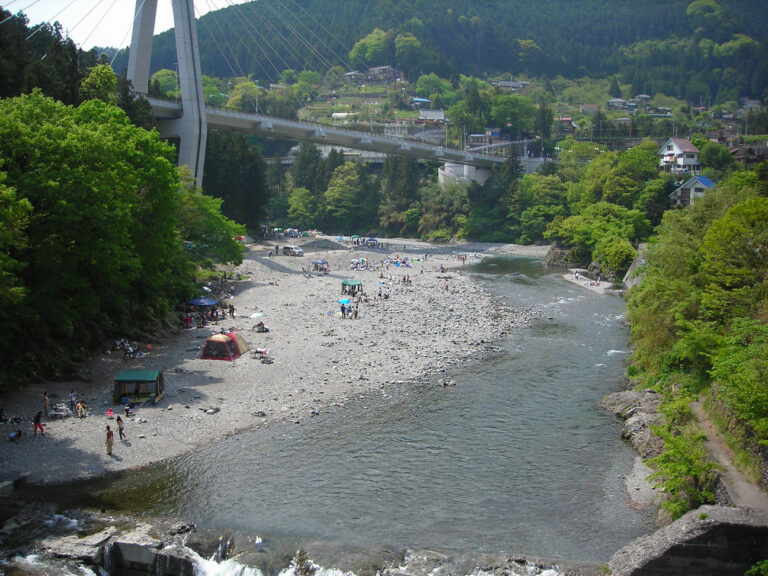
A campsite with a large river that can be reached in about two hours from the city center. In addition to barbecues, you can enjoy nature as well as river play and various experience programs.

Tokyo Okutama Lakeside Park Hometown Village of Mt.

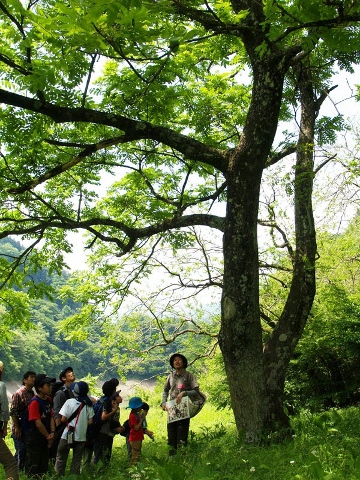
A nature experience facility located on the south shore of Lake Okutama. At the visitor center, a program (free) such as a guide walk through the forest with a nature commentator, a little child, etc. At the craft center, woodworking, stonework and ceramic art classes (actual cost is 100 yen, one hour required) and natural food classes (soba noodles, reservations required) are held. There is a campground (200 yen per person bringing in a tent), a log Kevin (20,000 yen for eight people and 10,000 yen for four people per building), and a barbecue ground. Restaurants using local ingredients are also popular.

Okutama water and green contact hall

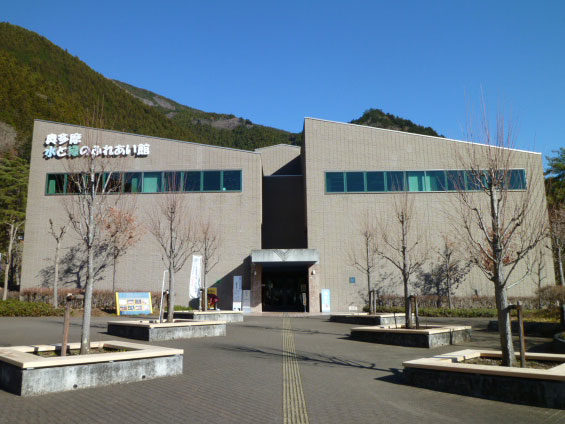
The exhibition house, which provides commentary on the connection between people and nature and cities and water sources. The building is divided into theme zones such as the history of Okutama, the mechanism of the dam, creatures and nature, and introduced in videos, models, and 3D theaters. In addition to the history and culture corner of Okutama-cho, there is also a local restaurant and a shop with famous products. It takes 30 minutes.

Contact Us: Business & Personal Inquiries

By proceeding, you agree to our Terms of Use And confirm you have read our Privacy Policy .

Notes

· We are available for inquiries 24 hours a day. Responses will be provided between 9:00 and 18:00 (including weekends, public holidays, and year-end/New Year holidays).
· Depending on the nature of your inquiry, it may take some time for us to respond.

RURUBU & ALL WAY JAPAN
Privacy Overview

This website uses cookies so that we can provide you with the best user experience possible. Cookie information is stored in your browser and performs functions such as recognising you when you return to our website and helping our team to understand which sections of the website you find most interesting and useful.