Archives: Travel Post

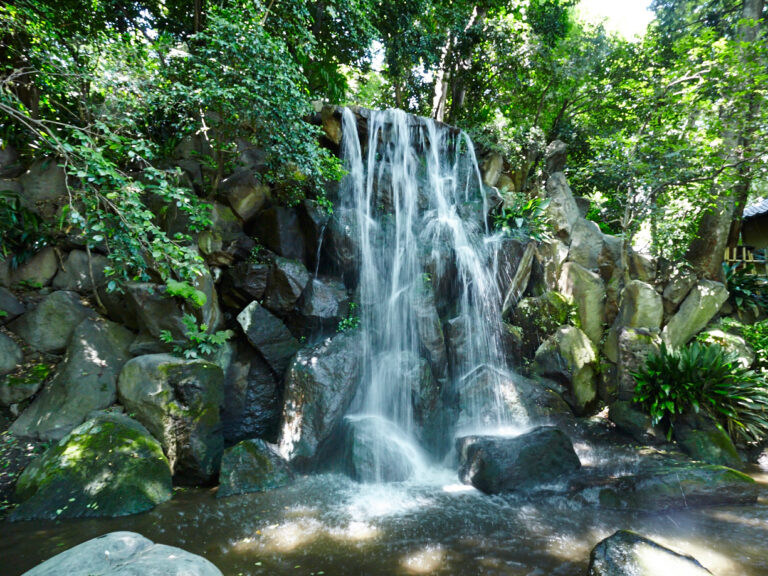
Lord of the Falls Park

It was the beginning of the opening in his own residence by the great lord of the Ōji village in the Edo period, and the name derives from this. It was maintained as a garden around the middle of the Meiji era. In 1938, a cafeteria and a swimming pool were built, but were destroyed by air raids during the Pacific War. There are many waterfalls in the vicinity of Oji, which is the edge of the Musashino Plateau, and there were once seven waterfalls called "Oji Nanataki", of which the only surviving ones are the waterfall of the lord. The waterfall of the master lord is centered on Otaki Falls, which has a head of 8m, and consists of four waterfalls: Ontaki Falls, Doken Falls, and Spring Falls. The Waterfall Park is a excursion garden that incorporates these waterfalls and natural landscapes.
Shimizuzaka Park

A three-dimensional and varied park using the topography of the Musashino Plateau. It is a flow area in the image of a mountain stream that can play in the water. It has a total length of 150m and a height difference of 10m, and it is a full-scale construction that discharges 5 tons of water per minute at 7 places. You can enjoy the feeling of playing a mountain stream while being in Tokyo. Roller slides with a length of 52m are also very popular.

Ononless Hydrophilic Park

A short walk from Prince Station. A valley-like, hydrophilic park that maintained the old channel of the Shakujii River. The terrain is used as it is, and the babbling surrounded by a stone wall of a few meters can enjoy playing in the water with the feeling of playing in a natural river. A waterfall with one ton of water per minute, which recreates one of the seven prince waterfalls, "Gonzo no Waterfall", and the flow that leads to it is a water play spot. The water uses circulating water that is equipped with filtration equipment.

Jujo Shopping Street

Nakadori Shoten-kai, Chuo (Performing Arts) Shopping Street and Fujimi Ginza spread around Jujo Ginza, one of the three Tokyo ginza towns, to form the Great Shopping Street. The number of shops is abundant anyway, and most are available at reasonable prices. It is a hidden attraction in Tokyo that has been crowded with many people since its inception in 1938. Thanks to the arcade, you can shop slowly even on rainy days.

Prince Ginza Shopping Street

About 90 stores are scattered between the north exit of JR Oji Station to the Onagashi Footbridge. There are also many stores that sell fox goods. On the third Saturday of every month, the "Nōzuka Inari-no-Ki-ichi" is held in front of the Inari Shrine.

North and Pia Observation Lobby

The facility in Kita-ku, located in front of Oji Station. There are windows on three sides, and you can see Saitama Shintoshin, Chichibu Renzan, Akagiyama, and the peak of Tsukuba from the window on the side of Oji Station.

Monument of cherry blossom

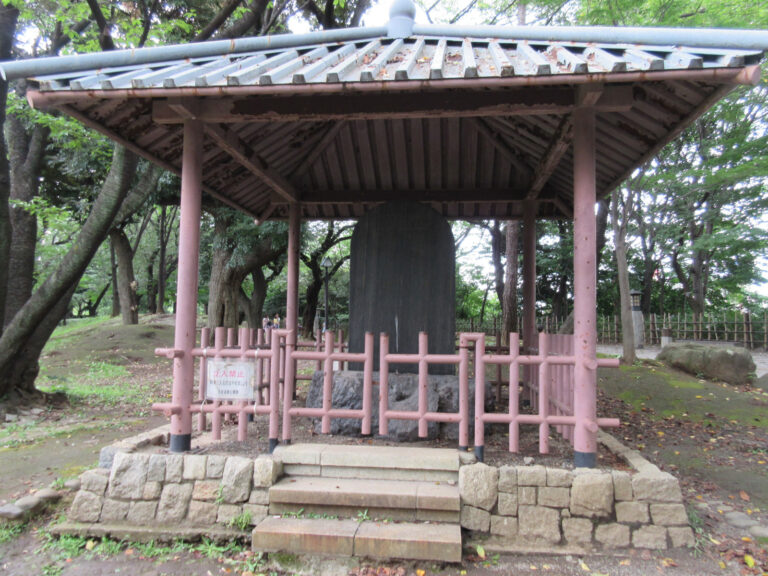
The cherry blossom was created by Sakuma Shozan, who had a great influence on Japan before and after the Meiji Restoration, and was entrusted to the cherry blossoms to express the information of the country. It is said that this work was made by Xiangshan 50 years old in 1860. Xiangshan was handed over to the attempt to exodus of Dōdō Yoshida Matsuin, and although he was still in the middle of his residence in Matsuyo, he was pardoned by the Emperor Kōmei in the second year of Bunkyu (1862), and thus was pardoned by Kōmei. He was subsequently assassinated by a supremacy realist, and Xiangshan closed his 54-year-old life. This monument was built on the basis of the remembrance, with the intention of Kadozumi Kōkai. The sentence and book of Masamasa Kitazawa of Kunimon is Kusakabe Narakuru. A stone room is buried under the monument.

Takinogawa Hachiman Shrine

Sojian was the second year of Jianjin (1202). It is located in an archaeological and valuable archaeological site, where a site of residence from the late Jōmon period was found in the back of the shrine. Because of being revered as the god of victory, many people visit before the win, such as exams and matches, he said. There are also three shrines on the precincts, Inari Shrine, Fuji Shrine, and Haruna Shrine.

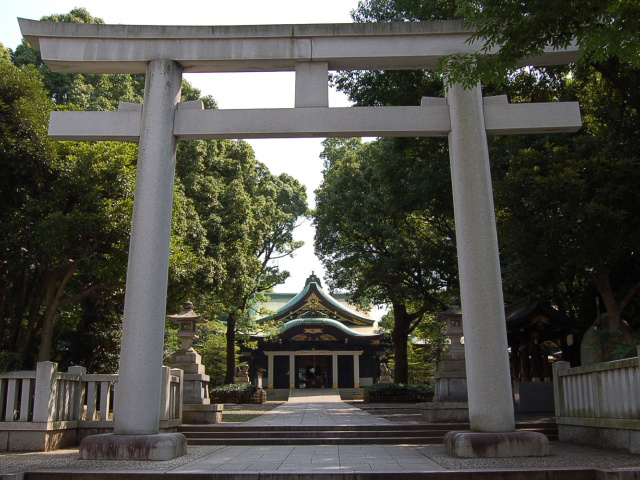
Prince Shrine

The era of the founding was not detailed, but it was revered as a holy place since ancient times. Towards the end of the Kamakura period, the lord Toshima clan encouraged Prince Okami here from Kishu Kumano Sansha. From this, it was called by the place name prince. Since Tokugawa Ieyasu's designation as the Shogun Prayer Office, the reverence of the generation shōgun was also strong, and he was counted as one of the famous places of Edo as a prince.

Prince Inari Shrine

On New Year's Eve, following the legend that the Kantō foxes gather, a "fox procession" is held every New Year's Eve; many stone statues of foxes are enshrined in the precincts.

Contact Us: Business & Personal Inquiries

By proceeding, you agree to our Terms of Use And confirm you have read our Privacy Policy .

Notes

· We are available for inquiries 24 hours a day. Responses will be provided between 9:00 and 18:00 (including weekends, public holidays, and year-end/New Year holidays).
· Depending on the nature of your inquiry, it may take some time for us to respond.

RURUBU & ALL WAY JAPAN
Privacy Overview

This website uses cookies so that we can provide you with the best user experience possible. Cookie information is stored in your browser and performs functions such as recognising you when you return to our website and helping our team to understand which sections of the website you find most interesting and useful.