Archives: Travel Post

Toden Monaka Honpo Confection Akemi

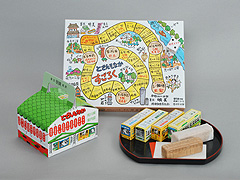
A confectionery shop at the entrance of the Kajiwara Ginza shopping street, a short walk from the Toden Kajiwara station. If you come here, you want to buy "Toden Monaka," which is also popular as a Tokyo souvenir. When you open a pretty box with seven kinds of Toden motifs with different colors and vehicle designs, it's all in the shape of Toden. There is a lot of sugar paste in the inside, and a lot of fertilizer is in the center of the paste. Not to mention the appearance, the taste is excellent, and you can buy it from one vehicle. The 10-piece makeup box is garage-shaped, and more than 14 vehicles have a box lid with a lot of playfulness. Some of them are recommended, such as "Namika Kabatori" and "Petitoyama Yoshimune Sakura Sanmai".
Tosaya

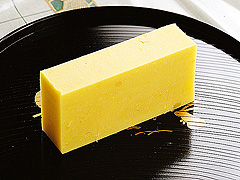
Since its inception in 1938, 250 yen per potato-yokkan made by the same method is delicious. Without adding anything extra, use a selection of sweet potatoes from Chiba Prefecture and mix the steamed sweet potatoes with a mixer without straining them. The sweet potato fiber and pieces remain, and it is an addictive taste once eaten with a simple taste. We also recommend 150 yen for one bite-sized anko ball with a nostalgic taste of old-fashioned paste wrapped in agar.

Tanuki House

Since its inception in 1949, it is in the midst of popularity in a cute form. The city is famous for foxes, but the specialty here is during the tanuki. The first generation started the raccoon dog with the same animal. You can enjoy the texture of the crispy skin as you pack the paste after you order it. There are two kinds of black bean and white bean paste 130 yen each.

Ishinanabe Kuju Rice Cake Shop

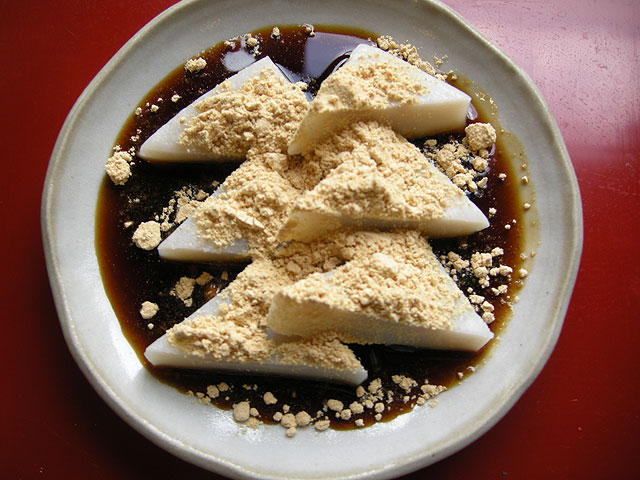
Founded in the year of Meiji 20 (1887), the history of more than 130 years. Kuju rice cake, a signboard product, is a fermented food made by fermenting wheat starch for one and a half to two years. Sweets that are good for the body that have been handed down since the Edo period, with black nectar and kinako flour on fresh and elastic rice cakes. Agar used for Anmitsu and Tokoten is also made from Amakusa, and since it is not added, it can be eaten with peace of mind. Kusu mochi (for souvenirs) 480 yen ~, Anmitsu cup 460 yen, Kusu mochi (in-store) 520 yen etc.

Yamamatsuya liquor store

Convenient shop for living with services rooted in the community. In addition to alcoholic beverages, we will select condiments, famous products from all over the country, and items that are not readily available elsewhere, and offer recommendations for the day. The Prince's Fox's Hidden Liquor, which will be sold exclusively during the year-end and New Year holidays, will start selling around December 22.

Kamataya

An onigiri specialty store located in the Jujo Nakadori shopping street. A popular store that has also been featured many times on TV. There are more than 50 kinds of rice balls, and on many days, 3000 pieces can be sold a day. All individual rice balls, such as "Nasamiso" and "Red Ginger Shayage", are 120 yen.

Prince fan shop

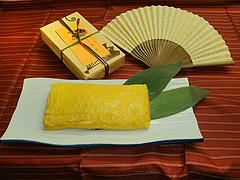
9 large eggs of 2L size in one fold. Break fresh eggs one by one with your hands and cook them with dashi, sugar, soy sauce, etc. The sweetness flavor and the fluffy texture are more favored by people than in the Edo period. 1300 yen per turn and 650 yen 1/2 cut.

Shinohara Performing Arts

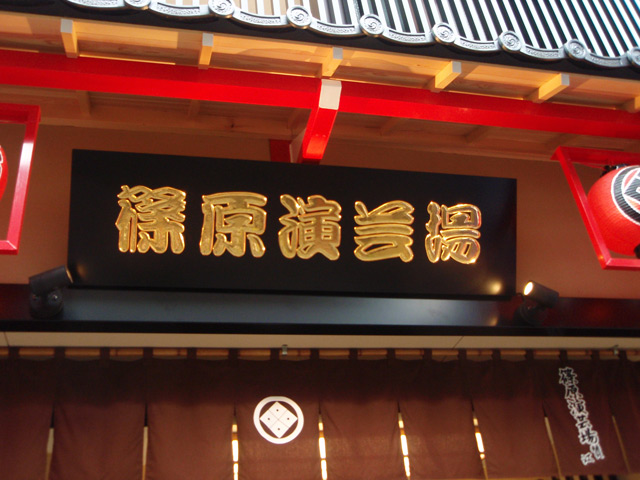
A performing arts hall formed in 1951. Plenty of three hours or more of the stage is full of plays and song shows, with tears and laughter. When the target actor appears, a voice will be heard from the audience, and it will be greatly excited. Perform on a monthly basis are a troupe affiliated with the Mass Drama Society and a troupe affiliated with Kansai and Kyushu.

Tōshō Bunko

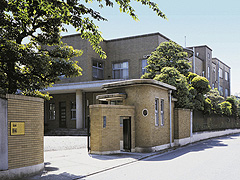
The first textbook library in Japan opened in 1936 to commemorate the 25th anniversary of the founding of Tokyo Book. A systematic collection of textbooks, and educational materials from the Kamakura period to today. In addition to textbooks, it also holds about 160,000 pieces of materials such as original drawings, hang-drawings, and prints. In 2009, 76420 pieces of textbook-related materials from the early Meiji period to the first half of the Showa 20 s were designated as National Important Cultural Properties. In addition, the building was designated as a tangible cultural property (building) of Kita-ku, Tokyo in 1999, and was certified as a modernization industrial heritage of the Ministry of Economy, Trade and Industry in 2007.

Disaster Prevention Center, Kita-ku, Tokyo (Science Center for Earthquakes)

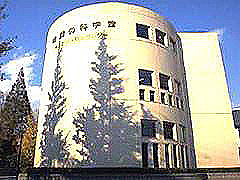
There are also experience facilities such as an earthquake experience where you can actually experience shaking with a seismic intensity of up to 7, a smoke experience to know the situation at the time of being swallowed by smoke, and an initial fire extinguishing experience using a training fire extinguisher. The exhibition hall explains the correct knowledge and provision of the prevention of falls and disaster prevention of furniture and home appliances through panels and audio. A model of the mechanism of the earthquake, the history of the earthquake, the damage, etc. are displayed on the panel.

Contact Us: Business & Personal Inquiries

By proceeding, you agree to our Terms of Use And confirm you have read our Privacy Policy .

Notes

· We are available for inquiries 24 hours a day. Responses will be provided between 9:00 and 18:00 (including weekends, public holidays, and year-end/New Year holidays).
· Depending on the nature of your inquiry, it may take some time for us to respond.

RURUBU & ALL WAY JAPAN
Privacy Overview

This website uses cookies so that we can provide you with the best user experience possible. Cookie information is stored in your browser and performs functions such as recognising you when you return to our website and helping our team to understand which sections of the website you find most interesting and useful.