Archives: Travel Post

Hiwadayama Hiking Course

A walking course from Mount Hiwada at an altitude of 305.1m to Mount Mononoyama at an altitude of 375.4m to Lake Kushita. The latter part of the Oku Musashi Nature Trail, which is a total of 11km from Tennoyama. The climb up to the summit of Mt. (The terminus of the lake, Kushita, is an artificial lake with a circumference of about 2km. such as cherry blossoms and autumn leaves are beautiful). Course: Koryo Station → 20 minutes → Hiwada Mountain Entrance Entrance → 30 minutes → Hiwada Mountain → 30 minutes → Takashiyama → 30 minutes → Monobiyama → 35 minutes → Kitamiko Jizo → 40 minutes → Kakuboku Lake → 40 minutes → Gao Lu Station. A walking total of 3 hours and 45 minutes.
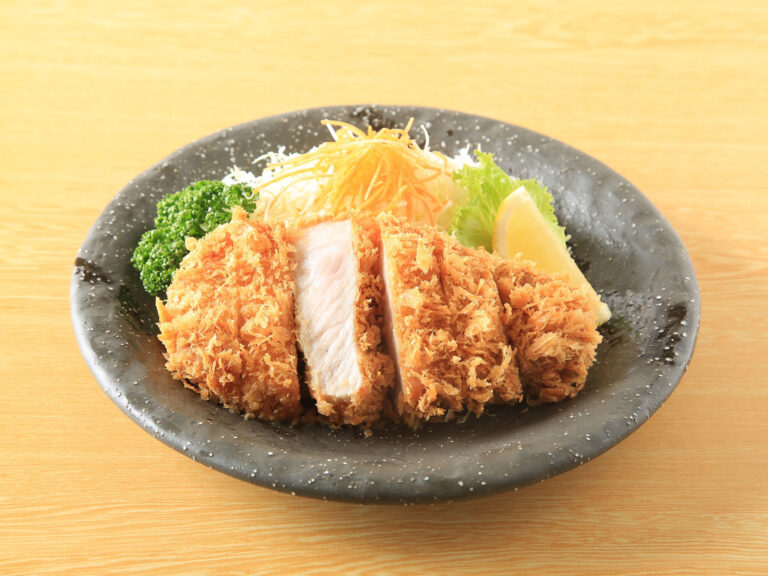
Saibok.

Saibok, a “pork theme park” visited by 4 million people a year, includes a meat shop that sells ham and sausages made at an adjacent directly operated factory using its own brand pork “Golden Pork” as a raw material, cafeteria, kitchen, there is a direct sales shop for fresh vegetables, "Rakuno Hiroba", a paid athletic "Saiboku no Mori", and a natural hot spring "Hanatinazuki", where children and adults can enjoy the whole day. At Restaurant Saibok, menus such as popular loin and pork steaks are available.

Fujimiya

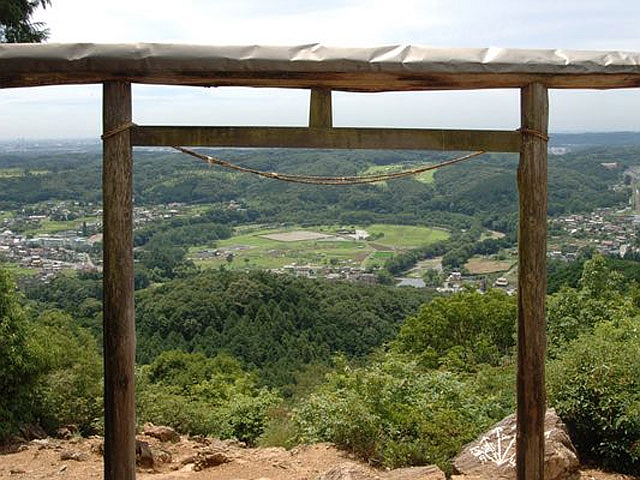
During this course without a rest area, this is the only place to rest. On a clear day of air, Mount Fuji can be seen from here.

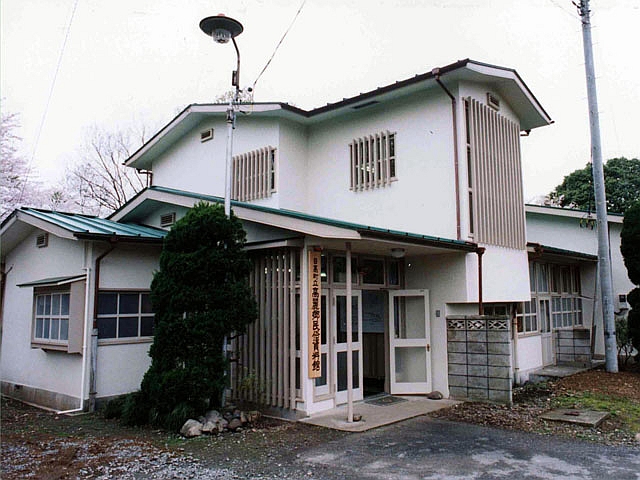
Hidaka City Goryeo Folk Materials Museum

A museum to learn about life until around the middle of the Showa era through farm tools, folk implements and furniture furnishings used in the city. Folklore materials related to forestry and fishing methods, including agriculture such as local sericulture and tea cultivated in nature, are on display. There is also a room where the life of the time was recreated. Journey time 30 minutes.

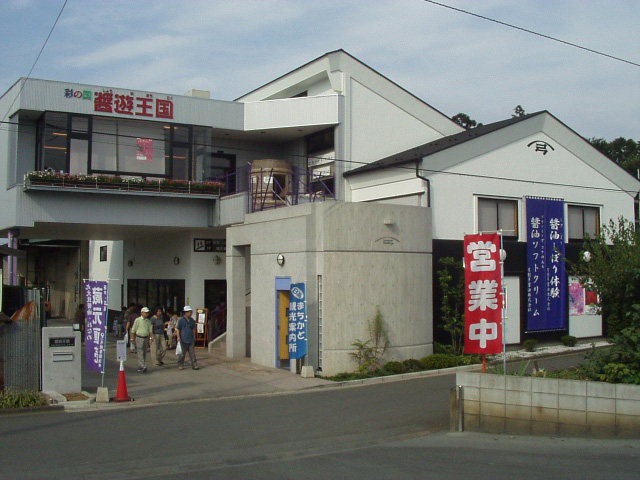
Sai no Kuni Soy Yu Kingdom

Yuge Tata Soy Sauce Museum, which introduces how to make and use soy sauce. You can tour the fermentation and aging of moromi, and experience the squeezing of soy sauce for free. Freshly squeezed raw soy sauce for souvenirs.

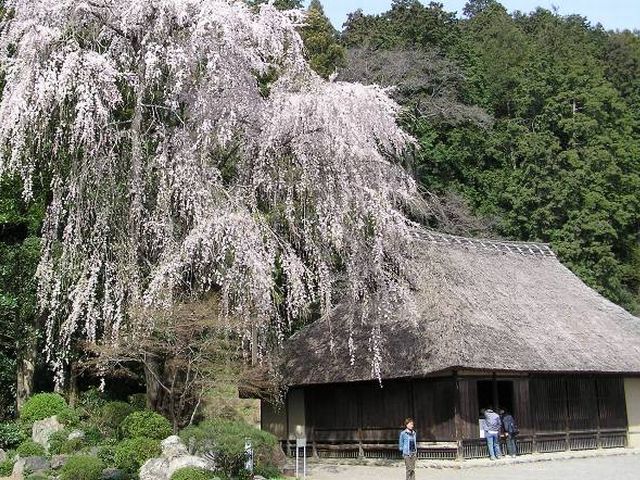
Goryeo House

It is a residential house of the Goryeo family, an old family that has served as the priesthood of the Goryeo Shrine for generations, and is located adjacent to the shrine precincts. It was built in the middle of the 17th century and became a designated important cultural property of the country in 1971. The current building was demolished in 1976 and almost restored to its original form. The tour of the interior requires an advance application (9-16 o'clock reception).

Shōtenin (Kōraku-ji)

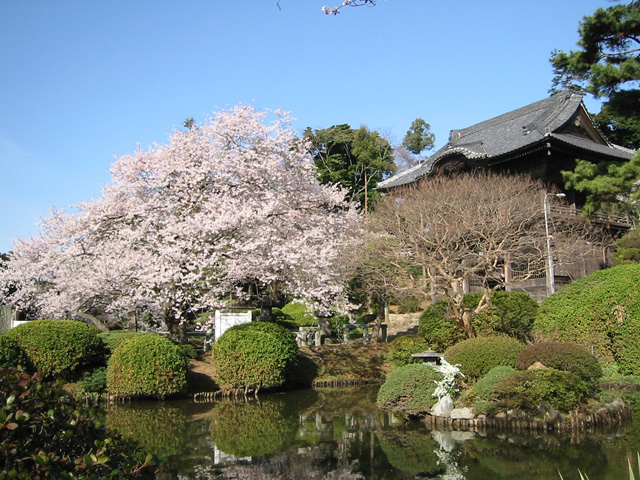
It was founded after the death of the king of Goryeo, the third year of Tenpyo Shengho (751) by the descendants of the samurai monk Shengraku and Wakamitsu. There is the tomb of Goryeo Wang Wakamitsu, which shows the Joseon style, and the Brahma bell of the Important Cultural Property. The new main hall, which was completed in November 2000, is made of whole gelkova, and the large fairy tale is 330 square meters. In addition to the view from the precinct, which climbed 150 steps, the cherry blossoms, azaleas and autumn leaves in the precinct are also beautiful.

Goryeo Shrine

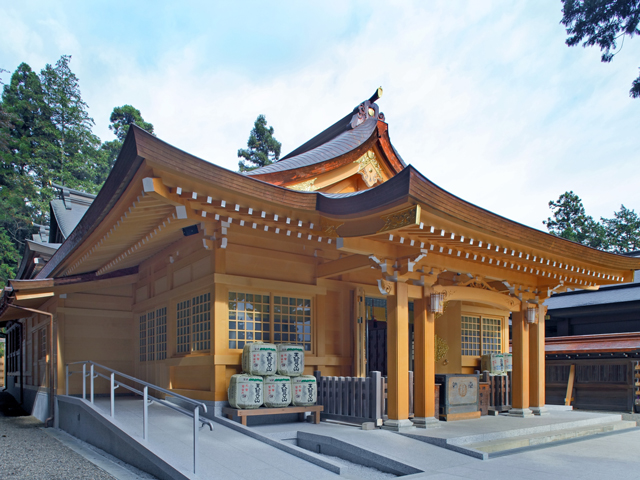
A shrine that enshrines a migrant from Goguryeo, the Goryeo King Wakamitsu. In the second year of Reigame (716), Goryeo County was placed in the area of the shrine, and it was built in memory of its beanties after the death of Wakamitsu, who became the head of the county. From the Taisho era to the Showa period, there are many politicians who became prime ministers after worship, and they are also referred to as Myojin.

Drawstring Field

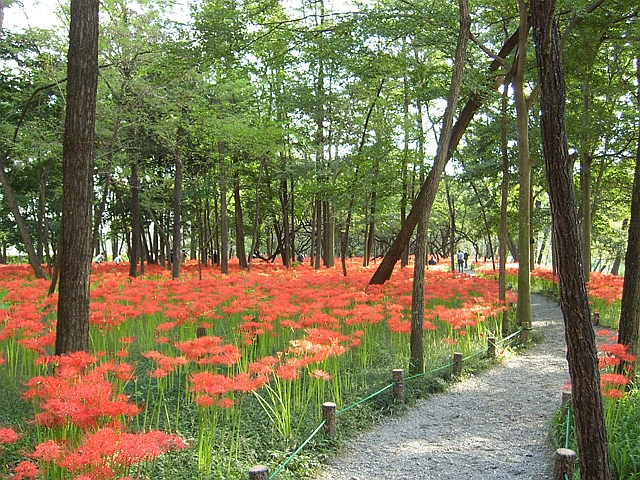
The land is surrounded by the Kōrōgawa [Komagawa] around a diameter of about 500m and an area of about 22ha. It was named because it looks like a drawstring when viewed from Mt. Kingfisher lives on the Kōno River, and a conflower covers the park from September to early October.

Water of the water

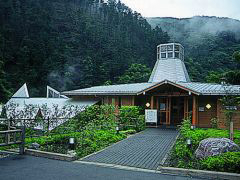
A day-trip hot spring facility with a striking appearance like a space station with a deep green mountain at its back. The building is full of wood, and there is a lounge that mimics the forest in the middle of the bathhouse downstairs, so you can enjoy the feeling of a forest bath even while staying in the hall. Both body and mind are healed in the public baths and steam rooms of different men and women. An open-air bath where you can take a bath while watching the singing of wild birds and the green of the mountains is also a top luxury. In addition to a rest room where you can bring in meals, there is also a lounge and a hall.

Contact Us: Business & Personal Inquiries

By proceeding, you agree to our Terms of Use And confirm you have read our Privacy Policy .

Notes

· We are available for inquiries 24 hours a day. Responses will be provided between 9:00 and 18:00 (including weekends, public holidays, and year-end/New Year holidays).
· Depending on the nature of your inquiry, it may take some time for us to respond.

RURUBU & ALL WAY JAPAN
Privacy Overview

This website uses cookies so that we can provide you with the best user experience possible. Cookie information is stored in your browser and performs functions such as recognising you when you return to our website and helping our team to understand which sections of the website you find most interesting and useful.