 English
  Japanese
  Chinese (China)
  Chinese (Taiwan)
  Korean
 Chinon pastry shop
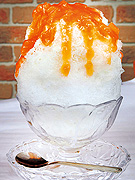
A sweet shop that is loved locally. The taste of the extreme sauce is not good for a patisserie. You can taste it on the terrace seat with the wind.

A sweet shop that is loved locally. The taste of the extreme sauce is not good for a patisserie. You can taste it on the terrace seat with the wind.
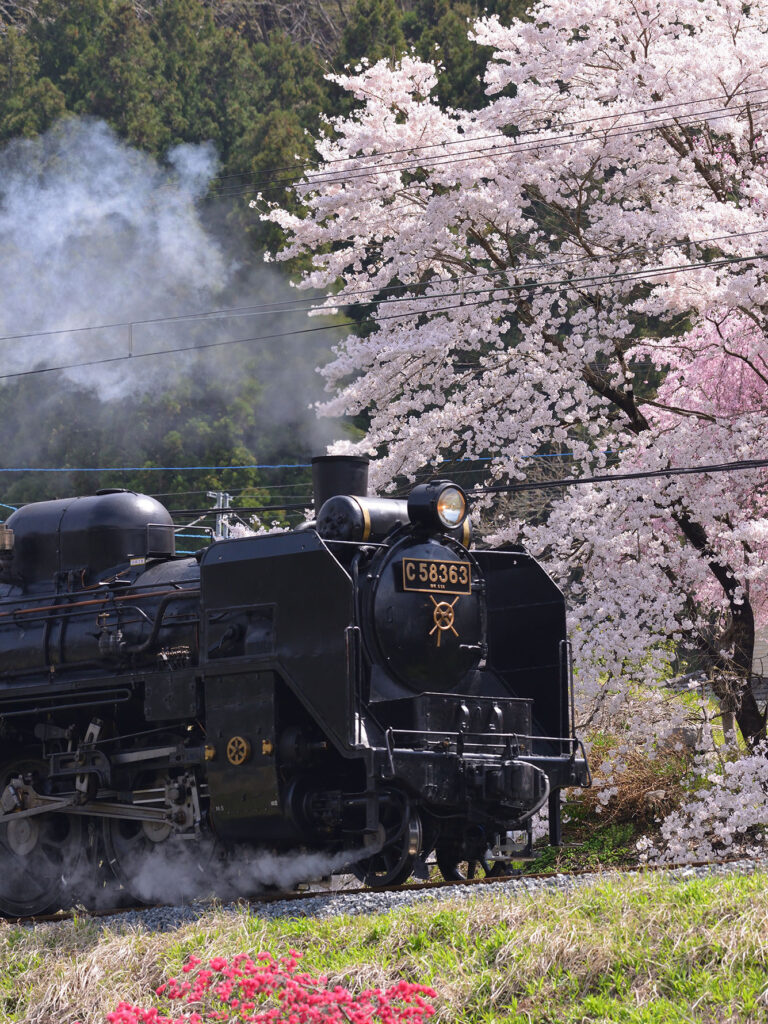
The C58 363, manufactured in 1944, was an active SL on the former national railway. After his retirement in 1972, he was preserved in an elementary school in Saitama Prefecture, but resumed operation on the Chichibu Railway from "Saitama Hiroshi" in 1988. Because all cars are reserved seats, advance reservation is required from the reservation system in the official website of the Chichibu Railway.
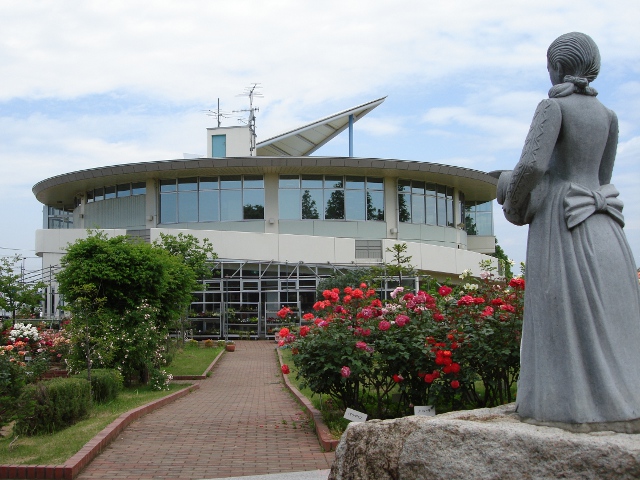
The physical production center has a popular produce shop for morning-picking safe, safe, and fresh vegetables and a specialty yowa potato, and a ramen shop for "tsukemen" where you can get in line. Agripark has a rose garden with 2000 stocks of 400 species, which can be enjoyed twice a year in spring and autumn. In the center of the building, Menuparu, on the first floor is a long Inari sushi specialty of Tsumuma and a thick-rolled Gin sushi (430 yen), a handmade bun (210 yen), and on the second floor is a wheat toro Gozen (980 yen), the menu, which uses plenty of local ingredients, is popular, such as summer-only snow bears (550 yen), winter-only boutou (980 yen), and Gerrard (300 yen) throughout the year. There is also a national treasure, Tsumanuma Shitenzan "Jyoin Shentendo", around the roadside station.
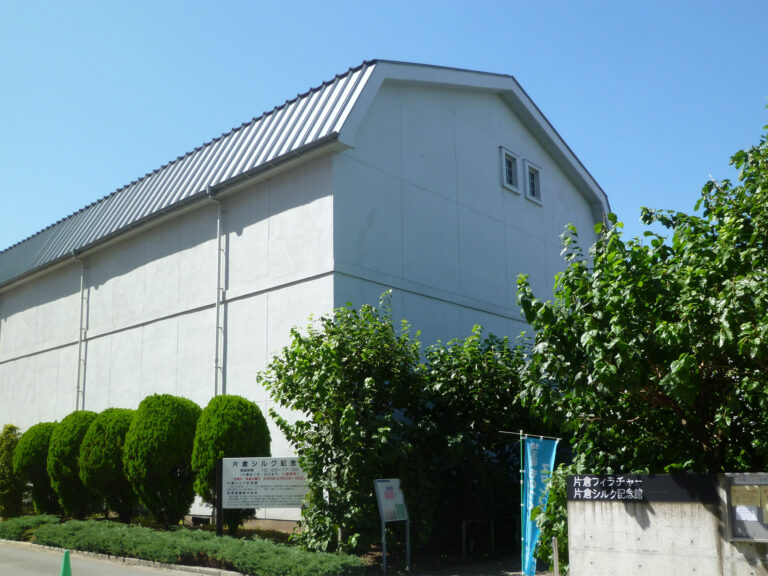
A facility that uses the cocoon warehouse of Kumagaya Factory, which was the last of the Katakura Industries, to preserve and inherit the footprints of the 121-year-old Katakura silk industry. The company will display the silk-making machinery used at the Kumagaya plant and introduce the process from cocoon to raw silk. It was certified as a modernization industrial heritage in 2007.
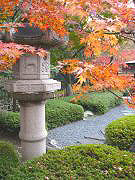
A excursion garden built from the Gyeongsang years to the first year of the Meiji era as the residence of Takei Taketanjo, who was instrumental in developing Kumagaya. From 1950, it became owned by the city of Kumagaya, and in 1954, it was designated as a city famous. Tamono Pond, which was the water source of Hoshikawa, occupies about one-third of the site, and wooden bamboo and famous stones are arranged around the pond.
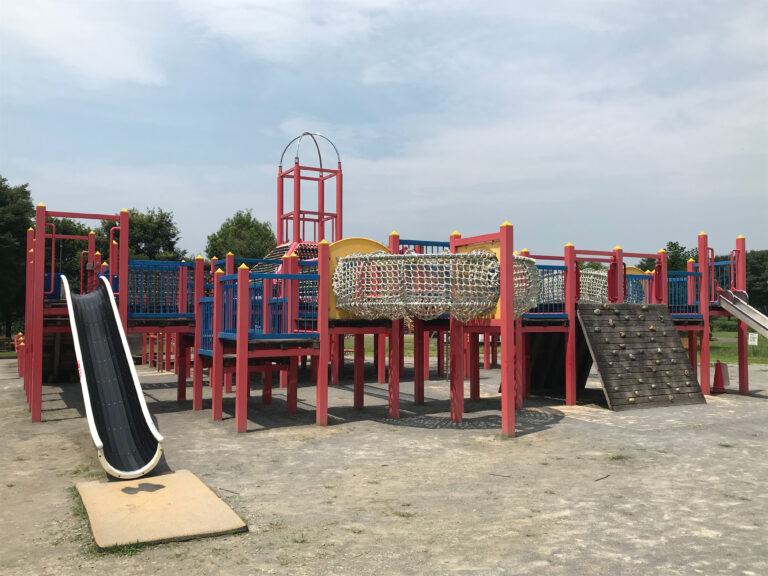
It was developed as a park with sports facilities representing Saitama Prefecture. Among the main athletic facilities in the park are the Saikuni Kumagaya Dome, and the athletics and rugby fields. In addition, there are large play equipment in the children's square, a hill of four seasons where you can enjoy seasonal flowers, and a therapy garden, and you can also enjoy a barbecue. The use of barbecue is confirmed by the official site.
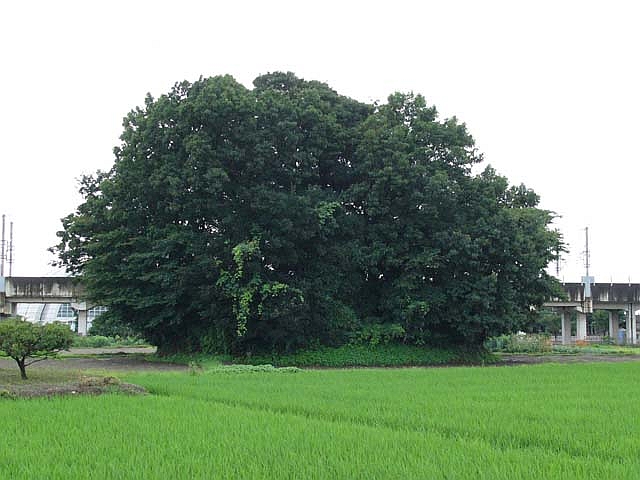
It is located in a field in the western part of the city of Kumagaya, and is considered to be a building at the end of the ancient times. A circular mound with a diameter of about 10m is mounted on a rectangular mound with a height of about 4m and a side of 17 to 20m, and is a rare upper circle of the lower mound in the national region. It was designated as a National Historic Site in 1956.
At the end of the Heian period, the warlord, Prince Saito, enshrined the "Great Shengkakiten" as a base for the people's hearts. It is a famous temple that counts as one of Japan's Three Great Sendens along with Shiten Machi in Asakusa and Shiten Ikoma in Nara Prefecture. The unusual historical spots in the precinct are fascinating, such as "Shiten Sushi", which served as the setting for the "Shiten Sushi", the novel "Zengyue", and "Chiyo Masu", a kappo inn that was founded in Meiji 5 (1872).
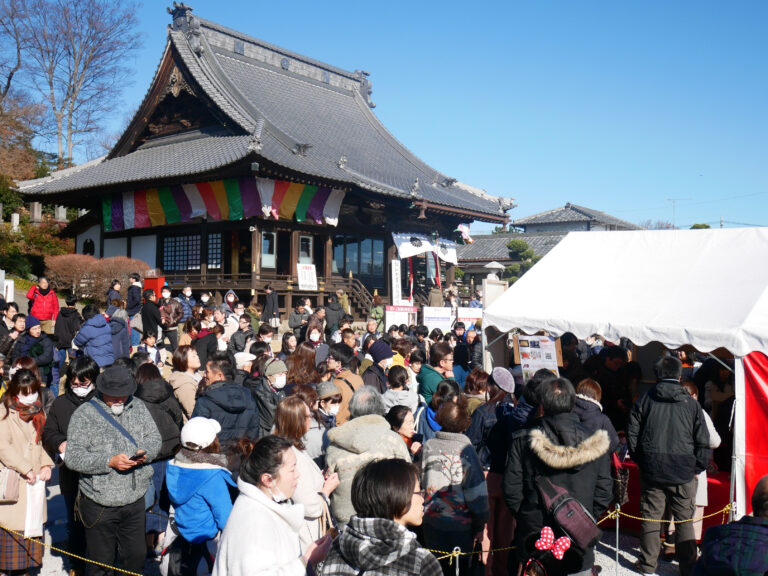
The temple, which has a history of 1200 years, is counted as one of the "Japan's Three Great Apostors". It is the only one in Japan to simultaneously enshrine the two statues of Daishi, the golden-shining secret Buddha-son "Evil and Golden Daishi", and the benefits of evil, open, and azimuth are considered to be Kantō Suichi. For this reason, more than 700,000 worshipers from all over the country visit the first time. In addition, many other Buddhas are enshrined, such as "Senju Kannon Bodhisattva", "Fudomyo", "Heisei Safe Taikanin", "Shakya Nyorai", "Mizuko Jizo", "Bokake Sealed Kannon", and "Bingzuru Resin". It is widely revered as a strong sacred temple with various wishes. It is also the "temple of the birthplace of the cut-off picture Goshimin", and the first prize will also be awarded the "Hatsune limited cut-off picture Goshimin".
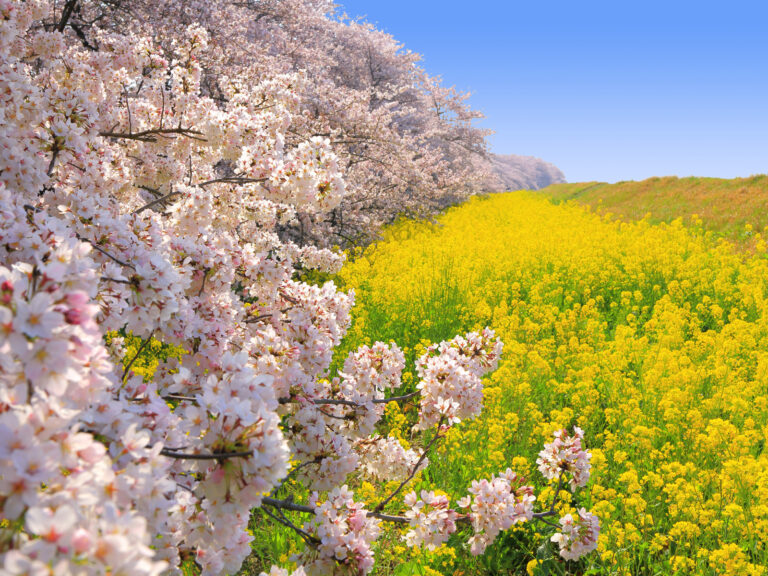
It is a tree-lined line of Yoshino cherry trees that spans about 2km along the Arakawa River, and in the spring, the banks are all colored pink. In 1990, it was also selected as the "100 Sakura Famous Places". In some places, you can photograph cherry blossoms in the proximity you can get.