Archives: Travel Post

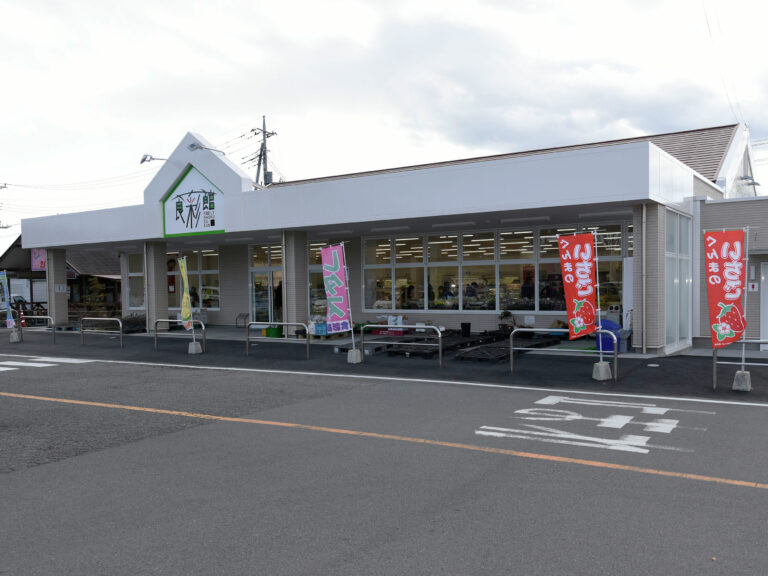
JA Kanaku Tomioka Family Shokusaikan Main Store

You can buy fresh vegetables produced by a local farmer, as well as local pork and a taste of old-fashioned mukuro, "oyaki-yaya bun". In September, ginger (new ginger), in December, Chinese cabbage and Konita green onions, and in January, chiggo, etc. are in season. Adjacent, there is also a handmade ice studio Jura 21, which is directly sold by local dairy farmers.

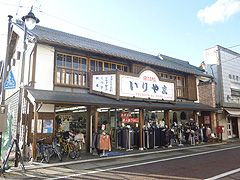
Iriyama

Long-established clothing, opened in 1901 (Meiji 34), the quaint and stately store room is also attractive. There is a large selection of clothes and socks, and there are many silk products that are conscious of the raw silk town of Tomioka.

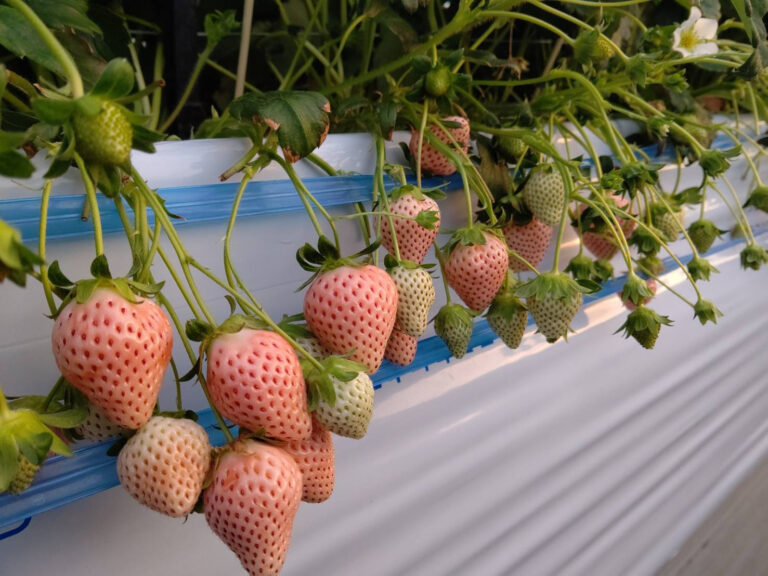
Takada Strawberry Garden

You can enjoy picking strawberries in a world heritage town. You can eat 8 to 10 strawberries for 40 minutes. You can also eat rare white strawberries.

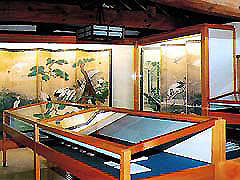
Tomioka City Okabe Onkan

A museum using the Okabe family's building, which used to trade local specialties (such as hemp and whetstone) as an Australian merchant in the region during the Edo period. The 11th generation, Mr. Sadashin, has published historical materials and art objects that have been passed down from generation to generation because of the effect that "cultural property belongs to the local community."

Tomioka City Art Museum, Ichiro Fukuzawa Memorial Museum

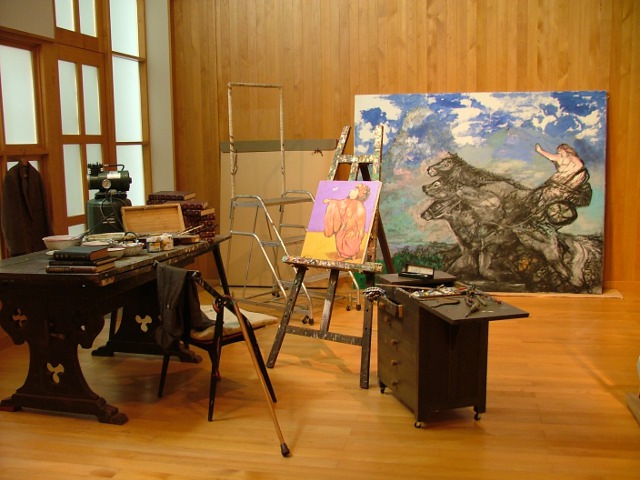
A museum featuring works by important writers and local writers in modern and contemporary art, and a museum showcasing the history of Tomioka and a memorial museum displaying works by Ichiro Fukuzawa, a painter of the Order of Culture from Tomioka. The local museum, which displays archeological, historical, and folk materials of the city of Tomioka and the surrounding area, reproduces the work landscape at Tomioka Yutochii with a diorama. The Ichiro Fukuzawa Memorial Museum of Art consists of three rooms, and there is an exhibition of large works that can be said to be the top of the bone, as well as a corner that recreates the atelier. Journey time 1 hour.

Gunma Prefectural Museum of Natural History

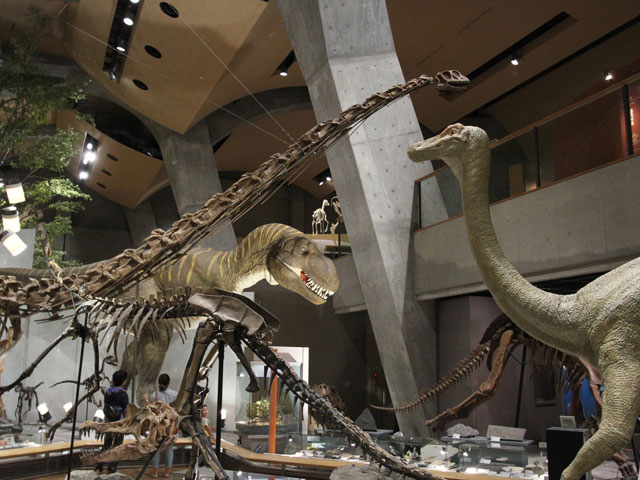
A museum located within the Momijihei General Park. Introduce the history of life and evolution from the birth of the earth, and the rich nature of Gunma Prefecture. A moving full-scale model of a Tyrannosaurus, a skeleton specimen of a 15m long-length Camarasaurus, and a diorama of beech forest that reproduces the rich nature of the herd. There are many exhibits to be done, children can also enjoy. It takes 1 hour and 30 minutes.

Crowd Safari Park

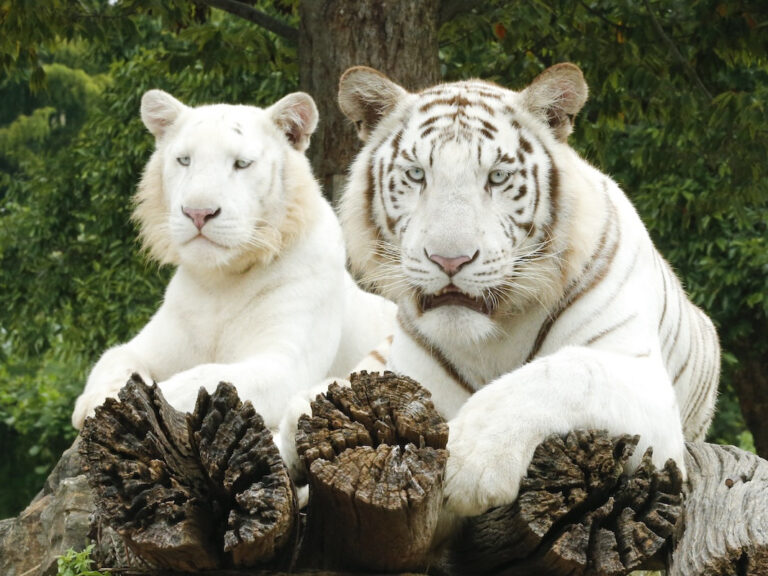
A safari park where 1000 animals, some 100 species collected from the five continents, live in a form close to the original ecosystem on a vast site. The park is turned around by private car or round bus. In particular, the feeding experience bus, where you can feed herbivores and carnivores such as American bison, eland, zebra, and lion, is powerful with the faces and mouths of animals approaching in front of you.

Tomioka silk mill

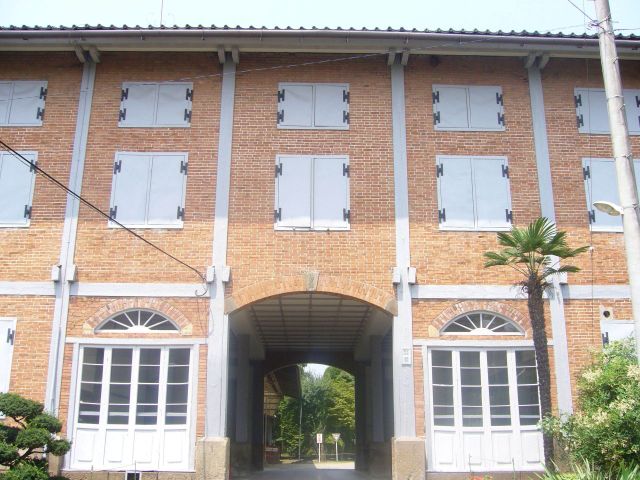
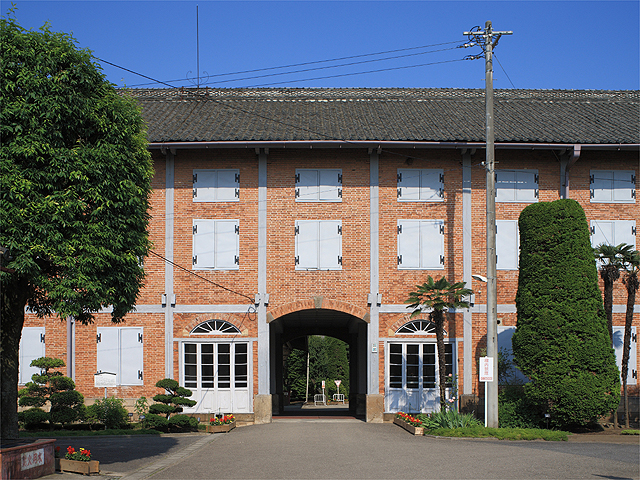
In 1872, an exemplary instrument silk mill established by the Meiji government to improve the production and quality of raw silk, which was the mainstay of export goods. The main structure, which was built at the beginning of the foundation, remains in almost complete condition. In June 2014, it was listed as a World Heritage Site, and in December of the same year, the area was designated as a national treasure as the East and West Okoikosho and the Miyosho. There is commentary guide, and the guided tour is 200 yen per person (100 yen for junior high school students and below).

World Heritage Tomioka Yarn Mill and Silk Industry Heritage Group

Cultural Heritage, which was listed as a World Heritage Site in June 2014. It will be composed of four cases of sericulture and silk-related cultural goods scattered across three cities and one town, Isesaki, Fujioka and Shiminita, with Tomioka Mill in Tomioka, Gunma Prefecture as the lead. The area of Gunma Prefecture is where the silkworms and silk industry and silk textile industry have flourished since ancient times. With the opening of Tomioka Silk Mill as a government-run model factory in the early Meiji era, the development of Japanese silk production began rapidly. The former home of Yahei Tajima in Isesaki, one of the developers of the Modern Sericulture Act, is a magnificent building that can be said to be the prototype of a modern sericulture farmer. The site of the Takayama Shrine in Fujioka City, which also established the Modern Sericulture Act and contributed to the spread of knowledge and technology in the Sericulture Industry, and the largest Japanese-scale silkworm storage facility in the town of Shiminita, Arafune Fenga, are all the heritage of the valuable silk industry.

Ichinomiya Nukumae Shrine

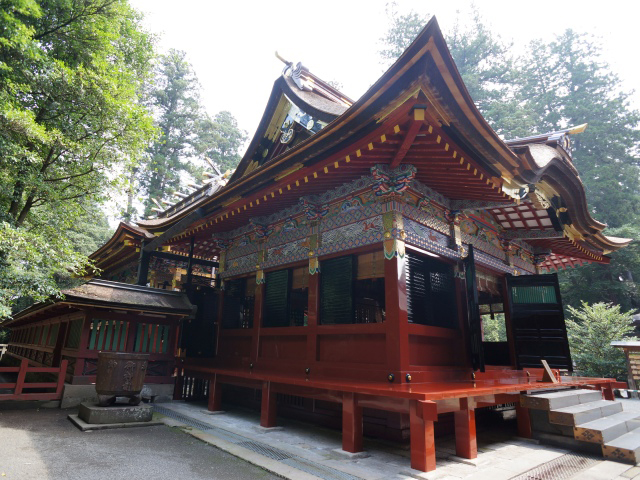
An unusual shrine with a shrine standing down the stone steps. In 531, it is passed down as a Meishin Taisha shrine in the Engishiki-shiki name book [Engishiki Jin Myoucho]. The main temple, the temple of the temple, and the tower were rebuilt by Tokugawa Iemitsu to become a National Designated Important Cultural Property. In recent years, the restoration of the main temple and the main hall of worship has been carried out, and the building has been restored to the majorly figure of the early Edo period.

Contact Us: Business & Personal Inquiries

By proceeding, you agree to our Terms of Use And confirm you have read our Privacy Policy .

Notes

· We are available for inquiries 24 hours a day. Responses will be provided between 9:00 and 18:00 (including weekends, public holidays, and year-end/New Year holidays).
· Depending on the nature of your inquiry, it may take some time for us to respond.

RURUBU & ALL WAY JAPAN
Privacy Overview

This website uses cookies so that we can provide you with the best user experience possible. Cookie information is stored in your browser and performs functions such as recognising you when you return to our website and helping our team to understand which sections of the website you find most interesting and useful.