Archives: Travel Post

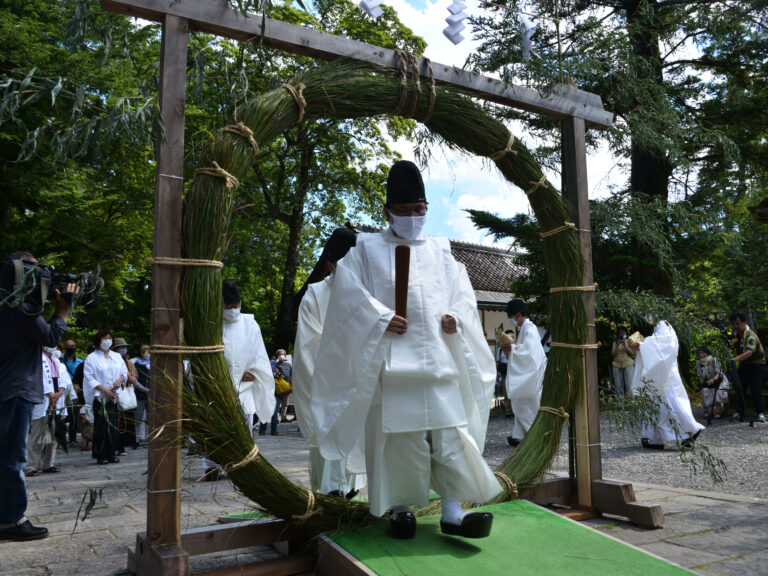
Natsugoshi Daikorari

It is performed twice a year, in June and December, in a ritual that exorcizes sins and discharges committed unknowingly. He breathes three times over a doll [person] of about 10cm, and gives him his or her guilt for half a year, and purifies this and prays for the elimination of calamity. After that, by passing three times through the circle of Chino, which was set up in front of the hall of worship, he returns to his original fresh mind and body. From 16 o'clock.
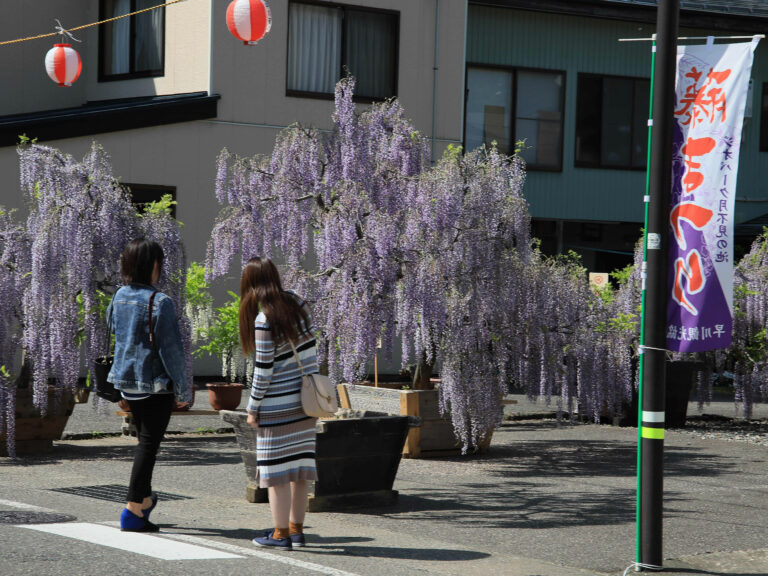
Wisteria Festival

In the name of the wisteria's famous spot, "Tsukimizu no Ike", a potted wisteria, which local enthusiasts have been able to do for a year, will be displayed in the eaves of the house. The sight of wisteria in bloom on the street (along the prefectural road) along the eaves is very good to see. A Fuji show will also be held.

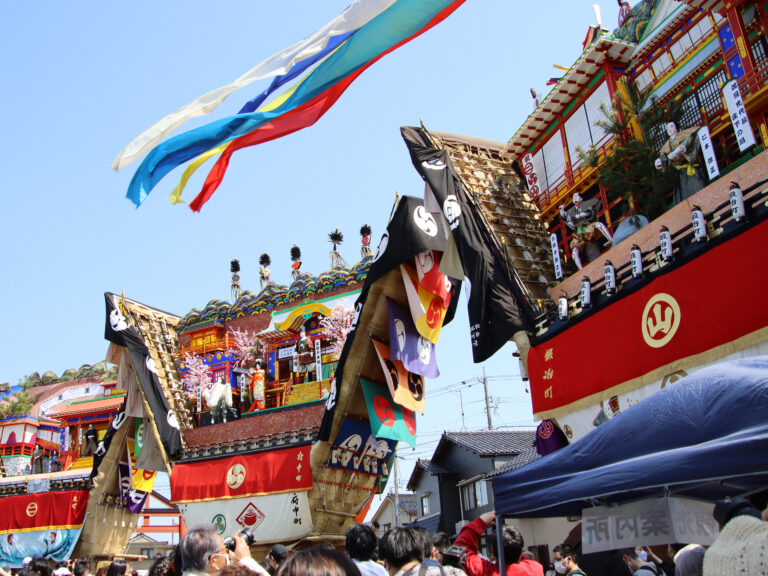
Blue Bao Festival (Deka Mountain)

It is said to be the beginning of "Dekayama" that he dedicated Hikiyama at the Aobashi Festival in the 5th year of Civilization (1473), and the largest festival in Noto, held at the Ootokonushi Shrine. Three floats, which are about 12m high, about 13m wide and weigh about 20 tons, are each milling around a narrow town. It is also designated as an important intangible folk cultural property of the country, and the change of direction of the floats, called "tjitsuguri", is powerful and its biggest highlight. In December 2016, "Yama-Hama-Hai-Yai-Yai-Yai-Yai-Yai", including the "Hikiyama-Yai Festival", was listed as a UNESCO Intangible Cultural Heritage Site. Image courtesy of Nanao City

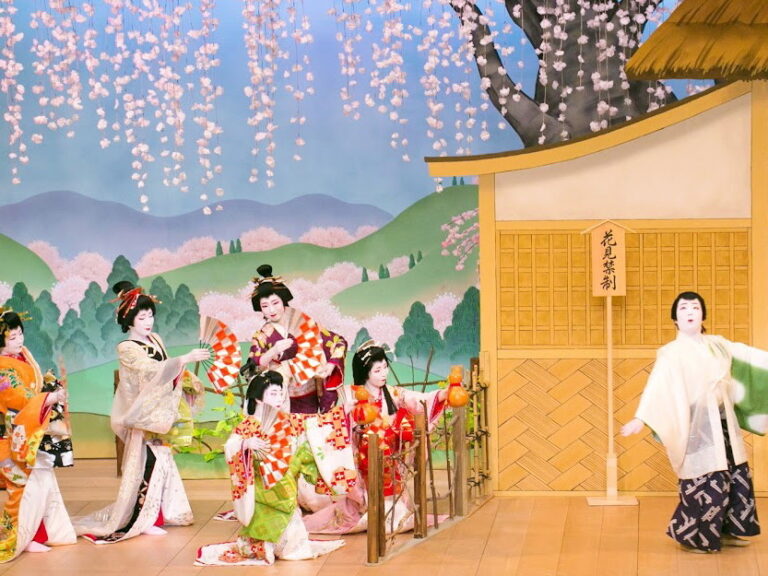
The 70th Kitano

"Kitano Odori", an annual event by a geisha maiko in the oldest flower district of Kyoto. 2022 will be held from the spring of the year before moving to autumn. The first part, "The Journey of Time (Time)", is a dance play in which Taiyō Taijin, who chants the "Songs of Umehana" from "Man'yōshū", the origin of the era's "Reiwa", is invited by a plum spirit to travel across time and space. In the second part, a pure dance is performed in which the transition of the four seasons is put on song and dance. The finale, "Kamikanikusen Yakyoku", is a total dance of all the geisha in a matching black hem and Maiko in colorful and colorful costumes. The brilliant stage is packed with many fans every year. It is performed twice a day from 14:00 to 16:30. Image courtesy of the Upper Seven Shado Association

Hagi Hiyoshi Shrine's Yabusame

Seven families who say they were vassals of the late Heian period warlord Kiso Yoshinaka are dedicated to Hagi Hiyoshi Shrine, a ritual that is said to have started in the first year of Tenfuku (1233) and is performed every three years. Along with the Kagura of the same shrine, it has been designated as the "Yabusame of Hagi Hiyoshi Shrine" as an intangible folk cultural property in Saitama Prefecture. The "morning-tou" of the horse show, where the kamma runs through Baba, is dedicated from about 10 o'clock, and the "yudu-tou", which shoots an arrow at the target, is dedicated from about 15 o'clock. When they pick up the shot arrow, they call Fuku, and the spectators compete and pick up the arrow while cheering.

The festival

It is said that Ichibashi Shrine, whose gods are all goddesses, has a benefit for every wish of a woman. At the Hiina Festival, which is held on March 3 every year, there is a demonstration of dressing male chicks and female chicks, and a chendan "Hibina Seasoshi". The dance of the princes and women and the elegant play of the Heian nobility are also introduced.

Kamai Park Cherry Blossom Festival

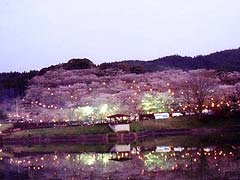
It is located on a hill overlooking the Miyakonojo basin, and nighttime light-ups are performed at the time of about 500 Yoshino cherry trees. Image courtesy: Mimachicho Tourism Association

The 75th Miyakonojo Mochi Cherry Blossom Festival

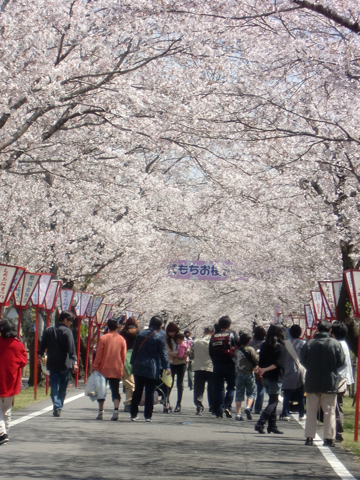
The biggest highlight is the cherry blossom tunnel of about 2km. The cherry trees that overlook from the spiritual spot, Mochioka Shrine, are also a masterpiece. The Cherry Blossom Festival is crowded with cherry blossoms from inside and outside the prefecture, and along with the spring visit, it produces magnificent and stunning flowers to impress the visitors. On March 29 (Saturday) and March 30 (Sunday), stage events, Fukuo Sakura and Fuku Sakura events, stamp rallies, etc. will be held. Light-up, parking lots and store openings are scheduled to be implemented according to the cherry blossom bloom situation. Image courtesy: (one company) Miyakonojo Tourism Association

Contact Us: Business & Personal Inquiries

By proceeding, you agree to our Terms of Use And confirm you have read our Privacy Policy .

Notes

· We are available for inquiries 24 hours a day. Responses will be provided between 9:00 and 18:00 (including weekends, public holidays, and year-end/New Year holidays).
· Depending on the nature of your inquiry, it may take some time for us to respond.

RURUBU & ALL WAY JAPAN
Privacy Overview

This website uses cookies so that we can provide you with the best user experience possible. Cookie information is stored in your browser and performs functions such as recognising you when you return to our website and helping our team to understand which sections of the website you find most interesting and useful.