English
  Japanese
  Chinese (China)
  Chinese (Taiwan)
  Korean
■ Made from Rice, Yet Aromas Reminiscent of Apples and Bananas — The Evolving Diversity of Modern Sake
Wine is one of the oldest alcoholic beverages known to humankind. Over the years, various types of glasses have been created to enhance the enjoyment of wine. The large, egg-shaped wine glasses now used by people around the world first appeared in the 1950s. They were created by RIEDEL, Austria’s renowned wine glass manufacturer.
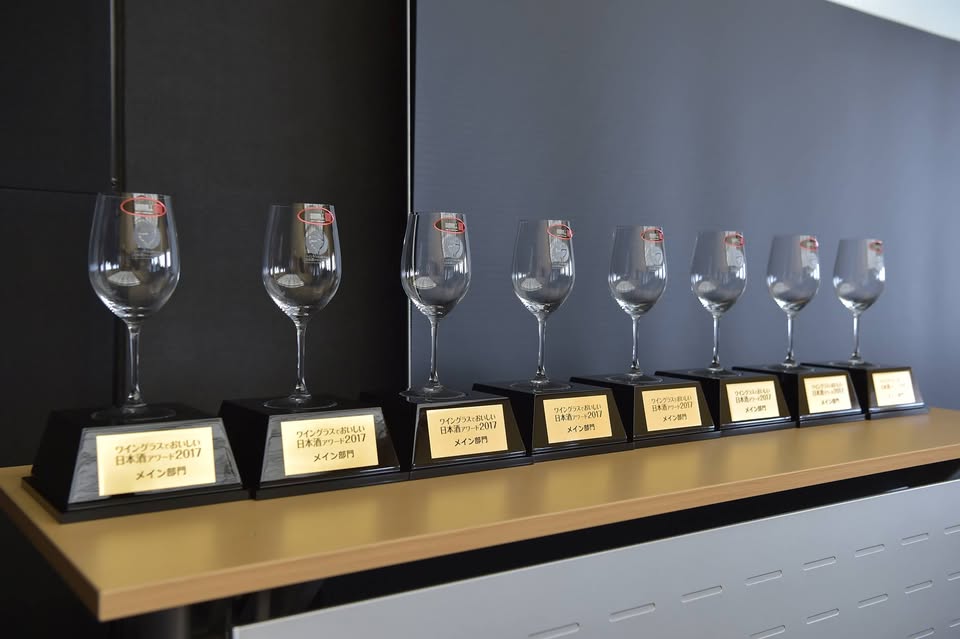
There is a competition of "sake" that is sponsored by this highest wine glass brand. It is the "Wine Glass Delicious Sake Award". It began in 2011 to recognize the power of wine glasses and widely convey the appeal of the newly discovered sake.
▼ Fine SAKE Awards official website with wine glass
Japanese:https://www.finesakeawards.jp/
English:https://www.finesakeawards.jp/index_e.html
Although wine glasses were originally designed for wine, in recent years, the practice of enjoying sake in wine glasses has been gaining popularity. People are gradually realizing that the unique shape of wine glasses helps the aroma rise more easily, allowing them to detect even the most delicate scents that traditional sake cups cannot fully capture.
The growing popularity of sake with fragrant aromas is driving the trend of enjoying sake in wine glasses. Sakes with fruity aromas—such as apple, banana, white peach, and lychee—that are hard to believe come from rice are appearing one after another, attracting new fans of sake, including women and young people.
■ Judged via Blind Tasting Using RIEDEL’s Specialized Sake Glassware
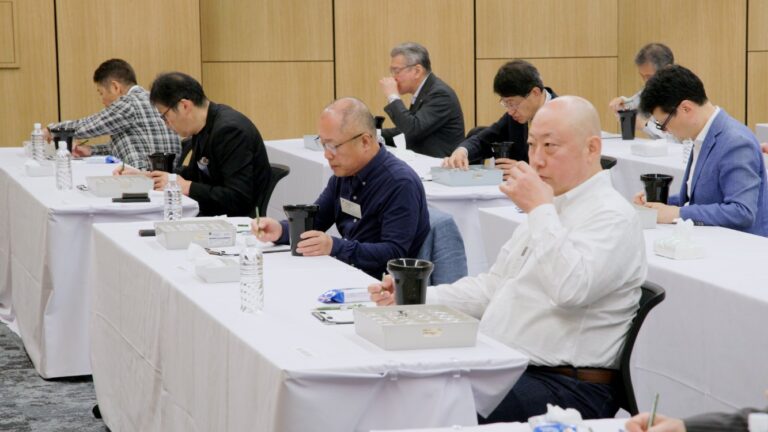
This award is evaluated on a 7-point scale through blind sensory testing. The judging panel is led by 12 judges who are foremost experts in the field of brewing technology. In addition, the panel includes professionals involved in sake across a wide range of fields, such as distribution, the food and beverage industry, media, and education.
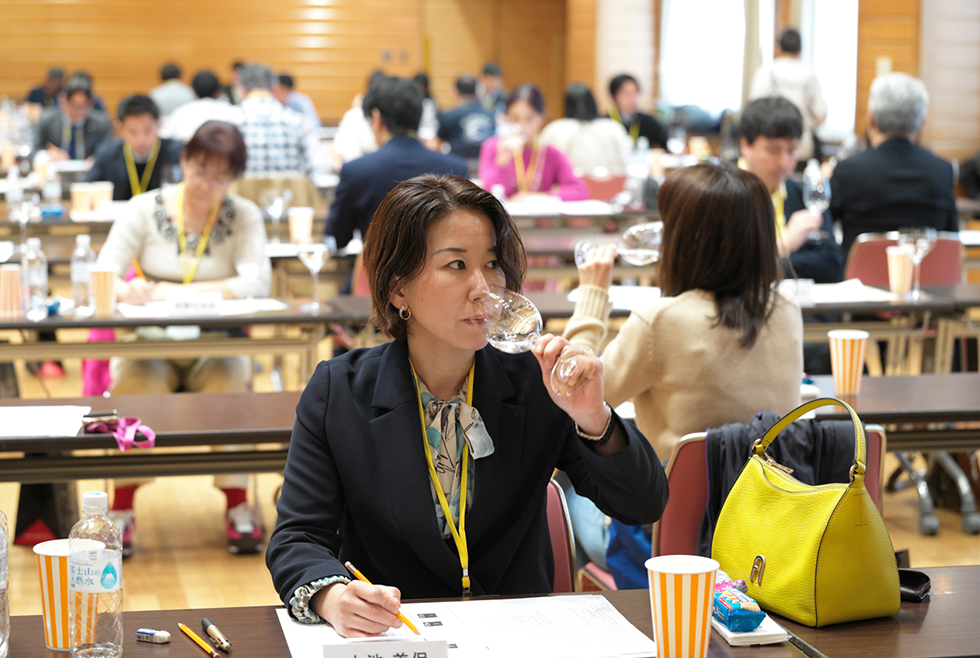
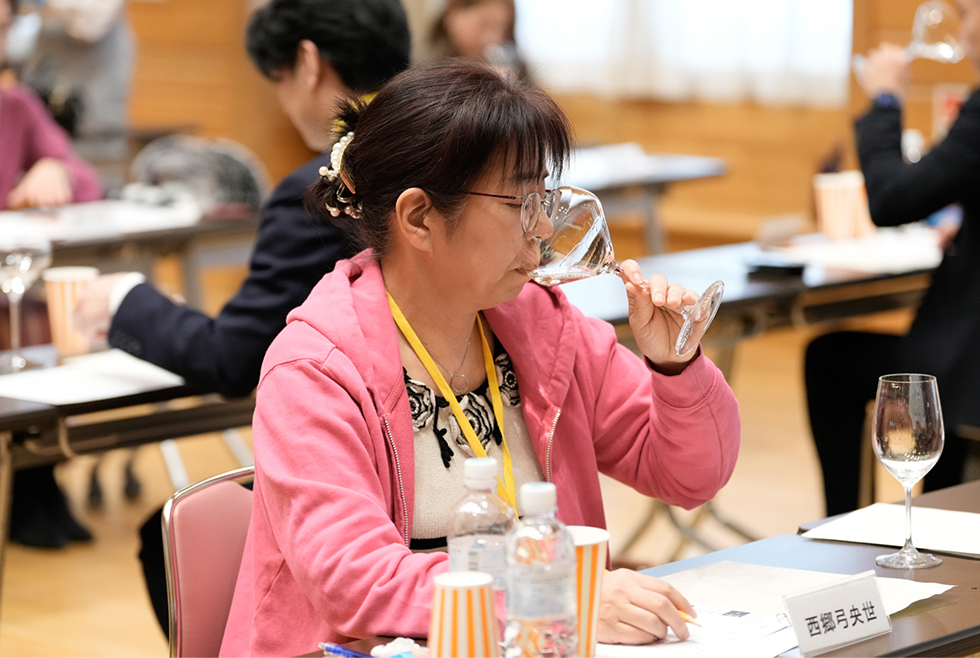
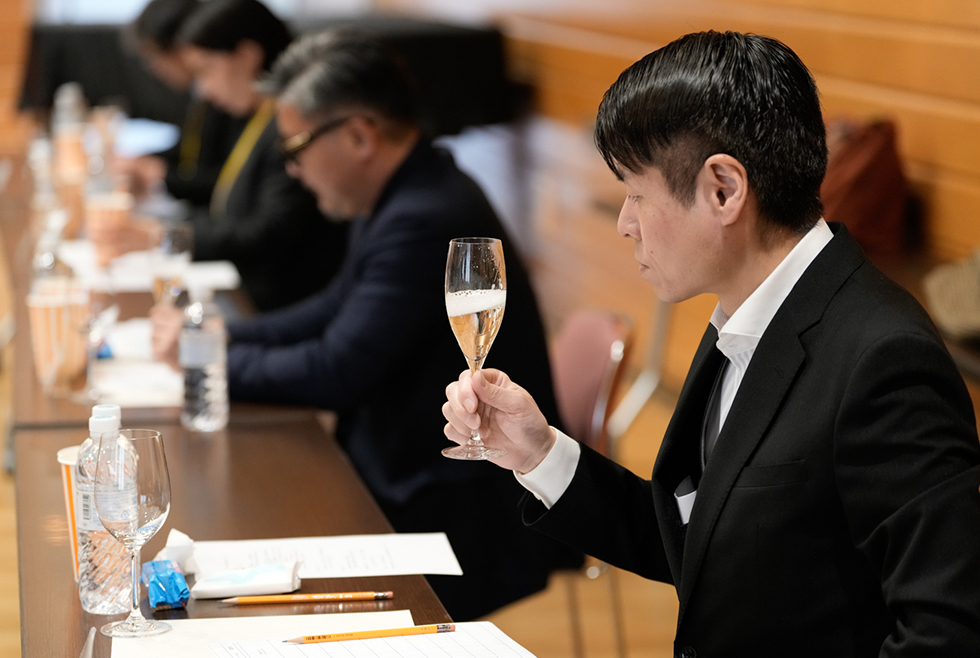
The glasses used for the tasting are RIEDEL sake glasses.
Generally, they use ginjo sake glasses, which offer an excellent balance of aroma and flavor. However, they also select glasses based on the sake’s unique characteristics: for the Premium Junmai category, where flavor is paramount, they use wide-mouthed junmai sake glasses; and for the Sparkling SAKE category, where effervescence is key, they use vintage champagne glasses. This approach reflects a strong commitment and a spirit of inquiry aimed at accurately bringing out the distinct appeal of each type of sake.
■ Only the Top 5% Earn the Prestigious Grand Gold Medal — 58 Sakes Selected in 2026
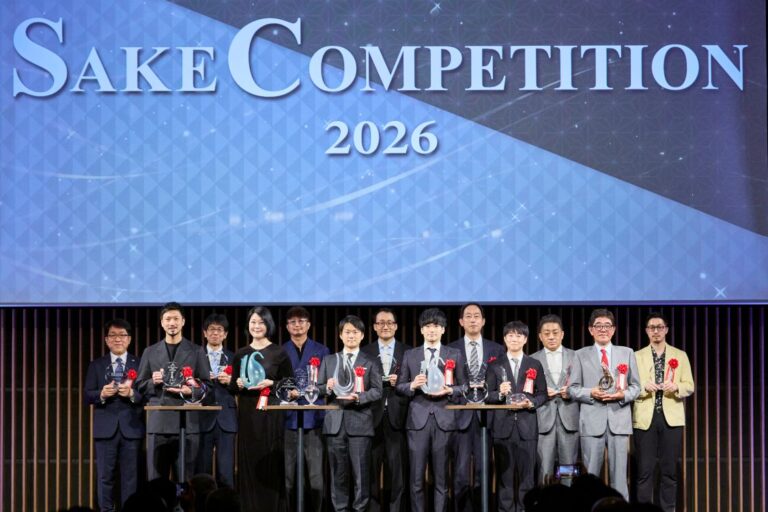
After rigorous judging of 1,148 sake entries submitted by 260 companies, 58 entries—representing approximately the top 5%—were selected to receive the Grand Gold Medal. The awards ceremony was held on April 22, 2026, at the Akihabara UDX Gallery (Chiyoda Ward, Tokyo).
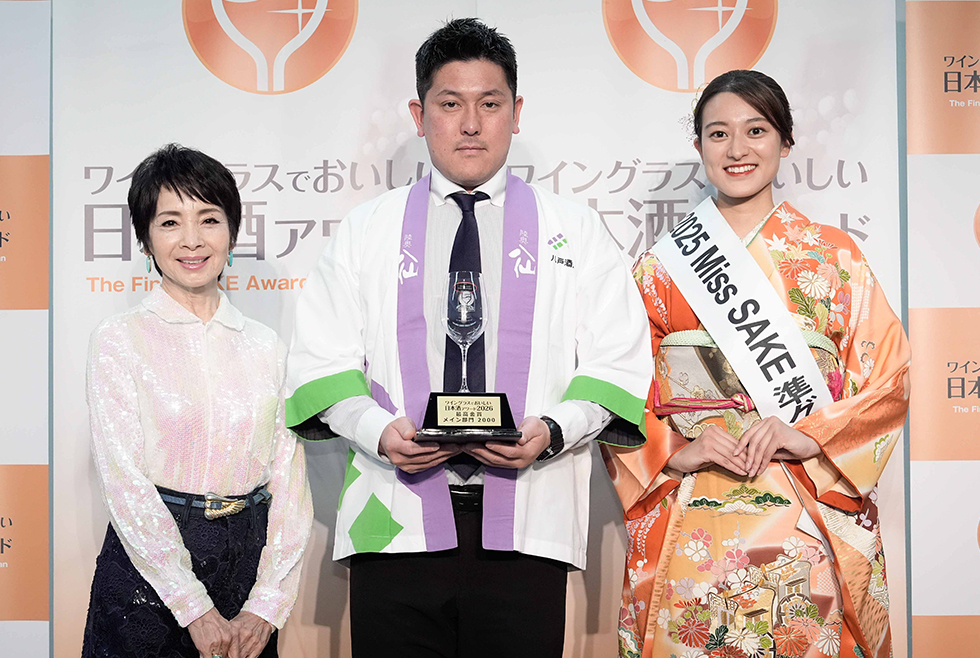
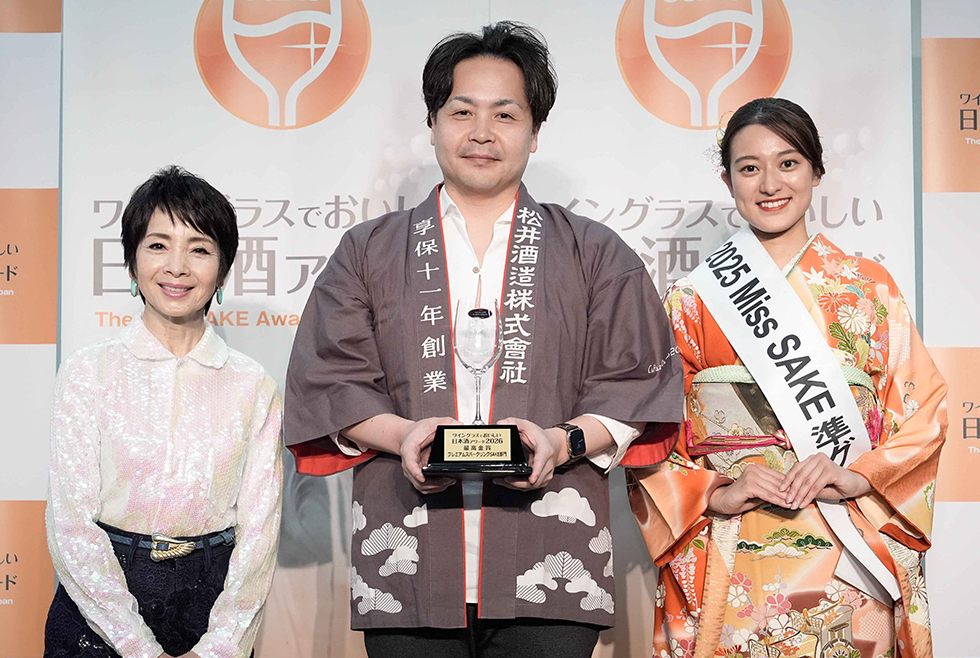
The 41 companies that won the Grand Gold Medal attended the awards ceremony. The brewery owners, each holding their prestigious trophies, beamed with joy as they savored the moment.
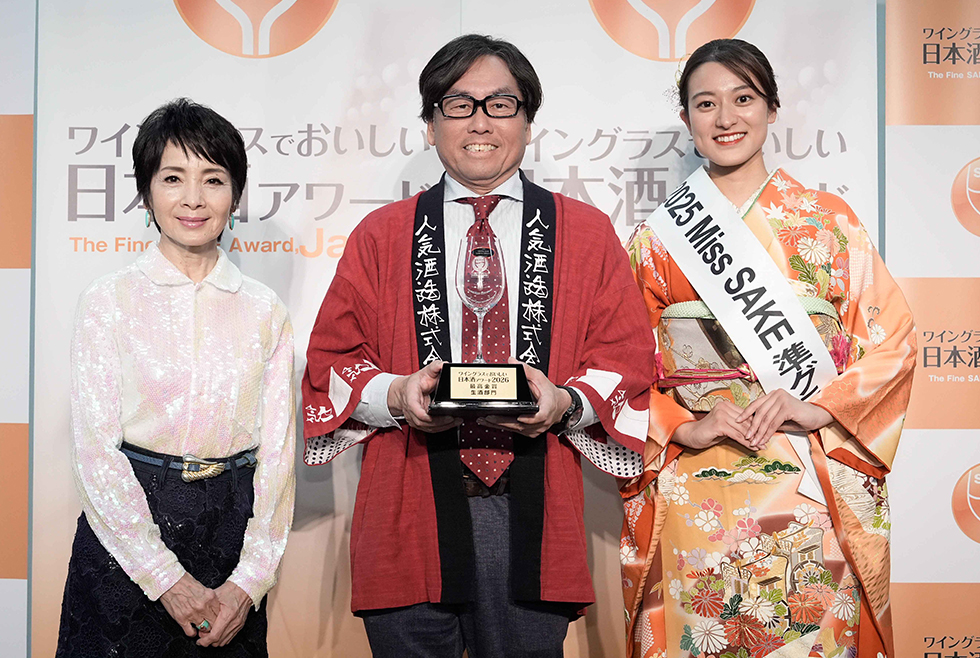
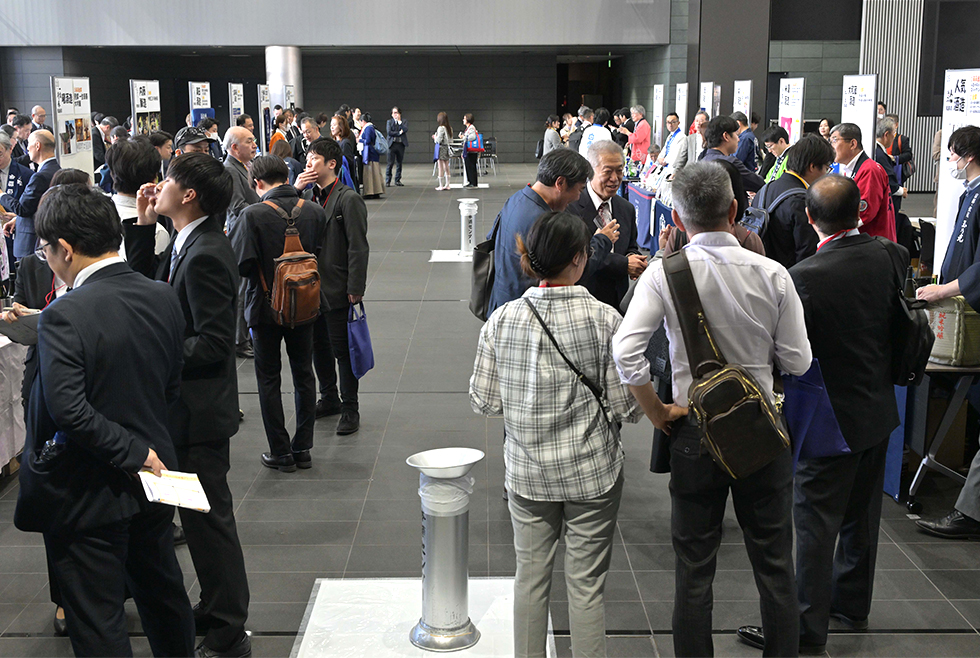
Following the awards ceremony, a tasting and business networking event was held, with 62 companies participating, including the Gold Medal winners.
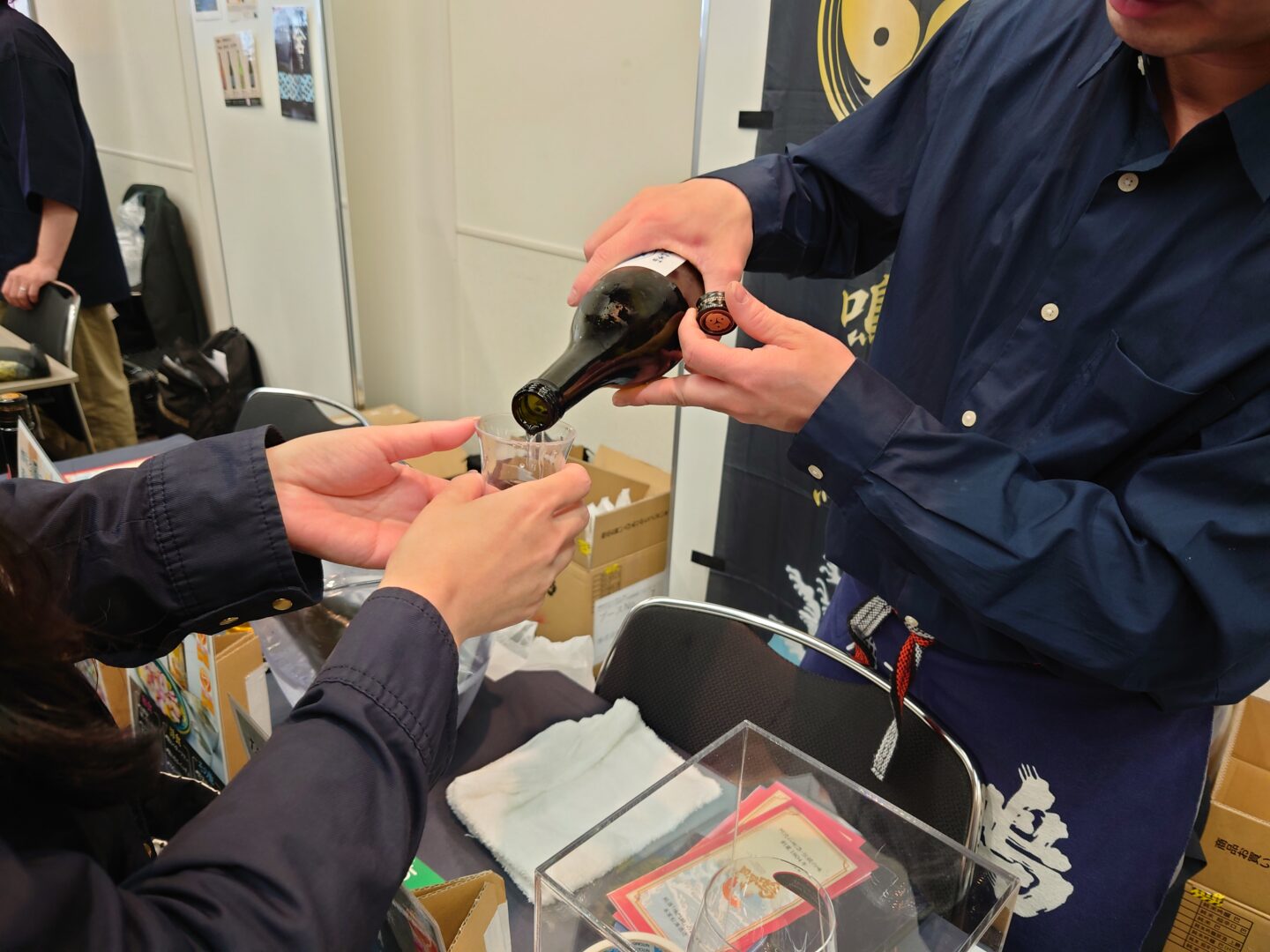
This event was exclusively for industry professionals, and admission was limited to businesses that handle alcoholic beverages, including restaurants, retailers, wholesalers, hotels, e-commerce companies, and import/export firms. Overseas buyers were also present at the venue, and scenes of them enthusiastically asking questions of the brewers while tasting the award-winning sakes could be seen throughout the venue. These scenes served as a stark reminder of the globalization of sake and the growing interest in it within overseas markets.
Sake is a versatile drink that pairs well not only with Japanese cuisine but also with a wide variety of dishes across all culinary genres. In recent years, it has been gaining prominence on the global culinary scene, with many Michelin-starred restaurants in Paris, France, now featuring it on their menus.
In December 2024, Japan’s “traditional sake brewing” was inscribed on the UNESCO Intangible Cultural Heritage list, further boosting interest in sake. A future where enjoying sake from a wine glass becomes the norm around the world is certainly not far off. Having grown in scale with each passing year, this 16th edition of the awards was a resounding success that strongly underscored that potential.
* This article is machine translated from Japanese to other foreign languages