 English
  Japanese
  Chinese (China)
  Chinese (Taiwan)
  Korean
 Izakaya
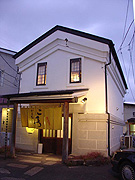
It has been renovated for over 100 years. Fresh fish and shellfish from Sanriku, especially oyster dishes from Karakuwa-cho, Kesennuma, Miyagi Prefecture, are popular. An izakaya that handles local sake and ingredients from Iwate Prefecture.

It has been renovated for over 100 years. Fresh fish and shellfish from Sanriku, especially oyster dishes from Karakuwa-cho, Kesennuma, Miyagi Prefecture, are popular. An izakaya that handles local sake and ingredients from Iwate Prefecture.
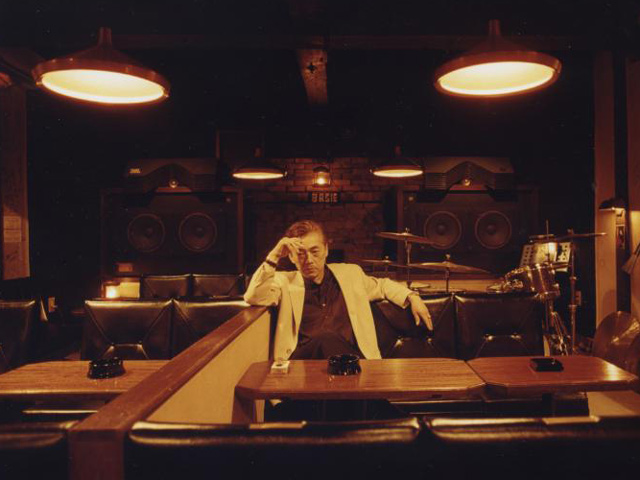
Jazz tea has been visited by jazz fans from all over the country for 50 years. There is a reputation for the sound of records. Coffee 1000 yen and others.
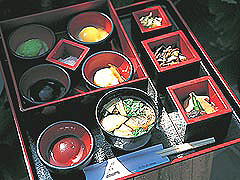
Kuramoto's kamba, a restaurant of local cuisine converted from a washing place. The rice cakes, which have been served in the festive table since the time of the feudal clan, are a food culture unique to Ichinoseki. There are four types of bite-sized mochi, such as an bean, and a sticky meal with zoni and a sweet meal. In addition to one of the name sake sake, there are also eight types of all-malt beer Iwate Kura beer that uses only hops and malt. At the attached Sake Folk Culture Museum (300 yen to the entrance), you can introduce the brewing process of sake, display of more than 1600 tools along it, as well as information on the Toji room and rice making that enshrines the god of sake, Matsuo Daimyojin. Phone confirmation is required for reservations.
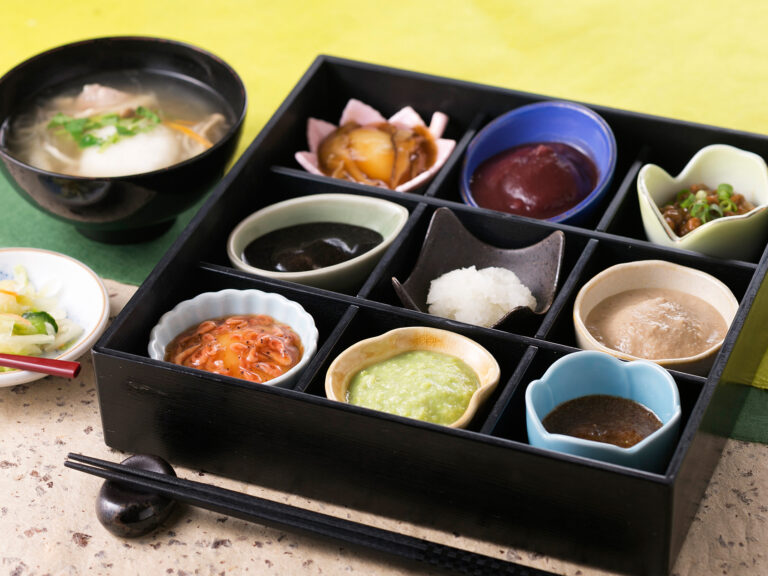
In a calm shop of Wa Modern, you can taste local dishes such as rice cakes and seasonal Japanese food. One-bite rice cakes with eight flavors such as sakes and walnuts are served at 1750 yen with one-bite rice cakes, and one-day meal at a monthly lunch at 1980 yen. The finest locally produced glutinous rice "Kogane mochi" and the mochi made by water only are characterized by their unique firmness and elasticity.
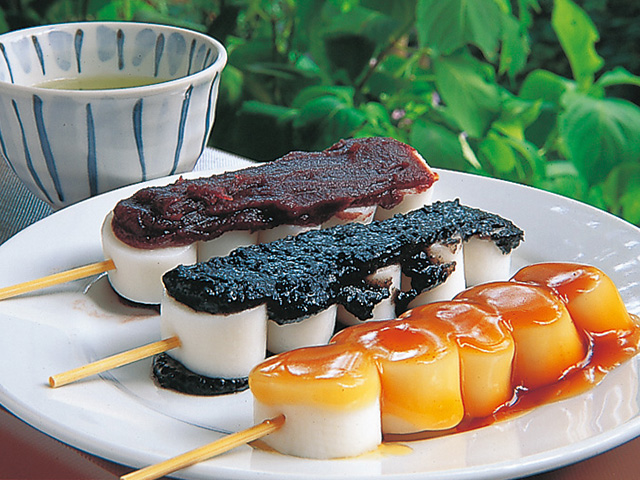
Gen Mei Valley [Genbikei] specialty, Guo Gong [Kako] Dango's shop. Put the price in a basket at the Tōya in the Gen Mei River, and when you signal it with a mallet, the basket returns to the shop on the opposite bank, and the dumplings arrive with tea. 500 yen for a set of three pieces of sesame, bean paste and soy sauce.
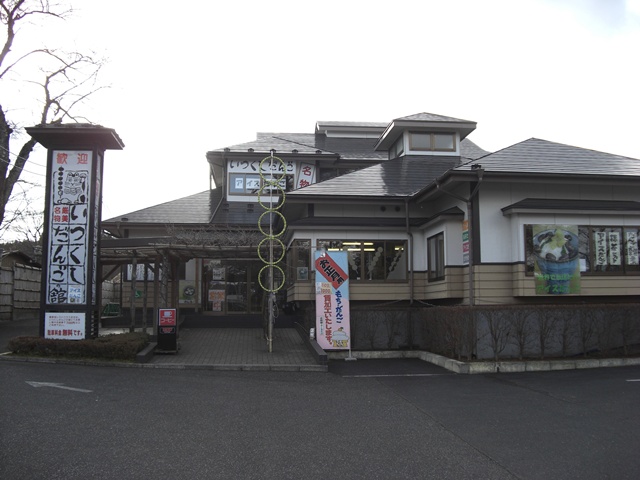
A specialty store that uses pickled rice. There are five types of bean, sesame, soy sauce, walnut, and zudan. There are three sets A (an sesame/soy sauce) and B (zudan/walnut/soy sauce), and a total of 6 sets A and B are advantageous. One-bottle sale was also well received. Takeout is also possible. Unique dango making experience is required.
The specialty is glutinous milk tea 600 yen, which contains glutinous milk in the milk tea. When the glutinous taste comes up, put on black honey and kinako flour.
Utilizing a 200-year-old Japanese house. Ichinoben, which is lined with four types of mochi, including the swamp shrimp, and the june (Egoma), and the Niinoben, which is lined with seasonal wild vegetables. Rates from 2500 to 3500 yen per person. Use is required for 10-15 people and 2 days in advance.
A tea room on the side of the main temple of Chuson-ji, donated by Konosuke Matsushita and designed by Chusenke-e-Gen Senshimuro.
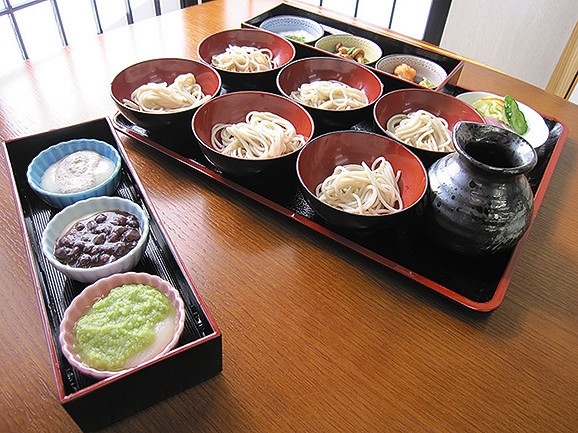
You can enjoy tenacious and soft rice cakes using mochi rice from Hiraizumi and kogane mochi. There are eight kinds of rice cakes, including apricot and sesame, and 440 yen each. The meal menu is also abundant, and the most recommended is Yume Gozen for 1430 yen. Popular zundo, walnut, and anko rice cakes are set as well as wari soba noodles, and there is plenty of food to eat. Such as Fujiwara Miyo Omokzen 1210 yen and Hiraizumi Hormone 770 yen, a new specialty, are also popular for immobility.