Archives: Travel Post

Egami Settlement in Naru Island (in and around Egami Cathedral)
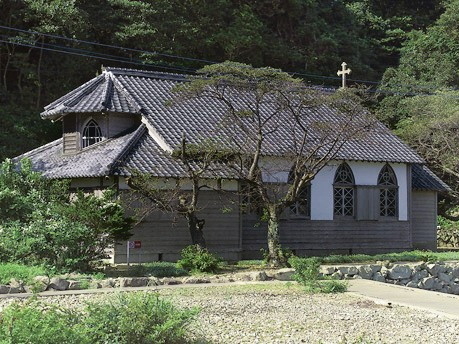
One of the constituent assets of the World Cultural Heritage "Hidden Christian Related Heritage of Nagasaki and the Amakusa Region". Egami Settlement is a settlement located in the northwestern part of Naru Island in the central Five Island Islands. In the late Edo period, some of the hidden Christians who had migrated from the outer waters of the Omura clan in a pact with the Goshima Domain formed settlements in various places on the island, including Nagahae, Tsubakihara, and Nanetsu in Naru. Four houses were also settled in Egami, a valley close to the remote sea. It said that each settlement continued their faith secretly, with leaders as the center, and many people maintained their hiding-era faith in Narushima even after the ban on Christianity. All of the people in the village of Egami returned to Catholicism in Meiji 14 (1881), and in the late Meiji period built a simple church. The present-day Egami Cathedral was erected in 1918. If you stroll through the Egami district, you can see the status of the settlement of Tanisako Topography [Tanisako Chikei], which is a typical example of a migration site, and the quiet setting of the Egami Cathedral, which is a representative example of a wooden church adapted to it.
Kugashima Tourism Exchange Center

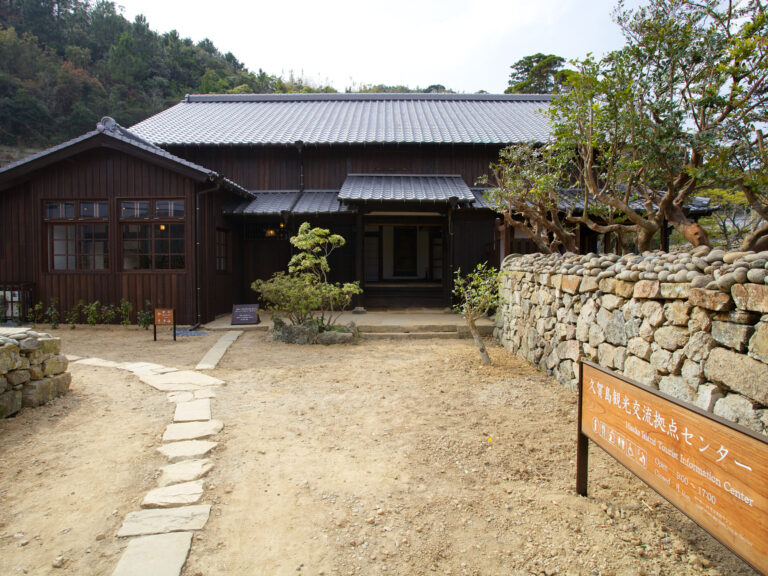
Kuga Island Tourism Exchange Base Facility, which has also been selected as a constituent asset "Kuga Island Settlement" of the World Cultural Heritage "Hidden Christian Related Heritage in Nagasaki and Amakusa Region" and as a national important cultural landscape "Cultural Landscape of Kuga Island, Goshima City". It is located in the Kuga district in the innermost part of Kuga Bay, and was opened by renovating the "Fujiwara House", a wooden one-story old private house built in the middle of the Meiji era, and has a guidance function for world heritage and cultural landscapes. Inside the museum, there is also a material exhibition room that introduces the nature and life of Kuga Island, the landscape of settlements and the history of the hidden Christians, as well as a tourist information corner that introduces the island's recommended sights with photos and maps. If you rest in the exchange/break space, buy souvenirs such as Tsubaki oil from "Kugashima Farm" at the goods sales corner and go home. With advance reservations up to three days in advance, the company also offers meals made with ingredients from Kugashima, such as Goshima udon noodles and sashimi.

Jodake Observation Center (Kijuku Castle site)

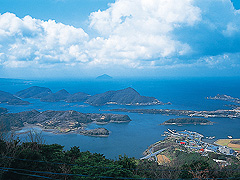
The observatory is located on Jodake Mountain at an altitude of 216m in the northern part of Fukue Island. It is said to have come to be called Jodake because the Uku Goshima family, 8 Daigaku, moved from Ukujima to Fukue Island to build a castle in this area in the third year of Kōwa (1383). The view from the second observatory with the Higashiya near the parking lot is good, but there is a first observatory that also serves as a radio relay tower at the summit observatory that climbed the promenade for about 5 minutes, the northern part of Fukue Island and Shiraishi Bay, you can see all the scattered islands such as Naru Island and Nakadori Island in a 360-degree panorama. The trailers are located on the Mizunoura Church side and the Kijuku Infirmary side, and it is recommended to enjoy a 30-minute hike.

Old Olympic Church

A small church that stands facing Naru Seto on the eastern shore of Kuga Island in the southern Five Island Islands. The first church in Kugashima was the former Hamawaki Church, built in 1881 (Meiji 14). After the rebuilding in 1931, the former settlement of hidden Christian, the Gourwa district, was taken over and moved to its current location. A new church was built immediately next to it in 1985, and this former church was donated to the city of Fukue (now the city of Goshima) as a cultural property to undergo restoration work. It is the oldest wooden church in Goshima and is a one-story house with a tiled roof that retains the form of a private house in its exterior. The main entrance was added during the transfer, and the underhouse behind the altar was also extended, although it often retains the form at the time of its founding. The interior is a three-way corridor, with a boarded-up rib vault ceiling, and is designated as a national important cultural property as a representative example of the early wooden church architecture with a less decorated worship space.

Kugashima

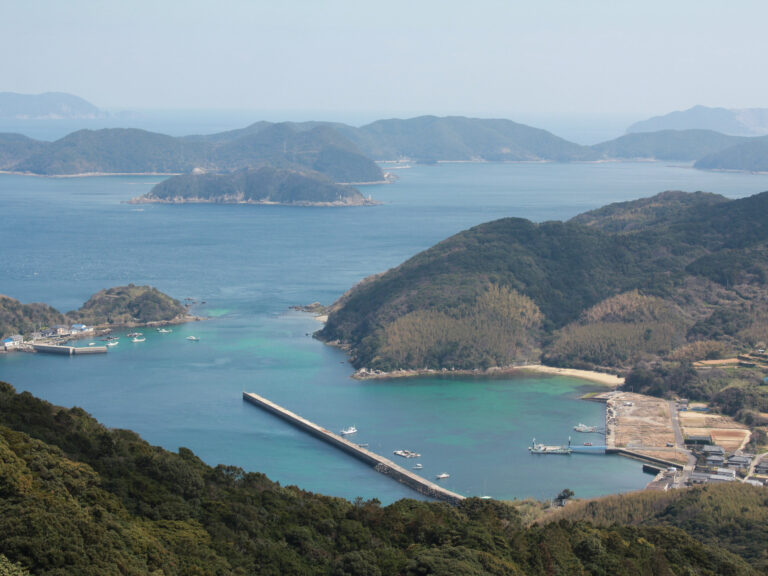
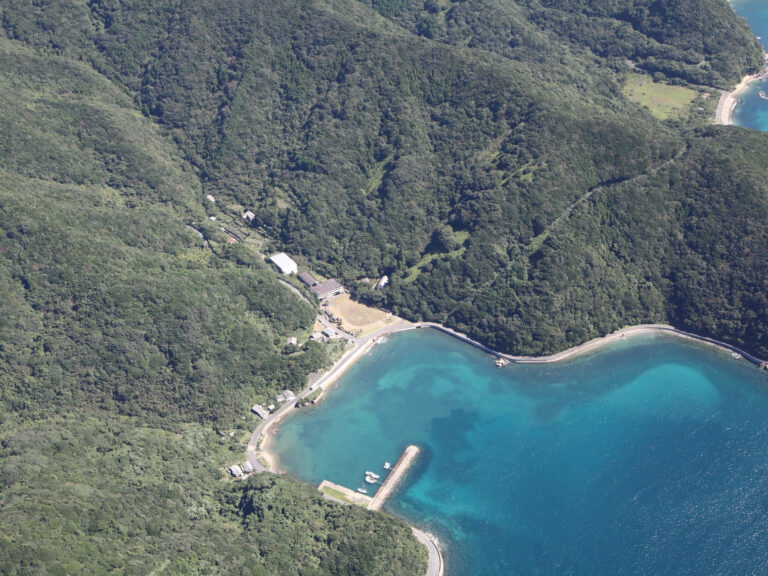
It lies north of the center of Shimogō, between Fukue-jima and Tanoura-Seto, and is the third largest of the five island islands, after Fukue-jima and Nakadori-jima. It is an island with a horseshoe shape around about 52km with Kuga Bay in the center, and the center is the Kuga district in the back of Kuga Bay. During the Edo period, the government office of the Fukue clan was set up in Tanoura, and in the late Edo period, people who were hiding Christians were relocated from the outer waters of the Omura clan due to the pioneering policy. It is now listed as a constituent asset of the World Heritage of Culture "Hidden Christian Related Heritage of Nagasaki and the Amakusa Region". Among the five island islands, Kuga Island is particularly native to Yabutsubaki, and in the Tanoura area, there is a Yabutsubaki Primitive Forest, a natural monument designated by Nagasaki Prefecture, and it has been planted and used in various forms such as crafts, food, and fuel. The landscape of winter with beautiful flowers of dignified red and beautiful flowers is stunning. The entire island has also been selected as an important cultural landscape of the country as "Cultural Views of Kuga Island in Goshima City" due to the landscape of terraced rice fields and yobobaki on the sloping ground facing Kuga Bay. Some of the highlights include the former Olympic Church and the prison's Conquil Martyrdom Memorial Church, the burial ground of a lurking Christian, and the Orient Observation Deck. The island is touched by the history of hidden Christians, the beautiful landscape of camellia, and the warmth of people.

Naru Island

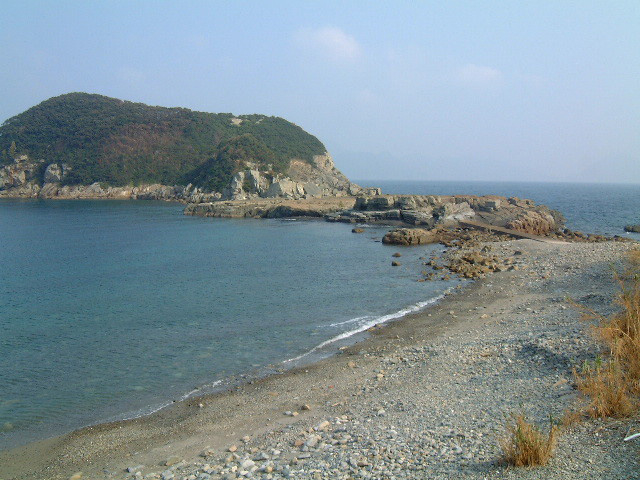
An island located in the middle of the five islands and with a population of about 2300 belonging to the city of five islands. It has an intricately penetrating coastline of about 75km in circumference, and mountains such as Mt. In the middle of the 15th century and the middle of the 16th century, it was a port of call for the Niimei trade ship due to its natural port. It was ruled by the Naru clan, but under the control of the Goshima (Fukue) clan during the Edo period. In the late Edo period, the settlers of hidden Christians, who had migrated under a pact with the Omura clan, created small settlements in Kuzushima, Akasaki, and Yagami, among others. Churches have been built in various places in the island since the Meiji era, and in 2018, the Egami district was registered as one of the constituent assets of the World Cultural Heritage "Hidden Christian Related Heritage in Nagasaki and the Amakusa Region". There are attractions such as Egami Cathedral, Naru Shrine, Naru Sengarishiki, Odagawara Observatory and Jodake Observatory, Goshima City Kasamatsu Hiroi Memorial Hall, mysterious Shioike Pond, etc. You can also experience a variety of things such as making accessories for cultured pearls and making fuzure rice cakes, a specialty of Naru Island. Matsutoya (Arai) The song "Hitomi no Shut" composed by Yumi was created in the image of this island, and there is also a "Yumin no Uta".

Ukujima

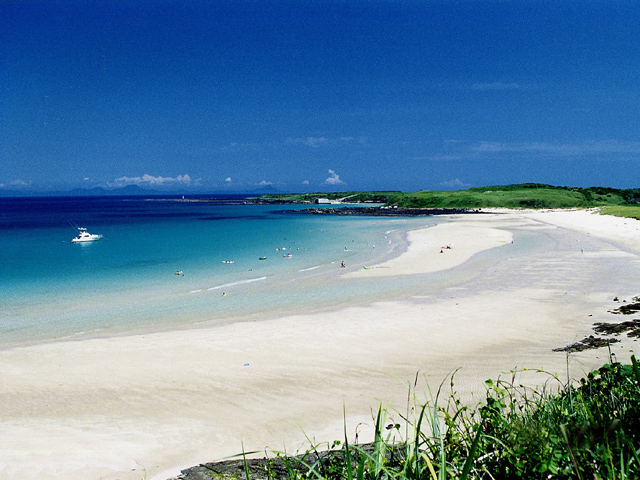
The island located in the northernmost five islands. It is surrounded by rich nature, such as the Ohama swimming beach, which is a long white sandy beach, plain grassland where you can enjoy golf, and the middle of the island, where there is Jogake called Goshima Fuji. Historically, it is said that the Heike ruled the island for seven generations, starting with Heike Sheng, who lost the Battle of Nonoura. A large number of buildings related to Iemori, such as the landfall of Heike Sheng and Tōkōji, indicate a deep connection with the Heike family.

Arakawa Onsen

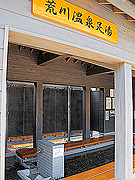
Asuyu in the waiting room of the bus at Arakawa Onsen. Arakawa Onsen is Goshima's most historic hot spring, and there is also a public bath nearby. It's perfect for resting your feet when you drive, so I 'd like to stop by.

Goshima City Tourism Association Stand

It is located on the first floor inside the Fukue Port Terminal and is a concession stand operated by the Goshima City Tourism Association. We handle a lot of Goshima specialty products, so it is recommended to buy a souvenir at the end of the trip. The long-selling "camellia candy" bag of 540 yen and "camellia soap" of 550 yen are affordable and ideal for souvenirs.

Yamamoto Sea Products

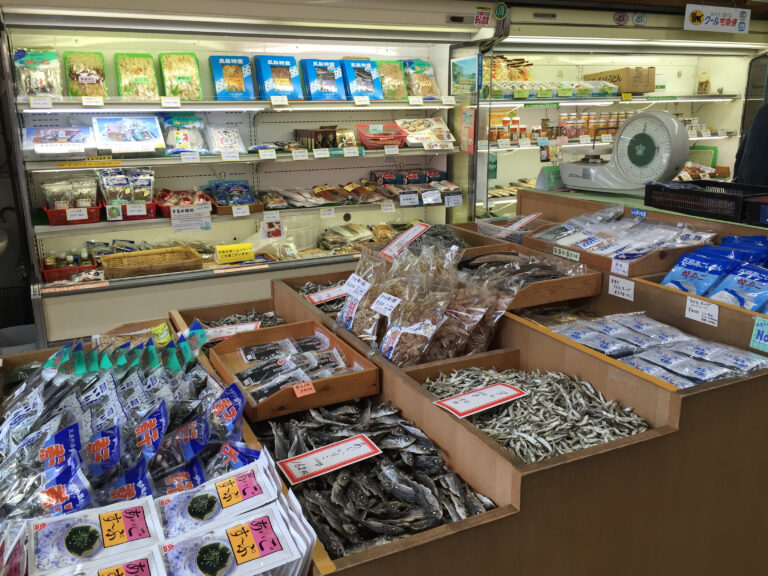
There are plenty of sea products and specialty products from Goshima, which are also ideal for souvenirs, and it is popular among locals. There are also many other items such as squid, grilled jago dashi, and Goshima udon noodles.

Contact Us: Business & Personal Inquiries

By proceeding, you agree to our Terms of Use And confirm you have read our Privacy Policy .

Notes

· We are available for inquiries 24 hours a day. Responses will be provided between 9:00 and 18:00 (including weekends, public holidays, and year-end/New Year holidays).
· Depending on the nature of your inquiry, it may take some time for us to respond.

RURUBU & ALL WAY JAPAN
Privacy Overview

This website uses cookies so that we can provide you with the best user experience possible. Cookie information is stored in your browser and performs functions such as recognising you when you return to our website and helping our team to understand which sections of the website you find most interesting and useful.