 English
  Japanese
  Chinese (China)
  Chinese (Taiwan)
  Korean
 North inner section
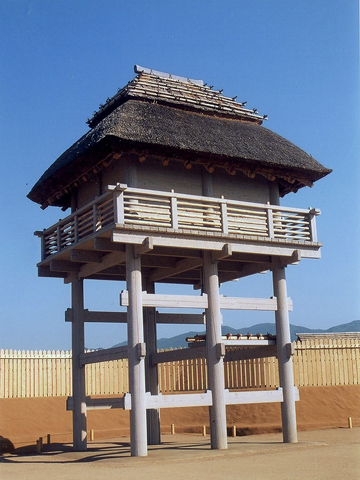
吉野ケ里歴史公園の環壕集落ゾーン北内郭にある櫓。四方にある物見櫓は、南内郭と同じように、外敵の侵入を見張る役割があったと考えられている。南内郭の、物見櫓との構造の違いを比べるのも興味深い。

吉野ケ里歴史公園の環壕集落ゾーン北内郭にある櫓。四方にある物見櫓は、南内郭と同じように、外敵の侵入を見張る役割があったと考えられている。南内郭の、物見櫓との構造の違いを比べるのも興味深い。
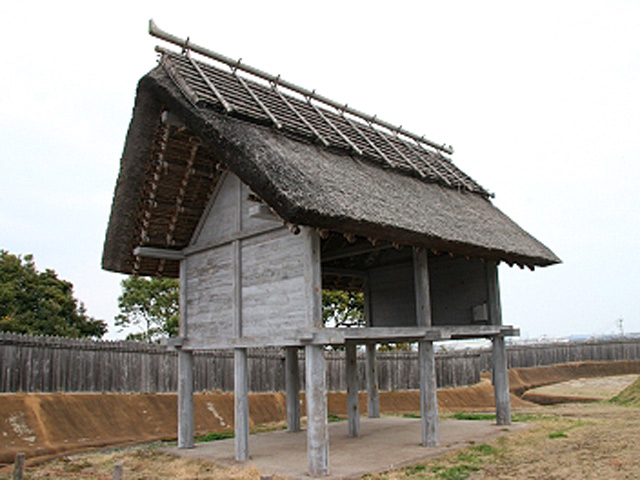
吉野ケ里歴史公園の環壕集落ゾーン北内郭の内壕と中壕の間に立つこの建物。夏至の日の出と冬至の日の入りを結ぶ線上に位置することから二至(夏至・冬至)、二分(春分・秋分)を中心とする季節ごとの祭りの儀式が行われた施設と考えられている。
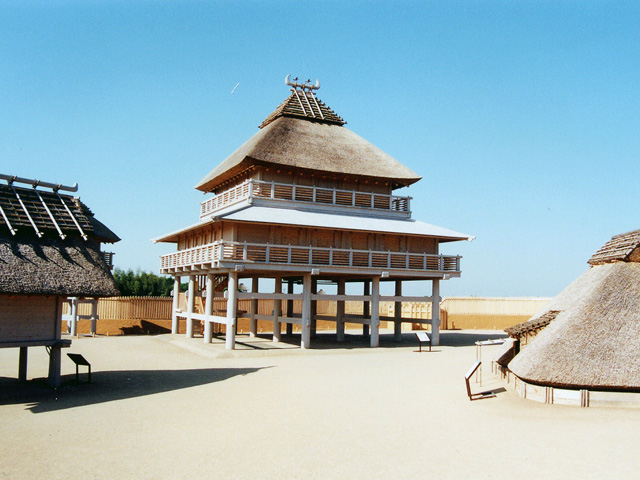
The site located in the northern inner enclosure of the moat settlement zone at Yoshinogari Historical Park was the center of the country's festivals and politics. It is a three-story building from the Yayoi period, one of the largest of its kind, standing 16.5 meters tall with a floor height of 4.5 meters. The second floor is believed to have been a meeting place where village leaders and rulers discussed important matters, while the third floor is thought to have been where the high priest conducted rituals to hear the voice of the gods (spirits of ancestors) and conveyed the results to the rulers.
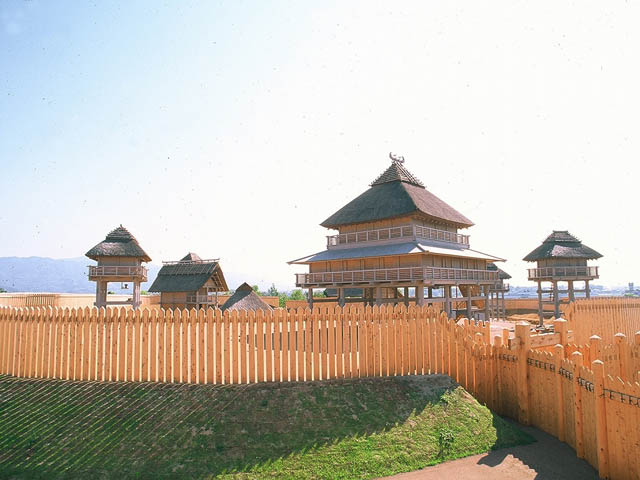
It is located within the moated settlement zone of Yoshinogari Historical Park. It was considered the most important and sacred place in Yoshinogari, surrounded by double castle fences (earthen mounds and palisades) and moats. It is believed that the ruling class of the time conducted ritual ceremonies and politics there.
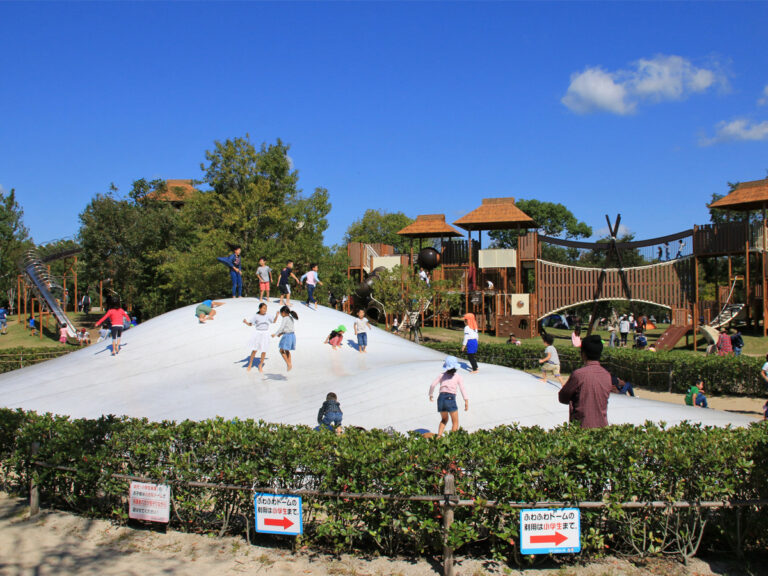
Located within the Ancient Field Zone of Yoshinogari Historical Park. You can enjoy 10 types of playground equipment, including a lookout tower-style observation deck, a roller slide, and a bouncy dome.
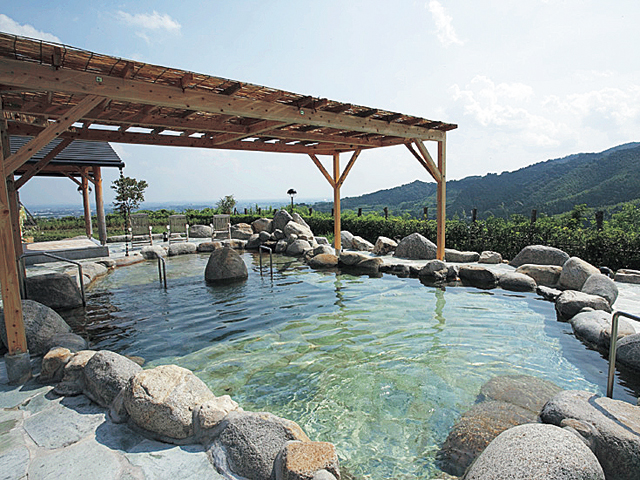
A day-use hot spring facility themed around "tea," featuring spacious outdoor baths and indoor baths, as well as family baths with Japanese-style resting rooms and stone saunas. It also includes a barbecue area and a ground golf course.
A nature-symbiosis-type outdoor park located within "Adventure Valley SAGA" located in the town of Yoshinogari known for the site of Yoshinogari. The biggest feature of this facility is a complex athletic facility that minimizes the load on the environment and makes use of trees in the forest intact. Three courses of dynamic and thrilling "adventure course", "canopy course" that can be played from 110cm tall children, and "kids course" that can be enjoyed even by small children in Kyushu. Also popular is the "Zip Trip Tour", which slides up to about 250m on six zip slides.
Cultivated with safe EM farming methods, you can pick sweet-sweet toyokanyo and sagaika strawberries. There is also a pizza kettle, which can be baked for free if you bring in the ingredients (lumber is ready, so please contact me).
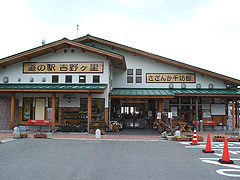
It is located along National Route 385, on the prefectural border with Fukuoka Prefecture, at an altitude of 340m. The view is amazing, and on a day when the weather is nice, you can see Mount Unsen Fukendake in the distance. At the direct sales office, local fresh vegetables and fruits are lined up, and at the restaurant, you can enjoy vegetable juice using seasonal vegetables, tiled soba, and jure tart using seasonal fruits at the fruit studio Shin SUN. There is also a produce processing plant and a bread workshop, and the water supply station fetches spring water free of charge. It is fun to extend your foot to the nearby Yoshinogari Historical Park.
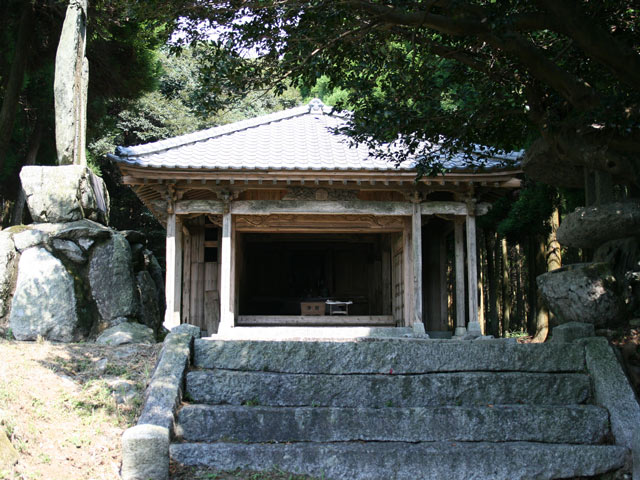
Reisenji Temple has been the center of mountain Buddhism for about 1000 years. It is derived from the history of the cultivation of tea to this area by the Honsei Zenshi in the year of Kenkyu 2 (1191), and has a monument of "Japan's first tea tree cultivation site". The now-uninhabited temple building, "Ototoho-dō", remains, and the tea plantations and saga plain are spread below. The forest bath walkway is also maintained and is ideal for walking. Let's go around the tea plantations and the ruins of Bong, which was the place of training at that time, and let's put our thoughts on history.