Archives: Travel Post

Bisa Mondo

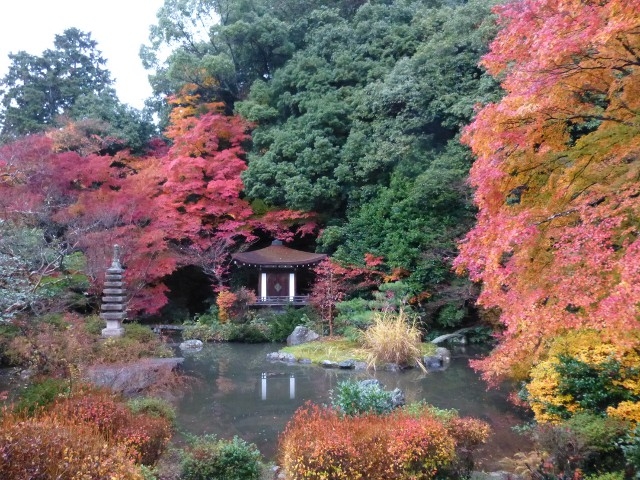
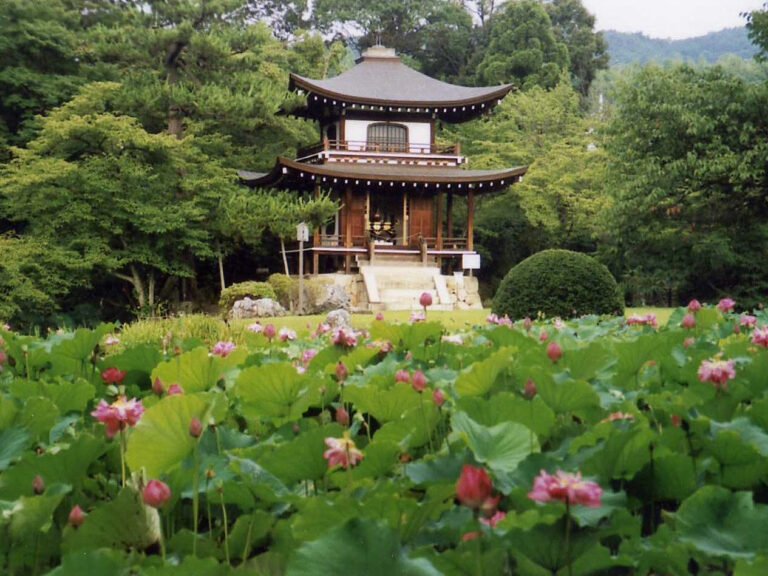
It is the temple of the Tendai sect, and the main temple, Bisha Kadoten, is counted as one of the seven deities of Kyō. Sheng Jian was the third year of Taobao (703). It used to be located in Izumo Road, Kamigyo-ku, but was abandoned due to the Onin Rebellion. It was restored to the site by Gōkai Shumasa in Kanbun 5 (1665), and the temple became the Mōnginji Temple when the Prince of Emperor Go-Nishi entered the temple. There are many things to see, such as the carp paintings of Okyo Maruyama and the barrier paintings of Shinden by Masanobu Kano. Also beautiful are weeping cherry trees and autumn leaves.
Daigo-ji Temple

It is one of the largest temples in Kyoto, with the whole temple area of Daigo-yama, and the headquarters of the Shingon sect Daigo school. It is divided into the upper Daigo on the mountain and the lower Daigo on the mountain, and there are more than 50 pagodas. In the year of Chōkan 16 (874), the founder of Shugendo Nakakung, Shōho Rigen Taishi opened, and was re-founded by the efforts of Toyotomi Hideyoshi during the time of the 80th generation of Zhakusyō Shōjō. It has a number of cultural treasures, including a national treasure such as a kendo and a five-storied pagoda standing in the gaiji of Shimo-Daigo, and is also listed as a "cultural treasure of ancient Kyoto" as a world cultural heritage. The famous "Daigo no Hanami" refers to the Hanami feast held by Toyotomi Hideyoshi in the third year of Keijō (1598). In connection with this Hanami, the Fengtao Hanami procession is held on the second Sunday of April every year.

Suishin-in

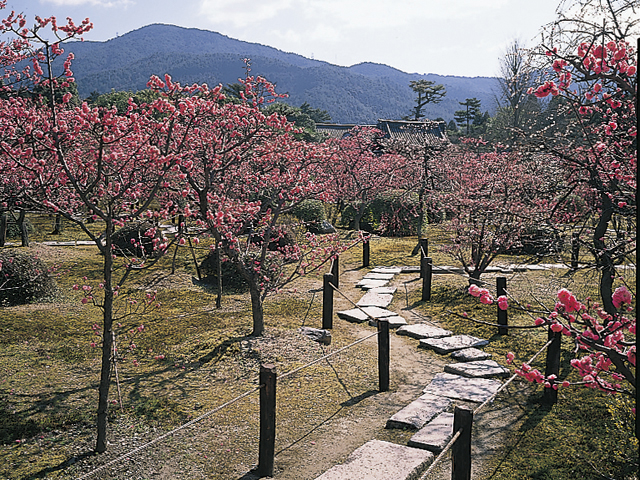
The temple is said to be the site of the residence of Ono Komachi, a female poet representing the Heian period. It is also famous as a famous place for late-blooming plums, and the precincts, which are colored with neat flowers, are worthy of a place related to a poet known for his good looks. A sitting statue of Amitabha Nyorai (Important Cultural Property) is enshrined in the main hall of Nedenzo. He also enshrines Bunzhan [Fumihari] Jizo, who said that he had subbed a love sentence sent to Komachi, and a statue of Sotoba (Sotoba) Komachi, who sits on one knee. There remains a "makeup well" that Ono Komachi used for makeup, and a mound that buried 1,000 romance sentences that reached Komachi.

Sanbo-in

Enter the World Heritage Site, Daigo-ji Sōmon, and immediately stand on your left. It follows through Aoi no-sama (Important Cultural Property) and Akikusa no-sama (Important Cultural Property), which are colored with the brilliant barrier paintings of the Momoyama period, and the Imperial Household (Important Cultural Property) to Omoshōin (National Treasure). From Omosho-in, you can see the garden (a special famous and special historical site) that Hideyoshi had designed himself during "Daigo no Hanami". It is a garden that represents the Momoyama period, with beautiful stones and cuttings such as the Fujito stone stone that was moved from Juraku Dai. There is a Reiho-kan on the south side of Sanbo-in, which houses temple treasures such as the statue of Yakushi Nyorai (national treasure) at Yakushi-do.

The fairy tales

There are many temples such as the Kindō (national treasure) and the Five-storied Pagoda (national treasure). The Kondou is the front seven-way, side five-way, and the construction of the Irimoya. It is a transfer of the main temple of Mangan-ji Temple in Kishu Yuasa, and retains the style of the late Heian period. The five-storied pagoda, about 38m high, was completed in the fifth year of the calendar (951) to mourn Emperor Daigo's bodhisattva. It is known as the oldest surviving wooden structure in Kyoto Prefecture.

Upper Daigo

Shimodaigo's Nyojindo is a mountaineering entrance. A steep slope of about 3.5km continues to the top of the mountain, taking one hour. It takes three hours to make the round trip by patrolling the temple on the mountain at an altitude of about 450m. Daigo Water, which is located on the side of the Kiyomiya Shrine (national treasure), which is the entrance to the upper Daigo, is a spirit spring involved in Daigo-ji Saiken. In addition, there are Yakushi-do (National Treasure), Godai-do, Kaizan-do (Important Cultural Property), and Nyoin-do (Important Cultural Property), which are the oldest surviving Kamidaigo buildings that were rebuilt in 5 years (1124).

Kanshu Temple

Emperor Daigo was founded in the third year of Changtai (900) for the celebration of his mother Taneko. It was developed as a monkogyin temple in the wake of the Imperial Family and the Fujiwara Family. Shōin (Important Cultural Property) in the early Edo period shows a calm pattern. In the front yard, there is a "kōshuji-type" lantern carrying a short, large shade, which is said to have been carried by Mitsukuni Mito, and an estimated 750-year-old hayyakshin with needle-shaped leaves is widespread. The vast garden of the Ikeizumi boat ceremony, centered on the Himuro Pond, which is colored by water lilies, is greeted with elegance to remember the old days of Heian. During the Heian period, it is said that the thickness of the ice to be put on this pond divulged the plentiful fortunes of the agricultural crops of the year.

Sohonke Hōgakudo

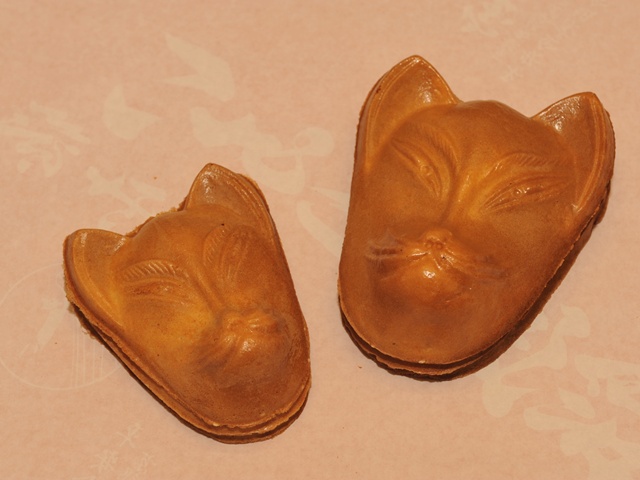
The birthplace of the specialty, inari senko, which is baked one by one using the old-fashioned method; five large fox pieces in the shape of a fox are 900 yen, and five small fox pieces are 600 yen. There is also a miso senbei with a mikuji.

Ginjo Sake Bunch Oil

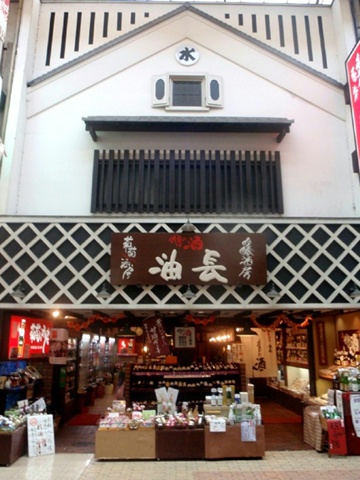
A liquor store located in the Fushimi Otesuji shopping street. It has a selection of Fushimi Kuramoto's nameake, and has about 100 unique and rare kinds of sake. There is also a kiki liquor counter.

Fushimi Ten Stone Boat, Thirty Stone Ship

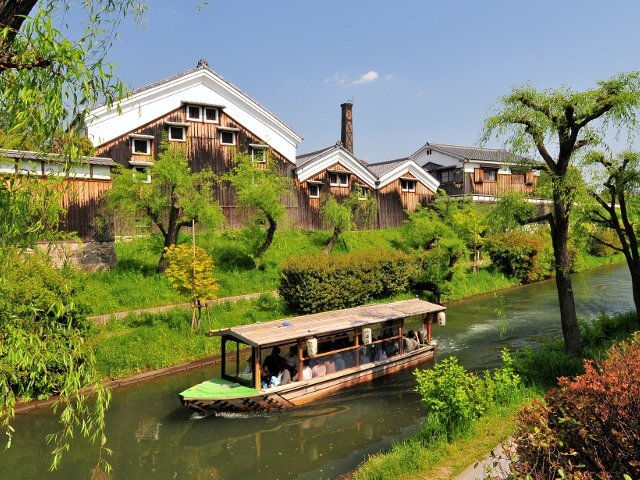
A tourist houseboat that tells the history of Fushimi as a port town on the river. Fushimi, one of the nation's leading sake stores, also flourished as a base for the Yodogawa Funa during the Edo period. At that time, the thirty-thousand-stone ship that connected Fushimi with Osaka. The present-day Jōshishū arrives and arrives from the south side of the Gekigakuma Okura Memorial Hall, while the Sanshiki Ship arrives from near Teradaya in Yukari Sakamoto. Continue quietly on the surface of the water sandwiched between willow trees. It takes 50 minutes and 30 minutes. Due to the small number of operation days, it is necessary to confirm.

Contact Us: Business & Personal Inquiries

By proceeding, you agree to our Terms of Use And confirm you have read our Privacy Policy .

Notes

· We are available for inquiries 24 hours a day. Responses will be provided between 9:00 and 18:00 (including weekends, public holidays, and year-end/New Year holidays).
· Depending on the nature of your inquiry, it may take some time for us to respond.