Archives: Travel Post

Hōkoku Temple (Hōji Temple)

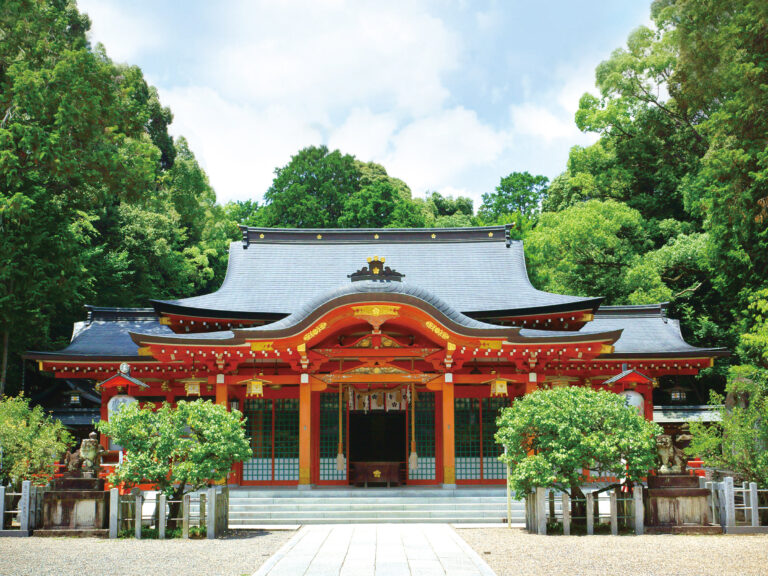
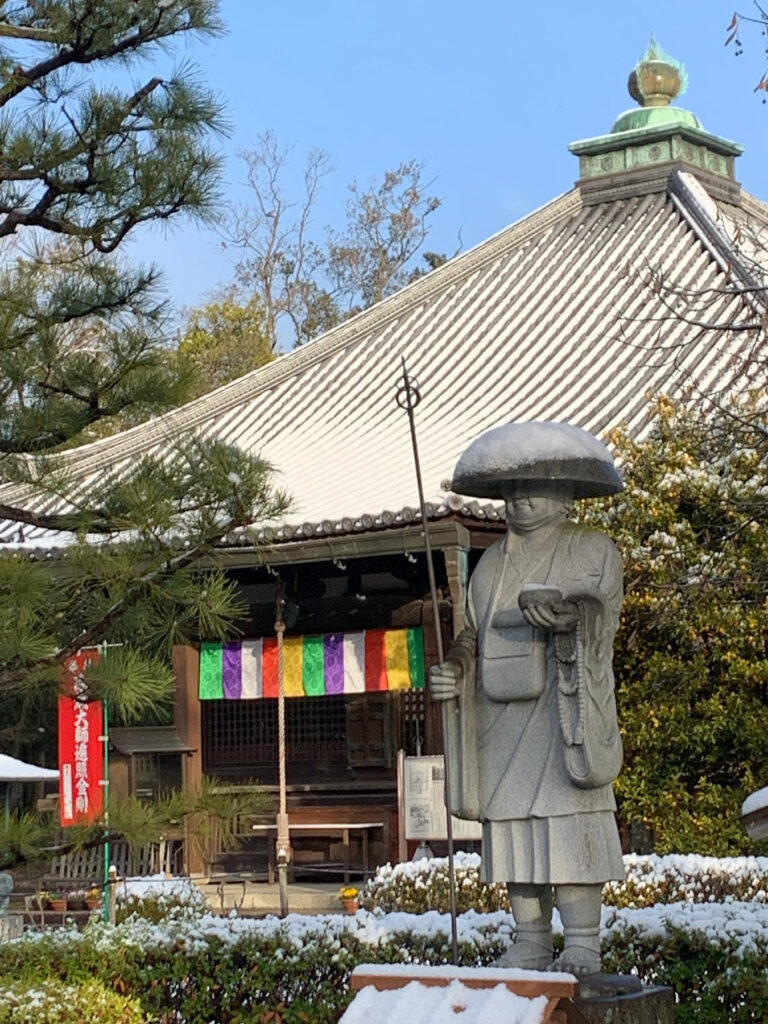
The ancient temple is said to have been founded by Gyoki by the royal decree of Emperor Shōmu. According to the legend that Emperor Shōmu gave a gavel from Ryūjin in his dream, he is awarded an amulet in the shape of a gavel named Ōkuro Tenjin Otsuchi Mamoru. It is popular with worshippers seeking the benefit of gold luck.

Kiki Haru

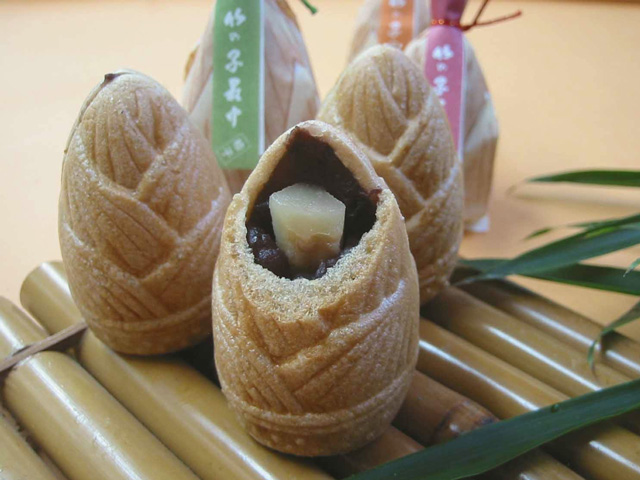
A well-known store with bamboo shoots in the middle of bamboo shoots. Inside the bamboo shoots, which measure about 6cm, there is a generous amount of paste and a sweet-roasted dish of bamboo shoots at the center. The paste is 175 yen each for three types: Tamba Daito, white red beans, and yuzu.

Suntory Kyoto

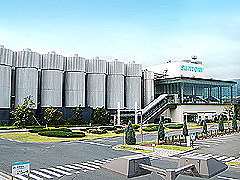
A guide guides the inside of the factory, and explains the production process of beer, such as preparation, fermentation, and filtration, from the corner to introduce the commitment of materials. After the manufacturing process tour, you can have a tasting of freshly poured beer. The journey is about 1 hour and 10 minutes for factory tours and tasting. Participation is free. Reservations required.

Tenma Palace, Nagaoka

A shrine dedicated to Michizane Sugawara, believed to be a god of scholarship. It is famous as a famous place for Kirishi azalea, and it is said that when Michizane was made into Dazaifu, it was a place that spared the remnants. The present shrine was the relocation of the former main shrine of the Heian Shrine in 1941. Hachijoga Pond spreads out over the wide precincts.

Otogun Temple

It was said to be around the time of Emperor Suiko (592-626), and it was a great temple in the Otsuen district. It is also known as the place where his elder brother, Emperor Kanmu, was imprisoned by Sawara [Sawara], who was enjoined in the case of the assassination of Fujiwara. It was devastated by the Onin War, but re-emerged with the aid of Tokugawa Tsunayoshi in the year of Genroku 8 (1695). The statue, which has a variant name with "Bi-sama no Bi-sama-ten", is a statue with a height of 1m, which is an important cultural property of the country. The well-maintained precinct is beautiful with white magnolias and flowers, and about 1000 stock buttons bloom in April.

Nagaoka-gong-gyodo Chōdō-in Park

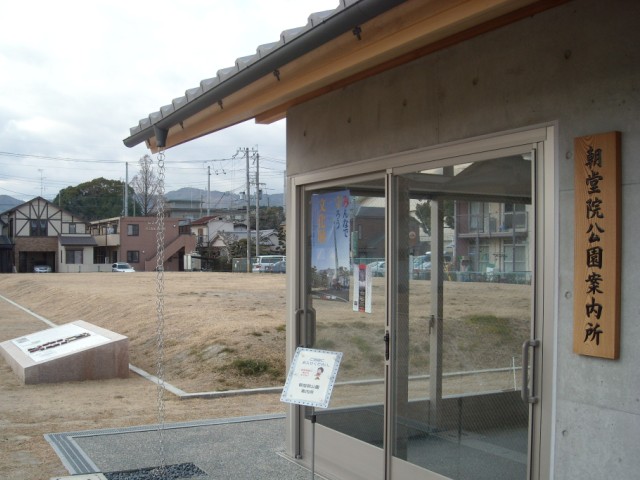
Nagaoka-kyo, which was said to be the phantom capital, flourished as a capital city for about 10 years, starting in November of the third year of the year (784). The Nagaoka Palace, where the Emperor was in charge of politics, is located on the northern edge of the capital, including the Imperial Palace (inner and back) and the National Assembly Building (Taikyuden, Chōdōin), as well as a section with important palaces where the government offices of the Nikanpachi province are located. The unearthed artefacts, such as the Kizaku, are on display at the Mukoichi Cultural Museum (telephone: 075-931-1182). The site of the Daichi-den was designated as the first historic site park in Japan in 1965. We are guided by the history and highlights of Changokakyo.

Moku Shrine

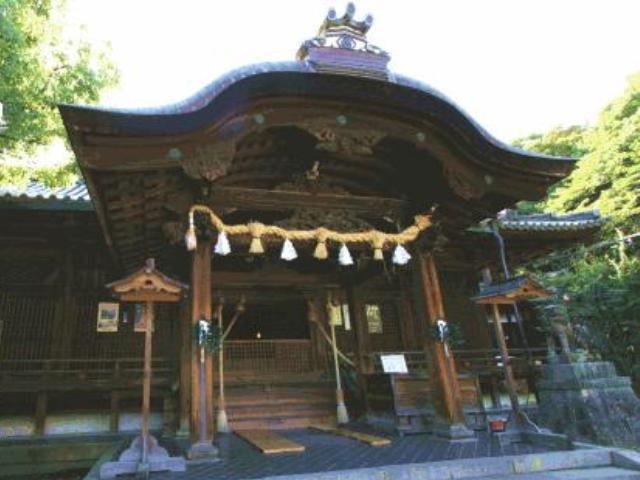
It is said to be the first year of the Nara period, the second year of the old (718). As you go up the gentle hill approach from the buzz of the shopping street, Satsuki, cherry blossoms and Kaede branches stretch out and add color to the precincts. The main shrine (important cultural property) of the Sankasha style left the style of the signature Shinto shrine architecture of the Muromachi period, and was considered the original form of the Meiji Shrine in Tokyo. The name of the city, "Mukou", comes from the land that bathes in sunshine until the sun rises from Higashiyama and sinks into Nishiyama = "Nikou Kau". The faith of the farmers is still thick at Muko Shrine.

Kyoto Bamboo Township Onsen Manba no Yu Hotel Kyoto Eminars

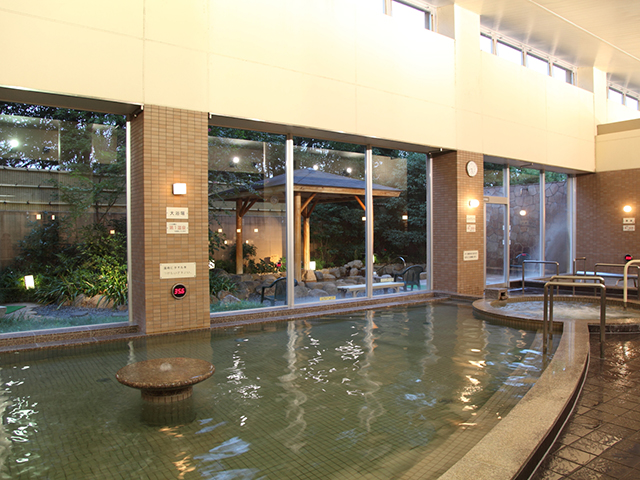
"Hotel Kyoto Eminars" is located in the Oharano of Rakusai, Kyoto, where many bamboo forests can be found. "Kyoto Bamboo Township Onsen Manba no Uto", which is attached to an outbuilding. In Kyoto, it is a full-fledged hot spring facility that combines two types of self-contained sources with different springs, and the large bath, which has an open-air bath outside the inner bath with standing and sleeping baths, is spacious. There is a restaurant, as well as a relaxing room for women, and a variety of facilities such as a rock bath, a beauty room and a body care room. A rented room with an open-air bath was also well received.

Bamboo Village Nakamura Bamboo Lab (Chikken-san)

They are made and sold from bamboo chopsticks and bamboo baskets to bamboo benches and Koetsugaki. From April to May, Shirako bamboo shoots from the bamboo forest owned by the goods (can be shipped locally). Bamboo chopsticks 180 yen ~, one-wheel insertion 250 yen ~, bamboo bench 8500 yen ~.

Contact Us: Business & Personal Inquiries

By proceeding, you agree to our Terms of Use And confirm you have read our Privacy Policy .

Notes

· We are available for inquiries 24 hours a day. Responses will be provided between 9:00 and 18:00 (including weekends, public holidays, and year-end/New Year holidays).
· Depending on the nature of your inquiry, it may take some time for us to respond.

RURUBU & ALL WAY JAPAN
Privacy Overview

This website uses cookies so that we can provide you with the best user experience possible. Cookie information is stored in your browser and performs functions such as recognising you when you return to our website and helping our team to understand which sections of the website you find most interesting and useful.