Archives: Travel Post

Fendan Temple (Sesshu Temple)

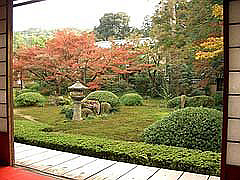
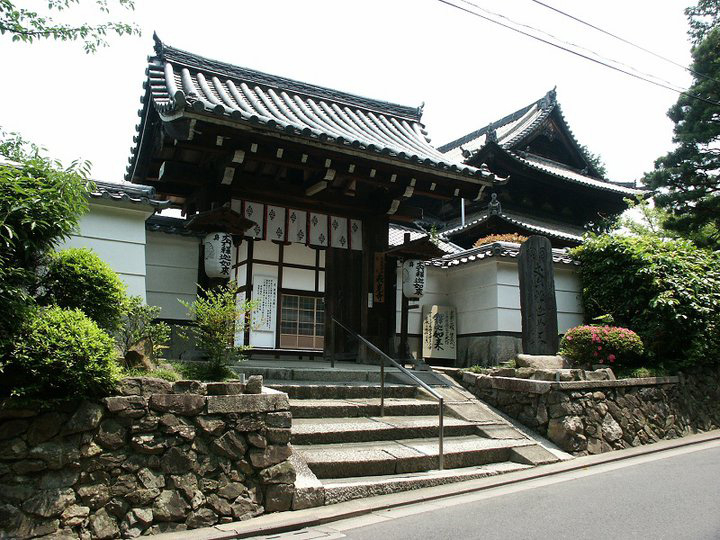
One of the Tofuku-ji towers. It was founded by Kanpaku Ichijo Uchikyo in order to mourn his father's bodhisattva during the Yuan Yen (1321-24), but it was diminished by fires and other events, resulting in the re-emergence of Ichijo Kaneki during the Gyeongan Year (1652-1705). It is also known as Sesifune-ji, due to the fact that there is a garden of Tsurukame, which is transmitted by the late Muromachi painter Sesshu Tōyō (Tōyō). In addition, it is reported that Ekan Ichijo, who was called "Cha-Kanpaku" during the Edo period, was entertained with tea at Tōfukuji Zunantei [and Odoi] during the Tofukuji Sanpo.
Dojuin

It stands in the precinct of Tōfuku-ji, known as the "Juman Immovable", and has a fire-repellent faith; and the statue of King Fudō in the Heian period of the Honson, which is enshrined in the Gotai-dō.

Tao Shrine

Attention to the stunning carvings; the completion of the Go-Hon-den and the four buildings of the Hai-den in Edo-Tenpo 11 (1840); the 8m carved dragon on the ceiling of the Hai-den, the 12 branches in the Hai-den, and the giraffe, the tenma, and the hima Tōrei-beu in the Tesuisha; the author is Shintaro Kyuyama.

Immediate House

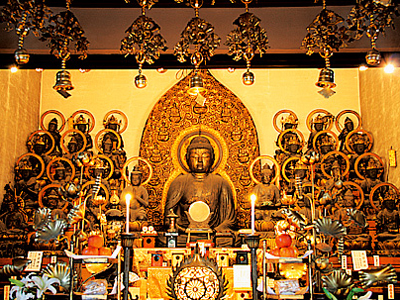
It is located on the left hand side of Sengwaku-ji Temple. The Amitabha Buddha Twenty-Five Bodhisattva, which conveys the prayers of one thousand years to the present, is widely known as a Kyoraku autumn event reminiscent of the picture scrolls of the Pure Land in the modern era. The Twenty-Five Bodhisattva sitting statue, which is also designated as a national important cultural property along with the main temple of Amitabha, is Japan's only valuable cultural property as a three-dimensional sculpture of the Buddha, which is a collection of twenty-five bodhisattvas. In the small hall on the right side of the main hall, there is also a tomb that belongs to Yoichi Nasu, famous for the battle of Genpei.

Shokaku-an

It is the tower of Tofuku-ji and is known as the Temple of the Bumbu-ji. A brush offering is held on November 23 each year, in which the used-out writing tools in front of the brush mound are given thanks to the homaki.

Komei-in

The garden, built on a loose slope, is the Karesansui by the hands of Sanrei Shigemori, and is called the Nami Shin Garden. The elegant curves of white sand and green moss are so attractive. The stone pillars represent the light and are also known as the "rainbow mossy temple."

Kaikoji Temple

It was erected in the mid-Kamakura period as the Imperial Court of the Go-Horikawa Emperor. Gohon-son is a 10-meter-long wooden statue of the Buddha Buddha (jōbun), which is a co-production of Liuqing-Tankei. After several relocations, it became the tower of Goji Sengyunji, as this Buddha stood in his place during the Edo period when Emperor Go-Mizuo was involved in a battle for enthronement and was about to be assassinated.

Yunlong Hospital

Entering Sengwaku-ji Daimon to the right (south) of Sengwaku-ji Temple. There is the Reimei-den, which enshrines the imperial palaces of the Emperor during the North and South Dynasties, and the main temple (Important Cultural Property). The Kamakura-era statue of Daikokuten, which has a black color placed on the back of the back, is humorous because of its attitude of taking one step on the left foot, and is called "run Daikoku". A daily session (1500 yen with viewing fees, matcha and sweets) is also open. The photo sutra reception time is from 9 to 15:30.

Kannonji now Kumano (now Kumano)

In the year of the Tianchong (823-834), Kukai was reburied by laying down the eleven-faced Guanyin; the thirty-three locations of Nishikuni, No. 15, and the 16-meter-high Tahoto was erected in 1983.

Asahi Group Oyamazaki Sanso Museum of Art

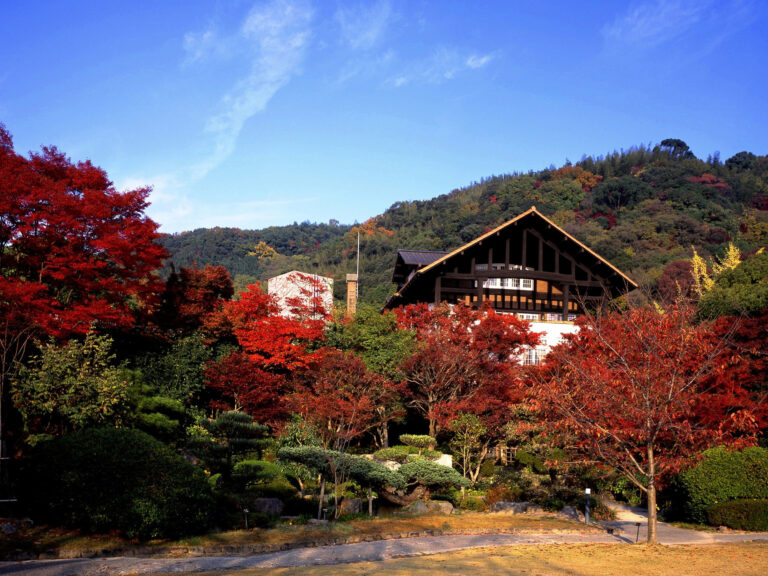
It was opened in 1996 by a Kansai businessman, Shotaro Kaga, with the restoration of a British-style sanso built from the Taisho era to the early Showa era, and the addition of a Jichinakkan designed by Tadao Ando. In addition, in 2012, Yamate-kan was added. The core of the collection is the work of the bearers of the Minyin movement, including Kanjiro Kawai, Shoji Hamada, and Bernard Leach, collected by the first president of Asahi Breweries, Kozaburo Yamamoto. It also holds Western art, including a series of Monet's Water Lilies. The garden of 5500 tsubo is beautiful in each season, and from the terrace of the mountain cottage standing on the side of Mount Tennoyama, you can see the panorama of the confluence of the river, which becomes the Yodo River by merging the Katsuragawa, Ujigawa and Kizu River.

Contact Us: Business & Personal Inquiries

By proceeding, you agree to our Terms of Use And confirm you have read our Privacy Policy .

Notes

· We are available for inquiries 24 hours a day. Responses will be provided between 9:00 and 18:00 (including weekends, public holidays, and year-end/New Year holidays).
· Depending on the nature of your inquiry, it may take some time for us to respond.

RURUBU & ALL WAY JAPAN
Privacy Overview

This website uses cookies so that we can provide you with the best user experience possible. Cookie information is stored in your browser and performs functions such as recognising you when you return to our website and helping our team to understand which sections of the website you find most interesting and useful.